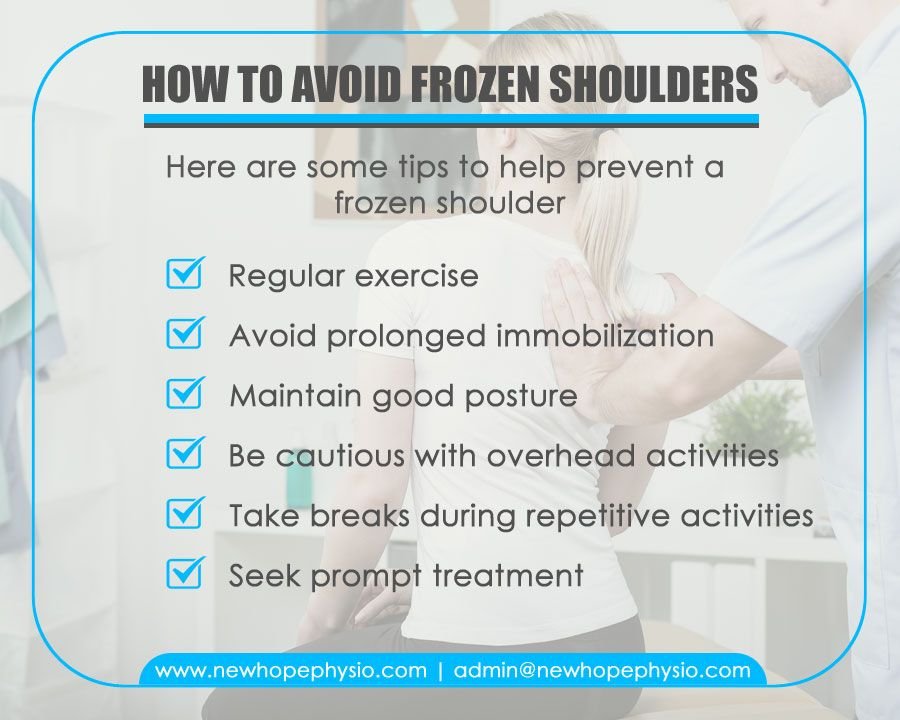
Imagine waking up one morning to discover your shoulder is stiff and painful, making even the simplest tasks feel impossible. This is what many people experience when they develop a condition known as frozen shoulder, often following an injury.
But here’s the good news: you can take steps to prevent this frustrating condition. In this guide, we’ll explore practical tips to keep your shoulder flexible and pain-free, even after an injury. By understanding the right strategies, you can maintain your shoulder’s health and avoid the discomfort that frozen shoulder brings.
Dive in to learn how you can protect your shoulder and enjoy a full range of motion every day.
Understanding Frozen Shoulder
Keeping your shoulder mobile and strong helps prevent frozen shoulder after an injury. Regular stretching and gentle exercises maintain flexibility. Proper posture and avoiding overuse reduce strain on the shoulder.
Understanding Frozen Shoulder Frozen shoulder, also known as adhesive capsulitis, affects shoulder movement. It leads to stiffness and pain. This condition develops gradually, often after an injury. The shoulder joint becomes inflamed and restricts movement. Recovery can take several months or longer. Knowing the symptoms and causes is crucial. This helps in early diagnosis and treatment. Injury is a common cause of frozen shoulder. It can follow a fall or surgery. The body limits movement to protect the shoulder. This can lead to stiffness. Diabetes increases the risk significantly. Other conditions like thyroid disorders can also contribute. Immobility is a major factor. Keeping the shoulder active is essential to prevent stiffness.Symptoms Of Frozen Shoulder
The first symptom is pain. It starts slowly and worsens over time. Stiffness follows, making movement difficult. Simple tasks become hard to do. Pain can be constant or only during movement. The shoulder may feel weak. Sleeping can be tough due to discomfort. Symptoms vary in severity. Consulting a doctor early is important.Stages Of Frozen Shoulder
Frozen shoulder has three stages. The first stage is the freezing stage. Pain and stiffness increase gradually. The frozen stage follows. Stiffness persists but pain may decrease. Movement is severely limited. The final stage is the thawing stage. Stiffness slowly improves. Full recovery may take time. Recognizing these stages is vital for treatment.Risk Factors For Frozen Shoulder
Age is a significant risk factor. It commonly affects people between 40 and 60. Women are more prone than men. Previous shoulder injuries increase the risk. Certain medical conditions like diabetes pose a risk. Sedentary lifestyles can contribute. Regular shoulder movement is crucial. Awareness of these factors helps in prevention.Treatment Options For Frozen Shoulder
Physical therapy is often recommended. It helps improve shoulder mobility. Gentle exercises reduce stiffness. Pain medication may be prescribed. Anti-inflammatory drugs can help. In severe cases, surgery might be necessary. Corticosteroid injections relieve pain temporarily. Early intervention is key to successful treatment. Always consult a healthcare professional for advice.Causes Of Frozen Shoulder
The mystery behind frozen shoulder often lies in its causes, which are more common than you might think. This painful condition can sneak up on you after an injury, leaving you puzzled about its origin. Understanding what leads to a frozen shoulder can empower you to take preventive measures. Let’s dive into some common causes and see how they might apply to your situation.
Prolonged Immobilization
After an injury, you might be inclined to limit movement to heal properly. While rest is essential, keeping your shoulder immobile for too long can lead to stiffness. Imagine your shoulder as a door hinge; without regular use, it can rust and become difficult to move. It’s crucial to maintain gentle movement to prevent the shoulder from “freezing” in place.
Inflammation In Shoulder Joint
Inflammation is your body’s natural response to injury, but excessive swelling can lead to scar tissue buildup. This tissue can restrict movement, turning a temporary condition into a long-term problem. Have you ever noticed how a sprained ankle swells? The same happens in your shoulder, but the confined space can make inflammation more problematic.
Existing Health Conditions
Diabetes and thyroid disorders can increase the risk of developing a frozen shoulder. Why? These conditions affect your body’s ability to heal and regulate inflammation. If you manage one of these conditions, extra vigilance in shoulder care becomes vital. Regular check-ups can help you stay ahead of potential complications.
Previous Shoulder Injuries
Old injuries can haunt you if not properly rehabilitated. A past shoulder dislocation or fracture can change the way your shoulder moves, making it more susceptible to freezing. Reflect on any old injuries and consider whether they might be impacting your current shoulder health.
Understanding these causes might make you rethink your approach to recovery. Are you giving your shoulder the attention it needs? Knowing the risks can guide you in making informed decisions to keep your shoulder healthy and mobile.
Recognizing Early Symptoms
Recognizing early symptoms of frozen shoulder can aid in swift prevention after an injury. Watch for stiffness, limited arm movement, and discomfort. Addressing these signs promptly helps to maintain shoulder flexibility and prevent long-term issues.
Recognizing early symptoms of a frozen shoulder can aid in prevention. Awareness of these symptoms helps in seeking timely treatment. Early intervention can reduce pain and stiffness effectively. Understanding these signs can make recovery smoother.Understanding Shoulder Pain
Shoulder pain is a common early sign. It might feel dull or sharp. This pain often worsens with movement. Noticing pain early is crucial for prevention.Limited Range Of Motion
A noticeable decrease in shoulder mobility is a key symptom. Tasks like reaching or lifting become challenging. Early detection can prevent further restriction.Stiffness In The Shoulder
Stiffness often accompanies shoulder pain. This stiffness can increase gradually. Recognizing stiffness early aids in managing the condition.Difficulty Sleeping Due To Pain
Pain may disrupt sleep. Difficulty lying on the affected side is common. Identifying sleep disturbances linked to shoulder pain is essential.Changes In Daily Activities
Simple tasks might become difficult. Activities like dressing or cooking may be impacted. Early symptom recognition helps maintain daily function.Swelling Around The Shoulder
Swelling can occur in some cases. It might be mild but noticeable. Monitoring swelling can assist in early diagnosis.Feeling Of Weakness
Weakness in the shoulder is another symptom. It can affect grip strength. Early intervention can prevent worsening of weakness.Radiating Pain
Pain may spread from the shoulder to the arm. This radiating pain can be concerning. Early acknowledgment can guide effective management.
Credit: www.amazon.com
Importance Of Early Intervention
Frozen shoulder can severely limit your arm movement. Early intervention is crucial to prevent this condition after an injury. Acting quickly can reduce pain and improve recovery. It helps maintain shoulder mobility and avoid long-term problems.
Frozen shoulder involves stiffness and pain. It may develop after an injury. Recognizing early signs is important. Symptoms include difficulty moving your arm. Pain might occur while resting or during movement.
Benefits Of Early Treatment
Early treatment can prevent frozen shoulder. It helps reduce swelling and stiffness. Starting exercises soon can keep your shoulder flexible. Early action can shorten recovery time.
Consulting Healthcare Professionals
Visit a doctor if you suspect frozen shoulder. They can provide guidance and treatment options. Physical therapists offer exercises to improve mobility. Regular check-ups monitor progress and adjust treatment plans.
Incorporating Gentle Exercises
Gentle exercises are vital for shoulder health. They prevent stiffness and improve movement. Stretching exercises increase flexibility. Strengthening exercises build shoulder muscles. Perform exercises daily for best results.
Maintaining A Healthy Lifestyle
Healthy habits support recovery. A balanced diet aids healing. Stay hydrated to support tissue repair. Regular exercise keeps muscles strong. Avoid prolonged inactivity to prevent stiffness.
Monitoring Progress
Track your shoulder’s condition regularly. Note improvements in pain and mobility. Report any setbacks to your doctor. Adjust exercises based on progress. Staying proactive prevents complications.
Effective Exercises
Gentle stretching and mobility exercises help keep the shoulder flexible after an injury. Regular arm rotations and pendulum exercises can aid recovery. Consistent practice prevents stiffness and reduces the risk of frozen shoulder.
Preventing a frozen shoulder after an injury requires a proactive approach. Effective exercises play a crucial role in maintaining shoulder mobility and strength. These exercises help keep the shoulder joint flexible and minimize stiffness. Focusing on gentle stretching, range of motion, and strengthening activities can aid recovery. Each exercise targets different aspects of shoulder health.Gentle Stretching Techniques
Gentle stretching helps maintain shoulder flexibility. Start with simple stretches. Focus on pain-free movements. Avoid overstretching to prevent further injury. Try the pendulum stretch. Stand and lean forward slightly. Let your arm hang freely. Gently swing the arm in small circles. Perform this for a few minutes daily. Another effective stretch is the cross-body arm stretch. Bring the injured arm across your body. Use the other hand to press gently. Hold for 15-30 seconds. Repeat several times.Range Of Motion Exercises
Range of motion exercises improve shoulder mobility. Begin with controlled movements. Perform shoulder circles. Stand with your feet shoulder-width apart. Move your shoulders in circular motions. Do this clockwise and counterclockwise. The towel stretch can also be beneficial. Hold a towel behind your back. Use one hand to pull the towel upward. Let the other hand slide downward. Alternate sides to ensure balance. This enhances flexibility in the shoulder joint.Strengthening Activities
Strengthening activities build shoulder muscles. Start with light weights or resistance bands. Perform shoulder presses. Keep elbows bent and weights at shoulder height. Push the weights upward slowly. Lower them back to the starting position. Repeat 10-15 times. Another activity is the external rotation exercise. Lie on your side with a weight. Keep your elbow at a 90-degree angle. Rotate your forearm upward. This targets the rotator cuff muscles. Strengthening these muscles can prevent future injuries.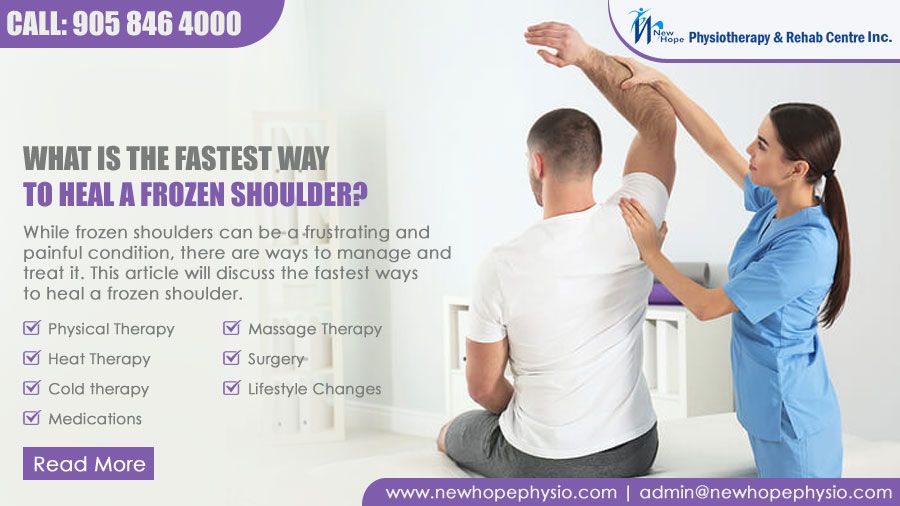
Credit: www.newhopephysio.com
Physical Therapy Benefits
Physical therapy can help prevent frozen shoulder after an injury by maintaining shoulder mobility and flexibility. Regular exercises and stretches keep joints loose and promote healing. Gradual movements reduce stiffness, aiding in recovery and preventing further complications.
Physical therapy offers numerous benefits for preventing frozen shoulder after an injury. It helps restore movement and reduce pain. Regular therapy sessions can significantly improve shoulder function. Therapists use various techniques to aid recovery. These methods ensure the shoulder remains flexible and strong. Let’s explore some key benefits of physical therapy.Improved Range Of Motion
Physical therapy exercises gently stretch the shoulder. This improves its range of motion. Consistent stretching prevents stiffness. It also maintains joint flexibility. Stretching under guidance ensures safety and effectiveness.Pain Reduction
Therapists use manual techniques to reduce pain. Massage and manipulation relieve tension. They also decrease inflammation in the shoulder. Pain reduction helps patients engage in daily activities.Strength Building
Strengthening exercises are crucial in therapy. They focus on shoulder muscles and surrounding areas. Strong muscles support the joint better. This reduces the risk of developing a frozen shoulder.Personalized Treatment Plans
Each patient’s needs are unique. Therapists create personalized plans for recovery. These plans consider the severity of the injury. Tailored treatments lead to better outcomes.Education And Self-management
Therapists educate patients on shoulder care. They teach self-management techniques. Patients learn exercises to do at home. This knowledge promotes long-term shoulder health.Prevention Of Future Injuries
Therapy not only treats but also prevents injuries. Patients learn proper movement techniques. This reduces the risk of future shoulder problems. A proactive approach ensures lasting health benefits.Role Of Medication
Medication plays a vital role in preventing frozen shoulder after an injury. It helps reduce pain and inflammation, promoting better joint mobility. Regular use can aid in maintaining flexibility and preventing stiffness.
Dealing with a shoulder injury can be challenging, especially when the risk of developing a frozen shoulder is looming. Medication plays a crucial role in managing pain and inflammation, potentially preventing the onset of a frozen shoulder. By understanding how different medications work, you can make informed decisions that support your recovery journey.Over-the-counter Pain Relievers
Over-the-counter (OTC) pain relievers like ibuprofen and acetaminophen can be your first line of defense. They help reduce inflammation and manage pain levels. Have you ever found that your shoulder feels significantly better after taking them? This is because they target the chemicals in your body that cause pain and swelling.Prescription Medications
If OTC medications aren’t enough, your doctor might prescribe something stronger. Prescription medications, such as stronger anti-inflammatory drugs or muscle relaxants, can be more effective in managing severe pain. It’s important to follow your doctor’s instructions carefully. Misusing these medications can lead to unwanted side effects or dependency.Corticosteroid Injections
Corticosteroid injections can be a game-changer for reducing inflammation in the shoulder. These injections deliver powerful anti-inflammatory medication directly to the affected area. Have you ever wondered how athletes recover so quickly from injuries? Corticosteroid injections often play a part in their speedy recovery. However, they should be used sparingly to avoid potential side effects.Topical Medications
Topical medications, such as creams or patches, provide localized pain relief. They are particularly useful if you prefer not to take oral medications. Think of that cooling sensation from a menthol cream that eases the pain instantly. These topical solutions can be a convenient addition to your pain management toolkit.Combining Medication With Other Treatments
Medication alone might not be enough to prevent a frozen shoulder. Combining it with physical therapy or gentle stretching can enhance your recovery. Have you tried pairing your medication with a regular exercise routine? This combination often results in improved flexibility and reduced pain over time.Monitoring And Adjusting Your Medication
Regularly assess how your medication is affecting your recovery. Are you noticing significant improvements, or do you still struggle with pain? Don’t hesitate to discuss any concerns with your healthcare provider. Adjusting your medication plan could be the key to a smoother recovery and preventing a frozen shoulder.Home Remedies
Gentle stretching can ease stiffness and improve shoulder mobility after injury. Applying a warm compress helps relax the muscles. Incorporate light exercises gradually to maintain flexibility and prevent frozen shoulder.
Dealing with a frozen shoulder after an injury can be both frustrating and painful. The good news is, you don’t necessarily have to rely solely on medications or surgical interventions. There are effective home remedies that can help alleviate discomfort and improve mobility. These natural approaches can be easily integrated into your daily routine, offering relief and potentially preventing further complications. Let’s dive into some practical solutions that you can start today.Heat And Cold Therapy
Alternating between heat and cold therapy can significantly reduce shoulder stiffness and pain. Applying a warm compress or heating pad to your shoulder for about 15 minutes can help relax tight muscles and improve blood circulation. Following up with an ice pack for another 15 minutes can reduce swelling and numb the area, providing relief from acute pain. Remember to wrap any heating or cooling device in a cloth to protect your skin.Herbal Remedies
Certain herbs are known for their anti-inflammatory properties, which can be beneficial for a frozen shoulder. Turmeric, for example, is a powerful anti-inflammatory agent; adding it to your diet or taking it as a supplement can support healing. Additionally, ginger tea can not only warm you up but also potentially reduce inflammation and pain. Why not experiment by incorporating these herbs into your meals or teas? You might be surprised at the difference they make. Have you tried any of these remedies, or do you have other natural solutions that work for you?Lifestyle Modifications
Gentle stretching exercises can help maintain shoulder mobility. Regular movement reduces stiffness and improves blood flow. Avoid heavy lifting until the shoulder heals.
Preventing a frozen shoulder after an injury requires more than just medical intervention; it calls for strategic lifestyle modifications. These changes can help enhance your recovery and protect your shoulder from stiffness and pain. Imagine waking up one morning and realizing your shoulder isn’t as mobile as it used to be—what would you do differently? From tweaking your diet to rearranging your workspace, these small adjustments can make a big difference.Dietary Considerations
What you eat can significantly impact your recovery process. Focus on anti-inflammatory foods like leafy greens, berries, and nuts. These not only help in reducing inflammation but also aid tissue repair. You might also want to consider adding omega-3 fatty acids found in fish or flaxseeds to your meals. Hydration is crucial, too. Keeping your body hydrated ensures your muscles and joints remain lubricated. Have you ever felt muscle stiffness vanish after drinking enough water? It’s no coincidence; staying hydrated can be your secret weapon against a frozen shoulder.Ergonomic Adjustments
Assess your workspace and make it shoulder-friendly. Adjust your chair and desk to ensure you’re not straining your shoulder. Your computer monitor should be at eye level, and your keyboard should be within easy reach. Consider using supportive seating that encourages proper posture. Have you noticed how a poorly designed chair can lead to discomfort and shoulder strain? A few tweaks to your workspace can spare your shoulder from unnecessary stress. Don’t forget about your sleeping arrangements. Sleeping on your back or using a supportive pillow can also make a difference. Have you found yourself waking up with shoulder pain after sleeping on your side? Switching positions might be just the lifestyle modification you need. These practical changes can be simple yet powerful in preventing a frozen shoulder, empowering you to take charge of your recovery journey.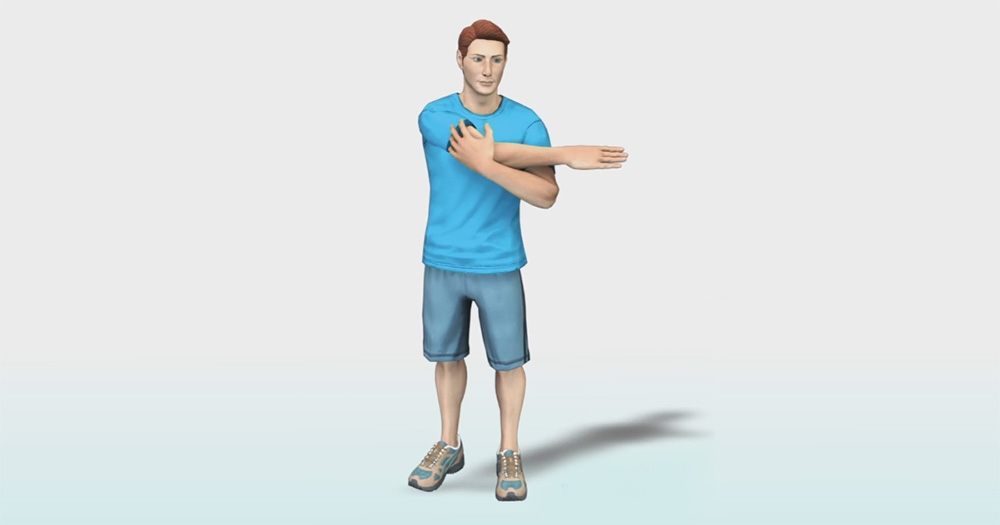
Credit: www.ortho1.com
When To Seek Medical Help
Frozen shoulder can develop after an injury. Knowing when to seek medical help is vital. Early intervention prevents complications and promotes recovery.
Seek Help For Persistent Pain
If shoulder pain lasts more than a week, consult a doctor. Persistent pain might indicate underlying issues.
Consult For Limited Movement
Watch For Swelling And Redness
Swelling or redness around the shoulder requires attention. These symptoms could suggest inflammation or infection.
Get Help For Nighttime Discomfort
Difficulty sleeping due to shoulder pain is concerning. Seek medical advice to address the issue.
Ask For Guidance On Self-care
Unsure about home remedies? Professionals can provide guidance on effective self-care strategies.
Consider Physical Therapy
Physical therapy can be beneficial for recovery. A healthcare provider can recommend suitable exercises.
Frequently Asked Questions
What Causes A Frozen Shoulder After Injury?
A frozen shoulder can develop when the shoulder remains immobile. This lack of movement can lead to stiffness. Scar tissue may form, which restricts motion. Inflammation can also contribute to the condition. Ensuring proper rehabilitation is crucial to prevent this issue.
How Can I Prevent Frozen Shoulder Naturally?
To prevent a frozen shoulder naturally, maintain gentle movement. Stretch regularly to keep muscles flexible. Apply heat to reduce stiffness and improve circulation. Practicing good posture can also help. Avoid prolonged immobility and consult a physical therapist if needed.
Is Physical Therapy Effective For Frozen Shoulder?
Yes, physical therapy can be very effective. Therapists guide you through exercises to improve mobility. They focus on stretching and strengthening the shoulder. Regular sessions can significantly reduce stiffness. A personalized therapy plan accelerates recovery.
How Long Does It Take To Recover From Frozen Shoulder?
Recovery from a frozen shoulder can take several months. Some may experience improvement in six months. Others might take up to a year. Consistent rehabilitation and exercises are crucial. Each individual’s recovery timeline can vary.
Conclusion
Preventing frozen shoulder after an injury is crucial for recovery. Simple steps help avoid this painful condition. Regular movement keeps your shoulder flexible. Gentle exercises reduce stiffness and increase mobility. Consistent physical therapy can support healing. Listen to your body and rest when needed.
Avoid overexertion to prevent setbacks. Stay patient and committed to your routine. Early action ensures better shoulder health. Keep your shoulder strong and flexible. These efforts lead to a smoother recovery journey. Remember, small steps make a big difference. Follow these tips for a healthier shoulder after injury.