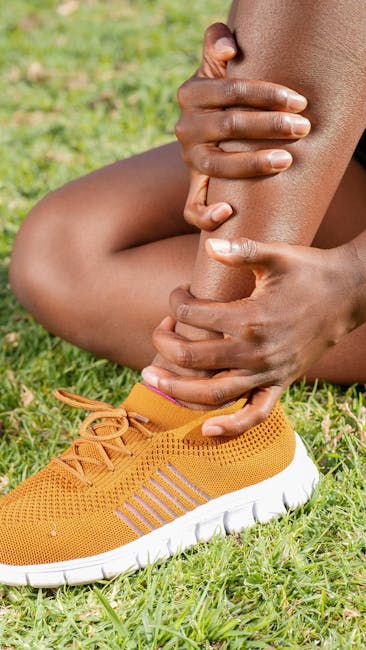
Running is one of the most accessible forms of exercise, offering a multitude of benefits for both body and mind. Yet, nothing can derail your progress faster than a foot injury.
Whether you’re a seasoned marathoner or just starting to hit the pavement, you need to know how to keep your feet safe. Ignoring the warning signs or pushing through the pain can lead to more serious issues down the road.
You might think you’re invincible, but even a small misstep can lead to significant setbacks. Imagine the frustration of being sidelined, watching your hard-earned progress slip away. You can prevent this. Discover proven strategies to protect your feet and keep running pain-free. Don’t let an avoidable injury stop you from reaching your fitness goals. Read on, and take the first step towards safer, smarter running.

Credit: www.benchmarkphysio.com
Choose The Right Footwear
Selecting proper running shoes can help avoid foot injuries. Ensure they fit well and support your arches. Opt for shoes with good cushioning to absorb impact and reduce strain.
Choosing the right footwear is crucial for preventing foot injuries during running. Your shoes serve as the foundation for your feet. They provide support, stability, and comfort. Wearing the wrong shoes can lead to blisters, sprains, and other injuries. Thus, understanding how to select the right footwear is essential for every runner.Importance Of Proper Fit
A proper fit ensures comfort and reduces injury risk. Shoes that are too tight can cause blisters and pain. Loose shoes may lead to instability and falls. Check for a snug fit around the heel. Ensure there is space for your toes to move. Your feet swell during a run, so consider this when sizing. A thumb’s width from the toe to the shoe’s end is ideal.Selecting Shoes For Terrain
Consider the terrain where you run most often. Different surfaces require different footwear. Trail running shoes offer better grip and protection. They are suitable for rough or uneven paths. Road running shoes are lighter and designed for flat, hard surfaces. For mixed terrains, choose versatile shoes. They provide adequate support for various conditions. Always ensure your shoes match the surface you run on. Understanding these aspects helps in choosing the right footwear. This prevents injuries and enhances your running experience.Warm-up And Stretching
Running is a popular way to stay fit. It can lead to foot injuries if not done correctly. Warm-up and stretching are crucial to prevent these injuries. They prepare your muscles and joints for the activity ahead. A proper warm-up increases blood flow. Stretching enhances flexibility, reducing the risk of strain.
Dynamic Warm-up Exercises
Dynamic warm-up exercises are ideal for runners. They involve movement and mimic running actions. These exercises activate your muscles and joints efficiently.
- Leg swings: Stand and swing one leg forward and backward.
- High knees: Jog in place, lifting knees high with each step.
- Butt kicks: Jog slowly while kicking heels towards your glutes.
- Walking lunges: Step forward into a lunge, alternating legs.
Targeted Stretching Techniques
Stretching after warming up is essential. It focuses on key muscle groups used in running. Targeted stretching prevents tightness and enhances performance.
- Calf stretches: Push against a wall, keeping one heel on the ground.
- Quadriceps stretch: Stand, bend one knee, and hold your ankle behind you.
- Hamstring stretch: Sit on the ground, stretch one leg out, and reach for your toes.
- Hip flexor stretch: Kneel on one knee, push hips forward gently.
Focus On Running Form
Proper running form is crucial to avoid foot injuries. Maintain a midfoot strike to reduce impact stress. Keep your stride short and quick for efficient movement.
Running form plays a crucial role in preventing foot injuries. By focusing on proper techniques, runners can reduce strain and enhance performance. Let’s explore some essential elements of running form to keep your feet injury-free.Proper Posture Techniques
Maintaining a straight posture is vital while running. Keep your head up and look ahead, not at your feet. Your shoulders should be relaxed, not hunched. This helps reduce tension in your neck and back. Engage your core to support your upper body. A strong core aids in balance and stability.Arm And Foot Movement
Arm movement is essential for balance and rhythm. Swing your arms naturally at your sides. Keep them bent at a 90-degree angle. Avoid crossing them over your chest. Your hands should move from your waist to your chest level. Foot placement affects your running efficiency. Land softly on the midfoot, not the heel. This reduces impact and stress on your joints. Aim for a quick, light stride. Shorten your stride to increase speed and efficiency. This minimizes the risk of overstriding, which can lead to injury.Gradual Increase In Intensity
Gradually increasing running intensity helps prevent foot injuries. Start slow and build up speed and distance over time. Listen to your body and adjust your pace accordingly.
Gradual Increase in Intensity If you’re new to running or looking to amp up your routine, it’s crucial to increase your intensity gradually. Jumping straight into high mileage or speed can lead to foot injuries, which can sideline you for weeks. By taking a measured approach, you can enhance your performance while keeping your feet safe.Safe Mileage Increment
A common guideline for runners is to increase your weekly mileage by no more than 10%. This method allows your body to adjust to the additional strain without overwhelming your feet. Imagine last week you ran 20 miles; this week, you should aim for no more than 22 miles. Keeping a running log can help you track your progress and ensure you’re sticking to safe limits. Regularly assess how your body feels and listen to any warning signs like persistent aches or fatigue.Pacing Strategies
Running isn’t just about how far you go but how you distribute your energy. Consistent pacing can prevent unnecessary stress on your feet. Consider integrating interval training into your routine. For example, alternate between moderate and fast paces to build endurance gradually. Always start and finish your runs with a slower pace to give your muscles and joints time to adjust. Have you ever thought about how a good pacing strategy could transform your running experience? By focusing on how you pace yourself, you can enjoy running without compromising your foot health.Strengthening Foot Muscles
Strengthening your foot muscles is crucial for preventing injuries while running. The stronger your feet are, the better they can handle the impact of each stride. By focusing on specific exercises and techniques, you can enhance your foot stability and balance, reducing the risk of injuries.
Exercises For Stability
Building stability in your feet starts with simple exercises that you can do anywhere. Try toe curls by placing a towel on the floor and using your toes to scrunch it up. This improves the grip and strength of your toes.
- Arch lifts:Stand with feet flat and lift your arches while keeping your heels and toes on the ground. This strengthens the muscles along the foot’s length.
- Heel raises:Raise up onto your toes, hold for a moment, then slowly lower down. This targets your calf muscles and the intrinsic muscles in your feet.
These exercises not only build strength but also improve your foot’s ability to stabilize itself during running.
Balance Improvement Techniques
Enhancing balance is key to preventing foot injuries. One technique is standing on one foot with eyes closed. This challenges your body’s ability to balance without visual cues.
Try incorporating balance boards into your routine. Standing on a wobble board engages all the muscles in your feet as you work to keep it stable.
- Single-leg squats:Perform squats on one leg to improve your balance and strength simultaneously.
- Yoga poses:Poses like the tree pose or warrior III are excellent for developing balance.
Imagine the confidence you’ll gain as your balance improves. Wouldn’t it be amazing to feel secure with every step?
Credit: trainright.com
Listen To Your Body
Running is a fantastic way to stay fit and healthy. But it can sometimes lead to foot injuries. To avoid these, it’s crucial to listen to your body. This means paying attention to any discomfort or pain during your runs. Your body sends signals to alert you when something isn’t right. Ignoring these signals can lead to more serious injuries. So, tuning into your body’s messages is key to preventing foot injuries.
Recognizing Early Signs Of Injury
Understanding the early signs of injury is vital. Watch out for persistent pain in your feet. Swelling or redness can also be a warning sign. If you feel a sharp or sudden pain, it might be time to slow down. Listen if your foot feels different from the usual. These signs are your body’s way of telling you to take action before it gets worse.
Rest And Recovery Importance
Rest is a powerful tool for preventing injuries. Giving your body time to recover can help heal minor strains. Schedule regular rest days in your running routine. Your muscles and joints need time to repair. This helps avoid overuse injuries. Proper recovery allows your body to strengthen and adapt. It prepares you for your next run without risk.
Utilize Supportive Gear
Select the right supportive gear to reduce foot injuries while running. Choose shoes with proper cushioning and arch support.
Running is an excellent way to stay fit, but it can also lead to foot injuries if you’re not careful. A crucial step in preventing these injuries is to utilize supportive gear. The right gear can provide additional cushioning, improve alignment, and reduce strain on your feet. Investing in quality equipment not only enhances your performance but also safeguards your health.Benefits Of Orthotics
Orthotics can be a game-changer for runners. They are specially designed inserts that you place inside your shoes to provide extra support. These inserts can correct foot imbalances, reduce pain, and prevent injuries by aligning your feet properly. Imagine running with less pain and more stability. Orthotics can offer this by absorbing shock and reducing pressure on your feet. Consider getting custom orthotics from a podiatrist for the best fit and support.Compression Socks And Sleeves
Compression socks and sleeves are more than just a trend—they are a valuable tool for runners. They improve blood circulation, which can help reduce muscle soreness and fatigue. This means you can run longer and recover faster. Have you ever felt your legs swelling during a long run? Compression gear can help minimize this by supporting your muscles and enhancing oxygen flow. Plus, they can keep your legs warm during cold weather runs. Incorporating supportive gear into your running routine can make a significant difference. Whether it’s orthotics or compression gear, these tools can help keep you on track and injury-free. So, what gear will you choose for your next run?
Credit: shorelineptnc.com
Running Surface Considerations
Running can be a joyful activity, but the surface you choose matters. Different terrains impact your feet differently. Weather conditions also play a role. Let’s explore how these factors influence foot health.
Impact Of Different Terrains
Running on varied surfaces changes the stress on your feet. Asphalt is smooth but hard. It can cause repetitive stress injuries. Grass is softer. It absorbs shock, reducing impact. Trail running offers uneven surfaces. It builds ankle strength and balance. Sand is challenging. It demands more from muscles, aiding strength.
Adapting To Weather Conditions
Weather affects running surfaces. Rain makes trails slippery. Choose shoes with good grip. Snow can cover hazards. Wear insulated shoes for warmth. Heat affects asphalt. It becomes softer, increasing strain. On hot days, run early or late. Cold weather hardens the ground. Opt for cushioned shoes for comfort.
Frequently Asked Questions
What Are Common Foot Injuries From Running?
Common foot injuries from running include plantar fasciitis, Achilles tendonitis, and stress fractures. These injuries often result from improper footwear, overuse, or inadequate warm-ups. Ensuring proper technique and wearing supportive shoes can help prevent these issues. Regular stretching and strengthening exercises are also beneficial for foot health.
How Can I Choose The Right Running Shoes?
Choosing the right running shoes is crucial for injury prevention. Look for shoes that offer proper arch support and cushioning. Visit a specialty store for a gait analysis to find shoes that match your foot type and running style. Replace shoes every 300-500 miles to maintain support and cushioning.
Why Is Stretching Important Before Running?
Stretching is important before running because it prepares your muscles and joints for activity. It increases flexibility and blood flow, reducing the risk of injuries. Focus on dynamic stretches that target the feet, ankles, and calves. Stretching also improves your performance and recovery, making your runs more enjoyable and effective.
How Can I Strengthen My Feet For Running?
Strengthening your feet for running involves exercises like toe curls, calf raises, and ankle circles. These exercises improve stability and prevent injuries. Incorporate them into your routine 2-3 times a week. Strong feet contribute to better running form and reduce the likelihood of stress-related injuries.
Conclusion
Running safely starts with smart choices. Wearing the right shoes matters. Stretching keeps muscles flexible and strong. Listening to your body prevents injuries. Rest is crucial; tired feet need a break. Gradually increasing distance reduces stress on feet. Proper form helps avoid unnecessary strain.
Hydration supports muscle health and recovery. Paying attention to surfaces prevents slips and trips. Regular check-ins with a professional can help. Small changes make a big difference. Keep running enjoyable, safe, and injury-free. Your feet will thank you. Embrace mindful running and stay active.
Happy running!