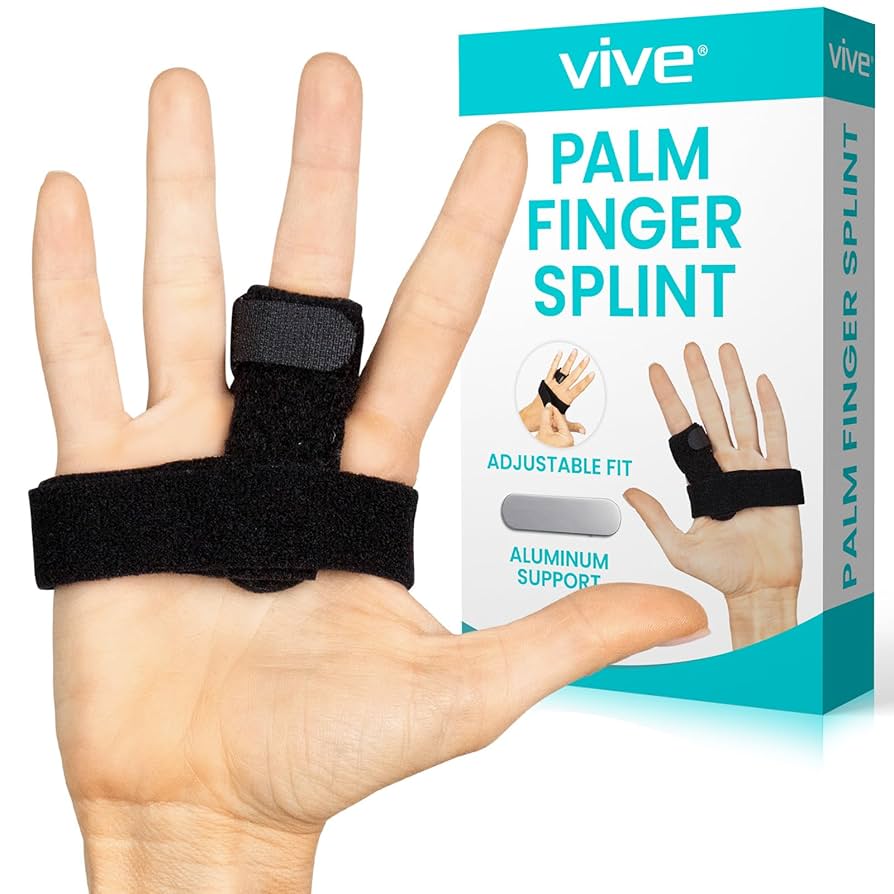
Imagine this: You’re in the middle of a busy day, juggling tasks like a pro, when suddenly—ouch! A sharp pain shoots through your finger.
Finger injuries can happen to anyone at any time, and they can disrupt your daily routine in a heartbeat. Whether you’re typing away at your desk, cooking a delicious meal, or playing your favorite sport, your fingers are constantly on the front line.
You might not realize just how much you rely on them until an injury slows you down. But here’s the good news: you can take simple, effective steps to protect your fingers and keep them in peak condition. You’ll discover practical tips to prevent finger injuries, ensuring you stay active and pain-free. Don’t let a small injury sideline your big plans—read on to learn how to keep your fingers safe and strong!
Common Causes Of Finger Injuries
Finger injuries are common and can happen in various situations. Understanding the causes helps in preventing them. Everyday activities and accidents often lead to finger injuries. Being aware can keep your fingers safe and healthy.
Physical Activities And Sports
Many injuries occur during sports and physical activities. Fingers can get jammed or sprained easily. Playing basketball or volleyball often leads to these injuries. Proper technique and protective gear reduce risks.
Workplace Accidents
Injuries in the workplace are frequent. Especially in jobs involving machinery or heavy tools. Fingers can get caught or crushed. Following safety protocols helps in minimizing accidents.
Home Improvement And Diy Projects
DIY projects at home can be risky. Using tools without care leads to cuts or fractures. Simple precautions, like wearing gloves, make tasks safer.
Falls And Trips
Falling can result in finger injuries. Trying to catch yourself can jam or bend fingers. Keeping walkways clear prevents tripping hazards.
Improper Use Of Tools
Using tools incorrectly often causes injuries. Fingers can get pinched or cut easily. Learning proper usage ensures safer handling.
Contact Sports
Contact sports pose a high risk. Fingers can be bent or broken in tackles or collisions. Wearing protective gear is essential for safety.
Repetitive Motion Activities
Typing or playing musical instruments can strain fingers. Overuse leads to swelling and pain. Taking breaks and stretching reduces strain.
Protective Gear Essentials
Finger injuries can disrupt daily life. Protective gear is key to prevention. Knowing the right gear for each activity is crucial. It keeps fingers safe and reduces injury risk.
Gloves For Different Activities
Gloves come in many types. For gardening, choose thick gloves. They protect against thorns and sharp tools. Sports gloves are designed for grip and comfort. They help prevent blisters and friction burns. For construction, durable gloves are essential. They shield fingers from heavy materials and tools.
For cold weather, insulated gloves are best. They keep fingers warm and flexible. Work gloves often have reinforced fingertips. This adds extra protection during heavy tasks. Choose gloves that fit well. Loose gloves can cause accidents.
Using Finger Guards
Finger guards offer extra protection. They’re great for tasks involving sharp tools. Chefs use them to avoid cuts while chopping. Woodworkers benefit from guards during carving. Guards are adjustable. They fit different finger sizes.
Some guards are made of metal. These are tough and durable. Plastic guards are lightweight and easy to clean. Choose guards based on your activity. They provide peace of mind and safety. Finger guards are simple to use. They slip on and off easily.
Safe Handling Techniques
Finger injuries can be painful and frustrating. Safe handling techniques can help prevent these injuries. Whether lifting boxes or using tools, knowing the right methods is essential. Learn some simple tips to keep your fingers safe and sound.
Proper Lifting And Carrying
Lift with your legs, not your back. Bend your knees and keep the load close. Avoid twisting while carrying. Hold objects at waist level. Use both hands for better control. If it’s too heavy, ask for help. Use dollies or carts for large items. Keep paths clear of obstacles.
Safe Tool Usage
Always use the right tool for the job. Check tools for damage before use. Wear gloves when necessary. Keep hands clear of moving parts. Store tools properly after use. Never use broken or faulty tools. Read instructions for new tools. Maintain a firm grip while working. Ensure good lighting in your work area.
Workplace Safety Practices
Workplace safety practices are vital for preventing finger injuries. These practices ensure a safer work environment. They also promote efficiency and productivity. Implementing safety measures protects employees from harm. It reduces the risk of accidents. Employers must prioritize these practices for the well-being of their staff.
Ergonomic Workstations
Ergonomic workstations play a key role in preventing injuries. They provide comfort and support. Adjustable chairs and desks help maintain good posture. Proper keyboard and mouse placement reduces strain. Use wrist rests to minimize pressure. This setup decreases the risk of repetitive strain injuries.
Ensure monitors are at eye level. This prevents neck strain. Provide adequate lighting to reduce eye strain. Encourage regular breaks to stretch and relax. These changes create a safer and healthier workspace.
Regular Safety Training
Regular safety training is essential for all employees. It raises awareness of potential hazards. Training sessions teach correct equipment handling. They also cover emergency procedures. Employees learn how to identify risks.
Hands-on exercises help reinforce learning. Conducting drills prepares staff for real situations. Encourage feedback to improve training sessions. Updated training keeps everyone informed about new safety protocols. This ensures a continuous commitment to safety.
Sports And Recreational Safety
Engaging in sports and recreational activities is a fantastic way to stay active and healthy. However, these activities often come with risks, especially when it comes to finger injuries. Whether you’re playing basketball, tennis, or even participating in a casual game of Frisbee, protecting your fingers should be a priority. By focusing on safety measures, you can enjoy your favorite sports without unnecessary pain or interruption.
Warm-up Exercises
Before diving into any sport, it’s crucial to prepare your body. Warm-up exercises are not just for your legs and arms. Your fingers need attention too. Try simple stretches like making a fist and then spreading your fingers wide. Repeat this a few times to get your muscles ready.
You can also rotate your wrists gently, which can help loosen up the joints in your fingers. A few minutes spent on these exercises can make a significant difference. Imagine preventing that annoying finger strain from catching a ball awkwardly. It’s worth the effort, right?
Choosing The Right Equipment
Using the correct equipment is a game-changer for finger safety. Consider the gloves you wear in sports like baseball or cycling. Are they providing enough protection? Investing in quality gloves can prevent blisters and cuts.
For sports like rock climbing, make sure your gear fits well. Ill-fitting equipment can lead to unnecessary strain on your fingers. Remember, comfort and protection should go hand-in-hand. Think about how much smoother your grip will be with the right gear.
Have you ever experienced a finger injury that could have been avoided with better equipment? Share your thoughts and let’s help each other stay safe!
Home Safety Tips
Finger injuries can happen easily at home. Simple precautions can help avoid them. These home safety tips focus on keeping fingers safe. Implementing these will make your living space safer.
Childproofing Measures
Kids are curious and love exploring. Secure cabinets with locks or latches. Keep sharp objects out of reach. Use soft corner protectors on furniture edges. Install door stoppers to prevent finger pinches. Ensure safety gates are in place for staircases. These measures protect little fingers from harm.
Safe Use Of Household Tools
Tools can be dangerous if not used properly. Always read the manual before using any tool. Wear protective gloves for added safety. Keep tools organized and stored securely. Ensure blades are sharp to prevent slips. Use tools in well-lit areas to see clearly. Handle power tools with caution. These practices reduce the risk of finger injuries.
First Aid For Finger Injuries
Proper protective gear is essential to safeguard fingers during physical activities. Regular breaks help prevent strain and fatigue. Ensure tools and equipment are in good condition to avoid accidents.
Finger injuries can be sudden and unexpected, leaving you in discomfort or even pain. Knowing how to administer first aid can make a significant difference in your recovery. Whether it’s a minor cut or a more serious injury, having the right knowledge can prevent complications and promote healing.Immediate Steps To Take
When a finger injury occurs, it’s crucial to act swiftly. Clean the wound immediately with water to remove any dirt or debris. This helps to prevent infection, which can complicate recovery. If there’s bleeding, apply gentle pressure with a clean cloth or bandage. Elevate the injured finger above heart level to reduce swelling. If the pain is intense, over-the-counter pain relief can be helpful. Always keep a basic first-aid kit handy at home or in your car for quick access. Have you ever been caught without one when you needed it most?When To Seek Medical Help
Not all finger injuries require professional attention, but knowing when to seek help is vital. If you notice excessive swelling, severe pain, or an inability to move the finger, it might be time to consult a healthcare professional. These could be signs of a more serious injury, like a fracture or ligament damage. Additionally, if a wound is deep, won’t stop bleeding, or shows signs of infection—such as redness, warmth, or pus—medical intervention is necessary. Trust your instincts; if something feels off, it’s better to be cautious and get it checked out.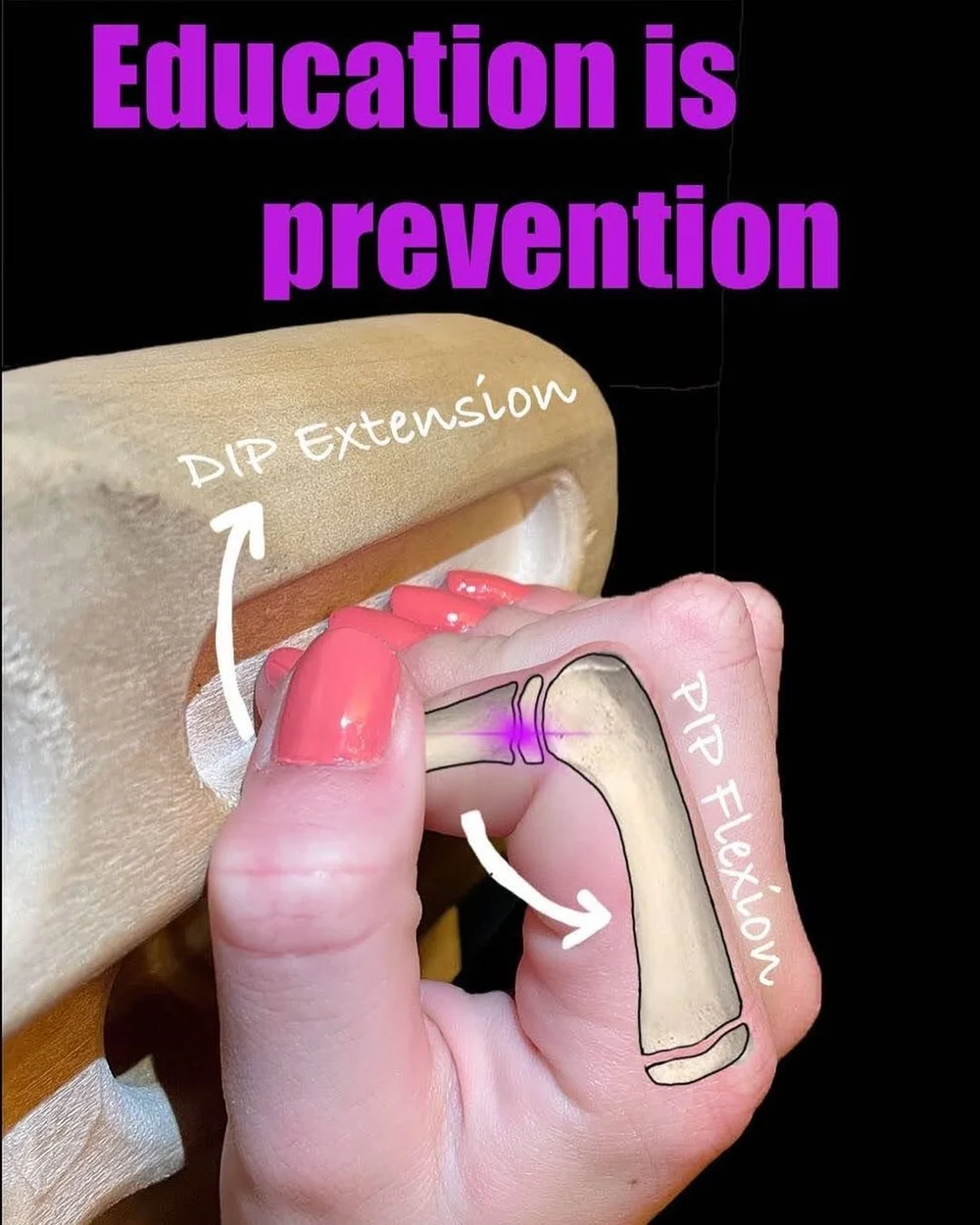
Credit: www.camp4humanperformance.com
Strengthening And Flexibility Exercises
Regular strengthening and flexibility exercises can help prevent finger injuries. Simple stretches and gentle resistance movements enhance dexterity. These practices boost finger health and resilience over time.
Strengthening and flexibility exercises are essential to preventing finger injuries. By dedicating time to these exercises, you can improve your finger strength and dexterity, making them more resilient. When you regularly practice these exercises, your fingers become less prone to strains and sprains, especially during activities that require a lot of hand movement. As someone who has experienced a finger injury while playing guitar, I found that these exercises not only helped in recovery but also improved my playing skills significantly. Have you ever thought about how strong and flexible your fingers really are?Simple Finger Exercises
Start with simple exercises that you can do anywhere. Try making a fist and then spreading your fingers wide. This helps build strength and flexibility. Another effective exercise is to tap each finger to your thumb in sequence, like you’re playing a piano. This boosts coordination and finger independence.
Use a stress ball to squeeze and release multiple times. This is great for building grip strength. You can also try rolling a small ball between your fingers using only your fingertips. It sounds easy, but it really works those small muscles!
Incorporating Stretching Routines
Stretching is crucial for keeping your fingers agile. Stretch each finger gently by pulling it back with the opposite hand. Hold for a few seconds and release. This helps in improving flexibility and reducing tension.
Consider using a rubber band to stretch your fingers. Place it around your fingers and then try to spread them apart. It’s a simple way to increase stretch and prevent stiffness.
Regularly rotate your wrists and stretch your forearms too. These areas support your finger movements and are often overlooked. By focusing on these areas, you can enhance overall hand flexibility.
What routines have you tried to keep your fingers injury-free and agile? Share your insights and see how they compare to these exercises.
Expert Advice And Recommendations
Protect fingers by wearing gloves during activities like gardening or construction. Regular breaks and stretches reduce strain and avoid injuries. Ensure proper technique when using tools to minimize risk and safeguard your hands effectively.
Preventing finger injuries is crucial for maintaining your daily productivity and comfort. Expert advice can greatly enhance your understanding of how to protect your fingers effectively. Here, we’ll explore valuable insights from professionals who know best.Consulting With Healthcare Professionals
It’s wise to seek guidance from healthcare professionals. They can offer personalized advice tailored to your unique needs and lifestyle. After all, who better to guide you than someone with years of experience in treating hand and finger injuries? Consider scheduling a consultation with a physiotherapist or occupational therapist. These experts can assess your current finger health and suggest exercises to improve strength and flexibility. Your proactive steps today can help prevent painful injuries tomorrow.Staying Informed On Best Practices
Staying informed is key to preventing finger injuries. Regularly check reliable sources for updates on the best practices for hand care. Simple changes in your routine can make a significant difference. Think about the tools and equipment you use daily. Are they ergonomically designed? Ensuring that your workspace is finger-friendly can help reduce strain. Small adjustments, like using padded grips or adjustable desks, can protect your fingers from unnecessary stress. Engage with community forums and online groups focused on hand health. Sharing experiences and tips can provide you with practical insights that you might not find elsewhere. What new tip could transform the way you care for your fingers?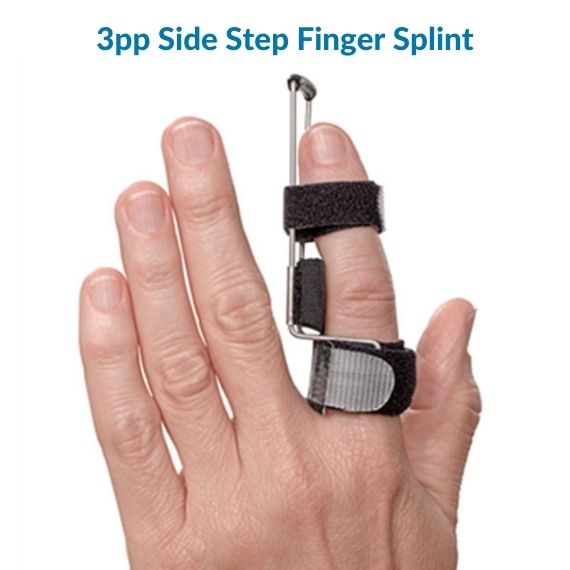
Credit: www.ohmyarthritis.com
Credit: www.grassrootsphysicaltherapy.com
Frequently Asked Questions
What Exercises Strengthen Fingers?
Exercises like finger stretches and grip strengthening can enhance finger dexterity. These activities improve flexibility and reduce injury risk. Incorporating tools like stress balls or rubber bands can be beneficial. Regular practice ensures better finger health and strength. Consistency is key to seeing long-term benefits.
How Can I Avoid Finger Sprains?
Avoiding finger sprains involves being cautious during physical activities. Wearing protective gear during sports and using ergonomic tools can help. Proper warm-ups before intense activities are essential. Listening to your body and avoiding overuse reduces the risk. Always prioritize safety to prevent injuries.
Are Finger Injuries Common In Sports?
Yes, finger injuries are common in sports due to high impact and strain. Activities like basketball or rock climbing pose risks. Using protective gear and practicing proper techniques can minimize injuries. Regular training and conditioning also aid in prevention. Awareness and preparation are crucial for safety.
How Do Ergonomic Tools Help Fingers?
Ergonomic tools are designed to reduce strain and promote natural hand positions. They minimize repetitive stress and enhance comfort. Using such tools can prevent injuries and improve efficiency. They are especially beneficial for those working long hours on computers. Investing in ergonomic tools is a proactive approach to health.
Conclusion
Protecting your fingers is essential for daily activities. Simple steps make a big difference. Wear protective gear during risky tasks. Stretch and strengthen your fingers regularly. Be mindful of your actions. Use ergonomic tools to reduce strain. Pay attention to any signs of discomfort.
Quick response prevents serious issues. Keep your work area safe and organized. Educate yourself about proper techniques. Healthy fingers lead to a smoother life. Prevention is always better than cure. Practice these habits consistently. Your fingers will thank you. Stay safe and injury-free.