
Imagine the peace of mind that comes with knowing your home and workplace are safe from electrical hazards. Electrical injuries can happen in an instant, turning a normal day into a crisis.
But here’s the good news: you have the power to prevent them. By understanding a few simple practices, you can protect yourself, your family, and your colleagues from potential dangers. This guide will walk you through essential tips and tricks to keep electrical injuries at bay.
Are you ready to make your environment safer and more secure? Let’s dive in and explore how you can take control and ensure safety for everyone around you.

Credit: www.esfi.org
Common Causes Of Electrical Injuries
Electrical injuries are a serious concern. They can lead to severe harm. Understanding common causes helps in prevention. Many incidents occur due to faulty wiring, overloaded circuits, or damaged appliances. Identifying these risks can save lives and property.
Faulty Wiring
Faulty wiring is a major hazard. It often results from poor installation. Old buildings might have outdated wiring. Exposed wires increase the risk of shocks. Regular inspections are crucial. Ensure wires are intact and properly insulated.
Overloaded Circuits
Overloaded circuits can cause fires. They occur when too many devices use a single outlet. This leads to overheating. Circuit breakers may trip, causing outages. Avoid using multiple high-power devices together. Spread them across different circuits.
Damaged Electrical Appliances
Damaged appliances pose a threat. Frayed cords or broken plugs are risky. Water exposure can cause short circuits. Regularly check your appliances for wear and tear. Replace damaged items promptly. Maintain them to ensure safety.
Identifying Electrical Hazards
Stay safe by recognizing electrical hazards like exposed wires and water near outlets. Regularly check equipment for damage.
Identifying electrical hazards is crucial for safety. They often go unnoticed but can cause serious harm. Awareness is the first step in prevention. Knowing where these dangers hide helps protect your space.Signs Of Potential Risks
Look for frayed wires. They expose conductors and increase shock risks. Check for sparks or smoke. These indicate faulty wiring. Listen for buzzing sounds. They suggest loose connections. Notice heat around outlets. It signals overload or damage. Inspect for discolored switches. They hint at overheating issues.High-risk Areas In Homes And Workplaces
Kitchens pose threats due to water and appliances. Bathrooms risk shocks from hairdryers near sinks. Garages have power tools and extension cords. Offices face hazards with computer cables and printers. Factories contain heavy machinery and high voltage systems. Construction sites use temporary wiring and equipment. Each area requires vigilance and safety measures.Basic Electrical Safety Tips
Electrical injuries can occur without warning. Following basic safety tips is crucial. Simple measures can prevent accidents and ensure safety. Below are some essential tips to keep you and your home safe.
Proper Use Of Electrical Appliances
Read and follow the manufacturer’s instructions. Always unplug appliances when not in use. Ensure appliances are in good working condition. Keep them away from water to avoid shock.
Use appliances for their intended purpose. Overloading them can cause damage and hazards. Choose appliances with safety certifications. This ensures they meet safety standards.
Safe Handling Of Cords And Plugs
Inspect cords for any signs of wear or damage. Frayed cords can lead to electrical shocks. Avoid running cords under rugs or furniture. This can cause overheating and fires.
Plug and unplug cords by the plug, not the cord. Pulling the cord can damage it. Keep plugs and outlets clean and dust-free. Dust can cause shorts and other issues.
Importance Of Regular Inspections
Schedule regular electrical inspections in your home. This helps identify potential hazards. Inspectors can find issues you might miss. Timely repairs can prevent serious accidents.
Check smoke detectors and replace batteries regularly. They are crucial for early fire detection. Keep a fire extinguisher nearby for emergencies. Ensure everyone knows how to use it safely.
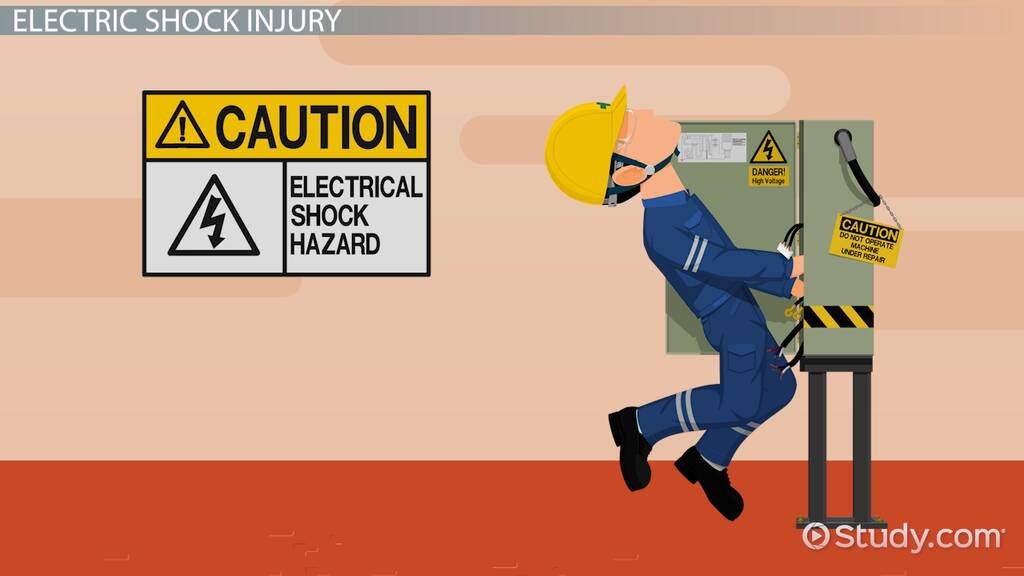
Credit: study.com
Safety Measures For Home Electrical Systems
Electrical safety in homes is crucial to prevent accidents. Simple measures can protect your family. Knowing the right steps is vital for safety.
Installing Ground Fault Circuit Interrupters
Ground Fault Circuit Interrupters (GFCIs) cut off power during a fault. They protect against electric shock. Install GFCIs in kitchens, bathrooms, and garages. Outdoor outlets also need GFCIs. Test them monthly to ensure they work. Press the “test” button and listen for a click. If no click, replace the GFCI.
Safe Use Of Extension Cords
Extension cords are handy but can be dangerous. Choose cords that suit the power load. Avoid using damaged cords to prevent fires. Never plug multiple cords together. Keep cords away from water and heat. When finished, unplug and store them safely.
Childproofing Electrical Outlets
Children are curious and explore everywhere. Cover outlets to protect them from shocks. Use plastic outlet covers or sliding covers. They block access to electrical contacts. Teach kids about electrical safety. Supervise them around electrical devices. These steps keep your little ones safe.
Workplace Electrical Safety
Electrical safety in the workplace is crucial to prevent injuries and ensure a productive environment. It’s not just about following rules but creating a culture where safety is a top priority. Imagine a day where you don’t have to worry about electrical hazards because everyone knows what to do and how to protect themselves. Let’s dive into some key aspects of workplace electrical safety that can make this a reality.
Training And Education
Understanding electrical systems and hazards is the first step to safety. Regular training sessions can help you and your team stay updated on the latest safety protocols. These should include practical demonstrations, so everyone knows how to handle tools and equipment safely.
Think about the last time you attended a workshop. Did it change how you approach your daily tasks? Education empowers you to make informed decisions, reducing the risk of accidents. Are you confident in your ability to spot potential electrical hazards?
Personal Protective Equipment
Wearing the right gear can be a lifesaver. Personal protective equipment (PPE) such as insulated gloves and boots are vital in preventing electrical injuries. They act as a barrier between you and potential dangers, providing an extra layer of safety.
Have you ever felt the difference when wearing PPE? It not only protects but also boosts your confidence in handling electrical tasks. Make sure your PPE is well-maintained and readily available. Would you trust your safety to worn-out equipment?
Emergency Response Protocols
Knowing what to do in an emergency can make all the difference. Clear and practiced protocols ensure quick and effective responses to electrical incidents. Regular drills can help everyone feel prepared and reduce panic when real situations arise.
Have you participated in an emergency drill recently? It’s an opportunity to test your knowledge and readiness. Discussing scenarios and solutions can reveal gaps in your current protocols. Is your team ready to handle an electrical emergency?
Responding To Electrical Emergencies
Regular checks on electrical equipment can prevent hazards. Use proper insulation to minimize risks. Stay informed about safety protocols.
Responding to electrical emergencies swiftly is crucial to ensure safety. Knowing the right actions can prevent further harm. This section will guide you through managing such emergencies effectively.Handling Electric Shocks
Electric shocks can be dangerous. Stay calm and act quickly. First, do not touch the person who is in contact with electricity. Turn off the power source immediately. Use a non-conductive object to move the person away from the source. Check for breathing and pulse. If needed, start CPR and call emergency services.Steps For Fire Prevention
Electrical fires can spread quickly. Start by cutting the power to the affected area. Use a fire extinguisher rated for electrical fires. Never use water on an electrical fire. Evacuate the area if the fire grows. Ensure smoke alarms are working and have an escape plan.When To Call For Professional Help
Recognizing when to call for help is important. If unsure about handling an electrical problem, call a professional. Seek help if you notice frequent power surges. Flickering lights or burning smells require immediate attention. Professionals ensure repairs are safe and effective.Advancements In Electrical Safety Technology
Advancements in electrical safety technology help prevent injuries by enhancing detection and response systems. Smart devices can quickly identify faults and shut down power. Enhanced circuit breakers and insulation materials also play a crucial role in reducing risks.
Advancements in electrical safety technology have significantly reduced the risk of electrical injuries in both homes and workplaces. These technologies are not just futuristic additions but practical tools ensuring safety for you and your loved ones. As we embrace these innovations, it becomes crucial to understand how they can be effectively implemented in our everyday lives.Smart Home Safety Devices
Smart home safety devices are game-changers in ensuring electrical safety. Devices like smart outlets and circuit breakers can detect anomalies and shut off power before a problem escalates. Imagine receiving an alert on your smartphone about a potential electrical hazard while you’re miles away from home. These devices are designed to provide peace of mind through real-time monitoring and control. You can schedule power usage, making sure no device remains on unnecessarily, thus reducing electrical risks. Have you ever considered how much safer your home could be with just a few smart upgrades?Innovative Protective Gear
Innovative protective gear is another leap forward in electrical safety. Modern gear is designed to provide maximum protection without compromising comfort. Electricians and technicians now have access to insulated gloves and arc flash suits that offer superior protection against electrical hazards. Such equipment is crucial, especially if you work in environments with high electrical risks. It’s not just about personal protection but also about ensuring the safety of those around you. Would you trust your safety to outdated gear when there are cutting-edge solutions available? Embracing these advancements in electrical safety technology is not just wise but necessary. They offer practical solutions to prevent injuries and protect our homes and workplaces. As you think about upgrading your safety measures, consider how these innovations can be integrated into your daily life.
Credit: www.facebook.com
Frequently Asked Questions
How Can I Avoid Electrical Shocks At Home?
To prevent electrical shocks, ensure all outlets and switches are properly covered and maintained. Use appliances with intact cords and avoid overloading sockets. Install Ground Fault Circuit Interrupters (GFCIs) in areas prone to moisture, like kitchens and bathrooms, for extra protection.
What Are Common Causes Of Electrical Injuries?
Electrical injuries often result from faulty wiring, exposed electrical components, and improper handling of appliances. Overloading circuits can lead to fires or shocks. Wet environments increase the risk, so handling electrical devices with dry hands is crucial.
How Can I Teach Kids About Electrical Safety?
Educate children by explaining the dangers of electricity and the importance of not touching sockets or cords. Use childproof outlet covers and keep cords out of reach. Demonstrate safe practices, like unplugging devices before cleaning, to reinforce safety habits.
What Should I Do In Case Of An Electrical Emergency?
In an electrical emergency, first disconnect the power source if safe. Avoid touching the injured person if they’re still in contact with electricity. Call emergency services immediately and administer CPR if necessary. Ensure all family members know these steps.
Conclusion
Keeping electrical safety in mind can save lives. Always check wires for damage. Wear rubber gloves when working with electricity. Turn off power before repairs. Teach kids not to touch outlets. Install safety covers on sockets. Use proper tools for electrical work.
Avoid overloading sockets with too many plugs. Regularly inspect appliances for safety. Call a professional for complex issues. These simple steps reduce the risk of injury. Make safety a habit in your home. Stay informed and stay safe. Electrical safety is everyone’s job.