Dancing is your passion. It’s a beautiful way to express yourself, stay fit, and connect with others.
But, like any physical activity, it comes with its risks. Injuries can not only sideline you from the dance floor but also dampen your spirit. Imagine being able to dance freely, without the constant worry of getting hurt. How much more could you enjoy your practice?
How much further could you push your limits? This guide is crafted to keep you dancing safely and confidently. By learning how to prevent dance injuries, you’re not just protecting your body—you’re investing in your dance future. Dive in and discover practical tips that will keep you on your toes and away from the doctor’s office. Your dance journey deserves to be as smooth as your moves.
Common Dance Injuries
Dance injuries are a common concern for many dancers, regardless of their skill level. Understanding the types and causes of these injuries can help you take proactive steps to prevent them. With the right knowledge, you can continue to enjoy dancing while minimizing the risk of injury.
Types Of Injuries
Dance injuries can vary from minor strains to severe fractures. Some of the most common types include:
- Sprains:These occur when ligaments are stretched or torn, often affecting ankles and wrists.
- Strains:Muscle or tendon injuries caused by overuse or improper technique.
- Stress fractures:Tiny cracks in bones, usually due to repetitive impact and insufficient rest.
- Tendonitis:Inflammation of tendons, often resulting from repetitive movement.
Recognizing these injuries early can be crucial for effective treatment and recovery.
Causes And Risk Factors
The causes of dance injuries are often linked to technique, environment, and personal habits. Improper technique or alignment can lead to undue stress on certain parts of the body. Have you ever noticed discomfort after a new routine? It might be a sign of poor form.
Environmental factors such as slippery floors or inadequate footwear can contribute to accidents. Consider whether your dance environment supports your safety. Are your shoes providing enough support?
Personal habits like insufficient warm-up, lack of conditioning, or fatigue increase injury risk. How often do you skip a thorough warm-up? Ensuring your body is prepared can make a significant difference.
Identifying these risk factors empowers you to make informed decisions about your dance practice.

Credit: www.instagram.com
Warm-up Techniques
Proper warm-up techniques are essential in preventing dance injuries. Stretching and gradually increasing heart rate prepare muscles for activity. Focus on flexibility and strength to enhance performance and reduce risk.
Warm-up techniques are crucial for dancers. They prepare the body for intense movements. Proper warm-ups can prevent injuries and enhance performance. They increase flexibility and blood flow to muscles. This section will explore the importance of warming up and provide effective routines.Importance Of Warming Up
Warming up gets muscles ready for action. It boosts circulation and reduces stiffness. Warm muscles are less prone to strains and sprains. A good warm-up also prepares the mind. It helps dancers focus on their movements. This mental readiness is key in dance.Effective Warm-up Routines
A warm-up should start with gentle movements. Begin with light cardio like jogging. This raises the heart rate gradually. Then, focus on dynamic stretches. These improve flexibility and range of motion. Arm circles and leg swings are ideal. Finish with core exercises. Planks and crunches strengthen the body’s center. A strong core supports complex dance steps.Strength And Conditioning
Strength and conditioning enhance flexibility and stability, crucial for preventing dance injuries. Regular exercises build strong muscles and improve balance. Better endurance helps dancers maintain proper form.
Strength and conditioning are vital for dancers. They help prevent injuries and enhance performance. Building strength supports better control and stability. Conditioning improves endurance and resilience. Together, they create a solid foundation for safe dancing.Core Strengthening Exercises
A strong core is essential for dancers. It stabilizes the body during movements. Try exercises like planks and bridges. These build strength in your abdomen and back. Consistent core training reduces the risk of falls and injuries.Flexibility And Mobility Training
Flexibility allows dancers to move freely. It prevents muscle strains and joint stress. Stretch regularly to maintain flexibility. Focus on areas like hips and hamstrings. Mobility training improves joint movement. It helps dancers perform with ease and fluidity.Proper Footwear And Equipment
Proper footwear and equipment are essential to prevent dance injuries. Wearing the right shoes and supportive gear can enhance performance and reduce strain. It is crucial to invest in quality equipment to ensure safety and comfort.
Choosing The Right Dance Shoes
Dance shoes should fit snugly but not too tight. Consider the type of dance. Ballet requires pointe shoes; jazz calls for split-sole sneakers. Ensure the shoes offer adequate support and flexibility. Check the material for durability and comfort. Breathable fabrics help keep feet dry and prevent blisters. Avoid wearing street shoes for dance practice.
Using Supportive Gear
Supportive gear like braces and pads can protect vulnerable areas. Knee braces provide stability during intense movements. Ankle supports help prevent sprains and twists. Use toe pads for cushioning during pointe work. Ensure the gear fits well and does not restrict movement. Regularly inspect gear for wear and tear. Replace damaged equipment to maintain protection.
Safe Practice Environments
Creating safe practice environments is crucial to prevent dance injuries. Proper flooring and adequate space reduce the risk of falls. Regular warm-ups and cool-downs help maintain flexibility and strength.
Creating a safe practice environment is essential for dancers to avoid injuries and perform at their best. The environment where you practice can significantly impact your physical health. Whether you’re rehearsing at home or in a studio, ensuring the space is conducive to movement and safety is key. Let’s dive into some critical considerations for your practice space.Flooring And Space Considerations
The type of flooring you dance on can make a big difference in preventing injuries. Hard floors, like concrete or tile, can be tough on your joints. Opt for sprung floors that provide cushioning and support. Make sure there’s enough space to move freely. Cramped areas can lead to accidents or hinder your performance. Clear out unnecessary furniture or items that could obstruct your dance path. Always check the floor for any hazards such as wet spots or loose rugs. A quick inspection can save you from slips and falls.Temperature And Lighting
The temperature of your practice space should be comfortable. Extreme cold can stiffen your muscles while excessive heat might lead to exhaustion. Aim for a moderate temperature to keep your muscles flexible and ready for action. Lighting plays a crucial role too. Good lighting ensures you can see your surroundings clearly, reducing the risk of tripping over unseen objects. Natural light is great, but if unavailable, ensure artificial lights are bright enough. Ever tried dancing in dim light? It’s frustrating and can lead to missteps. Prioritize visibility to enhance your practice sessions.Technique And Form
Technique and form play a crucial role in preventing dance injuries. Proper technique ensures that your body moves efficiently and safely. It helps maintain balance and reduces strain on muscles and joints. Form complements technique by ensuring your movements align with your body’s natural abilities.
Maintaining Correct Posture
Correct posture is vital in dance. It supports your spine and prevents muscle strain. Stand tall with shoulders relaxed and aligned. Keep your chin parallel to the floor. Engage your core to support your movements. Proper posture helps you move fluidly and avoid injuries.
Learning From Instructors
Instructors provide guidance on technique and form. They correct mistakes and offer personalized advice. Pay attention to their feedback. Practice the exercises they recommend. Their experience helps you understand how to move safely and effectively.
Listening To Your Body
Listening to your body helps prevent dance injuries. Recognize discomfort early and adjust moves to avoid strain. Prioritize rest and hydration to keep your body resilient.
Listening to your body is vital in preventing dance injuries. It helps you stay in tune with your physical limits. Understanding your body’s signals can make a significant difference. This approach aids in maintaining long-term health and performance. Being aware of subtle changes can prevent more severe injuries.Recognizing Early Signs Of Injury
Pain is the body’s way of signaling something is wrong. Pay attention to persistent aches or discomfort. Swelling, tenderness, or stiffness can indicate strain. Notice any changes in your ability to move freely. These signs should not be ignored. They are the body’s early warnings.Rest And Recovery Importance
Rest is crucial for healing and maintaining strength. It allows muscles and joints to recover and rebuild. Adequate rest reduces the risk of chronic injuries. Quality sleep supports the body’s repair processes. Taking breaks prevents overuse and keeps you in peak condition.
Credit: www.facebook.com
Nutrition And Hydration
Proper nutrition and hydration are vital for dancers to prevent injuries. Balanced meals and regular water intake support muscle function and recovery. Consistent attention to dietary needs helps maintain energy levels and enhance performance.
Nutrition and hydration play a pivotal role in preventing dance injuries. Proper fueling and keeping your body hydrated not only boosts performance but also aids in quicker recovery. If you’re serious about dance, paying attention to what you eat and drink is non-negotiable.Fueling For Performance
What you eat directly affects how well you perform on the dance floor. Consuming a balanced diet rich in carbohydrates, proteins, and healthy fats is essential. Carbs provide the energy you need for those intense dance routines, while proteins help in muscle repair. Consider snacking on a banana or a handful of almonds before practice. This small energy boost can make a big difference. After dancing, replenish your body with a protein-rich snack like Greek yogurt or a smoothie.Staying Hydrated
Dehydration can sneak up on you and impact your performance. It’s crucial to drink water regularly, not just when you feel thirsty. Keep a water bottle handy and sip throughout the day. Electrolyte-rich drinks can be beneficial, especially after long dance sessions. They help replace lost minerals and keep your muscles working efficiently. Think about how often you reach for a drink during breaks. Could you be drinking more? Make a habit of hydrating consistently, and your body will thank you on and off the dance floor.Mental Preparation
Mental preparation is crucial to prevent dance injuries. Focus on building awareness and concentration during practice. Staying mentally sharp helps in maintaining proper form and technique.
Mental preparation plays a crucial role in preventing dance injuries. Dancers need a strong mindset to stay focused and manage stress. This mental readiness helps them perform at their best while minimizing risks. Let’s explore how focus and concentration, along with stress management, contribute to injury prevention.Focus And Concentration
Maintaining focus during dance practice is essential. It keeps the mind aligned with body movements. A focused dancer can execute moves accurately, reducing the risk of mistakes. Concentration helps dancers stay aware of their surroundings. This awareness prevents collisions and accidents. Techniques like visualization can enhance focus. Visualizing each step before performing helps prepare the mind. Regular practice of focusing techniques strengthens mental discipline. This discipline supports long-term injury prevention.Stress Management
Stress can negatively impact dance performance. High stress levels may lead to physical tension. Tension increases the chance of injuries. Managing stress effectively is important for dancers. Stress management techniques like deep breathing can be helpful. Deep breathing relaxes muscles and calms the mind. Mindfulness practices also aid stress reduction. Being present in the moment reduces anxiety. Lower stress levels enhance focus and concentration. This mental clarity helps dancers perform safely and confidently. Regular stress management practices build resilience against injuries.Injury Management Strategies
Proper warm-up and stretching can reduce dance injuries. Strengthening core muscles and maintaining good posture are crucial. Rest and listening to your body help prevent overuse injuries.
Injury Management Strategies Dance injuries can be both physically and emotionally challenging. However, managing them efficiently can lead to a quicker and more effective recovery. Embracing smart injury management strategies is crucial for every dancer, whether you’re a beginner or a seasoned performer.Immediate Care Techniques
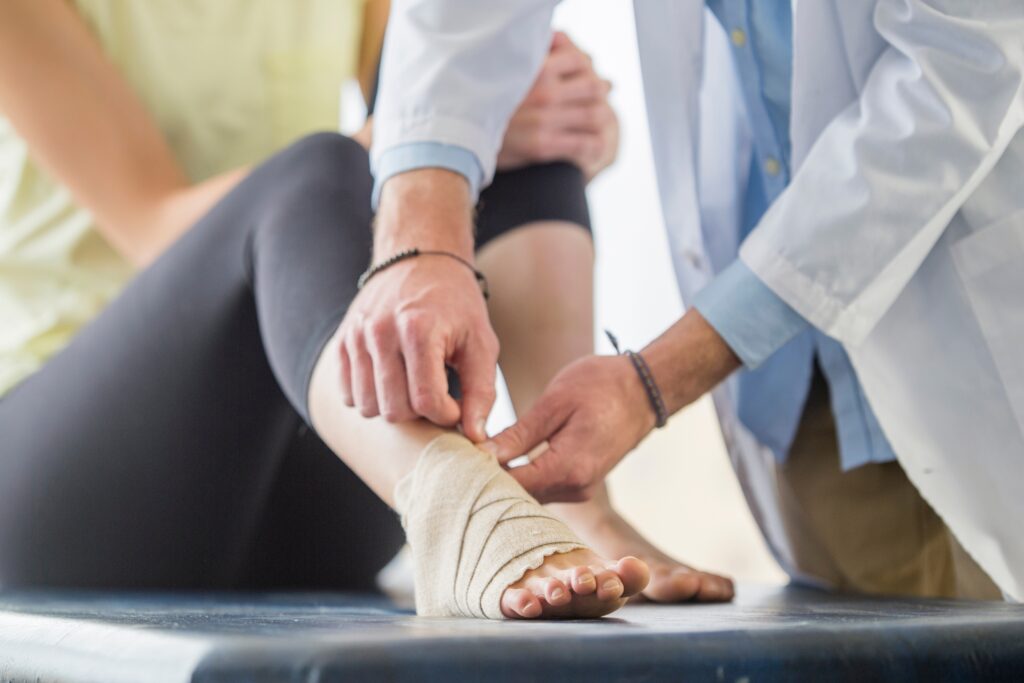
Proper immediate care can significantly reduce recovery time. As soon as an injury occurs, the R.I.C.E method—Rest, Ice, Compression, and Elevation—can be your best friend. Applying ice packs swiftly helps reduce swelling and numb the pain, while compression wraps offer support and prevent further swelling. One of my friends once twisted her ankle during a performance. Instead of ignoring it, she immediately followed these steps, which helped her return to dancing sooner. How prepared are you to act when an injury occurs?Rehabilitation And Therapy Options
Once the initial pain subsides, choosing the right rehabilitation and therapy options is essential. Physical therapy is a fantastic way to regain strength and flexibility. Therapists can guide you with specific exercises that target your injury without causing further harm. Pilates and yoga are also excellent for improving core strength and balance. They not only aid in recovery but also enhance overall performance. Have you considered incorporating these practices into your routine to prevent future injuries? Understanding that rest and patience are equally crucial is vital. Rushing back to dance can lead to recurring injuries, setting you back even more. Your body needs time to heal, and listening to it is a powerful strategy in itself.
Credit: www.instagram.com
Frequently Asked Questions
What Are Common Dance Injuries?
Common dance injuries include sprains, strains, fractures, and tendinitis. These usually affect the ankles, knees, and hips. Overuse and improper technique are common causes. Regular stretching, strength training, and proper footwear can help prevent them. Always listen to your body and rest when needed to avoid injuries.
How Can Dancers Avoid Injuries?
Dancers can avoid injuries by warming up properly before practice. Strengthening core muscles and maintaining flexibility are essential. Using correct dance techniques and wearing supportive footwear also help. Regularly taking breaks and staying hydrated are important too. Listening to your body and resting when needed is crucial.
Why Is Warm-up Important For Dancers?
Warm-up is essential for dancers to prepare muscles for activity. It increases blood flow and flexibility, reducing injury risk. Stretching improves joint mobility and muscle elasticity. A proper warm-up enhances performance and prevents strains. Always dedicate time to warm-up before dancing to stay safe.
Can Footwear Affect Dance Injuries?
Yes, footwear significantly affects dance injuries. Proper shoes provide support and cushioning, reducing strain on feet and joints. Incorrect footwear can lead to blisters, pain, and injuries. Choose shoes designed for your dance style and replace them when worn out.
They play a key role in injury prevention.
Conclusion
Preventing dance injuries requires focus and care. Warm up before every session. Stretch regularly to keep muscles flexible. Listen to your body and rest when needed. Choose proper footwear for support and comfort. Practice good techniques to avoid strain. Stay hydrated to maintain energy levels.
Consult a professional for personalized advice. Remember, safety comes first. Enjoy dancing with mindfulness. Following these tips can help minimize risks. Dance with joy, not pain. Keep dancing, stay safe, and nurture your passion.