
Cycling is a fantastic way to stay fit, explore the outdoors, and enjoy a sense of freedom. However, nothing can put a damper on your ride faster than an unexpected injury.
Whether you’re a seasoned cyclist or just starting out, you might worry about the potential risks involved. But what if you could pedal away those worries and ride with confidence? By understanding how to prevent cycling injuries, you can enjoy every moment on the road or trail.
This article will show you how to keep yourself safe, so you can focus on what truly matters – the joy of cycling. Ready to discover the secrets of injury-free rides? Let’s dive in and ensure your biking adventures remain smooth and enjoyable.
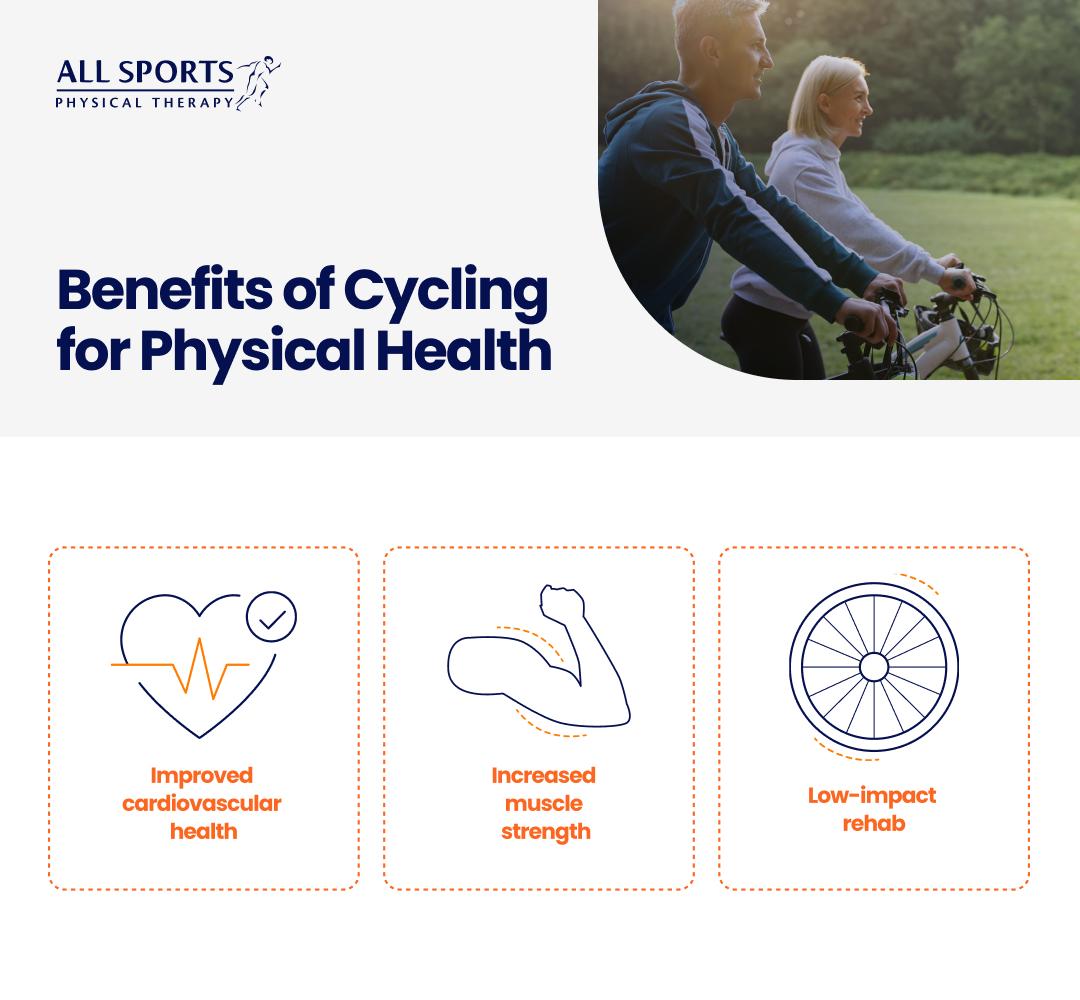
Credit: allsports-physicaltherapy.com
Choose The Right Bike
Choosing the right bike is more than just picking the flashiest model. It’s about ensuring comfort, safety, and performance. A well-suited bike can make a world of difference in your cycling experience and can significantly reduce the risk of injuries. Whether you’re a seasoned rider or just starting out, understanding the nuances of bike selection is crucial for a smooth ride.
Bike Fit And Adjustments
Proper bike fit is the cornerstone of injury prevention. A bike that fits well minimizes strain on your joints and muscles. Start by adjusting the saddle height; your knee should be slightly bent at the bottom of the pedal stroke. Handlebar height also matters; it should allow for a relaxed upper body posture without straining your back.
Consider my friend Tom, who suffered from knee pain for months. He discovered his saddle was too high, forcing his knees to overextend. A quick adjustment changed everything, allowing him to ride pain-free. Don’t underestimate the power of a few simple tweaks.
Select Suitable Bike Type
Different terrains require different bikes. Are you cycling through city streets, mountain trails, or long country roads? Each environment demands a bike designed for its specific challenges. Road bikes offer speed on smooth surfaces, while mountain bikes provide stability on rough terrain.
Reflect on your cycling goals. If you plan to commute, a hybrid bike might be best. It combines comfort and versatility. If off-road adventures are your passion, a mountain bike with suspension could be your perfect match. Make sure your bike aligns with your intended use for optimal performance.
Choosing the right bike isn’t just about the ride; it’s about safeguarding your health. What adjustments can you make today to enhance your cycling experience?
Wear Protective Gear
Cycling is an exhilarating way to explore the outdoors and stay fit. Yet, it’s crucial to prioritize safety to prevent injuries. Wearing protective gear can be your first line of defense against accidents. You might have heard stories of cyclists who walked away from crashes unharmed because they wore proper gear. It could be your lifeline, too. So, what gear should you focus on?
Helmet Safety Standards
Your helmet is not just a stylish accessory; it’s a lifesaver. Make sure you choose one that meets the latest safety standards. Look for certifications like CPSC, ASTM, or Snell which ensure rigorous testing. A helmet must fit snugly without wobbling. Ever tried shaking your head with a loose helmet? It’s not just uncomfortable; it’s unsafe. Adjust the straps so they form a tight ‘V’ under your ears, and ensure the helmet doesn’t tilt forward or backward.
Protective Clothing Options
The right clothing can make a world of difference. Consider padded shorts to protect your hips during a fall. They might feel bulky initially, but they add invaluable cushioning. Brightly colored jerseys with reflective strips can make you visible to drivers, especially in low light. Have you ever noticed how some cyclists seem to glow in the dark? That’s smart clothing at work. Gloves are another essential; they protect your hands from scrapes and improve grip, especially when the weather turns wet.
Do you often cycle in unpredictable weather? Waterproof jackets can keep you dry and warm, preventing hypothermia. Remember, safety and comfort go hand in hand.
Maintain Your Bike
Regular bike maintenance can help prevent cycling injuries. Keep tires properly inflated and brakes in top condition. Inspect and lubricate the chain frequently for a smooth ride.
Maintaining your bike is crucial in preventing cycling injuries. A well-cared-for bicycle is not just about extending its life but also ensuring your safety on the road. Regular maintenance helps you spot potential issues before they become serious problems. Whether you’re a seasoned cyclist or just starting, keeping your bike in top condition can make all the difference in your riding experience.Regular Inspection Routine
Creating a regular inspection routine for your bike can save you from unexpected mishaps. A quick check before each ride can catch loose bolts, misaligned wheels, or any unusual noises. Make it a habit to glance over the frame, handlebars, and seat post. Look out for any cracks or signs of wear. If you commute daily, consider a more thorough inspection weekly.Tire And Brake Checks
Your tires and brakes are your primary safety nets. Ensuring they are in optimal condition is non-negotiable. Check the tire pressure before each ride. Under-inflated tires can make pedaling harder and increase the risk of a flat. Inspect the tire tread for wear and tear. Worn-out tread can lead to slips, especially on wet surfaces. For brakes, squeeze the levers to make sure they’re responsive. A soft or spongy feel could indicate the need for adjustment or replacement of brake pads. Taking these steps not only enhances performance but also boosts your confidence on the road. Remember, maintaining your bike isn’t just a task—it’s your ticket to a safer, more enjoyable cycling experience.Practice Proper Techniques
Whether you’re a seasoned cyclist or a weekend warrior, practicing proper techniques can make a world of difference in preventing injuries. You might be surprised at how small adjustments in your posture or pedaling can drastically improve your cycling experience. As you pedal towards your next adventure, consider refining these fundamental techniques to ensure a safe and enjoyable ride.
Correct Riding Posture
Your riding posture is crucial for reducing strain on your body. Ensure your bike is adjusted to fit your height and reach comfortably. Your knees should have a slight bend at the bottom of the pedal stroke. Avoid slouching; keep your back straight and shoulders relaxed. This posture not only enhances your comfort but also helps prevent back and neck pain. Experiment with handlebar height—sometimes a minor tweak can lead to a more natural position.
Efficient Pedaling Techniques
Efficient pedaling is all about using energy wisely. Aim for a smooth pedal stroke by pushing down and pulling up evenly. Consider using clipless pedals, which can improve your cycling efficiency by engaging both legs simultaneously. Focus on maintaining a steady cadence instead of mashing pedals. This technique helps prevent knee injuries and ensures a fluid ride. Engage your core for stability; it’s surprising how much core strength contributes to your overall cycling efficiency.
Warm-up And Stretch
Warm-up and stretch to prepare muscles and joints for cycling. These activities improve flexibility, reducing injury risks. Regular stretching enhances circulation and boosts performance, making rides safer and more enjoyable.
Cycling is an exhilarating way to stay fit and explore the outdoors. Preventing injuries is crucial for a safe and enjoyable ride. Warm-ups and stretches play a vital role. They prepare muscles and joints for cycling’s demands. This not only enhances performance but also reduces the risk of injuries. Discover effective exercises and routines to protect your body before and after cycling.Pre-ride Warm-up Exercises
A good warm-up increases blood flow to muscles. It prepares your body for cycling. Start with light cardio to get your heart rate up. Consider a brisk walk or gentle jog for five minutes. Follow this with dynamic stretches to activate cycling muscles.- Leg swings: Stand and swing one leg forward and backward.
- Arm circles: Extend arms and rotate them in small circles.
- Hip circles: Stand and rotate your hips in wide circles.
Post-ride Stretching Routine
Stretching after cycling helps muscles recover. It prevents stiffness and soreness. Focus on static stretches to cool down. Hold each stretch for 20-30 seconds.| Stretch | Description |
|---|---|
| Quad Stretch | Stand, bend one knee, and pull the foot towards the butt. |
| Hamstring Stretch | Sit, extend one leg, and reach towards your toes. |
| Calf Stretch | Stand, step one foot back, and press the heel down. |

Credit: x.com
Plan Safe Routes
Plan Safe Routes Choosing safe paths can help prevent cycling injuries. Avoid busy roads and opt for bike-friendly lanes. Check maps for dedicated cycling paths and avoid areas under construction.
Planning safe routes is crucial in preventing cycling injuries. Whether you’re a seasoned cyclist or a beginner, mapping out your journey ahead of time ensures a smoother ride. It allows you to anticipate potential hazards and choose paths that offer a safer cycling experience. By carefully selecting your route, you can enjoy the ride while minimizing risks.Traffic And Road Awareness
Being aware of traffic and road conditions is vital for safe cycling. Always keep an eye on traffic signals and signs. Familiarize yourself with the flow of traffic and identify busy areas to avoid. Use bike lanes where available, as they are designed for cyclists’ safety. Pay attention to road conditions, such as potholes or uneven surfaces, which can cause accidents. Consider the time of day for your ride. Cycling during rush hours increases your exposure to heavy traffic, while early morning or late evening rides might offer quieter roads.Choosing Bike-friendly Paths
Bike-friendly paths can significantly reduce the risk of injuries. Look for dedicated cycling trails or parks where motor vehicles are not allowed. These paths often provide smoother surfaces and scenic routes. Check local maps or apps for bike path recommendations. These resources can guide you to paths with lower traffic and better maintenance. Think about incorporating paths with fewer intersections and stoplights to maintain a steady pace. This not only enhances safety but also improves the enjoyment of your ride. Have you ever discovered a hidden trail that became your favorite cycling route? Share your experiences with fellow cyclists to help them find safer paths.Stay Hydrated And Nourished
Proper hydration and nutrition are key to preventing cycling injuries. Water keeps muscles flexible, reducing strain. Balanced meals fuel energy, supporting endurance and recovery.
Staying hydrated and nourished is crucial for preventing cycling injuries. Your body needs the right fuel to perform efficiently and recover swiftly. Without proper hydration and nutrition, you risk fatigue and muscle cramps, which can lead to accidents or injuries. Let’s dive into some practical strategies to keep you pedaling strong.Hydration Strategies
Hydrate before, during, and after your ride. Start by drinking a glass of water about 30 minutes before you set off. This helps prepare your body for the ride ahead. Carry a water bottle or hydration pack and take small sips every 15-20 minutes. This keeps your fluid levels steady and prevents dehydration. Consider adding electrolyte tablets to your water for longer rides. They help replenish the salts lost through sweat and keep your muscles functioning properly.Nutrition Tips For Cyclists
Fuel your body with a balanced meal a couple of hours before cycling. Aim for a mix of carbohydrates, proteins, and healthy fats to give you sustained energy. Pack easy-to-eat snacks like bananas, energy bars, or nuts for longer rides. These provide quick energy boosts when you need them. Post-ride, focus on recovery with a combination of protein and carbs. A smoothie with yogurt and fruit can be a refreshing and effective choice. Are you mindful of what and when you eat and drink before hopping on your bike? Small changes in your hydration and nutrition routine can make a significant difference in your cycling performance and injury prevention.
Credit: www.90pluscycling.com
Listen To Your Body
Listening to your body helps prevent cycling injuries. Pay attention to pain, discomfort, and fatigue signals. Adjust speed and posture to avoid harm and maintain a healthy routine.
Cycling is a fantastic way to stay fit and explore the outdoors. But injuries can occur without proper care. One essential tip for preventing injuries is to listen to your body. Understanding your body’s signals helps maintain a healthy cycling routine.Recognizing Early Warning Signs
Your body speaks to you in subtle ways. Fatigue or muscle soreness could indicate overuse. A slight pain might mean improper form or bike fit. Paying attention to these signs can prevent severe injuries. Stay alert to any unusual discomfort during or after rides.Rest And Recovery Importance
Rest days are as vital as training days. They allow muscles to heal and grow stronger. Overtraining without adequate rest increases injury risk. Incorporate rest days into your cycling schedule. Stretching and gentle exercises aid recovery, keeping your body ready for the next ride.Frequently Asked Questions
How Can I Avoid Common Cycling Injuries?
To avoid cycling injuries, ensure your bike fits well and wear appropriate gear. Warm up before riding and maintain good posture. Regularly check your bike for issues. Stay aware of your surroundings and ride defensively. Incorporate strength training and stretching exercises to enhance flexibility and stability.
What Gear Helps Prevent Cycling Injuries?
Wearing a helmet is crucial for head protection. Use padded gloves to absorb shocks and reduce pressure on hands. Cycling shoes with stiff soles support your feet. Consider padded shorts to minimize chafing. High-visibility clothing increases your visibility to others, helping avoid accidents.
How Does Bike Fit Reduce Injury Risk?
A proper bike fit ensures comfort and reduces stress on your body. Adjust saddle height to prevent knee strain. Ensure handlebars are positioned for optimal reach. This helps maintain a natural posture. Regularly check and adjust your bike as necessary for continued comfort and safety.
Why Is Warming Up Important Before Cycling?
Warming up prepares your muscles and joints for activity. It increases blood flow and reduces injury risk. Start with light exercises like dynamic stretches or a slow ride. Gradually increase intensity to prepare your body for cycling. A good warm-up improves performance and safety.
Conclusion
Cycling safely requires attention and preparation. Wear a helmet every ride. Ensure your bike fits well. Check brakes and tires regularly. Stay visible with bright clothing. Obey all traffic rules. Listen to your body. Rest if you feel pain. Vary your routes to avoid boredom.
Warm up before cycling. Stretch after rides to relax muscles. Hydration is key, drink plenty of water. Cycling is fun and healthy. Prioritize safety to enjoy it fully. Stay informed, stay safe, and keep pedaling!