Are you tired of that sharp pain shooting up your calf every time you hit the treadmill or take a leisurely jog in the park? You’re not alone.
Calf injuries are a common hurdle for both seasoned athletes and casual exercisers. But what if you could sidestep this nagging problem and keep your workouts smooth and pain-free? Imagine the freedom of moving without fear of that dreaded twinge.
In this guide, we’ll share simple yet effective strategies to help you prevent calf injuries, so you can focus on what you love—staying active and healthy. Read on, and empower yourself with the tools to protect your calves and enhance your fitness journey.

Credit: toneopfit.com
Understanding Calf Anatomy
Healthy calf muscles reduce injury risk. Understand muscle structure and function for better protection. Regular stretching strengthens calves and improves flexibility.
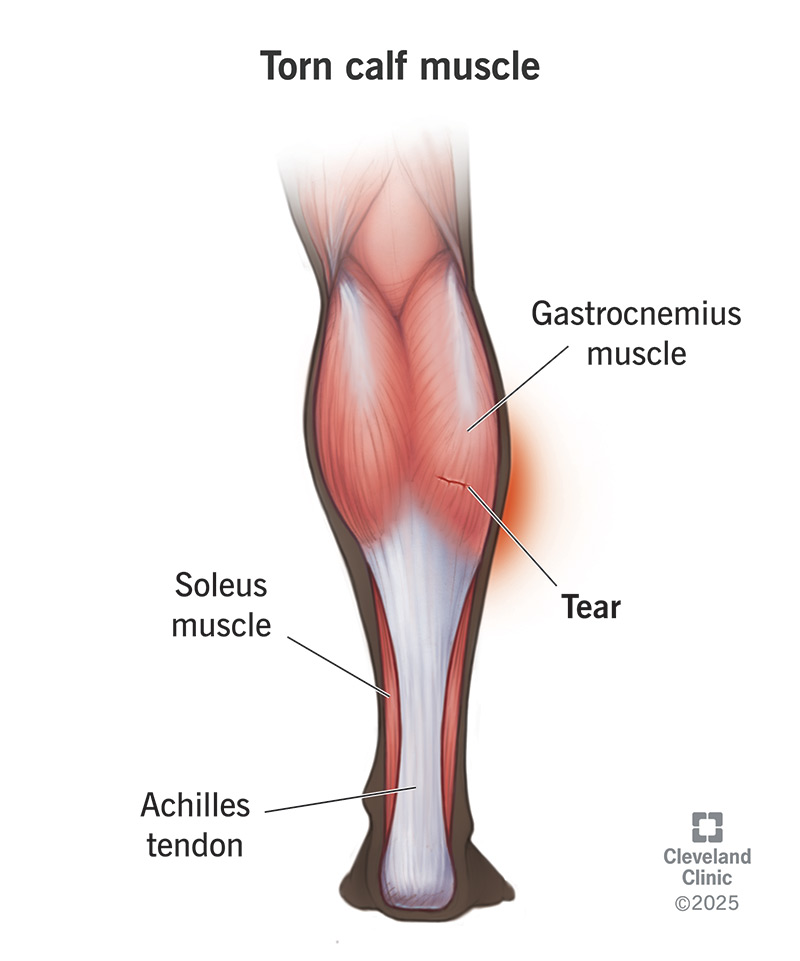
Understanding calf anatomy is crucial for preventing injuries. The calf consists of two main muscles, gastrocnemius and soleus. These muscles work together to enable movement in the ankle and knee. Knowing how these muscles function helps in recognizing potential injury risks.Structure Of The Calf Muscles
The gastrocnemius is the larger muscle, forming the bulk of the calf. It connects to the femur and stretches to the heel. This muscle is essential for activities involving jumping or sprinting. The soleus lies beneath the gastrocnemius and is flatter and longer. It attaches to the tibia and fibula bones. The soleus is vital for maintaining posture and balance.Importance Of Tendons
Both muscles connect to the Achilles tendon. This tendon is key for transferring force from calf muscles to the foot. It’s critical for walking, running, and jumping. Keeping the tendon healthy prevents strain and injury.Blood Supply And Nerves
Calf muscles receive blood from the popliteal artery. Proper blood flow ensures muscle health and repair. Nerves from the sciatic nerve branch into the calf, controlling movement and sensation. Damage to nerves can lead to weakness or numbness.Muscle Functionality
The calf muscles allow plantar flexion, enabling the foot to point downward. They also help stabilize the body during standing and walking. Understanding these functions aids in identifying improper movements that might cause injury.Role In Athletic Performance
Strong calves enhance performance in sports, aiding in speed and agility. They help in absorbing shock during high-impact activities. Weak or injured calves can limit athletic capability.Preventative Measures
To prevent injury, proper stretching and strengthening exercises are essential. Warm-up routines prepare muscles for exertion, reducing injury risk. Regular exercise keeps the muscles flexible and strong.
Credit: www.highettpodiatry.com.au
Common Causes Of Calf Injury
Muscle strain and overuse often lead to calf injuries. Sudden movements and lack of warm-up can also contribute. Proper stretching and gradual increase in activity are key to prevention.
Calf injuries are common among athletes and fitness enthusiasts. Understanding their causes helps in taking preventive measures. The calf consists of two muscles — the gastrocnemius and soleus. These muscles are crucial for movement and stability. Injury often occurs due to strain, overuse, or sudden movements. Recognizing the factors leading to calf injuries can aid in maintaining healthy muscles.Muscle Strain
Calf muscles are prone to strain from intense activities. Quick acceleration or abrupt stops during sports can cause damage. Overstretching or pushing too hard can also lead to muscle tears. Strain often results in sharp pain and swelling.Inadequate Warm-up
Skipping warm-up exercises increases injury risk. Warm-ups prepare muscles for activity, improving flexibility and circulation. Without them, muscles are stiff and prone to tearing. Proper warm-up involves gentle stretching and gradual intensity.Overuse
Repeated stress on calf muscles can cause overuse injuries. Frequent running or jumping without rest leads to fatigue. Muscles need time to recover after intense workouts. Ignoring rest periods can result in chronic pain and weakness.Poor Footwear
Wearing unsuitable shoes affects calf health. Shoes without proper support strain muscles during movement. High heels or worn-out soles increase injury risk. Choosing the right footwear can prevent unnecessary stress on calves.Dehydration
Lack of hydration impacts muscle function. Dehydrated muscles are less flexible and more susceptible to cramps. Drinking water before and after exercise keeps muscles healthy. Staying hydrated supports optimal muscle performance. Understanding these common causes helps in preventing calf injuries. By taking precautionary measures, you can maintain strong and healthy calves.Warm-up Routines
Preventing calf injuries starts with an effective warm-up routine. It’s crucial to prepare your muscles and joints before jumping into any physical activity. A well-structured warm-up can be your best defense against strains and pulls. Are you ready to enhance your workouts and protect your calves?
Dynamic Stretching
Dynamic stretching is all about movement. Instead of static holds, you perform stretches that mimic the activity you’ll be doing. This approach increases blood flow and prepares your muscles for action. Try leg swings or walking lunges to engage your calves. Feel the stretch, but keep moving.
Think about it: static stretches are like standing still before a sprint. Dynamic stretches get you moving, priming your muscles for what’s ahead. Implement these in your routine and notice the difference. Your calves will thank you.
Cardiovascular Preparation
Warming up the heart is just as important as warming up the muscles. Begin with a gentle jog or brisk walk to elevate your heart rate. This boosts circulation and ensures your muscles are ready for exertion.
Consider this: a cold engine struggles to start. Similarly, your body performs better when it’s warmed up. Feel your heart pumping and your body responding. Is your warm-up routine missing this crucial step?
By integrating cardiovascular preparation, you set the stage for a safe workout. Your calves will be primed and ready, reducing the risk of injury. Add this to your warm-up, and elevate your exercise game.
Strengthening Exercises
Preventing calf injuries is crucial for anyone who engages in physical activities. One effective approach is focusing on strengthening exercises. These exercises not only fortify your calf muscles but also improve flexibility and endurance. By incorporating targeted workouts, you can reduce the risk of strains and ensure optimal performance.
Calf Raises
Calf raises are a simple yet powerful exercise that strengthens your calf muscles. Start by standing on a flat surface with your feet shoulder-width apart. Slowly rise onto your toes, keeping your balance steady. Hold the position for a few seconds before lowering your heels back to the ground.
Feeling a slight burn in your calves? That’s a good sign! Try doing three sets of 15-20 repetitions. To make it more challenging, perform the exercise on one leg or hold weights in your hands. Consistent practice will enhance muscle strength and stability.
Resistance Band Workouts
Resistance bands are a versatile tool for calf strengthening. Secure a band around your foot and anchor it to a stable object. With your leg extended, flex your foot against the band’s resistance, then slowly return to the starting position.
This exercise targets both the gastrocnemius and soleus muscles, promoting balanced development. Aim for two sets of 10-15 repetitions on each leg. Adjust the band’s tension as needed to find the perfect level of challenge.
Have you ever wondered how professional athletes maintain their leg strength? Resistance band workouts are part of their secret arsenal. Incorporating these exercises into your routine can provide similar benefits.
Flexibility And Stretching
Enhancing flexibility through regular calf stretching can prevent injuries. Gentle stretches and proper warm-ups keep muscles resilient. Consistent practice ensures calves remain strong and injury-free.
Flexibility and stretching play a vital role in preventing calf injuries. Stretching keeps muscles loose, reducing the risk of strains and tears. Regular stretching helps maintain balance and range of motion. Flexible muscles are less prone to injury during physical activities. Focused stretching can improve overall muscle health. Incorporating effective stretching techniques is crucial for calf injury prevention.Static Stretching
Static stretching involves holding a stretch for a set time. It improves flexibility and relaxes muscles. To perform a static stretch, stand with your feet flat. Lean forward, keeping your heels grounded. Hold the stretch for 20-30 seconds. Feel a gentle pull in your calves. Repeat this stretch several times. Static stretching is effective post-workout. It aids in muscle recovery and reduces stiffness.Yoga Poses For Calves
Yoga offers excellent poses for calf flexibility. Downward Dog is a popular choice. Start on hands and knees. Lift hips to form an inverted V. Press heels towards the ground. Feel the stretch in your calves. Another pose is the Standing Forward Bend. Stand tall, then fold forward from the hips. Keep knees slightly bent. Let your calves stretch naturally. Incorporating these poses in your routine enhances calf health. Yoga improves flexibility and prevents injuries.Proper Footwear
Proper footwear is crucial in preventing calf injuries. Shoes that lack support can lead to strain and discomfort. With the right footwear, your feet and calves can stay healthy and strong. Let’s explore how choosing supportive shoes and considering insoles can make a difference.
Choosing Supportive Shoes
Supportive shoes provide stability and comfort. They help distribute weight evenly, reducing stress on the calves. Look for shoes with a firm sole and good arch support. Consider shoes with cushioning to absorb impact while walking or running. Check the fit; shoes should not be too tight or too loose.
Insole Considerations
Insoles can enhance shoe comfort and support. They provide extra cushioning, which is beneficial for calf muscles. Choose insoles that match your arch type for better fit and function. Custom insoles are ideal for specific foot needs. Regularly replace worn-out insoles to maintain support.
Injury Prevention Techniques
Stretch regularly to keep calf muscles flexible and strong. Warm up before physical activities to avoid strain. Choose supportive footwear to reduce stress on calves.
Injury prevention techniques are crucial for athletes and fitness enthusiasts. Protecting your calves can keep you active and pain-free. Several methods can help reduce the risk of calf injuries. These techniques focus on smart training and body care.Gradual Intensity Increase
Start with a light workout routine. Slowly increase the intensity to avoid strain. Abrupt changes can stress your muscles. Plan your workouts over several weeks. This approach gives your body time to adapt. Listen to your body. If you feel pain, take a break.Cross-training Benefits
Engage in different types of exercises. This strengthens various muscle groups. Cross-training reduces repetitive strain on calves. Try swimming, cycling, or yoga. These activities improve flexibility and endurance. They also offer a change of pace. Enjoy variety while keeping muscles balanced.Listening To Your Body
Listening to your body is crucial in preventing calf injuries. Your body sends signals when something is wrong. Ignoring these signs can lead to serious injuries. Understanding these signals helps maintain your health and fitness.
Recognizing Early Signs Of Strain
Early signs of calf strain include mild pain and stiffness. You might feel a slight twinge or discomfort during activities. Pay attention to any unusual sensations in your calves. Swelling or redness can also be early indicators. Don’t ignore these signs, as they can worsen if not addressed.
Incorporating Rest Days
Rest days are vital for muscle recovery. They help your muscles heal and grow stronger. Overworking your calves can lead to strain and injuries. Schedule regular rest days in your workout routine. This gives your muscles time to repair and prevents overuse injuries.
Role Of Nutrition
Balanced nutrition supports muscle strength and recovery, crucial in preventing calf injuries. Essential nutrients like protein and calcium fortify muscles and bones. Hydration helps maintain muscle elasticity, reducing injury risks.
Role of Nutrition Nutrition plays a vital role in preventing calf injuries. Proper diet supports muscle health and enhances recovery. Balanced nutrition strengthens muscles and reduces injury risks. Including essential nutrients in your diet is crucial. Good nutrition keeps muscles flexible and strong. It aids in repairing tissues and reducing inflammation. Below, find key aspects of nutrition for calf health.Hydration Importance
Water keeps muscles hydrated and prevents cramps. Dehydration leads to muscle fatigue. Muscle fatigue increases injury risks. Drink enough water daily. Water aids in nutrient transport. It helps remove waste from muscles. Hydration maintains muscle elasticity. It supports quick recovery post-exercise.Nutrients For Muscle Health
Protein is essential for muscle repair. It helps build strong muscle fibers. Include lean meats, fish, and eggs. Calcium strengthens bones and muscles. Dairy products and leafy greens are good sources. Magnesium prevents muscle cramps. Nuts and seeds are rich in magnesium. Omega-3 fatty acids reduce inflammation. Fatty fish and flaxseeds are excellent sources. Vitamin D supports muscle function. Sun exposure and fortified foods provide vitamin D.
Credit: www.amazon.com
When To Seek Professional Help
Consult a professional if calf pain persists despite rest and home care. Persistent swelling or bruising might indicate a more serious issue. Professional help ensures proper diagnosis and treatment, preventing further injury.
Preventing calf injuries is crucial for anyone who leads an active lifestyle, but sometimes, injuries can occur despite your best efforts. Knowing when to seek professional help is essential for proper recovery and long-term health. If you’re unsure whether your calf pain warrants a visit to a professional, this section will guide you through the indicators and options available.Persistent Pain Indicators
Pain can sometimes be an indicator that your body is healing, but persistent pain might suggest something more serious. If you experience sharp or shooting pain that doesn’t improve with rest and home remedies, it’s a red flag. Swelling that doesn’t subside or increases over time is another indicator that you need professional advice. Your body might be signaling a deeper issue that requires medical attention. Don’t ignore discomfort that disrupts your daily activities. If you find yourself limping or unable to walk normally for several days, it’s time to consider expert guidance.Consulting A Physiotherapist
Physiotherapists are trained to understand muscle dynamics and can offer tailored solutions for calf injuries. A visit to a physiotherapist might not only alleviate your current pain but also prevent future injuries. During your consultation, expect a range of assessments to pinpoint the exact cause of your discomfort. This might include movement tests or muscle strength evaluations. A physiotherapist can design a personalized exercise regimen to strengthen your calf muscles. This plan will help you recover faster and return to your favorite activities without fear of re-injury. Have you ever wondered if your posture or running style might be contributing to your calf pain? A physiotherapist can help identify these hidden factors and correct them, ensuring you move more efficiently and safely in the future.Frequently Asked Questions
How Can I Strengthen My Calf Muscles?
Strengthening calf muscles involves regular exercises like calf raises and seated calf presses. Integrate stretching routines to enhance flexibility. Gradually increase intensity and resistance to build muscle strength. Proper hydration and nutrition can support muscle recovery and growth, reducing injury risks.
What Are Common Causes Of Calf Injuries?
Calf injuries often result from sudden movements, overexertion, or inadequate warm-up. They can also occur from muscle fatigue or improper footwear. Understanding these causes helps in adopting preventive measures, such as proper stretching and wearing supportive shoes during activities.
How Does Stretching Prevent Calf Injuries?
Stretching improves muscle flexibility and reduces injury risks by enhancing range of motion. Incorporate dynamic stretches before activities and static stretches post-exercise. Regular stretching keeps muscles supple and prepared, minimizing strain during physical exertion.
Can Footwear Affect Calf Injury Risks?
Yes, improper footwear can increase calf injury risks. Shoes lacking proper support strain calf muscles during activities. Choose footwear with adequate arch support and cushioning. Proper shoes help maintain balance and distribute pressure evenly, preventing unnecessary calf stress.
Conclusion
Preventing calf injuries requires attention and care. Regular stretching helps maintain flexibility. Strengthening exercises build muscle resilience. Always warm up before physical activity. Wearing appropriate footwear supports your feet and calves. Gradually increase the intensity of workouts. Listen to your body to avoid overuse.
Rest and recover after intense exercises. Staying hydrated supports muscle function. Balanced nutrition aids in muscle repair. Consulting a professional can provide personalized advice. By following these steps, you can reduce the risk of calf injuries. Stay active and safe.
Prioritize your health for a stronger, injury-free lifestyle.