
Picture this: you’re hitting your stride, the wind is in your hair, and everything feels just right. Then, out of nowhere, a sharp pain shoots through your calf, forcing you to stop in your tracks.
Calf injuries can be a runner’s worst nightmare, often striking without warning and derailing your progress. But imagine if you could prevent these painful setbacks altogether. In this guide, you’ll discover simple yet powerful techniques to keep your calves injury-free while running.
Whether you’re a seasoned marathoner or just starting your running journey, this is your chance to learn how to protect your calves and keep moving forward with confidence. Stay with us, and unlock the secrets to running smarter and safer.
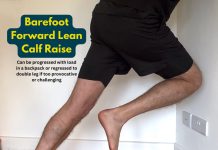
Credit: www.running-physio.com
Proper Warm-up Techniques
Proper warm-up techniques are vital for preventing calf injuries during running. They prepare your muscles for the workout, improve flexibility, and reduce strain. A well-executed warm-up can make a big difference in your running routine.
Dynamic Stretching
Dynamic stretching involves active movements that increase range of motion. They help in warming up muscles and joints effectively. Start with leg swings, arm circles, and hip rotations. These movements mimic running motions and activate the muscles you’ll use. Keep each movement controlled and steady.
Try lunges with a twist to engage your core and calves. This stretching routine should last around 5-10 minutes. Avoid static stretches before running as they may reduce muscle efficiency.
Gradual Intensity Increase
Begin your warm-up with low-intensity activities. Start walking or jogging at a slow pace. Gradually increase speed and intensity to prepare your muscles. This step is crucial for easing your body into the workout. It reduces the risk of sudden muscle strain.
Include short sprints or quick steps in your routine. They help in boosting blood flow to the calves. Keep your warm-up session around 10-15 minutes for best results. This gradual increase ensures your muscles are ready for the run ahead.

Credit: www.radiusclinic.com
Strengthening Exercises
Strengthening calf muscles can help prevent injuries during running. Exercises like calf raises and toe walks build muscle endurance. Regular stretching improves flexibility and reduces the risk of strain.
Strengthening exercises play a crucial role in preventing calf injuries. These exercises build muscle strength and improve flexibility. Strong calves support the lower leg, reducing strain during running. Consistent practice leads to better endurance and less risk of injury.Calf Raises
Calf raises are essential for building strength. Stand straight with feet hip-width apart. Lift your heels slowly, balancing on the balls of your feet. Hold for a moment and lower back down. Repeat for several sets. This exercise targets the calf muscles, enhancing power and stability.Toe Walks
Toe walks improve balance and calf endurance. Stand tall on your toes and walk forward. Keep your heels off the ground. Take small, controlled steps. Continue walking for a set distance or time. Toe walks engage the calves, supporting flexibility and reducing injury risk.Footwear Choices
Choosing the right footwear plays a crucial role in preventing calf injuries while running. The shoes you wear can affect your running posture and foot alignment. This impacts how pressure is distributed across your calves. Good footwear can help you run comfortably and safely. Below, we discuss two important footwear choices.
Supportive Running Shoes
Supportive running shoes are essential for injury prevention. They provide stability and cushioning, reducing strain on calves. Look for shoes with a firm heel and good arch support. Check the cushioning in the midsole. It should absorb shock well. Also, consider the shoe’s weight. Lightweight shoes can enhance performance. But ensure they still offer adequate support. Try different brands to find the right fit.
Custom Orthotics
Custom orthotics can be a game-changer for many runners. They are specially made to fit your feet and needs. Orthotics support the foot’s arch and align the body. They help reduce calf muscle strain and prevent injuries. Consult a specialist to get a custom fit. This ensures the best support and comfort. Remember, properly fitted orthotics can make a big difference.

Credit: www.highettpodiatry.com.au
Running Form Improvement
Improving your running form is crucial in preventing calf injuries. Every stride you take impacts your muscles, and refining your form can make a huge difference. By focusing on correct posture and stride efficiency, you can enhance your performance and safeguard your calves.
Correct Posture
Good posture is the foundation of effective running. Keeping your back straight and shoulders relaxed can prevent unnecessary strain on your calves. Imagine a string pulling you up from the top of your head—this helps keep your body aligned.
Check your head position; it should be neither too high nor too low. A simple tip is to focus on a point ahead of you. This encourages a natural posture and keeps your calves engaged in a balanced manner.
Stride Efficiency
Stride efficiency is about making each step count without wasting energy. Shorten your stride to reduce impact on your calves. This adjustment also aids in maintaining momentum and speed.
Consider the rhythm of your strides. Aim for a quick turnover which helps in distributing the effort across your muscles evenly. A metronome app can be handy to keep your stride in check.
Have you observed your foot landing? Landing softly on the midfoot ensures a smoother transition, reducing calf stress. This small tweak can be a game-changer in avoiding injuries.
Recovery And Rest
Proper recovery and rest are essential to prevent calf injuries while running. Ensure muscles are relaxed and well-nourished after each run. Incorporate adequate sleep and hydration into your routine for optimal muscle repair.
Recovery and rest are critical elements in preventing calf injuries when running. Your body needs time to heal and rebuild after the stress of running. Ignoring these can lead to chronic injuries and prolonged downtime.Adequate Rest Periods
Proper rest doesn’t mean doing absolutely nothing. It’s about giving your muscles time to repair while avoiding overexertion. Listen to your body’s signals. If your calves feel tight or sore, it’s a sign you might need more downtime. Consider scheduling regular rest days into your routine. For example, if you run five days a week, ensure that two days are dedicated to rest. This practice can significantly decrease the risk of calf strain.Active Recovery
Active recovery keeps your body in motion without the intensity of a full workout. Activities like walking, cycling, or swimming can improve circulation and help muscles recover. They offer a gentle way to maintain fitness while allowing your calves to heal. Even on rest days, engaging in light stretching or yoga can be beneficial. These activities enhance flexibility and prevent stiffness, making your next run more comfortable and less injury-prone. How often do you integrate active recovery into your routine? It might be the missing piece in your injury prevention strategy. Embrace these lighter activities to support your running goals and protect your calves.Hydration And Nutrition
Running is a fantastic way to stay fit, but calf injuries can halt progress. Proper hydration and nutrition play a crucial role in preventing these injuries. They ensure muscles function well and recover quickly. Read on to learn how you can keep your calves healthy and strong.
Electrolyte Balance
Electrolytes like sodium, potassium, and magnesium are essential. They help maintain fluid balance and muscle function. Sweating during runs can lead to electrolyte loss. To prevent this, include electrolyte-rich foods and drinks in your diet. Bananas, sweet potatoes, and sports drinks are great options. Proper electrolyte balance reduces muscle cramps and injuries.
Protein Intake
Protein is vital for muscle repair and growth. Eating enough protein helps muscles recover after running. Include lean meats, beans, and nuts in your meals. Aim for a balanced diet that supports muscle health. This reduces the risk of calf strains and injuries. Remember, a well-nourished body performs better and stays injury-free.
Listening To Your Body
Pay attention to your body’s signals to prevent calf injuries while running. Recognize early signs like tightness or discomfort, and adjust your pace or rest accordingly. Regular stretches and proper hydration can also support healthy muscles, reducing the risk of strain.
Listening to your body is vital for preventing calf injuries while running. It helps you stay in tune with your physical state. By understanding what your body tells you, you can avoid potential harm. Recognizing early signs of trouble is crucial. This proactive approach keeps you safe and enhances performance.Recognizing Pain Signals
Your body sends signals when something is wrong. Listen closely to these cues. A sharp pain in the calf might indicate a problem. Dull aches could be early signs of strain. Pay attention to recurring soreness after runs. Swelling or bruising can also be warning signs. Never ignore these indicators. They are your body’s way of asking for rest.Adjusting Training Load
Adjusting your training load prevents calf injuries. Gradually increase your running distance. Avoid sudden jumps in intensity. Incorporate rest days into your schedule. This gives your muscles time to recover. Cross-training can provide a balanced workout. It reduces the risk of overusing your calves. Always warm up before running. Cooling down after a run is equally important.Frequently Asked Questions
How Can I Strengthen My Calves For Running?
Strengthen your calves by incorporating exercises like calf raises and toe taps. These exercises enhance muscle endurance and flexibility. Include them in your routine to reduce the risk of injury while running. Regular stretching also helps maintain muscle health and prevent strain.
What Is The Best Warm-up For Calves?
The best warm-up for calves includes dynamic stretches like leg swings and ankle circles. These exercises increase blood flow to your muscles, preparing them for activity. Spend about 5-10 minutes warming up before your run to minimize the risk of calf injuries.
How Do I Avoid Calf Strains When Running?
Avoid calf strains by gradually increasing your running intensity and distance. Sudden changes can lead to overuse injuries. Ensure proper hydration and nutrition to support muscle recovery. Listen to your body and rest when needed to prevent strains.
Are Calf Compression Sleeves Helpful?
Calf compression sleeves can enhance circulation and provide support during runs. They help reduce muscle fatigue and soreness. Wearing them might improve performance and decrease recovery time. Consult a professional to ensure they’re suitable for your specific needs.
Conclusion
Preventing calf injuries while running is crucial. Start with a warm-up. Stretching helps muscles stay flexible. Choose the right shoes. Good support reduces strain. Increase your distance slowly. Sudden changes stress your calves. Listen to your body. Pain signals a need for rest.
Hydration matters too. Water keeps muscles working well. Cross-training can build overall strength. This reduces injury risk. Consistency in practice and care pays off. Stay focused and patient. Building strong calves takes time. With these steps, you can enjoy running safely.
Injury-free and confident on every run. Stay committed to these habits. Your calves will thank you.