
Imagine you’re out for a run, feeling the cool breeze and the rhythm of your feet on the pavement. Suddenly, a sharp pain shoots through your calf, bringing your stride to a halt.
Calf injuries are not only painful but can disrupt your fitness routine and daily life. But what if you could prevent them from happening in the first place? Understanding how to keep your calves healthy is crucial for staying active and avoiding setbacks.
You’ll discover simple yet effective strategies to protect your calves, keep your workouts on track, and maintain your active lifestyle. Let’s dive into the steps that will keep you moving pain-free.
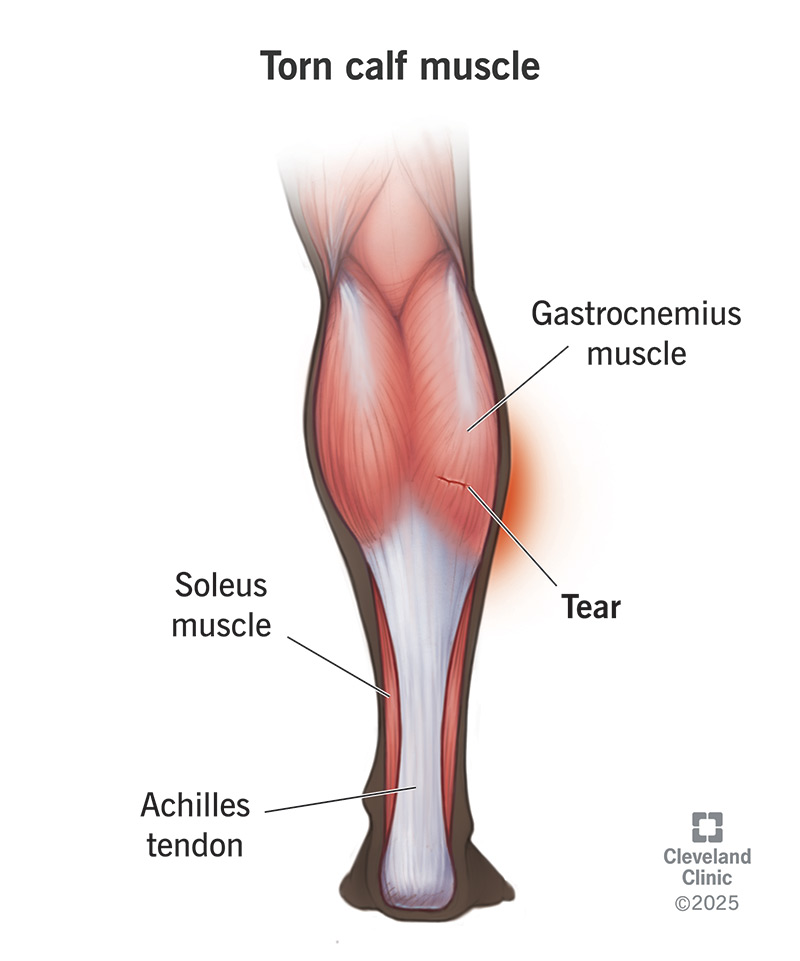
Credit: my.clevelandclinic.org
Common Causes Of Calf Injuries
Understanding the common causes of calf injuries helps in preventing them effectively. Overuse, sudden movements, and lack of warm-up often lead to strains. Regular stretching and strengthening exercises can lower the risk of calf injuries significantly.
Calf injuries can be a pesky problem for many, especially for runners and those who engage in high-impact sports. Understanding the common causes of calf injuries can help you take preventive measures and keep you active without interruptions. Let’s dive into what often leads to these unwelcome setbacks.Overuse
The most frequent culprit behind calf injuries is overuse. When you push your muscles beyond their limits, tiny tears can occur, leading to strain. This is common in athletes who increase their training intensity too quickly.Poor Warm-up Routine
Skipping or rushing through a warm-up can spell disaster for your calves. A proper warm-up increases blood flow and flexibility, preparing your muscles for action. Neglecting this step can leave your muscles tight and more prone to injury.Inadequate Footwear
Wearing the wrong shoes can wreak havoc on your calves. Shoes that lack proper support or cushioning can lead to uneven stress distribution. This not only affects your calves but can also strain other parts of your legs.Sudden Changes In Activity
Switching from a sedentary lifestyle to intense exercise or drastically changing your workout routine can shock your muscles. Such abrupt changes can lead to calf strains as your muscles struggle to adapt.Muscle Imbalances
Imbalances between your calf muscles and other leg muscles can create tension. When one muscle group overpowers another, it can pull your calves out of alignment. This imbalance often results in strains or tears.Previous Injuries
A history of calf injuries can make you more susceptible to future issues. Scar tissue from previous injuries can limit flexibility and strength, increasing the risk of re-injury. It’s crucial to rehabilitate fully before resuming full activity. Understanding these causes can empower you to make informed decisions about your exercise regimen. What changes can you make today to protect your calves?Importance Of Warm-up Exercises
Preventing calf injuries is essential for anyone who values their mobility and fitness. One of the most effective strategies is incorporating warm-up exercises into your routine. Warm-ups prepare your muscles, tendons, and joints for the activity ahead, reducing the risk of strains and tears. They increase blood flow, enhancing flexibility and range of motion, which is crucial for calf health. But how do you make your warm-up truly effective?
Dynamic Stretching Techniques
Dynamic stretching is a great way to prepare your calves before a workout. Unlike static stretching, it involves continuous movement that mimics the activity you’re about to engage in. Think of movements like leg swings, high knees, or ankle circles. These stretches warm up your muscles and improve their elasticity without causing fatigue. Next time you’re gearing up for a run, try spending a few minutes on dynamic stretches and feel the difference in your performance.
Gradual Intensity Increase
Jumping straight into high-intensity exercise without a gradual build-up can spell disaster for your calves. It’s crucial to start your workout at a lower intensity and gradually increase it. Begin with a light jog or walk to get your blood flowing, then slowly ramp up the pace. This approach gives your calves time to adjust and prepares them for more demanding activities. Have you ever noticed how your performance improves when you ease into a workout?
By focusing on these aspects, you can significantly reduce the risk of calf injuries. So, prioritize your warm-up routine and make it an integral part of your workout plan. Your calves will thank you for it!
Role Of Strength Training
Strength training plays a crucial role in preventing calf injuries. It builds muscle resilience and enhances performance. Strong calves support better movement and reduce strain. Proper training minimizes the risk of tears and strains. It is essential to focus on exercises that strengthen the calves effectively.
Targeted Muscle Workouts
Specific workouts target the calf muscles directly. These exercises improve muscle endurance and strength. Key exercises include calf raises and seated calf extensions. Each workout targets different parts of the calf muscle. Consistency in these exercises builds stronger calves over time.
- Calf Raises: Stand and lift your heels, keeping toes on the ground.
- Seated Calf Extensions: Sit and push the toes forward using resistance.
Balancing Strength And Flexibility
Balance between strength and flexibility is vital for calf health. Strong muscles need flexibility to prevent injuries. Stretching exercises complement strength training. They ensure muscles remain flexible and less prone to tears. Include stretching after strength workouts for optimal results.
- Toe Touch Stretch: Reach for your toes while seated or standing.
- Wall Stretch: Press against a wall, extending one leg behind.
Effective Stretching Practices
Preventing calf injuries starts with proper stretching. Stretching keeps muscles flexible and strong. It reduces the risk of tears and strains. Effective stretching practices are key to maintaining healthy calves. Understanding the difference between static and dynamic stretching helps in crafting a balanced routine.
Static Vs Dynamic Stretching
Static stretching involves holding a stretch for a period. It helps increase flexibility. It’s best done post-exercise when muscles are warm. Examples include calf stretches against a wall or sitting toe touches.
Dynamic stretching involves active movements. It warms up muscles before exercise. This type of stretching prepares muscles for physical activity. Examples include leg swings and walking lunges. Dynamic stretching mimics movements of the workout.
Incorporating Stretching Into Routine
Integrate stretching into your daily routine for best results. Spend at least 10 minutes on stretching exercises. This should include both static and dynamic stretches. Start with dynamic stretches before workouts. Finish with static stretches to cool down.
Consistency is key. Stretch every day to maintain muscle health. Make it a part of your fitness routine. Stretching can prevent injuries and improve performance. Allocate time for stretching, just like any other exercise.
Proper Footwear And Equipment
Wearing proper footwear and using the right equipment can help prevent calf injuries. Supportive shoes reduce strain on calves, ensuring safety during physical activities.
Proper footwear and equipment play a crucial role in preventing calf injuries. The right gear can make all the difference in your overall foot health and performance. Whether you’re an athlete or someone who enjoys a brisk walk, investing in supportive shoes and equipment is essential.Choosing Supportive Shoes
When selecting shoes, prioritize support and comfort over style. Look for shoes that offer good arch support and cushioning. This helps in absorbing impact, reducing strain on your calves. Consider the activities you’ll be doing. Running shoes differ from walking shoes in terms of design and support. For instance, running shoes often have more cushioning to handle the repeated impact. Your shoe fit matters as much as the type. A well-fitted shoe prevents unnecessary movements that can lead to injuries. Always try shoes on in the afternoon when your feet are slightly swollen, which is their largest state.Impact Of Orthotics
Orthotics can significantly enhance your footwear’s support. They are designed to align your foot and ankle into the most anatomically efficient position. This alignment helps in distributing pressure evenly across your feet. Custom orthotics are tailored to your foot structure, offering personalized support. They can be particularly beneficial if you have flat feet or high arches. Even over-the-counter orthotics can provide added comfort and support. They are a cost-effective option for those who need a little extra cushioning. Have you ever felt that nagging pain in your calf after a long walk? Try adding orthotics to your routine and notice the difference they make. By choosing the right equipment, you can prevent calf injuries and keep moving pain-free.
Credit: toneopfit.com
Hydration And Nutrition
Proper hydration maintains muscle flexibility, reducing calf injury risks. Balanced nutrition strengthens muscles, supporting recovery and injury prevention.
Understanding the crucial role of hydration and nutrition can significantly reduce the risk of calf injuries. While stretching and strengthening exercises often get the spotlight, what you consume and drink is just as vital. Your body needs the right fuel to support muscle function and recovery.Essential Nutrients For Muscle Health
To keep your calf muscles strong and resilient, focus on a diet rich in essential nutrients. Protein is a building block for muscle repair and growth. Incorporate lean meats, beans, and dairy into your meals. Calcium and Vitamin D are crucial for bone health, indirectly supporting muscle function. Enjoy foods like yogurt, leafy greens, and fortified cereals. Magnesium and potassium help maintain muscle function and prevent cramps. Bananas, nuts, and spinach are excellent sources. Are you getting enough of these in your daily diet?Hydration Strategies
Staying hydrated is more than just drinking water when you’re thirsty. Your muscles need consistent hydration to perform at their best. Aim for a balance by drinking small amounts regularly throughout the day. Consider your activity level and the climate. If you’re active or in a hot environment, you may need more fluids. Electrolyte-rich drinks can help replenish lost minerals during intense workouts. Monitor your urine color as an easy hydration check—it should be light yellow. What’s your hydration routine, and how can you tweak it to better support your muscle health?Recovery And Rest Techniques
Calf injuries can be frustrating, especially if you’re eager to get back to your fitness routine. Whether you’re an athlete or a weekend warrior, understanding the best recovery and rest techniques is crucial. Recovery isn’t just about healing; it’s about preventing future injuries and ensuring your calves regain their strength and flexibility.
Importance Of Rest Days
Rest days are vital for recovery. They give your muscles time to repair and grow stronger. Skipping rest can lead to overuse injuries and setbacks. Consider alternating high-intensity workouts with low-impact activities like swimming or yoga.
Have you ever noticed how energized you feel after a proper rest day? It’s your body thanking you for the pause. Use rest days to assess your progress and adjust your routine accordingly.
Utilizing Ice And Heat Therapy
Ice and heat therapy can be your best friends in recovery. Ice helps reduce swelling and numbs pain in the early stages of injury. Use an ice pack wrapped in a cloth for 15-20 minutes after activity.
Heat therapy, on the other hand, is perfect for relaxing muscles and improving blood flow. Apply heat before activities to warm up your calves. Imagine how soothing a warm towel feels after a long day—it can work wonders on your aching calves.
Which therapy do you prefer, and why? Understanding your body’s response can guide you in choosing the most effective method.

Credit: www.amazon.com
Consulting With Professionals
Seeking expert advice can help prevent calf injuries. Professionals offer tailored exercises and proper stretching techniques. Regular check-ins ensure your routine is effective and safe.
Consulting with professionals plays a crucial role in preventing calf injuries. Expert advice ensures you take the right steps for recovery and strength. Professionals can guide you on proper techniques and exercises.When To Seek Medical Advice
Seek medical advice if you experience persistent calf pain. Swelling or bruising also requires professional evaluation. If you have difficulty walking, it’s time to consult a doctor. An expert can determine the severity of your injury. They can recommend the best treatment plan for you.Benefits Of Physical Therapy
Physical therapy offers targeted exercises for calf injury prevention. It improves flexibility and strengthens muscles. Therapists create personalized plans based on your needs. They help you regain mobility and reduce the risk of future injuries. Regular sessions enhance overall physical health.Frequently Asked Questions
How Can I Strengthen Calf Muscles?
Strengthening calf muscles can prevent injuries. Incorporate exercises like calf raises, seated calf presses, and jump rope. Gradually increase intensity and frequency. Ensure proper form and technique to maximize benefits and minimize risks. Regular stretching aids flexibility and prevents muscle strain.
What Are Common Causes Of Calf Injuries?
Calf injuries often result from overuse, poor technique, or inadequate warm-up. Sudden movements or intense physical activity can lead to strains. Ensure proper footwear and hydration to reduce risks. Regular stretching and strengthening exercises can also help prevent injuries.
How Important Is Stretching For Calves?
Stretching is crucial for calf health. It enhances flexibility, reduces muscle tightness, and lowers injury risk. Incorporate dynamic stretches before workouts and static stretches afterwards. Stretch consistently to maintain muscle health and improve overall performance.
Can Footwear Affect Calf Injury Risk?
Yes, footwear significantly impacts calf injury risk. Wearing supportive shoes reduces strain and promotes proper alignment. Choose shoes that fit well and suit your activity. Replace worn-out shoes regularly to maintain support and reduce injury chances.
Conclusion
Preventing calf injuries takes dedication and smart habits. Always warm up before activities. Stretch regularly to keep muscles flexible. Wear proper footwear for support. Listen to your body and rest when needed. Hydration is key for muscle health. Consistent strength training builds resilience.
Remember, small steps lead to big results. Avoid sudden increases in activity to prevent strain. Seek advice from experts if unsure. Protecting your calves means enjoying your favorite activities longer. Stay proactive and attentive to your body’s signals. A little effort now saves pain later.
Stay active, stay safe.