
How often have you found yourself in the kitchen, juggling multiple tasks, only to feel the sudden sting of a burn? Or perhaps, a relaxing night by the fire takes an unexpected turn?
Burn injuries can happen in the blink of an eye, but the good news is, they are often preventable. Imagine a life where you no longer worry about these painful mishaps. By understanding a few simple precautions, you can protect yourself and your loved ones from harm.
This guide is designed with you in mind, offering practical and effective strategies to ensure your safety. Dive in and discover how you can keep your environment burn-free and enjoy peace of mind every day. Your safety is paramount, and learning how to prevent burn injuries is a step towards a more secure and comfortable life. Let’s explore how you can make small changes that lead to big protection.
Credit: www.mass.gov
Causes Of Burn Injuries
Burn injuries often result from contact with hot surfaces, flames, or chemicals. Wearing protective clothing and using safety equipment helps prevent such accidents. Stay alert in environments with potential fire hazards to reduce risks effectively.
Burn injuries can be painful and sometimes life-threatening, making it essential to understand their causes. Identifying what leads to burn injuries is the first step in prevention. As you read through the various causes, consider whether your home or workplace might harbor these risks, and think about steps you can take to reduce them.Thermal Burns
Thermal burns occur when you come into contact with hot objects, flames, or steam. Picture the sizzling sound of bacon when it splashes hot oil onto your skin. Such burns are common in kitchens or during outdoor barbecues. Have you ever reached for a pot without checking if the handle was cool? These everyday actions can lead to painful injuries. Be mindful in these environments, and use appropriate protective gear like oven mitts.Chemical Burns
Chemical burns result from exposure to hazardous substances such as acids or alkalis. Imagine cleaning your bathroom with strong bleach and accidentally splashing it onto your skin. These burns can happen during routine tasks or industrial work. Are there strong chemicals stored within your reach at home? Ensure you handle and store them safely to prevent accidents.Electrical Burns
Electrical burns occur when you come into contact with live wires or faulty electrical equipment. Think about the last time you plugged in an old toaster and felt a slight shock. Such burns are often overlooked until severe injuries occur. Is your home’s wiring up to date? Regular inspections can prevent electrical accidents and keep you safe.Radiation Burns
Radiation burns are caused by prolonged exposure to UV rays or other radiation sources. Remember the last sunburn you got from spending too long at the beach without sunscreen? These burns can be minor or severe, depending on exposure. Do you apply sunscreen before heading out on sunny days? Protecting your skin is vital to prevent these injuries.
Credit: www.youtube.com
Kitchen Safety Tips
The kitchen is often the heart of the home, where family gatherings and culinary creativity come to life. However, it’s also a hotspot for burn injuries, making kitchen safety a crucial topic. Implementing effective safety measures can transform your cooking space into a safe haven. Let’s dive into some essential tips that will help you prevent burn injuries in the kitchen.
Safe Cooking Practices
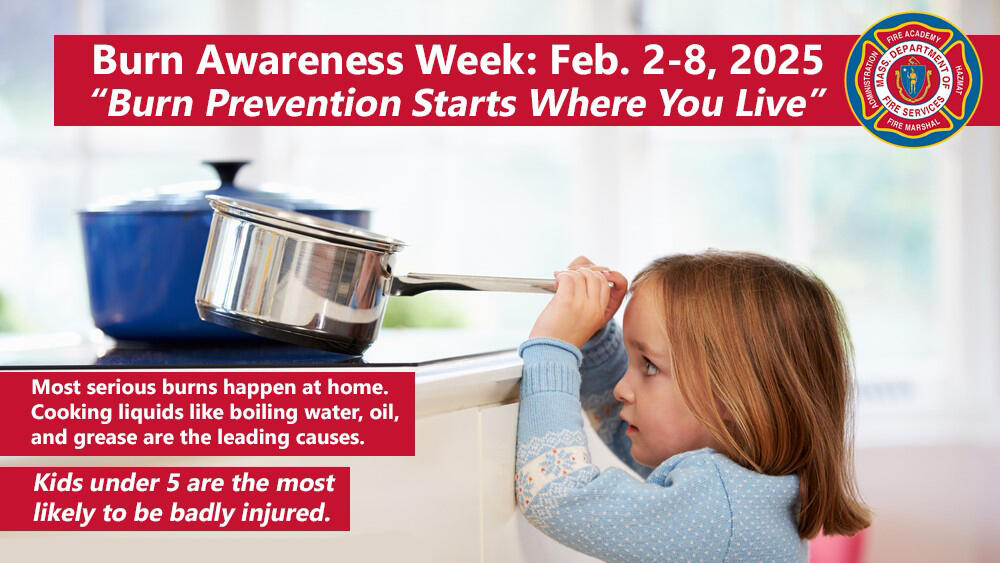
Always keep pot handles turned inward to avoid accidental knocks. This simple action can prevent spills that could lead to burns. Opt for using the back burners when possible, especially if you have children around. It minimizes the risk of curious hands reaching up.
Consider wearing fitted clothing while cooking. Loose sleeves can easily catch fire, posing a severe risk. If you’ve ever had a sleeve brush against a hot surface, you know how quickly things can escalate.
Handling Hot Liquids
Be cautious with hot liquids, as they can cause severe burns. Use potholders or oven mitts when handling pots and pans. This prevents direct contact with hot surfaces.
Always lift lids away from you to let steam escape safely. A blast of steam can be just as harmful as boiling water. Stir liquids carefully to avoid splattering, particularly if you’ve added ingredients that cause bubbling.
Using Appliances Safely
Regularly check the cords and plugs of your appliances for wear and tear. Faulty cords can lead to electrical fires or burns. Ensure your appliances are not overloaded, as this can cause overheating.
Remember to unplug appliances when not in use. It’s easy to forget, but doing so can prevent unexpected accidents. Engage safety locks on devices like microwaves, especially if you have kids, to prevent misuse.
How often do you consider kitchen safety while cooking? Implementing these tips can help you avoid common burn injuries and make your kitchen a safer place for everyone.
Fire Safety Measures
Understanding fire safety is crucial to preventing burn injuries. Keep flammable items away from heat sources. Install smoke alarms and ensure they work properly. Regularly check electrical appliances for faults.
Fire Safety Measures are essential in protecting your home and family from the devastating effects of fire. By taking proactive steps, you can significantly reduce the risk of burn injuries. Let’s explore some critical fire safety measures that can make a difference in your home.Smoke Alarms And Detectors
Installing smoke alarms is your first line of defense against fires. Make sure they are placed on every level of your home, especially near sleeping areas. Regularly test the alarms and replace batteries at least once a year. A friend of mine once ignored a smoke alarm with low batteries, thinking it was just a nuisance. A month later, a small kitchen fire broke out, and the alarm’s silence could have led to a disaster. Never underestimate the importance of a working smoke alarm.Fire Extinguisher Use
Having a fire extinguisher at home is crucial. But it’s not just about owning one—knowing how to use it is equally important. Familiarize yourself with the PASS technique: Pull, Aim, Squeeze, and Sweep. Consider this: in an emergency, would you feel confident using a fire extinguisher? Practice using it in a controlled environment. This preparation can be the difference between a minor incident and a major catastrophe.Creating An Escape Plan
An escape plan is your roadmap to safety. Discuss and practice it with your family so everyone knows what to do during a fire. Identify at least two exits from every room and establish a meeting point outside the home. Imagine waking up to the sound of a smoke alarm in the middle of the night. In that moment, having a rehearsed escape plan can save precious seconds. Make it a fun family activity—draw a map, assign roles, and practice regularly. Your preparedness today can lead to safety tomorrow.Electrical Safety
Understanding electrical safety can prevent burn injuries. Use insulated tools to handle electrical equipment safely. Regularly check wiring for damage and replace immediately if needed.
Electrical safety is crucial to prevent burn injuries in your home. It’s easy to overlook the risks when you’re surrounded by devices that make life convenient. But a little attention to detail can save you from potential hazards. Understanding how to manage your electrical setup can keep you safe and sound.Avoiding Overloaded Circuits
Overloading circuits is a common issue that can lead to electrical fires. You might think it’s harmless to plug multiple devices into one outlet. However, this can strain your electrical system. Consider using power strips with built-in surge protectors. They distribute power evenly and prevent overheating. Regularly check your circuit breaker for signs of overload, like frequent tripping.Safe Use Of Electrical Devices
Using electrical devices safely is key to avoiding burns. Ensure your appliances are in good condition. Look out for frayed wires or damaged plugs. These can cause sparks and potential fires. Unplug devices when not in use to prevent overheating. Invest in devices with automatic shut-off features; they’re a lifesaver in case you forget to turn them off.Childproofing Electrical Outlets
Childproofing electrical outlets is essential if you have kids. Curious fingers and open outlets are a dangerous combination. Use outlet covers to block access. Consider installing tamper-resistant outlets; they have a built-in shutter system that prevents objects from being inserted. Teach your children about the dangers of electricity in a simple and engaging way. How about a fun safety quiz? It’s a great way to make them aware without scaring them. What steps have you taken to ensure electrical safety in your home? Share your tips and experiences!Outdoor Burn Prevention
Prevent burn injuries by maintaining safe distances from fire pits and grills. Supervise children and keep flammable items away. Always have a fire extinguisher nearby for emergencies.
Outdoor activities can be a great way to enjoy nature, relax, and create memories with loved ones. However, these activities can also pose risks, particularly when it comes to burn injuries. Whether you’re lighting up a bonfire or spending a day under the sun, being aware and taking preventive measures can ensure your outdoor adventures remain safe and enjoyable.Bonfire And Barbecue Safety
Bonfires and barbecues are popular outdoor activities, but they require careful attention to safety. Always set up your fire pit or grill in an open area away from overhanging trees or flammable materials. Keep a safe distance from your home or any structures. Ensure you have a bucket of water or a fire extinguisher nearby in case things get out of hand. Always supervise children and pets, keeping them at a safe distance from the heat source. Remember, even a momentary lapse in attention can lead to serious injuries. When using a barbecue grill, check for gas leaks or wear and tear before lighting. Use long-handled tools to avoid getting too close to the flames. If using charcoal, never add lighter fluid to an already lit grill, as this can cause dangerous flare-ups.Safe Handling Of Chemicals
Chemicals such as lighter fluids, gasoline, or even cleaning products can be hazardous if not handled properly. Always store them in their original containers, away from children and pets. Labels provide important safety information, so take a moment to read them before use. When using chemicals, wear protective gear like gloves and eyewear to prevent accidental splashes or contact. Ensure good ventilation by using these substances outdoors or in well-ventilated areas. Dispose of chemicals responsibly, following local guidelines to prevent accidents. Consider this: Have you ever underestimated the power of a chemical, only to be surprised by its effects? This reminder can help you approach handling with the caution it deserves.Sunburn Prevention Tips
Spending time outdoors often means prolonged exposure to the sun, which can lead to painful sunburns if you’re not careful. Apply a broad-spectrum sunscreen with an SPF of at least 30, even on cloudy days. Reapply every two hours, especially after swimming or sweating. Wear protective clothing like hats, sunglasses, and long sleeves to shield your skin from harmful UV rays. Seek shade during the peak sun hours between 10 a.m. and 4 p.m. Hydrate regularly, as water helps your skin stay resilient and healthy. Have you ever noticed how your skin feels after a day in the sun? Taking these precautions can keep your skin feeling fresh and protected, ensuring you enjoy your outdoor time without discomfort. By prioritizing these safety tips, you can prevent burn injuries and make your outdoor activities both fun and safe.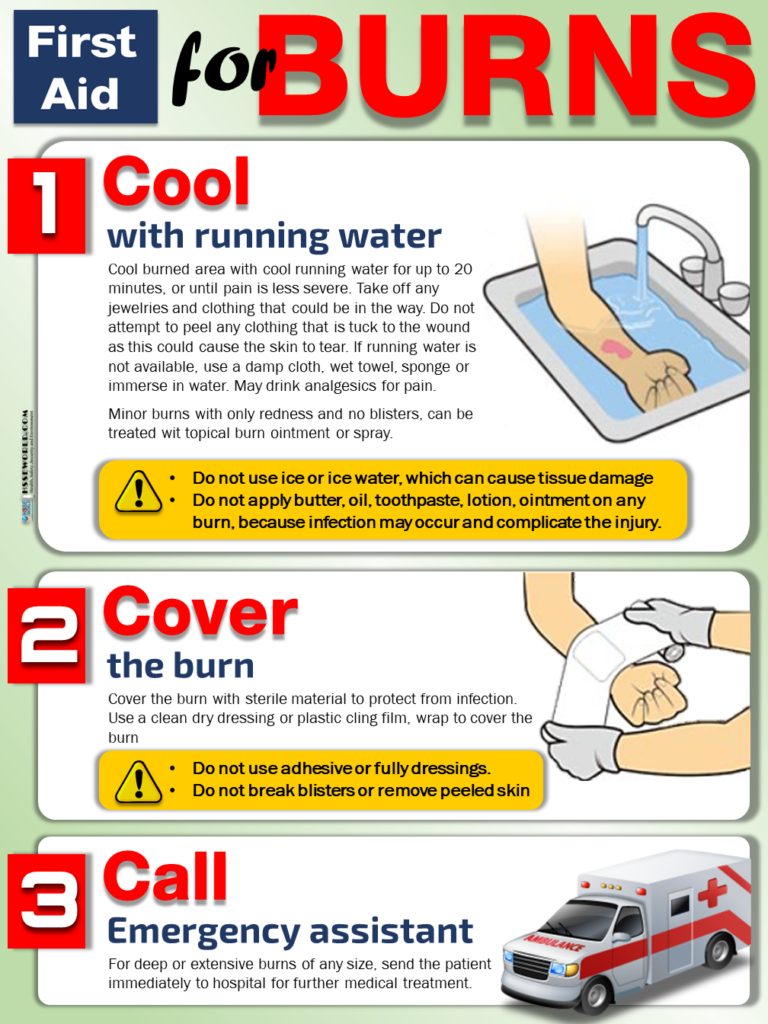
Credit: hsseworld.com
Workplace Safety Protocols
Workplace safety protocols are essential to prevent burn injuries. They create a safe environment for all employees. These protocols involve various measures and guidelines. Each step ensures that workers are protected from potential hazards. Understanding these protocols can significantly reduce burn risks.
Protective Gear And Clothing
Wearing the right protective gear is crucial. It acts as the first line of defense against burns. Fire-resistant clothing can prevent severe injuries. Safety gloves and goggles are also essential. They protect hands and eyes from harmful substances. Employers must provide appropriate gear for all tasks.
Training And Emergency Procedures
Training is key to safety in the workplace. Employees should know how to handle emergencies. Regular drills prepare them for real situations. They learn to use safety equipment effectively. Knowledge of first aid can save lives. Proper training boosts confidence and reduces panic.
Hazardous Material Handling
Handling hazardous materials requires careful attention. Workers must know how to store and transport them safely. Proper labeling of materials prevents confusion. Using the right tools minimizes risks. Employers should offer clear guidelines for handling these substances. Safety data sheets provide essential information. They inform workers of potential dangers and precautions.
First Aid For Burns
Avoiding burn injuries requires careful attention to safety. Keep flammable objects away from heat sources. Use protective gear when handling hot items.
Burn injuries can happen in an instant. Knowing proper first aid is crucial. Quick action helps minimize damage and speeds up recovery. Understanding the right steps can prevent complications.Immediate Steps To Take
First, cool the burn with running water. Use gentle water flow for 20 minutes. Avoid ice or very cold water, as they can worsen burns. Remove tight clothing or jewelry near the burn area. Cover the burn with a clean, non-stick bandage. This keeps the wound clean and reduces pain.When To Seek Medical Help
Seek help for burns larger than a palm or on the face. If the burn is deep or looks charred, see a doctor. Burns from chemicals or electricity need medical attention. If the person feels dizzy or weak, call for help. Watch for signs of infection like swelling or pus.Common Mistakes To Avoid
Do not apply butter or oil to burns. They trap heat and worsen damage. Skip using cotton balls; they can stick to burns. Avoid breaking blisters; they protect against infection. Don’t use ointments unless advised by a doctor. Never ignore pain; seek help if it persists.Educating Children On Safety
Preventing burn injuries is crucial for children’s safety. Educating them about fire hazards helps reduce risks. Children need simple, clear instructions on staying safe. This empowers them to act wisely in dangerous situations.
Teaching Fire Safety
Introduce the concept of fire safety early. Explain the dangers of playing with matches or lighters. Use stories or videos to illustrate these dangers. Show them how to stop, drop, and roll if clothes catch fire. Practice this drill regularly to ensure they remember.
Handling Hot Objects
Teach children to recognize hot objects. Explain the dangers of touching stove tops, ovens, and hot pans. Use visual aids like signs or stickers to mark hot areas. Encourage them to ask an adult before touching unfamiliar objects. Help them understand that some things can burn even if they don’t look hot.
Emergency Contact Information
Ensure children know emergency contact details. Teach them how to dial emergency services. Make a list of important numbers, like parents and neighbors. Keep this list in an accessible place, like the fridge door. Practice what to say during an emergency call. Role-playing can make this learning fun and memorable.
Frequently Asked Questions
What Are Common Causes Of Burn Injuries?
Burn injuries often result from hot liquids, open flames, or electrical sources. Chemical burns can occur from exposure to harsh substances. Understanding common causes helps in prevention. Be mindful of potential hazards in kitchens, bathrooms, and workplaces. Always ensure safety equipment is accessible and functional.
How Can I Treat Minor Burns At Home?
Treat minor burns by cooling the area with running water for 10-15 minutes. Avoid ice as it can harm skin. Apply aloe vera or a burn ointment to soothe the skin. Keep the burn clean and covered with a sterile bandage.
Consult a doctor if the burn worsens.
Are There Simple Tips To Prevent Burns?
Prevent burns by using oven mitts and pot holders in the kitchen. Install smoke detectors and test them regularly. Keep a fire extinguisher handy. Avoid loose clothing near open flames. Educate family members about fire safety. Regularly check electrical cords and appliances for damage.
What Should I Do For Severe Burns?
For severe burns, immediately call emergency services and ensure safety. Do not remove burned clothing, but ensure the person is safe from further harm. Cover the burn with a clean, moist cloth. Keep the person calm and wait for professional help.
Avoid applying ointments or ice.
Conclusion
Preventing burn injuries is crucial for safety at home and work. Always keep flammable items away from heat sources. Test water temperature before bathing or washing hands. Use protective gear when cooking or handling hot objects. Educate children on fire hazards and safety practices.
Regularly check smoke alarms and fire extinguishers. Stay alert and cautious to avoid accidents. Simple precautions can save lives and reduce injuries. Practice safety every day for peace of mind. Remember, prevention is better than cure. Stay safe and protect yourself and your loved ones from burns.