
Imagine waking up one day, ready to take on the world, only to have everything change in an instant. A brain injury can happen to anyone, anytime, and the effects can be life-altering.
But what if you could take simple steps to protect yourself and those you love from this risk? You have the power to make a difference. By understanding how to prevent brain injuries, you can maintain your well-being and safeguard your future.
Dive into this article to discover practical tips and strategies that could be the key to protecting your most vital asset—your brain. Your journey to a safer life starts here.
Understanding Brain Injuries
Preventing brain injuries involves using helmets during sports and wearing seatbelts in vehicles. Avoiding falls by keeping living spaces clutter-free is essential. Educating children about safety rules also plays a crucial role in prevention.
Understanding brain injuries is crucial in preventing them effectively. A brain injury can change a person’s life in an instant. It can affect the way they think, feel, or move. Knowing more about these injuries helps in taking the right steps to avoid them.Types Of Brain Injuries
Brain injuries can be traumatic or non-traumatic. Traumatic injuries happen from an external force. This includes accidents, falls, or violence. Non-traumatic injuries occur from internal factors. This includes strokes or infections. Both types can be severe, affecting the brain’s function.Common Causes
Accidents and falls are leading causes of brain injuries. Sports injuries also contribute significantly. Violence and assaults can result in serious brain harm. Medical conditions like strokes or aneurysms also pose risks. Being aware of these causes helps in taking preventive measures.Long-term Effects
The effects of brain injuries can last a lifetime. Memory loss is common among survivors. Difficulty in speaking or understanding speech may occur. Emotional changes like depression or anxiety can develop. Physical effects might include paralysis or coordination issues. Recognizing these effects underlines the importance of prevention.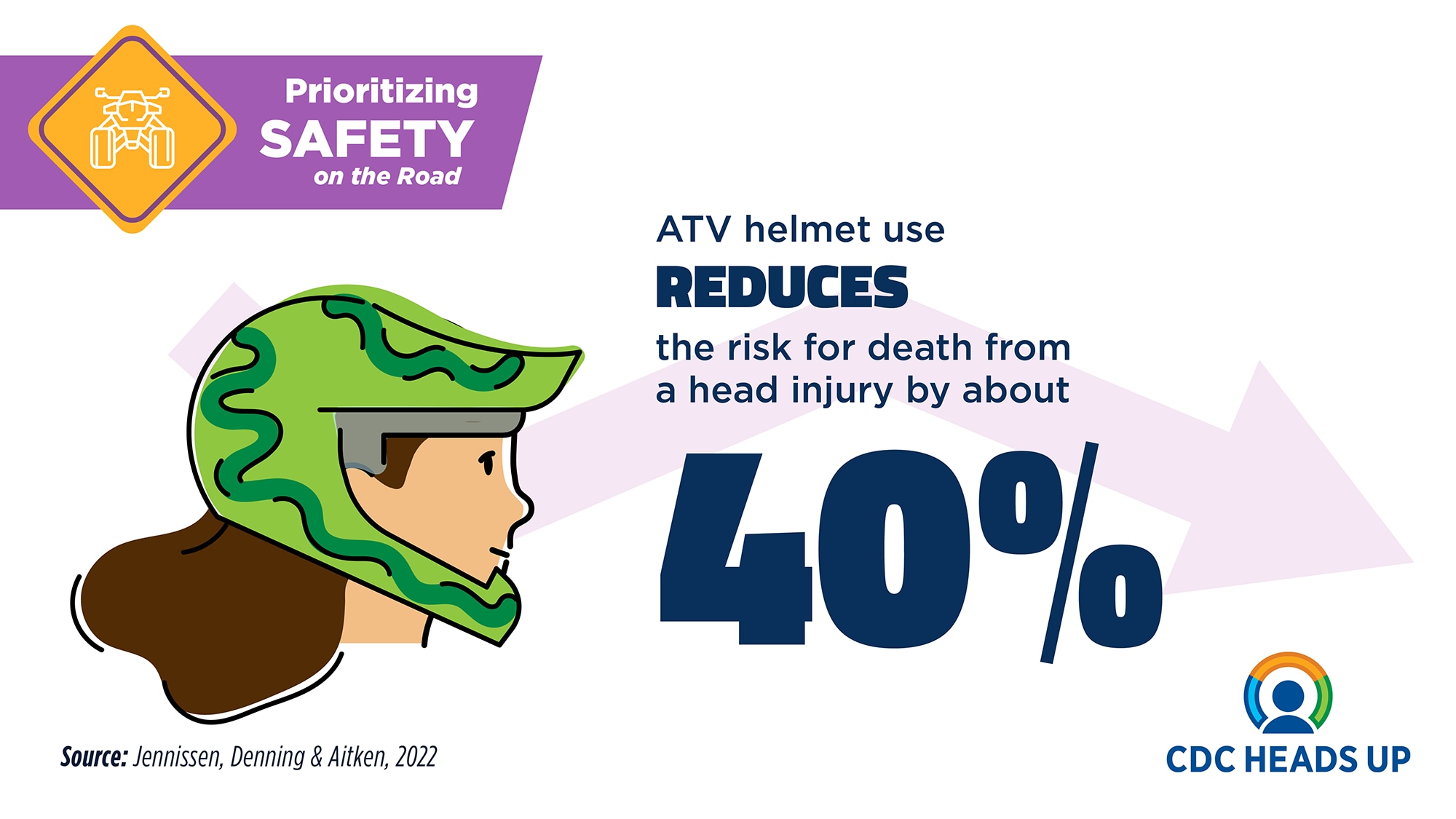
Credit: www.cdc.gov
Home Safety Measures
Ensure rugs are securely fastened to avoid slips. Install handrails on stairs for safer navigation. Use corner guards on furniture to cushion impacts.
Ensuring your home is a safe haven is crucial in preventing brain injuries. Simple adjustments can significantly reduce risks, especially for vulnerable family members like children and the elderly. Let’s dive into how you can make your living space safer.Fall Prevention
Falls are a leading cause of brain injuries at home. To minimize this risk, ensure your pathways are clear of clutter. Regularly check for loose rugs or carpets and secure them with non-slip pads. Install grab bars in the bathroom and handrails on staircases. Consider adding night lights in hallways and bathrooms to make nighttime navigation easier. Do you have a staircase that seems a bit too slippery? Non-slip treads can make a huge difference.Childproofing Tips
Children are naturally curious, which can lead to accidents. Childproofing your home is essential to prevent injuries. Use safety gates at the top and bottom of staircases. Cover sharp furniture edges with corner guards. Place socket covers on unused electrical outlets to prevent curious fingers from exploring dangerous areas. Store heavy items on lower shelves to avoid them falling onto little heads. Think about how your child moves around the house. Are there certain areas they are drawn to? Make those areas as safe as possible.Safe Storage Of Hazardous Materials
Hazardous materials can pose significant risks if not stored properly. Keep cleaning products, medications, and other dangerous substances locked away or stored in high cabinets. Label all containers clearly and ensure they are out of reach of children. Do you have a garage or storage area where hazardous materials are kept? Consider organizing these spaces with labeled bins and locked cabinets. Evaluate your home for potential exposure to harmful chemicals. Ensure you have child-resistant locks on cabinets that house these materials. Taking these steps can prevent accidental ingestion or contact, potentially saving lives.Sports And Recreational Safety
Wearing protective gear like helmets reduces the risk of brain injury during sports. Ensuring proper fit and quality enhances safety. Regular training on safe techniques also helps in preventing accidents and injuries.
Sports and recreational activities provide endless fun and health benefits. They also carry risks of brain injury if not practiced safely. Understanding the importance of safety measures can help prevent these injuries. This section discusses essential aspects of sports safety, focusing on protective gear, safe techniques, and recognizing concussion signs.Protective Gear Importance
Wearing protective gear reduces the risk of brain injuries. Helmets are crucial in sports like cycling and football. They absorb impact and protect the skull from severe damage. Mouth guards can prevent jaw injuries, reducing concussion risks. Choose gear that fits well and meets safety standards. Regularly check equipment for wear and tear.Safe Playing Techniques
Safe techniques enhance sports safety. Learn and practice proper techniques from coaches. Avoid aggressive plays and follow game rules. Warm up before engaging in physical activities. Stretch muscles to avoid injuries. Cool down after exercising to help muscle recovery. Stay hydrated to maintain focus and physical readiness.Recognizing Concussion Signs
Concussions are common brain injuries in sports. Recognizing signs early helps in getting timely medical care. Watch for symptoms like confusion, headache, and dizziness. Nausea and sensitivity to light might indicate a concussion. If any signs appear, stop playing immediately. Seek medical attention to assess the injury.Road Safety Practices
Road safety is crucial in preventing brain injuries. Being mindful on the road protects everyone. Simple practices make a big difference in safety.
Helmet Use For Cyclists
Wearing a helmet is vital for cyclists. It shields the head from impact. A good helmet fits snugly, covering the forehead. Choose one with safety certifications. Always buckle the straps securely.
Seatbelt Significance
Seatbelts save lives. They keep you secure during sudden stops. Fasten your seatbelt every time you drive. Ensure all passengers do the same. Properly adjust it across your chest and lap.
Avoiding Distractions
Stay focused on driving. Distractions increase accident risks. Keep phones away while driving. Avoid eating or fiddling with the radio. Focus on the road and surroundings.
Workplace Safety Protocols
Preventing brain injury at work involves wearing helmets and ensuring equipment is well-maintained. Regular safety training helps employees recognize hazards quickly. Clear signage and organized workspaces reduce accident risks.
Ensuring workplace safety is crucial to prevent brain injuries. These injuries can have lasting impacts on both individuals and organizations. Implementing effective safety protocols can reduce risks and create a safer work environment for everyone.Hazardous Environment Awareness
Being aware of potential hazards in your workplace is the first step to preventing injuries. Take a moment to look around your work area: are there any exposed wires or slippery floors? Understanding these risks helps you and your team stay vigilant. Regular training sessions can heighten this awareness. Encourage open communication where employees can report hazards without fear. This proactive approach can mitigate risks before they become serious problems.Proper Use Of Safety Equipment
Safety equipment is only effective if used correctly. Are you and your colleagues trained in using helmets, goggles, or harnesses? Proper training ensures that the equipment provides maximum protection. Consider a personal story: a colleague once ignored wearing a helmet, thinking it was unnecessary for a short task. An unexpected fall proved how critical that simple piece of equipment was. Such experiences underline the importance of vigilance.Emergency Response Plans
Having a clear emergency response plan is essential. Does your team know what to do in case of an accident? Quick, well-coordinated action can minimize injury severity. Regular drills ensure everyone is familiar with the procedures. Encourage your team to ask questions and provide feedback to refine these plans. A well-prepared response can make a significant difference in an emergency. Creating a culture of safety requires ongoing effort and commitment. Are you ready to take the necessary steps to protect your workplace? By focusing on awareness, equipment, and emergency plans, you can greatly reduce the risk of brain injuries and keep everyone safe.
Credit: concussionawarenessnow.org
Elderly Care Considerations
Protecting the elderly from brain injuries involves ensuring safe living environments. Remove tripping hazards and install grab bars in key areas. Encourage regular cognitive exercises to keep their minds active and engaged.
Caring for the elderly involves special attention to prevent accidents and injuries, particularly brain injuries. As we age, our physical and cognitive abilities may decline, increasing the risk of accidents like falls. Thoughtful elderly care can significantly reduce these risks, ensuring a safer living environment. Here are some essential considerations to keep in mind.Fall-proofing Living Spaces
Creating a fall-proof environment is crucial for preventing brain injuries among the elderly. Start by removing clutter and securing loose rugs to eliminate tripping hazards. Install grab bars in bathrooms and ensure that staircases have sturdy handrails. Consider brighter lighting in hallways and rooms to improve visibility. Using non-slip mats in the bathroom and kitchen can also help prevent slips and falls. Regularly checking the home for potential hazards can make a world of difference in maintaining safety.Regular Health Checkups
Regular health checkups are vital in identifying and managing conditions that might increase fall risk. These checkups can help detect issues like balance disorders, vision problems, or medication side effects. Encourage your loved ones to attend routine eye and ear exams as well. Detecting and treating health issues early can reduce the risk of falls and subsequent injuries. Do you ensure your loved ones never skip a doctor’s visit?Medication Management
Proper medication management is key in reducing fall risk among the elderly. Some medications may cause dizziness or drowsiness, contributing to falls. Create a list of all medications being taken and review them with a healthcare provider regularly. This review can help adjust dosages or switch medications if necessary. Are you aware of how each medication might affect balance or coordination? By taking these steps, you can create a safer environment for elderly individuals, significantly reducing the risk of brain injuries. Remember, prevention is always better than cure, especially when it comes to the well-being of your loved ones.Technological Aids
Protecting your brain requires smart use of technological aids. Devices like helmets with advanced sensors help detect potential impacts early. Smart software can guide you to maintain safe postures, reducing the risk of injury.
Technological aids play a crucial role in preventing brain injuries. They provide innovative solutions to enhance safety and awareness. These aids are accessible and user-friendly for people of all ages. Let’s explore some key technological aids that can help in this important task.Smart Home Devices
Smart home devices enhance safety and prevent accidents. They include voice-activated assistants and motion sensors. These devices can alert you to potential dangers. They also offer reminders for medication or appointments. Smart lighting systems can prevent falls by illuminating dark areas. These features make homes safer for everyone.Wearable Safety Tech
Wearable safety tech offers personal protection and monitoring. Smart helmets have impact sensors to detect falls. They send alerts if a significant impact occurs. GPS-enabled devices track location, providing safety for outdoor activities. Wearable tech is lightweight and comfortable. It’s designed for daily use without inconvenience.Emergency Alert Systems
Emergency alert systems ensure quick response in emergencies. They are often wearable or installed in homes. With a simple push button, help is summoned immediately. These systems connect to medical services or emergency contacts. They are essential for individuals at risk of falls or accidents. Emergency alerts provide peace of mind and faster assistance.Education And Awareness
Understanding brain injury prevention is crucial for safety. Wearing helmets during sports can protect the head. Educating children about road safety rules helps prevent accidents.
Education and awareness are crucial in preventing brain injuries. By understanding the risks and learning preventive measures, you can reduce the likelihood of injury. Knowledge empowers individuals to make safer choices and advocate for community-wide safety improvements.Community Programs
Community programs can be a game-changer in spreading awareness about brain injury prevention. Local workshops and seminars can bring people together to learn from experts. Consider joining community safety groups that focus on topics like helmet safety, fall prevention, and safe driving. Hosting interactive sessions with survivors or medical professionals can offer real-life insights. Have you ever attended a community event that made you rethink your safety habits? These programs often provide practical tips that stick with you.School Safety Initiatives
Schools play a vital role in teaching children about brain injury risks and prevention. Implementing safety classes in the curriculum can make students more aware of their surroundings. Initiatives like helmet safety days and playground safety audits create a culture of safety. Collaborating with parents and local authorities can strengthen these programs. Imagine the impact if schools conducted regular safety drills and workshops! Such initiatives prepare children to act wisely in real-life situations.Public Health Campaigns
Public health campaigns can reach a broad audience and inspire change. These campaigns use media channels to spread crucial information about brain injury prevention. Strategies like social media challenges or informative videos can engage and educate. Think about the power of a well-placed billboard or a viral social media post. Have you seen a campaign that made you pause and reflect on your habits? Public health campaigns have the potential to shift public perception and encourage safer practices. By supporting these educational efforts, you contribute to a safer environment for everyone.
Credit: www.instagram.com
Frequently Asked Questions
What Are Common Causes Of Brain Injury?
Brain injuries often result from falls, vehicle accidents, or sports injuries. Violent assaults and strokes can also cause brain damage. These incidents can lead to traumatic brain injuries (TBIs) or acquired brain injuries (ABIs). Understanding these causes is vital for prevention and safety measures.
How Can Helmets Prevent Brain Injury?
Helmets absorb impact and reduce the risk of brain injury. They are essential for activities like cycling and motorcycling. By cushioning the head, helmets can prevent severe trauma. Always ensure a proper fit for optimal protection.
Can Regular Exercise Help Prevent Brain Injury?
Yes, regular exercise improves balance and coordination, reducing fall risks. Strengthening muscles and enhancing reflexes also helps. Exercise contributes to overall brain health, potentially lowering injury risks. Always consult a physician before starting any new exercise regimen.
Why Is Seatbelt Use Crucial For Brain Safety?
Seatbelts secure passengers, minimizing the risk of head injuries during collisions. They prevent occupants from being thrown forward. Using seatbelts reduces severe injuries in car accidents. Always buckle up, regardless of the distance traveled.
Conclusion
Preventing brain injuries is crucial for a healthy life. Wear helmets during sports. Use seat belts in cars. Keep your home safe from falls. Educate children about safety rules. Stay alert in risky situations. Avoid distractions when driving. Regular exercise strengthens brain health.
A balanced diet also supports brain function. Awareness can reduce brain injury risks. Protect your brain, protect your future. Stay informed and prioritize safety daily. Your brain is your most valuable asset. Keep it safe and sound.