
Are you passionate about boxing but concerned about getting injured? You’re not alone.
Boxing is an exhilarating sport, but it comes with its own set of risks. The last thing you want is to be sidelined by an injury just when you’re hitting your stride. Imagine stepping into the ring with confidence, knowing you’ve done everything possible to protect yourself.
By understanding how to prevent common boxing injuries, you not only enhance your performance but also extend your passion for the sport. So, are you ready to learn how to keep yourself safe and strong every time you lace up your gloves? Let’s dive in and discover the secrets to a safer boxing experience.
Proper Warm-up Techniques
Preventing boxing injuries starts with a proper warm-up. Warming up prepares your body for intense workouts. It helps muscles and joints become more flexible. This reduces the risk of injuries. A good warm-up increases blood flow and heart rate. It mentally prepares you for the challenges ahead. Let’s explore essential warm-up techniques to keep you safe.
Dynamic Stretching
Dynamic stretching involves active movements. It helps improve flexibility and range of motion. Arm swings and leg kicks are examples. These movements increase blood flow to muscles. They prepare your body for boxing. Dynamic stretching activates muscle groups. This enhances performance and reduces injury risk.
Cardio Exercises
Cardio exercises are vital in warming up. They boost your heart rate and circulation. Jumping jacks and light jogging are common cardio warm-ups. These exercises increase stamina and energy levels. Cardio prepares your cardiovascular system for high-intensity training. It helps in building endurance, crucial for boxing.
Joint Mobilization
Joint mobilization focuses on moving joints smoothly. This enhances joint flexibility and reduces stiffness. Neck rotations and wrist circles are effective. These exercises prepare joints for swift movements. Joint mobilization prevents strains and sprains. It ensures joints can handle boxing’s demands.

Credit: buffalokickbox.com
Protective Gear
Proper protective gear is crucial to prevent boxing injuries. Wear high-quality gloves, mouthguards, and headgear to safeguard against harm. Ensure all equipment fits well for maximum safety during training and matches.
Protective Gear is crucial for any boxer aiming to prevent injuries. It’s not just about stepping into the ring with confidence; it’s about ensuring that every punch you throw and receive is cushioned by the right equipment. The right gear can mean the difference between a long career and a short one. Have you considered how well your gear protects you?Hand Wraps
Properly wrapping your hands is an essential part of boxing. Hand wraps provide support to your wrists and knuckles, absorbing shock and preventing sprains. Using high-quality wraps can minimize the risk of fractures, ensuring your hands stay protected during intense training sessions. Think of hand wraps as your first line of defense, offering stability to your hands.Mouthguards
A mouthguard is not just a piece of plastic you bite down on; it’s a crucial tool for safeguarding your teeth and gums. Mouthguards prevent cuts inside your mouth and reduce the risk of concussions by absorbing impact. Consider custom-fitting mouthguards for the best protection and comfort. With each punch, your mouthguard works tirelessly to keep your smile intact. Have you wondered how much damage one punch could do without it?Headgear
While headgear is often debated, its role in preventing superficial injuries like cuts and bruises is undeniable. Headgear cushions blows to the head, reducing the risk of lacerations and protecting your face during sparring. It’s not just about looking the part; it’s about ensuring your safety with every hit. Choosing the right headgear can make you feel secure, allowing you to focus on your technique rather than worrying about injuries. Is your headgear doing its job?Correct Punching Technique
Proper punching technique is crucial to preventing injuries in boxing. Ensure wrists are straight and knuckles lead the punch. Engage the core for power while maintaining a balanced stance for stability.
Mastering the correct punching technique is essential for preventing boxing injuries. It’s not just about throwing a punch; it’s about doing it with precision and control. Proper technique minimizes risk and maximizes power, ensuring you stay safe while getting the most out of your workout.Stance And Balance
Your stance is the foundation of every punch. Feet should be shoulder-width apart, with your dominant foot slightly back. This positioning provides stability and balance, crucial for delivering a powerful punch without losing control. Keep your knees slightly bent. This allows for better movement and quick adjustments. A firm stance prevents you from being easily knocked off balance, protecting you from potential injuries.Punching Form
The key to a good punch lies in the alignment of your fist, wrist, and shoulder. Ensure your wrist is straight upon impact to avoid strains or fractures. A bent wrist can lead to painful injuries that could sideline your training. Rotate your hips and shoulders as you punch. This motion adds force and ensures your whole body is engaged. Remember, a punch isn’t just about your arm; it’s a full-body movement.Breathing Techniques
Breathing correctly can enhance your performance and protect you from injuries. Exhale sharply as you punch, which tightens your core muscles and stabilizes your body. This technique also helps you maintain rhythm and focus. Inhale as you retract your punch and reset your stance. This controlled breathing keeps your energy levels up and prevents unnecessary fatigue. Ever noticed how top boxers seem tireless? Their secret often lies in mastering their breath. Are you paying attention to how you breathe during your workouts? It might be the game-changer you need.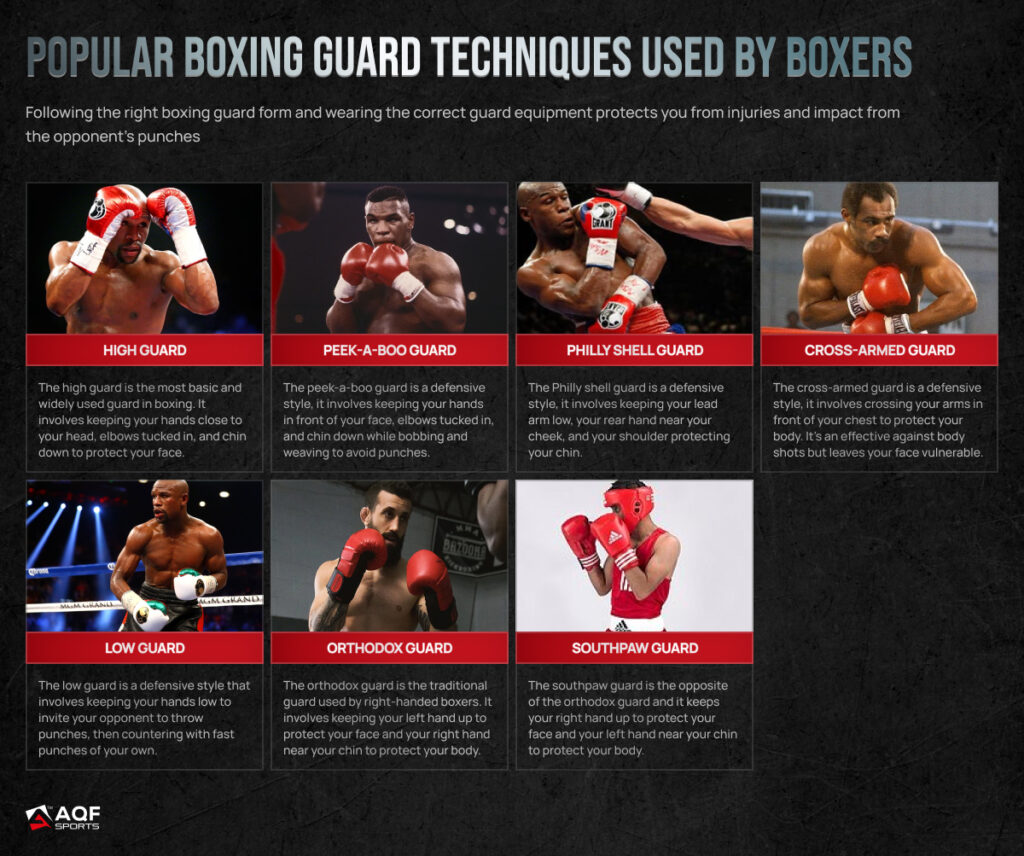
Credit: uk.aqfsports.com
Conditioning And Strength Training
Strength and conditioning exercises help prevent boxing injuries. They build muscle and improve flexibility, reducing strain and impact. Regular training ensures a balanced body, enhancing performance and safety in the ring.
Conditioning and strength training play a crucial role in preventing boxing injuries. They not only enhance your performance but also fortify your body against potential harm. By focusing on building a strong and resilient physique, you can minimize the risk of injuries and enjoy a longer, healthier boxing career.Core Exercises
A strong core is essential for maintaining balance and power in the ring. Incorporate exercises like planks, Russian twists, and medicine ball slams into your routine. These exercises help stabilize your midsection, allowing you to deliver powerful punches while protecting your spine. Core training isn’t just about looking good; it’s about function. Imagine having the ability to dodge punches effortlessly or throw that decisive hook with precision. Strengthening your core gives you that edge.Strength Building
Building strength is more than just lifting weights. It’s about enhancing muscle endurance and resilience. Focus on compound movements like squats, deadlifts, and bench presses. These exercises engage multiple muscle groups, mirroring the dynamic movements in boxing. Think about the difference in your punching power and defensive skills when you increase your strength. Can you feel the confidence growing? Strength training not only prepares your muscles but also boosts your mental resilience.Endurance Training
Endurance training is vital for sustaining energy throughout a match. Incorporate activities like running, cycling, or jump rope into your regimen. These cardiovascular exercises improve your stamina, ensuring you remain agile and quick on your feet. Consider how your performance changes when fatigue is no longer your enemy. With enhanced endurance, you can maintain focus and precision even in the later rounds. Is there a better feeling than knowing you can outlast your opponent? By integrating core exercises, strength building, and endurance training into your routine, you create a comprehensive defense against injuries. How will you enhance your training today to protect your future in boxing?Hydration And Nutrition
Proper hydration keeps muscles flexible and reduces cramps during boxing. Balanced nutrition strengthens bones and boosts recovery.
Maintaining optimal hydration and nutrition is crucial for preventing boxing injuries. Fueling your body correctly can enhance performance, reduce fatigue, and support recovery. Consuming the right nutrients at the right times keeps you energized and helps maintain focus during intense training sessions.Pre-workout Nutrition
Before stepping into the ring, ensure your body is loaded with the right fuel. Prioritize complex carbohydrates like oatmeal or whole-grain bread, which provide a steady release of energy. Pair them with a source of protein, such as eggs or Greek yogurt, to support muscle function. Eating too close to a workout can lead to discomfort. Aim to eat at least 1-2 hours before training. This timing ensures your body has digested the food and is ready to convert it into energy.Hydration Strategies
Dehydration can significantly impact your performance and increase the risk of injuries. Start your day by drinking a glass of water to kickstart your metabolism. During training, sip water regularly instead of waiting to feel thirsty. Consider sports drinks for sessions lasting over an hour or for intense sparring. These provide electrolytes that help maintain fluid balance. However, avoid sugary drinks that can lead to energy crashes.Post-workout Recovery Foods
Recovery is as important as the workout itself. After a boxing session, focus on foods that help repair muscles and replenish glycogen stores. A combination of protein and carbohydrates works best—think grilled chicken with sweet potatoes or a smoothie with protein powder and fruit. Timing matters here as well. Consuming your recovery meal within 30 minutes to 2 hours post-workout can maximize recovery benefits. Don’t forget to rehydrate with water or a low-sugar electrolyte drink to replace fluids lost through sweat. Are you making the most of your nutrition and hydration strategies to stay injury-free in boxing? Consider small changes that can make a big difference in your performance and recovery.
Credit: www.instagram.com
Effective Recovery Practices
Effective recovery practices are essential in boxing to prevent injuries. Prioritizing warm-ups and cool-downs enhances flexibility and muscle strength. Consistent hydration and balanced nutrition aid in quick recovery, while proper rest ensures optimal healing.
Effective recovery practices are crucial in preventing boxing injuries. They help the body heal and prepare for future sessions. Implementing a structured recovery routine boosts performance and minimizes downtime. These practices include cooling down, stretching, and resting. Each plays a vital role in maintaining a boxer’s health.Cool Down Routine
Cooling down helps the body transition from intense activity to rest. It reduces heart rate and prevents muscle stiffness. Incorporate light exercises like walking or cycling for 10 minutes. This aids in flushing out lactic acid and other waste products. Slow breathing techniques can further relax the mind and body.Stretching And Flexibility
Stretching improves flexibility and decreases injury risk. It enhances muscle elasticity and joint mobility. Focus on dynamic stretches before training and static stretches afterward. Target major muscle groups like shoulders, hips, and legs. Consistent stretching sessions can improve range of motion over time.Rest And Sleep
Rest is essential for muscle recovery and repair. Allocate days for complete rest to allow healing. Quality sleep is equally important, aiding in cognitive function and physical restoration. Aim for 7-9 hours of sleep each night. Creating a bedtime routine can improve sleep quality. Minimize screen time before bed for better sleep hygiene.Listening To Your Body
Listening to your body helps prevent boxing injuries by recognizing early signs of fatigue or discomfort. Prioritize rest and proper technique to minimize risk. This approach ensures a safer and more effective training experience.
In the fast-paced world of boxing, it’s crucial to pay attention to what your body is telling you. Ignoring those subtle signals can lead to injuries that might keep you out of the ring longer than you’d like. Being in tune with your body not only enhances your performance but also ensures long-term health and safety. So, how do you truly listen to your body?Recognizing Pain Signals
Pain is your body’s way of communicating that something isn’t right. It’s essential to differentiate between the soreness of a good workout and the sharp, persistent pain that could indicate injury. Take note of any discomfort that doesn’t subside with rest. Is there a lingering ache in your shoulder after a sparring session? This might be a sign to ease off and allow for recovery. Always consult a medical professional if you suspect an injury. Early intervention can prevent a minor issue from becoming a major setback.Preventing Overtraining
Overtraining can creep up on you, especially when you’re pushing hard to meet your boxing goals. It’s vital to balance your training routine with sufficient rest. Are you feeling unusually fatigued or experiencing performance dips? These are indicators that you might be overtraining. Schedule rest days and ensure you’re getting adequate sleep to allow your muscles to repair and grow. Consider incorporating activities like yoga or swimming on lighter days to promote recovery without sacrificing fitness.Mental Health Awareness
Listening to your body isn’t just about physical signals; mental health plays a significant role in preventing injuries too. Stress and anxiety can lead to poor focus and decision-making, increasing the risk of accidents. Do you find yourself feeling overwhelmed or unfocused during training? Taking care of your mental well-being is as important as physical conditioning. Engage in mindfulness practices like meditation or journaling to maintain mental clarity. Reach out to a coach or mental health professional if you’re struggling. Remember, a healthy mind supports a healthy body, creating a balanced approach to training. In boxing, as in life, listening to your body can make all the difference. What steps will you take today to ensure you’re hearing its signals?Regular Health Check-ups
Regular health check-ups help boxers identify potential issues early. This proactive approach can significantly reduce the risk of injuries.
Regular health check-ups are crucial for boxers. They help in identifying potential health issues. Early detection can prevent serious injuries. Regular assessments ensure you stay in top shape. They also guide your training regimen effectively.Physical Assessments
Physical assessments determine your overall fitness level. They include tests for strength, flexibility, and endurance. These tests highlight areas needing improvement. Addressing these areas reduces the risk of injuries. Regular assessments keep you aware of your body’s limits.Injury Evaluations
Injury evaluations focus on existing conditions. They assess previous injuries to avoid aggravation. Evaluations guide recovery and rehabilitation processes. They ensure you do not return to training too soon. This precaution helps in long-term injury prevention.Consulting Professionals
Consulting professionals is vital for personalized care. Doctors and physiotherapists offer expert advice. They provide tailored exercise plans for your needs. Their guidance helps you train safely and efficiently. Regular consultations keep your health in check.Frequently Asked Questions
What Are Common Boxing Injuries?
Common boxing injuries include sprains, fractures, cuts, and bruises. Head injuries like concussions are also prevalent. Protecting vulnerable areas, using proper gear, and employing correct techniques help minimize risks. Regular conditioning and strength training can further reduce injury chances.
How Can I Avoid Hand Injuries In Boxing?
To avoid hand injuries, use high-quality gloves and hand wraps. Ensure proper wrapping technique for support and protection. Regularly strengthen hand muscles and maintain good punching form. Avoid overtraining and allow sufficient recovery time between sessions.
Are Headgear Effective In Preventing Injuries?
Headgear reduces the impact of punches but doesn’t fully prevent concussions. It mainly protects against cuts and bruises. While helpful, headgear should be paired with good defensive techniques and proper training to effectively minimize head injuries.
How Important Is Warm-up Before Boxing?
Warm-up is crucial to prepare muscles and joints for intense activity. It enhances flexibility and reduces injury risk. Include dynamic stretches, light cardio, and technique drills in your routine. A proper warm-up improves performance and ensures safety during training.
Conclusion
Preventing boxing injuries is crucial for a healthy sports journey. Focus on proper training techniques. Use the right gear always. Stay aware of your body’s signals. Rest is essential for recovery. Safety should be your priority in every match. Regular check-ups help catch issues early.
Warm-ups prepare muscles for intense action. Listen to your coach for valuable advice. Balance training with ample downtime. Avoid overtraining to maintain peak condition. Stay hydrated for better performance. Practice mindfulness during workouts. Prioritize safety to enjoy boxing without setbacks.
Your proactive approach ensures long-term success in the ring.