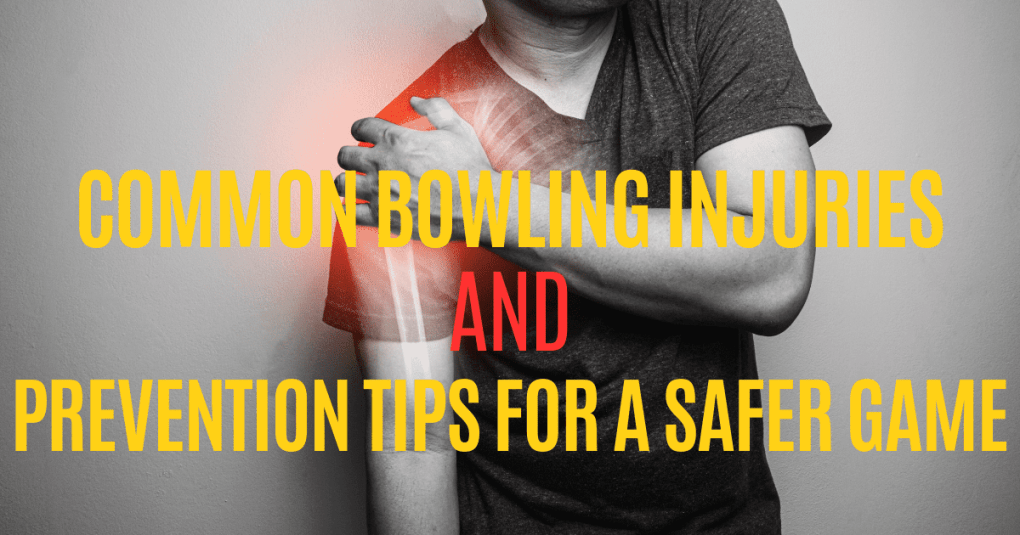
Bowling is a fun and social activity that many people enjoy. But did you know that even this seemingly gentle sport can lead to injuries if you’re not careful?
Whether you’re a seasoned bowler or just starting out, understanding how to prevent these injuries is crucial. Imagine stepping onto the lanes with confidence, knowing that you’re not only improving your game but also taking care of your body. This guide is here to help you do just that.
You’ll discover simple, effective tips to keep yourself safe and enjoy bowling to the fullest. Keep reading to learn how to protect yourself and make the most of your time on the lanes.
Common Bowling Injuries
Preventing bowling injuries involves warming up properly, using correct techniques, and wearing supportive footwear. Stretching before games can enhance flexibility and reduce the risk of muscle strains. Regular breaks and listening to your body help in avoiding overuse injuries during play.
Bowling is a fun and social sport. Yet, it can lead to injuries. Understanding common bowling injuries helps you prevent them. Let’s explore the most frequent ones.Wrist Strain
Wrist strain is a typical bowling injury. It occurs due to repetitive motion. The wrist moves in awkward angles while releasing the ball. This can cause pain and discomfort. To prevent wrist strain, warm up your wrist before bowling. Use wrist supports for extra protection. Keep your wrist straight during the swing.Shoulder Pain
Shoulder pain often affects bowlers. It results from improper technique or overuse. The shoulder handles much of the bowling ball’s weight. Stretch your shoulders before playing to avoid pain. Practice proper form to reduce stress on the shoulder. Resting between games also helps.Lower Back Issues
Lower back issues are common in bowling. Bending and twisting can strain the back muscles. This is especially true if your posture is incorrect. Strengthen your core muscles to support your back. Warm up and stretch the lower back before bowling. Maintain a straight back during the approach.Knee Stress
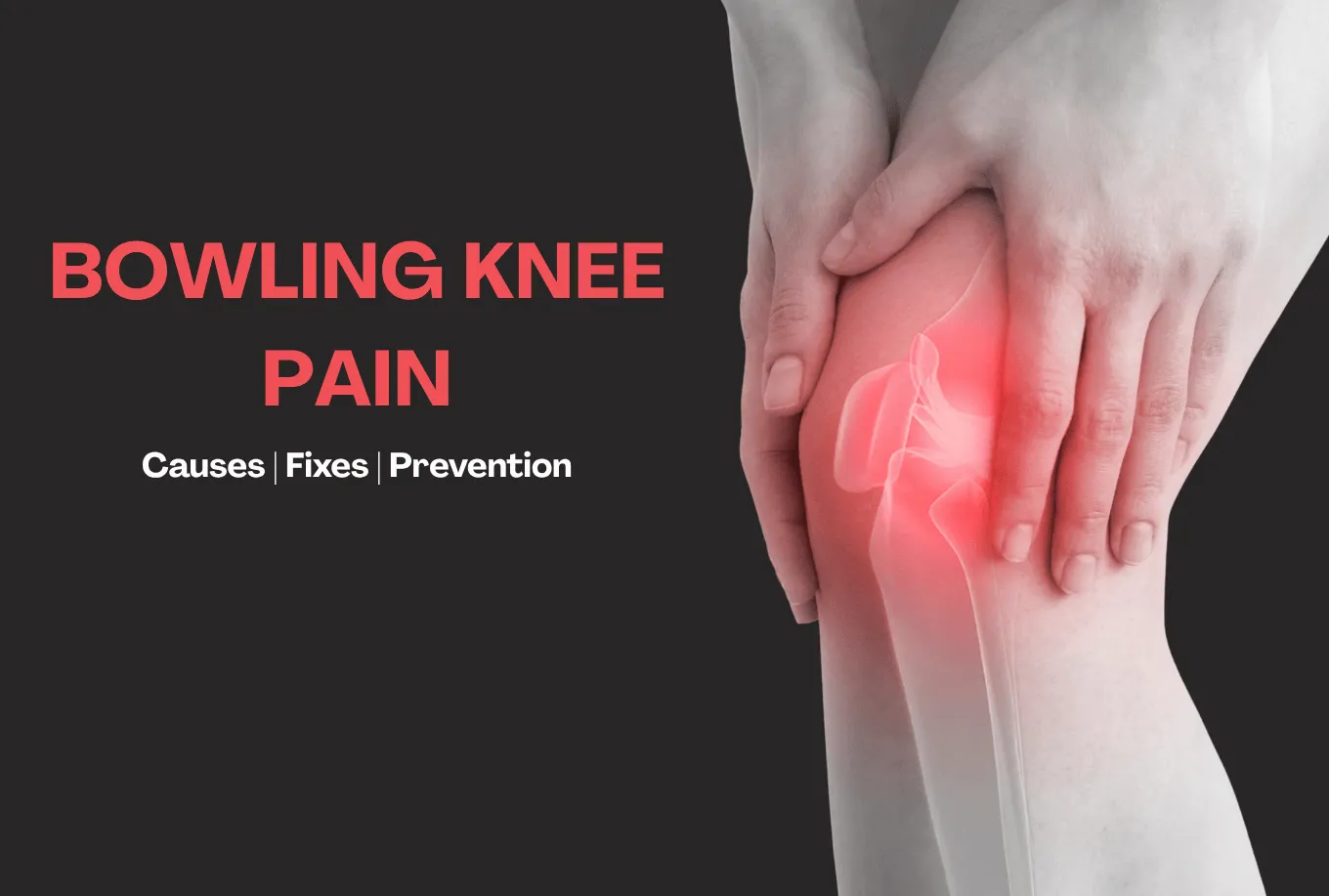
Knee stress can happen from frequent bending. Bowlers often put weight on one knee during delivery. This repeated action stresses the knee joints. Wear knee braces for support if needed. Strengthen your leg muscles to protect your knees. Practice a smooth sliding motion to reduce knee impact.
Credit: www.instagram.com
Warm-up Techniques
Proper warm-up techniques can help prevent bowling injuries by preparing muscles and joints for the physical demands. Gentle stretching and dynamic exercises improve flexibility, while increasing blood flow. This reduces the risk of strains and sprains.
Bowling might not seem like a sport prone to injuries, but even the most seasoned bowlers can find themselves sidelined without proper preparation. Warm-up techniques are crucial to keep you on the lanes and out of the doctor’s office. Whether you’re a weekend warrior or a league player, adopting effective warm-up routines can enhance your performance and safeguard your health. Let’s dive into some practical techniques you can use to prevent injuries.Stretching Routines
Begin with a series of stretches targeting your arms, wrists, and shoulders. These areas bear the brunt of the bowling motion. Try a gentle wrist stretch by extending your arm and pulling back on your fingers with your opposite hand. Rotate your shoulders with slow, controlled movements to loosen up the joints. Don’t forget your lower back and legs, which support your stance and swing. A simple hamstring stretch can ease tension and enhance flexibility. Hold each stretch for about 15 seconds, breathing deeply to relax your muscles further.Dynamic Exercises
Dynamic exercises are your next step, helping to elevate your heart rate and prepare your muscles for action. Incorporate leg swings and arm circles into your routine. These exercises mimic the movements you’ll perform while bowling, making them especially effective. Jumping jacks or walking lunges can also be beneficial. They engage multiple muscle groups, enhancing coordination and balance. What’s your favorite dynamic exercise? Perhaps try a few and see which ones work best for your bowling style.Importance Of Cardiovascular Warm-up
A brief cardiovascular warm-up is essential. Start with a light jog or brisk walk to get your blood flowing. This elevates your body temperature and increases muscle elasticity, reducing the risk of strains. Even a few minutes of cardio can make a difference. It prepares your heart and lungs for the physical demands of bowling, ensuring you’re not winded after just a few frames. How often do you incorporate cardio into your routine? Consider making it a regular part of your warm-up strategy to keep your energy levels high and your focus sharp.Proper Bowling Form
Bowling is not just a fun leisure activity; it’s also a sport that demands precision and proper technique. Mastering the correct form is crucial to prevent injuries and enhance your game. Whether you’re a casual bowler or an aspiring professional, honing your bowling form can make a significant difference in both performance and safety.
Correct Grip
The grip on your bowling ball is the foundation of your game. Ensuring you have the right grip can reduce strain on your wrists and fingers. Focus on using your thumb, middle, and ring fingers to hold the ball securely.
- Make sure your thumb is comfortably inserted into the hole.
- Your fingers should fit snugly but not too tight.
- Consider using grip tape for extra security if needed.
Adjusting your grip can prevent blisters and sprains, allowing you to bowl comfortably through multiple games.
Optimal Posture
Your posture during bowling impacts your control and the power behind your throw. Stand with your feet shoulder-width apart, and keep your knees slightly bent.
- Maintain a straight back and relaxed shoulders.
- Ensure your head is up and eyes focused on the target.
- Avoid leaning too far forward or backward.
Think about your posture as a way to stabilize your movements. How often do you adjust your stance to improve balance and precision?
Balanced Follow-through
Follow-through is the finishing touch on your throw. A balanced follow-through can prevent overextension and muscle strain. As you release the ball, allow your arm to swing naturally.
- Keep your arm extended and relaxed.
- Follow through with your palm facing upwards.
- Finish with your body aligned towards the pins.
Have you noticed how the follow-through feels when you achieve a strike? It’s all about maintaining balance and fluidity in your movements.

Credit: www.instagram.com
Equipment Considerations
Bowling is a fun and competitive sport, but it can lead to injuries if not done properly. One important way to minimize injury risk is through careful equipment selection. The right gear can make a significant difference in your performance and safety on the lanes.
Choosing The Right Ball
The weight and grip of the bowling ball are crucial. A ball that’s too heavy can strain your muscles and joints. Choose a ball that allows for easy handling and control. Make sure the finger holes fit snugly without being too tight. A comfortable grip reduces the chance of dropping the ball or straining your hand.
Shoes For Stability
Bowling shoes are not just for show; they provide balance and grip. Look for shoes with good traction to prevent slipping. The fit should be snug but comfortable to support your movement. Shoes with proper cushioning help absorb impact, protecting your feet and legs.
Wrist Guards And Braces
Wrist guards can prevent strain or injury during a game. They offer support and keep your wrist in a safe position. Choose a brace that fits well and doesn’t restrict movement. With the right wrist support, you can bowl more comfortably and reduce the risk of injuries.
Strength And Conditioning
Preventing bowling injuries involves focusing on strength and conditioning. Regular exercises build muscle endurance and flexibility. Proper warm-ups and cool-downs are essential to minimize strain and enhance performance.
Strength and conditioning play a vital role in preventing bowling injuries. A well-rounded fitness routine enhances performance and reduces the risk of strains and sprains. Incorporating exercises targeting specific muscle groups can fortify your body, ensuring resilience and agility during games.Core Exercises
A strong core stabilizes your body during bowling. Key exercises include planks and Russian twists. These movements engage your abdominal muscles, enhancing balance. Regular core workouts improve your posture and reduce lower back pain.Upper Body Strengthening
Strengthening the upper body is crucial for bowlers. Focus on exercises like push-ups and shoulder presses. These build muscle endurance, aiding in controlled throws. Enhanced arm strength ensures more powerful and accurate bowling actions.Flexibility Training
Flexibility is essential for smooth bowling movements. Incorporate stretches targeting your arms, shoulders, and hips. Yoga and Pilates are excellent choices for improving flexibility. Increased range of motion reduces the chance of muscle tears and joint injuries.Recovery And Rest
Rest days and proper recovery are key to preventing bowling injuries. Regular breaks allow muscles to heal and strengthen. Stretching and hydration further support muscle health and flexibility, reducing strain.
Recovery and rest are vital components of preventing bowling injuries. After engaging in an intense bowling session, your muscles and joints need time to heal and strengthen. Neglecting this crucial phase can lead to overuse injuries and prolonged downtime.Importance Of Rest Days
Rest days are not just about lying on the couch. They allow your body to repair and adapt to the stresses of bowling. Taking a day off can actually enhance your performance in the long run. Consider scheduling at least one full rest day each week. This gives your body a break from repetitive motions and reduces the risk of developing chronic injuries. Have you ever noticed how refreshed you feel after a day of complete rest?Effective Recovery Techniques
Recovery doesn’t end with rest. Incorporate techniques like stretching, foam rolling, and massage to promote muscle relaxation and flexibility. These activities help release tension and improve blood circulation. Hydration and nutrition play a significant role, too. Consuming protein-rich foods can aid muscle repair, while staying hydrated ensures nutrients reach the muscles efficiently. Have you tried using ice packs or heat therapy to alleviate soreness?Listening To Your Body
Your body often signals when it needs rest or recovery. Pay attention to signs like fatigue, soreness, or unusual pain. Ignoring these can lead to more severe injuries. If something feels off, take a step back and assess. Is it a regular ache, or could it be something more serious? Adjust your routine accordingly and consult a professional if necessary. Remember, proactive recovery and rest are as essential as the game itself. By valuing these practices, you empower yourself to enjoy bowling without the burden of injuries.Professional Guidance
Bowling is a fun and competitive sport. But it can lead to injuries if not done right. Professional guidance is key to staying safe. Experts offer valuable insights and techniques. These help prevent common injuries and improve your game. Let’s explore how consulting professionals can make a difference.
Consulting A Coach
Coaches offer personalized guidance. They assess your bowling style and technique. Coaches help you understand proper posture and grip. This reduces the risk of injuries like wrist sprains. Regular sessions with a coach can refine your skills. They also provide feedback on your form. This ensures you’re bowling safely and effectively.
Seeking Medical Advice
Consult a doctor if you feel pain while bowling. Early medical advice can prevent serious injuries. Doctors may suggest exercises to strengthen muscles. They can also identify any underlying health issues. Physical therapists might offer treatments and exercises. These can enhance flexibility and endurance, reducing injury risks.
Joining Bowling Workshops
Bowling workshops are great for learning. They offer sessions on technique improvement. Workshops often feature experienced bowlers and coaches. You can learn advanced techniques and injury prevention tips. Interacting with peers in workshops also offers fresh insights. These programs are beneficial for both beginners and seasoned bowlers.
Credit: bowlinglife.eu
Frequently Asked Questions
How Can I Avoid Bowling Injuries?
To prevent bowling injuries, focus on proper technique and warm-up exercises. Ensure your bowling shoes fit well and support your posture. Regularly stretch and strengthen your wrist, arm, and back muscles. Gradually increase your playing intensity to avoid sudden strain.
Always listen to your body’s signals.
What Are Common Bowling Injuries?
Common bowling injuries include wrist strains, shoulder pain, and lower back discomfort. Overuse or poor technique can lead to repetitive strain injuries. Finger sprains and knee issues are also frequent. Proper form and regular conditioning can help minimize these risks, ensuring a safer bowling experience.
Are There Exercises For Bowling Injury Prevention?
Yes, exercises like wrist curls, shoulder rotations, and back stretches help prevent bowling injuries. Strengthening your core and leg muscles enhances stability and endurance. Balance exercises improve coordination and reduce the risk of falls. Regular practice of these exercises supports overall bowling performance.
Does Equipment Affect Injury Risk In Bowling?
Yes, using the right equipment can reduce injury risk in bowling. Choose a bowling ball that matches your skill level and physical capacity. Proper fitting shoes provide necessary grip and support. Ensure your equipment is well-maintained and suited to your style to prevent unnecessary strain.
Conclusion
Staying injury-free in bowling boosts both skill and enjoyment. Focus on warming up properly before every session. Stretch your arms, legs, and back to prevent muscle strain. Use the right equipment to protect your body. Choose a ball that’s the correct weight for your strength.
Regular breaks during bowling sessions help avoid fatigue. Listen to your body; rest when needed. Practice proper bowling techniques to reduce stress on joints. Stay hydrated and maintain a balanced diet for overall health. These simple steps keep you safe, letting you enjoy bowling for years to come.