Are you passionate about baseball? Whether you’re a budding player or a seasoned athlete, you know the thrill of the game is unmatched.
But with every swing of the bat and every sprint to first base, there’s always a lurking concern: injuries. Imagine playing without the constant fear of being sidelined. Sounds freeing, right? This article is crafted just for you. We’ll dive into the essential steps you can take to safeguard your body and keep your game strong.
Stick around, because the insights here could be the game-changer you’ve been searching for. Don’t let injuries bench your passion—take charge of your safety now.
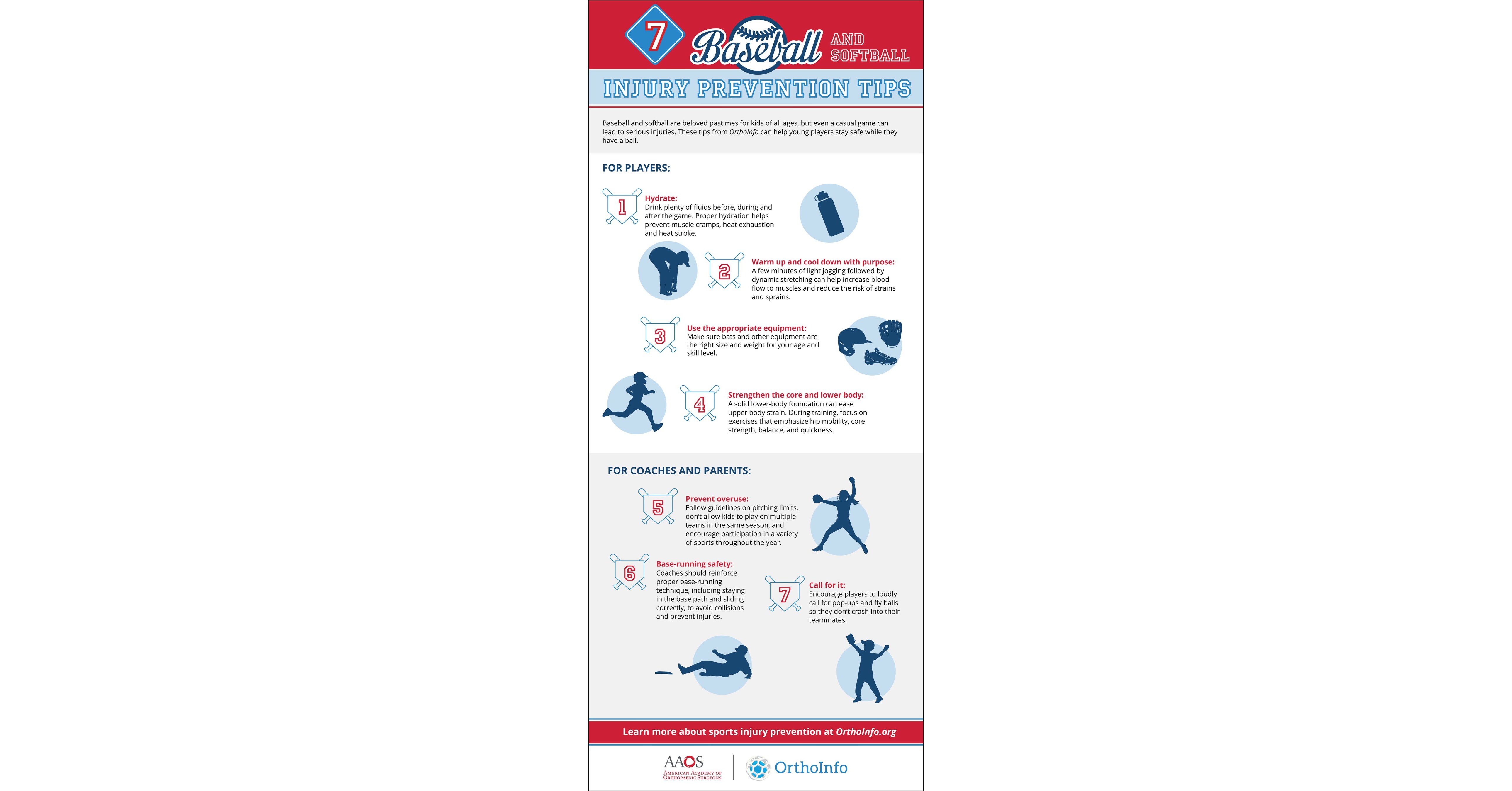
Credit: www.prnewswire.com
Warm-up Exercises
Warm-up exercises are crucial for preventing baseball injuries. They prepare muscles and increase flexibility. This reduces the risk of strains. Simple stretches and light jogging improve performance and safety on the field.
Warm-up exercises are crucial for preventing baseball injuries. They prepare the body for intense activity. Muscles become more flexible. Joints gain better mobility. Blood circulation improves. These factors reduce the risk of strains and sprains. Warm-ups also enhance performance. Athletes are more agile and responsive. Focus and concentration sharpen.Importance Of Pre-game Warm-ups
Pre-game warm-ups are essential for safety. They set the tone for the game. Players who skip warm-ups risk injuries. Warm-ups boost muscle readiness. Heart rate rises gradually. This prepares players for sudden movements. Such preparation minimizes shock to the system.Dynamic Stretching Techniques
Dynamic stretching is ideal for baseball players. It involves active movements. Muscles stretch through motion. This enhances flexibility. Dynamic stretches mimic game actions. They include leg swings and arm circles. These exercises activate key muscle groups. Dynamic stretching is more effective than static stretching. It warms muscles while improving range of motion.
Credit: www.instagram.com
Proper Equipment Usage
Preventing baseball injuries is a top priority for players, coaches, and parents alike. A crucial aspect of safeguarding yourself on the field is using proper equipment. Whether you’re a rookie or a seasoned player, understanding how to choose and utilize the right gear can make all the difference in your performance and safety. Investing time in selecting and maintaining equipment can prevent unwanted injuries and enhance your game.
Choosing The Right Gear
Choosing the right gear starts with understanding the specific needs of your body and playing style. Are you a pitcher, a catcher, or an outfielder? Each position has unique requirements that demand tailored gear. For instance, a catcher needs a durable glove and a protective mask, while an outfielder might prioritize a lightweight glove for quick catches.
Consider the material and fit. A well-fitted helmet or padding can absorb impact effectively, reducing injury risk. Always try on equipment and ensure it feels comfortable and secure. Remember, the right gear not only protects but also boosts confidence. How often do you check your gear for wear and tear? Regular inspections can prevent mishaps.
Helmet And Padding Safety
Helmets and padding are your best defense against high-speed impacts. The right helmet should fit snugly without causing discomfort. It’s not just about protecting the head but also about maintaining full visibility and mobility.
Proper padding offers essential protection without hindering movement. Ensure your padding covers critical areas like shoulders and shins. Are you aware of the latest safety standards? Investing in equipment that meets current guidelines ensures maximum protection.
Don’t underestimate the importance of maintenance. Regularly clean and inspect your helmet and padding to ensure they remain effective. Have you ever thought about how often your gear should be replaced? Consider wear and frequency of use to determine the right time for a replacement.
Strength And Conditioning
Strength and conditioning are crucial components in preventing baseball injuries. Building a solid foundation of strength can not only enhance your performance but also protect you from common strains and sprains. Incorporating specific routines into your training can make a significant difference in your overall fitness and readiness. Let’s dive into two key areas that can bolster your resilience on the field.
Core Strengthening Routines
Your core is like the engine of your body, powering every move you make. Strengthening it can improve your batting swing, pitching speed, and fielding agility. Consider adding exercises like planks, Russian twists, and medicine ball slams to your routine.
- Planks:Start with a basic plank, holding your body in a straight line from head to heels. Build up to a minute or more.
- Russian Twists:Sit on the ground, lean back slightly, and twist side to side with a weight or medicine ball.
- Medicine Ball Slams:Stand with feet shoulder-width apart, lift the ball overhead, and slam it down with force.
These exercises not only strengthen muscles but also enhance coordination. Can you imagine the confidence of stepping onto the field knowing your core is ready to support every action?
Flexibility And Mobility Drills
Flexibility and mobility are often overlooked but are essential in preventing injuries. Incorporating drills that enhance these can lead to smoother movements and less strain on your muscles.
- Dynamic Stretching:Perform movements like leg swings, arm circles, and lunges to prepare your muscles for action.
- Foam Rolling:Use a foam roller to massage tight areas, improving circulation and reducing muscle tension.
- Yoga:Integrate yoga poses like downward dog and warrior to enhance flexibility and balance.
Imagine your body moving effortlessly, reducing the risk of pulls and tears. Are you making time for these drills in your training schedule?
By focusing on strength and conditioning, particularly through core strengthening and flexibility drills, you can significantly decrease your risk of injury while enhancing your performance. What changes will you make today to protect yourself on the baseball field?
Pitching Mechanics
Understanding proper pitching mechanics is crucial for preventing baseball injuries. It’s not just about throwing the ball faster; it’s about doing it safely. Good mechanics can extend a player’s career and reduce downtime due to injuries.
Correct Throwing Techniques
How do you ensure your throwing technique is on point? Start by focusing on your posture. Keep your shoulders level and avoid unnecessary arm strain.
Practice makes perfect. Regularly work with a coach to refine your technique. Video analysis can be a game-changer, helping you spot and correct mistakes.
Use your legs and core for power. It’s not just about the arm; these muscles play a pivotal role in reducing strain and improving performance.
Avoiding Overuse Injuries
Are you pitching too much? Monitoring your pitch count is essential. It’s tempting to push limits, but rest is vital for recovery.
Integrate regular breaks into your routine. Short rests can prevent long-term injuries and keep you in the game longer.
Vary your pitches to avoid repetitive strain. Mixing it up not only keeps hitters guessing but also protects your arm.
Injury Prevention Strategies
Strengthen muscles with regular exercise to enhance flexibility and stability. Use proper techniques to minimize strain during swings and throws. Prioritize rest and hydration for faster recovery and injury prevention.
Injury prevention is crucial for baseball players. It ensures longevity and performance. With the right strategies, players can stay on the field longer. Proper techniques and habits reduce the risk of injuries. Players should focus on rest, hydration, and nutrition. These elements are key to keeping fit and healthy.Rest And Recovery Importance
Rest is vital for muscle repair. After intense games, muscles need time to heal. Overworking the body leads to fatigue and injuries. Schedule regular rest days. This helps maintain peak performance. Sleep is equally important. Aim for 7-9 hours each night. Quality sleep promotes faster recovery. Listen to your body. If you feel pain, take a break. Pushing through pain can worsen injuries.Hydration And Nutrition Tips
Staying hydrated is essential. Water supports every body function. During games, players lose fluids through sweat. Drink water before, during, and after games. This prevents dehydration. Nutrition plays a role too. Balanced meals provide energy and nutrients. Include fruits, vegetables, lean proteins, and whole grains. Avoid sugary snacks and drinks. They can cause energy crashes. Consider consulting a nutritionist. They can tailor a diet plan for your needs. Proper hydration and nutrition improve focus and endurance.
Credit: www.facebook.com
Common Injuries And Treatments
Baseball is a thrilling sport, but it comes with its fair share of injuries. Understanding common injuries and effective treatments can not only keep you in the game but also enhance your overall performance. Whether you’re a seasoned player or a beginner, being informed about potential injuries and how to treat them is crucial for your safety and success.
Identifying Shoulder And Elbow Injuries
Shoulder and elbow injuries are prevalent in baseball due to repetitive throwing motions. You might notice pain in your shoulder or elbow after a long practice or game. This can be a sign of overuse or a more serious issue like a rotator cuff tear or tennis elbow.
Pay attention to persistent discomfort or reduced range of motion. These symptoms can escalate if ignored. Don’t hesitate to consult a healthcare professional if you suspect something is amiss.
Have you ever felt a sharp pain after a pitch? It might not be just fatigue. Early identification is key to preventing long-term damage.
First Aid And Immediate Care
Immediate care is essential when an injury occurs. Applying ice packs to the affected area can reduce swelling and pain. Elevating the injured arm can also help minimize discomfort.
Consider using compression bandages to provide support and prevent further strain. Resting your arm is crucial; avoid using it until the pain subsides.
Do you know the importance of the RICE method (Rest, Ice, Compression, Elevation)? It’s a simple yet effective strategy to manage sports injuries at home.
Injuries are part of the game, but they don’t have to sideline you permanently. By recognizing symptoms early and applying immediate care, you can bounce back stronger and continue enjoying the sport you love.
Role Of Coaches And Trainers
Coaches and trainers play a key role in preventing baseball injuries. They teach proper techniques and ensure players follow safety guidelines. Regular training sessions help athletes strengthen muscles and improve coordination.
Coaches and trainers are pivotal in preventing baseball injuries. Their expertise and guidance can make a significant difference in how players approach the game, prioritizing both performance and safety. By focusing on the well-being of each player, coaches and trainers ensure that the team remains healthy and competitive.Monitoring Player Health
Regular health checks are essential for maintaining peak performance. Coaches and trainers should observe players for signs of fatigue or discomfort, taking immediate action if anything seems amiss. This proactive approach can prevent minor issues from turning into major injuries. Encourage open communication. Players should feel comfortable discussing any pain or discomfort without fear of repercussions. This trust fosters a team environment where health is prioritized over pushing through pain.Implementing Safety Protocols
Clear safety protocols set the foundation for a secure playing environment. Coaches should establish guidelines for warm-ups, proper techniques, and equipment use. Consistent reinforcement of these protocols helps reduce the risk of injury. Safety drills are not just for practice; they’re preparation for real-life situations. Regularly scheduled drills ensure players know how to react safely during games, minimizing the chance of accidents. Are your current safety measures comprehensive and up-to-date? By focusing on these key areas, coaches and trainers can significantly reduce the risk of injuries. The goal is not just to play the game, but to play it safely and effectively.Frequently Asked Questions
What Exercises Help Prevent Baseball Injuries?
Regular stretching and strengthening exercises can reduce baseball injuries. Focus on shoulder rotations, core strengthening, and leg workouts. These exercises enhance flexibility and stability, minimizing injury risks. Incorporating proper warm-ups and cool-down routines also contribute to safer baseball practices.
How Important Is Equipment In Injury Prevention?
Wearing the right equipment is crucial for injury prevention in baseball. Proper helmets, gloves, and cleats offer protection and support. Ensure the equipment fits well and is in good condition. This reduces the risk of injuries during games and practices.
Can Technique Affect Baseball Injury Risk?
Yes, technique significantly impacts injury risk in baseball. Proper batting, pitching, and fielding techniques reduce strain on muscles and joints. Coaches should emphasize correct form and mechanics. Regular practice and feedback help players adopt safer techniques.
How Does Hydration Prevent Baseball Injuries?
Staying hydrated is vital to prevent injuries in baseball. Proper hydration maintains muscle function and prevents cramps. Drink water before, during, and after games. Adequate fluid intake supports overall health and reduces the likelihood of injuries.
Conclusion
Preventing baseball injuries is crucial for safe and enjoyable play. Focus on warming up properly before every game or practice. Always wear the right protective gear to shield yourself. Strengthen your muscles with regular exercises to reduce strain. Pay attention to your technique and form while playing.
Stay hydrated to keep your body in top shape. Rest when needed to avoid overuse injuries. Listen to your body’s signals and take breaks. These steps help keep you healthy and on the field longer. Prioritize safety for a successful baseball experience.