Are you tired of dealing with back pain after a long day at work? You’re not alone.
Back injuries are one of the most common issues faced by employees across various industries. Whether you’re sitting at a desk all day or lifting heavy objects, your back is constantly at risk. But what if you could make simple changes to protect yourself?
Imagine a workday where you can focus on your tasks without the nagging worry of back pain. You’ll discover practical tips that are easy to implement and can make a significant difference in your daily life. By the end, you’ll have a clear understanding of how to keep your back safe and healthy, so you can enjoy a more comfortable and productive work experience. Curious to find out how? Keep reading to unlock the secrets to a pain-free workplace.
Common Causes Of Workplace Back Injuries
Back injuries in the workplace are alarmingly common. Understanding their causes can help in prevention. Many factors contribute to these injuries, affecting employees across various industries. Addressing these factors is essential for creating safer work environments.
Poor Ergonomics
Workstations that lack ergonomic design can strain the back. Chairs without proper support force workers into awkward positions. Desks at incorrect heights cause discomfort during tasks. These issues lead to muscle strain and long-term injuries. Ergonomic evaluations can identify areas for improvement.
Heavy Lifting
Lifting heavy objects is a common cause of back injuries. Improper lifting techniques increase the risk. Twisting while lifting further exacerbates the problem. Training employees in safe lifting practices is vital. Providing mechanical aids reduces strain and prevents injuries.
Repetitive Motions
Tasks requiring repetitive motions can harm the back. Consistent bending or twisting strains muscles over time. Jobs with repetitive movements need regular breaks. Rotating tasks among employees can lessen the impact. Ergonomic assessments help identify harmful patterns.
Inadequate Training
Lack of training in safe practices leads to back injuries. Employees unaware of proper techniques are at risk. Training programs should cover safe lifting and posture. Regular refreshers ensure techniques are remembered. Comprehensive training reduces workplace injuries significantly.
Credit: www.ccohs.ca
Ergonomic Workstation Setup
Creating an ergonomic workstation setup is vital for preventing back injuries. A well-designed space supports your body and reduces strain. It ensures comfort and promotes productivity. Below are key elements to consider in setting up your workstation ergonomically.
Chair And Desk Height
The chair should support your back and be adjustable. Adjust the height so your feet rest flat on the floor. Your knees should be at a 90-degree angle. The desk should be at a height where your elbows are bent at 90 degrees. This helps maintain a neutral posture.
Monitor Positioning
Position your monitor at eye level. The top of the screen should be at or slightly below eye level. Sit at least arm’s length away from the screen. This prevents neck strain and encourages good posture.
Keyboard And Mouse Placement
Place the keyboard directly in front of you. Your wrists should remain straight while typing. Keep the mouse close to the keyboard. This reduces reaching and helps maintain a relaxed posture.
Safe Lifting Techniques
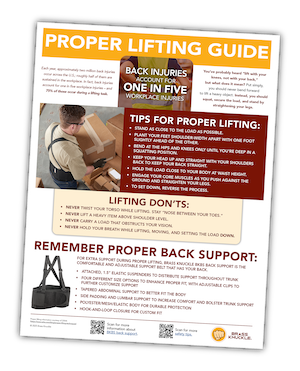
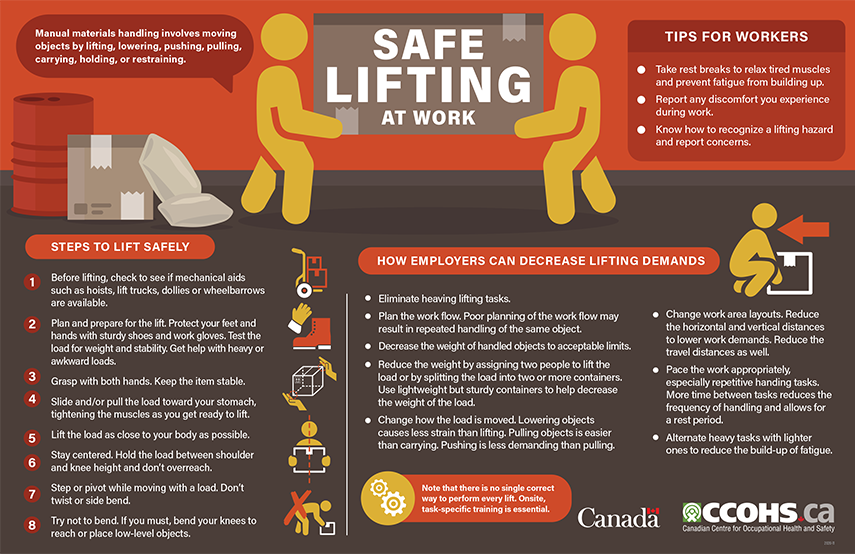
Proper lifting techniques prevent back injuries at work. Bend your knees, keep the load close, and avoid twisting. Use your legs to lift, not your back, to reduce strain.
Preventing back injuries in the workplace is essential for maintaining your health and productivity. Safe lifting techniques play a crucial role in achieving this. By understanding and implementing proper body mechanics, using assistive devices, and adopting team lifting strategies, you can significantly reduce the risk of back injuries.Proper Body Mechanics
Mastering proper body mechanics is the first step in preventing back injuries. Always keep your back straight and bend at your knees, not your waist. This approach distributes the weight evenly and reduces strain on your spine. Position your feet shoulder-width apart to maintain balance. Engage your core muscles to provide additional support. This simple adjustment can make a significant difference when lifting heavy objects.Using Assistive Devices
Assistive devices are your allies in reducing the risk of back injuries. Equip your workplace with tools like dollies, forklifts, and hoists. These devices take the load off your back, allowing you to move heavy items safely. Ensure you are trained in using these devices correctly. Misusing them can lead to injuries. Think of them as an extension of your body, enhancing your lifting capabilities.Team Lifting Strategies
When an object is too heavy to lift alone, team lifting is an effective strategy. Communicate clearly with your team members about the lifting plan. Assign roles and decide who will lead the lift. Synchronize your movements to distribute the weight evenly among all lifters. This team effort not only ensures safety but also fosters a sense of camaraderie. Are you coordinating with your team efficiently to prevent injuries? Incorporating these safe lifting techniques into your daily routine can significantly reduce the risk of back injuries. Remember, the goal is to protect yourself and your team while maintaining productivity.Importance Of Regular Breaks
Taking regular breaks helps prevent back injuries at work. It reduces strain and allows muscles to relax. Frequent movement maintains good posture and improves circulation, contributing to a healthier work environment.
Regular breaks in the workplace are crucial for preventing back injuries. They provide your body with the chance to reset, reducing the strain from prolonged sitting or standing. Taking breaks isn’t merely about stepping away from your desk; it’s an opportunity to engage in activities that promote physical health and well-being.Stretching Exercises
Incorporating stretching exercises during your breaks can significantly alleviate tension in your back muscles. Simple stretches like reaching overhead, bending sideways, or touching your toes can increase flexibility and improve posture. I once found that a quick stretch routine helped me avoid the midday slump and kept my energy levels up. Have you tried integrating a few stretches into your break routine? You might be surprised at how much difference it makes.Movement And Mobility
Regular movement enhances mobility and prevents stiffness, which is often a precursor to back pain. Walking around the office or doing some light exercises can invigorate your muscles and joints. Imagine how refreshing it feels to step outside for a short walk, breathing in fresh air—it can be a game-changer for your mood and physical health. Why not make it a habit to move every hour? It might just be the key to a healthier back.Microbreaks Benefits
Microbreaks, brief pauses lasting a few minutes, can be surprisingly effective. These short breaks allow your body to recover from repetitive motions and static positions. Think of microbreaks as mini-refreshers for your mind and body. A quick glance out the window, a sip of water, or even a short chat with a colleague can recharge you. Are you taking enough microbreaks to keep your productivity and health in check?Training And Education
Preventing back injuries at work requires proper training and education. Employees should understand safe practices and techniques. Knowledge empowers them to protect themselves and others. Investing in training reduces workplace injuries significantly. Let’s explore effective strategies for training and education.
Safety Workshops
Safety workshops provide hands-on learning experiences. They focus on injury prevention and safety protocols. Interactive sessions engage employees and reinforce concepts. These workshops build a culture of safety in the workplace. Expert instructors guide participants through practical exercises.
On-the-job Training
On-the-job training integrates learning with daily tasks. Employees learn in real-world settings. Supervisors or experienced workers demonstrate safe lifting techniques. This method ensures immediate application of safety practices. It helps employees retain information effectively.
Continuous Learning Programs
Continuous learning programs keep safety knowledge current. Regular updates on best practices are provided. These programs include online courses and seminars. They adapt to evolving safety standards and regulations. Employees stay informed and vigilant against potential hazards.

Credit: www.facebook.com
Implementing Safety Protocols
Implementing safety protocols can significantly reduce back injuries in the workplace. Regular training on proper lifting techniques is essential. Providing ergonomic equipment and encouraging frequent breaks also help maintain employee health and prevent strain.
Implementing safety protocols is a critical step in preventing back injuries in the workplace. These protocols set a foundation for a safe working environment, ensuring that everyone knows how to protect themselves and their colleagues. By focusing on specific strategies like risk assessments, incident reporting, and regular safety audits, you can create a culture of safety that minimizes the risk of back injuries.Risk Assessment Procedures
A thorough risk assessment is the cornerstone of any safety protocol. You need to identify potential hazards that could lead to back injuries. Consider tasks that involve heavy lifting, repetitive movements, or awkward postures. Create a checklist to evaluate these risks. Encourage team members to participate in identifying potential dangers. Their firsthand experience often reveals risks that might be overlooked.Incident Reporting Systems
An effective incident reporting system is essential for understanding the causes of back injuries. Ensure your system is simple and accessible so employees feel comfortable using it. This transparency can lead to quicker resolutions and prevent future incidents. Consider using digital tools to streamline the reporting process. These tools can track patterns and highlight areas needing immediate attention. Prompt feedback can motivate employees to report incidents without hesitation.Regular Safety Audits
Regular safety audits help maintain a safe workplace environment. Schedule these audits frequently to evaluate the effectiveness of your safety protocols. They offer a proactive approach to identifying new risks before they cause harm. Involve different departments during audits for a comprehensive review. Diverse perspectives can uncover overlooked hazards. This collaborative effort fosters a sense of shared responsibility for workplace safety. Are you confident that your workplace has effective safety protocols in place? Implementing these strategies could be the key to preventing back injuries and ensuring a healthy work environment.Promoting A Safety Culture
Promoting a safety culture helps prevent back injuries in the workplace. Encourage proper lifting techniques and regular breaks. Provide ergonomic training and suitable equipment to reduce strain.
Promoting a Safety Culture in the workplace is pivotal to preventing back injuries and fostering a healthy environment. A robust safety culture isn’t just about rules and procedures. It’s about creating an atmosphere where everyone feels responsible for their own safety and the safety of their peers. When safety becomes a shared value, employees feel empowered and motivated to contribute to a safer workplace.Leadership Commitment
Leadership plays a crucial role in establishing a safety culture. When leaders prioritize safety, it sets a precedent for the entire organization. Consider how a manager who consistently advocates for safe practices influences their team. Their commitment can inspire employees to adhere to safety guidelines and encourage them to speak up about potential hazards. A leader’s active involvement in safety initiatives, like regular safety training sessions, shows dedication. It’s not just about implementing policies—it’s about leading by example and demonstrating that safety is a top priority.Employee Engagement
Engaging employees in safety practices is essential for preventing back injuries. When employees are actively involved, they become more aware of the risks and the importance of maintaining safe practices. Encourage team members to participate in safety meetings and share their insights. Creating a platform for employees to voice concerns and suggest improvements can lead to innovative safety solutions. Imagine a workplace where employees feel their opinions are valued—this can transform the way safety is perceived and practiced.Feedback And Improvement
Feedback is a powerful tool for enhancing safety culture. Regularly seeking input from employees on safety measures can highlight areas for improvement. This fosters a continuous cycle of evaluation and adaptation, ensuring safety practices evolve with the workplace’s needs. Consider implementing anonymous feedback systems where employees can share their thoughts freely. What if you could identify potential hazards before they become problems? By encouraging open communication, you’re not only improving safety but also building trust within the team.
Credit: m.facebook.com
Frequently Asked Questions
What Are Common Causes Of Workplace Back Injuries?
Back injuries often result from poor posture, heavy lifting, or repetitive movements. Improper ergonomics and lack of physical activity can also contribute. Identifying these causes is crucial for prevention. Employees should be educated about safe lifting techniques and maintaining good posture.
Implementing ergonomic solutions can further reduce risks.
How Can Ergonomic Adjustments Help Prevent Injuries?
Ergonomic adjustments optimize workspaces to fit employees’ needs, reducing strain on the body. Proper desk height, supportive chairs, and adjustable monitors are crucial. These changes promote good posture and comfort. Regular breaks and stretches can further prevent injuries. Employers should invest in ergonomic assessments for effective solutions.
Why Is Proper Lifting Technique Important?
Proper lifting techniques prevent strain and back injuries. Bend your knees, not your waist, when lifting. Keep the load close to your body and avoid twisting. Use your legs to lift, not your back. Practicing these techniques reduces the risk of injury and promotes workplace safety.
How Often Should Employees Take Breaks?
Regular breaks are essential to prevent back injuries. Taking a break every 30 to 60 minutes is recommended. Short breaks help reduce muscle fatigue and strain. Encourage employees to stretch and move during breaks. This practice enhances productivity and reduces the risk of injuries.
Conclusion
Preventing back injuries at work is crucial for health and safety. Regular breaks and proper lifting techniques reduce risks. Ensure your workspace is ergonomic. Encourage employees to use supportive footwear. Promote stretching exercises to keep muscles flexible. Educate staff about injury prevention practices.
Regular training sessions can help reinforce these habits. Use safety equipment when necessary. Always prioritize safety over speed. Healthy workers contribute to a productive environment. Implementing these strategies can minimize back injuries. A safe workplace benefits everyone. Protect your team by making safety a top priority.