Imagine starting your workday feeling energized and ready to tackle your tasks, only to end it with a nagging pain in your back. It’s a scenario many of us want to avoid, yet back injuries at work are more common than you might think.
The good news is, you have the power to prevent them. We’ll show you simple yet effective strategies to keep your back safe and sound. You’ll discover practical tips that fit seamlessly into your daily routine, helping you maintain your productivity without the fear of discomfort.
Dive in to learn how small changes can lead to big relief, ensuring your workday ends just as positively as it began. Don’t let back pain hold you back—take control and protect your well-being.

Credit: www.instagram.com
Recognizing Common Risk Factors
Recognizing common risk factors is crucial to preventing back injuries at work. Identify tasks involving heavy lifting, repetitive motions, or awkward postures. Implement ergonomic solutions and proper training to minimize these risks.
Recognizing common risk factors is crucial in preventing back injuries at work. Identifying these risks helps in taking proactive measures. Many workers face challenges that increase their chances of injury. Understanding these factors can lead to safer work environments.Heavy Lifting And Manual Handling
Lifting heavy objects poses a significant risk. Incorrect techniques increase strain on the back. Ensure you lift with your legs, not your back. Use tools like dollies or carts to assist. Team lifting can reduce individual strain.Poor Posture And Ergonomics
Bad posture leads to back pain over time. Sit straight at your desk. Ensure your chair supports your lower back. Computer screens should be at eye level. Ergonomic equipment can aid in maintaining proper posture.Repetitive Movements
Repeating the same motion can wear down muscles. Take regular breaks to stretch. Rotate tasks to avoid overusing certain muscles. Vary your activities to reduce strain.Lack Of Physical Fitness
Weak muscles provide less support to the spine. Regular exercise strengthens the back. Focus on core exercises. Stay active to maintain muscle health.Workplace Environment
Unsafe environments increase injury risk. Ensure good lighting and clear walkways. Keep floors dry to prevent slips. Regularly inspect equipment for safety.Ergonomic Workstations
Ergonomic workstations help reduce back injuries at work. They support your body during long hours. Proper setup improves comfort and productivity. Let’s explore how to adjust your workstation ergonomically.
Chair Adjustments
A well-adjusted chair prevents back strain. Adjust the seat height so your feet rest flat on the floor. Knees should be level with or slightly lower than your hips. Use the backrest to support your lower back. It should follow the natural curve of your spine. Adjust armrests to keep your shoulders relaxed. They should support your arms without lifting them.
Desk Height And Arrangement
The right desk height is crucial for comfort. Your elbows should be at a 90-degree angle when typing. Keep your monitor at eye level. It should be an arm’s length away from you. Arrange frequently used items within easy reach. This avoids unnecessary stretching and twisting.
Proper Lifting Techniques
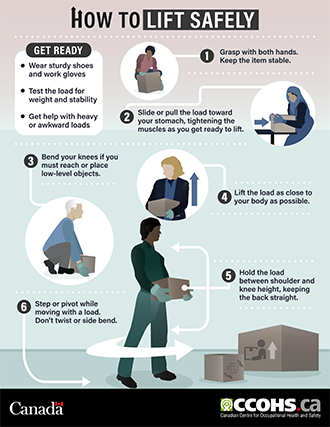
Proper lifting techniques are essential to prevent back injuries at work. Always bend at the knees, keeping the back straight, and hold the object close to the body. Use the legs to lift, not the back, and avoid twisting while carrying heavy items.
Proper lifting techniques are crucial to prevent back injuries at work. Many injuries occur due to incorrect lifting practices, which can lead to long-term health issues. Incorporating proper techniques into your daily routine not only ensures safety but also boosts efficiency. Let’s delve into two essential aspects of these techniques.Bend At The Knees
Always remember to bend at the knees instead of relying solely on your back. This simple adjustment can make a significant difference. Imagine this: you’re picking up a heavy box. Instead of bending over, squat down with your knees bent. This distributes the weight more evenly and reduces strain on your back. Do you often rush through tasks without paying attention to posture? Slowing down and bending at the knees can prevent unnecessary injuries. It’s a small change that can have a big impact on your health.Use Core Muscles
Engaging your core muscles while lifting is another vital technique. Your core is the powerhouse of your body, providing stability and support. Think about how you lift weights at the gym. You brace your core, right? Apply the same principle at work. Tighten your abdominal muscles before lifting anything heavy. This action not only supports your back but also enhances balance. Are you aware of how strong your core can be in preventing injuries? Harnessing this strength can make lifting safer and more efficient.
Credit: www.instagram.com
Regular Breaks And Stretching
Taking regular breaks and stretching can help prevent back injuries at work. These activities relax muscles and improve blood flow. A simple routine can reduce tension and promote better posture.
Regular breaks and stretching are vital in preventing back injuries at work. Sitting or standing for long hours can strain your back. Taking regular breaks helps in easing this strain. Stretching keeps your muscles flexible and less prone to injuries.Scheduled Breaks
Taking breaks at set times is key. Plan short breaks every hour. Use a timer to remind yourself. During breaks, move around. Walk for a few minutes. This helps in reducing back tension.Effective Stretching Exercises
Simple stretches can prevent back pain. Try the following:- Neck stretches: Tilt your head side to side.
- Shoulder rolls: Move shoulders in circular motions.
- Back stretches: Stand and touch your toes.
- Torso twists: Gently twist your upper body left and right.
Strengthening Exercises
Back injuries at work can be a real pain—literally. They often stem from weak muscles that don’t provide enough support during daily activities. Strengthening exercises can play a vital role in preventing these injuries. By focusing on building stronger muscles, especially around the core, you create a natural support system for your spine. Imagine lifting a heavy box with confidence, knowing your body can handle it. These exercises are not just about lifting weights; they’re about creating stability and flexibility.
Core Stability
Your core is more than just abs—it’s your body’s powerhouse. Keeping this area strong can significantly reduce the risk of back injuries. Consider exercises like planks and bridges. They’re simple yet effective in building muscle endurance. Have you ever tried balancing on one leg while brushing your teeth? It sounds silly, but it’s a great way to test your core stability. Integrating these exercises into your routine can make everyday tasks feel easier and safer.
Flexibility Training
Flexibility is often overlooked, yet it’s crucial in preventing back injuries. Tight muscles can pull your spine out of alignment, leading to strain. Stretching exercises like yoga or simple toe touches can enhance flexibility. Imagine reaching up to grab something off a high shelf without feeling a pull in your back. Does your morning routine include a few stretches? If not, consider adding them. Flexibility training helps keep your muscles limber and ready for action, reducing the risk of sudden injuries.
Utilizing Supportive Equipment
Ergonomic chairs and adjustable desks help maintain posture and reduce strain. Lifting equipment aids in handling heavy loads safely. Proper supportive gear can prevent common back injuries and promote a healthier work environment.
Utilizing supportive equipment at work can greatly reduce back injury risks. Many workers face daily tasks that strain their backs. This can lead to long-term problems. Using the right tools can help. Supportive equipment provides extra help to the body. It also promotes safe practices at work. Here are some key types of supportive equipment.Back Supports
Back supports offer stability during physical tasks. They keep the spine aligned and reduce strain. These supports are like belts worn around the waist. They provide compression and support to the lower back. Workers lifting heavy objects should consider them. They are easy to wear and adjust. Many industries use them to enhance safety.Lifting Aids
Lifting aids are tools designed to make lifting easier. They help move heavy items without straining the back. Examples include hoists, dollies, and hand trucks. These tools reduce the physical effort needed. Using them can prevent injuries. They are especially useful in warehouses and construction sites. Workers should be trained to use them properly. This ensures both safety and efficiency.Creating A Safe Work Environment
Proper lifting techniques are essential to prevent back injuries at work. Regular breaks and ergonomic furniture support spinal health. Training employees on safe practices reduces the risk of strains.
Creating a Safe Work Environment A safe work environment is your first defense against back injuries. Think of it as setting the stage for your health and productivity. By focusing on organization and clarity, you can significantly reduce the risk of these injuries.Organized Workspace
An organized workspace is a game changer. Imagine walking into your office and finding everything in its place—files neatly stacked, tools easily accessible, and clutter minimized. This doesn’t just look good; it prevents unnecessary bending and reaching that can strain your back. Consider implementing a system that works for you. Use shelves, drawers, and labels to keep things tidy. Regularly assess your space to identify and remove items you no longer need. An organized desk helps maintain focus, but it also supports a healthy posture, reducing the chances of back discomfort. How often do you invest time in decluttering your workspace?Clear Pathways
Clear pathways are critical in avoiding trips and falls that can lead to back injuries. Take a moment to walk around your work area. Are the pathways clear of obstacles? Ensure that cords, boxes, and other items are safely tucked away or stored properly. A well-maintained pathway not only enhances safety but also improves movement efficiency. Think about creating designated areas for storage, and encourage your colleagues to keep these spaces clear. With clear pathways, you’re not just preventing back injuries; you’re promoting a culture of safety and respect in your workplace. What steps can you take today to clear up your work environment?Education And Training Programs
Preventing back injuries at work involves more than just ergonomic chairs and good posture. It’s about empowering yourself through education and training programs. These programs are essential to equip you with the knowledge and skills needed to avoid injuries and maintain a healthy back.
Workplace Workshops
Imagine attending a workshop where you not only learn how to lift heavy objects correctly but also get to practice it. Workplace workshops offer hands-on experience with real-life scenarios. They often include interactive sessions with experts who provide personalized feedback.
Such workshops can be a game-changer, helping you spot poor habits you didn’t even know you had. These sessions often use visual aids, which can clarify complex concepts. Wouldn’t it be great if your workplace hosted regular workshops to keep you updated on the latest back injury prevention techniques?
Online Resources
Online resources are a treasure trove of information. You can access webinars, articles, and video tutorials anytime, anywhere. These resources often include detailed guides on exercises and stretches that you can do at your desk.
Many platforms offer community forums where you can share experiences and tips. Have you ever thought of joining an online course specifically focused on back health? These courses often provide certification, adding value to your professional skills.
Imagine the convenience of learning at your own pace, fitting sessions around your busy work schedule. Online resources make it easy to stay informed and proactive about preventing back injuries.
Credit: www.ccohs.ca
Frequently Asked Questions
What Are Common Causes Of Back Injuries At Work?
Back injuries at work often result from lifting heavy objects, poor posture, and repetitive movements. Inadequate ergonomics can also contribute to strain. It’s essential to identify these causes and implement preventive measures. Regular breaks, proper lifting techniques, and ergonomic furniture can significantly reduce risks.
How Can Ergonomic Furniture Help Prevent Back Injuries?
Ergonomic furniture supports natural body alignment, reducing strain on the spine. Chairs with lumbar support and adjustable desks promote better posture. Using such furniture can minimize stress on the back, decreasing the likelihood of injury. Investing in ergonomic solutions is a proactive step toward a safer work environment.
What Exercises Can Prevent Back Injuries?
Strengthening exercises, such as planks and bridges, can enhance core muscles. Stretching routines like yoga improve flexibility and posture. Regular physical activity helps maintain spine health, reducing injury risks. Incorporating these exercises into your daily routine can provide long-term benefits for your back.
How Important Is Posture In Preventing Back Injuries?
Maintaining good posture is crucial for spinal health. It evenly distributes weight, reducing strain on muscles and ligaments. Correct posture at work can prevent discomfort and injuries. Regularly checking and adjusting your posture is a simple yet effective strategy to safeguard your back.
Conclusion
Prioritizing back safety at work is crucial. Simple habits can prevent injuries. Lift with your legs, not your back. Take breaks to stretch and move. Maintain proper posture while sitting. Use ergonomic equipment for support. Report any discomfort early to prevent issues.
Encourage a culture of safety among coworkers. Educate yourself and others on safe practices. Investing in health today saves pain tomorrow. Remember, a healthy back equals a productive work life. Stay proactive and protect your spine. Your future self will thank you.