
Have you ever watched a promising baseball season get derailed by an arm injury? It’s frustrating to see potential fade away due to something that might have been prevented.
You know how important it is to keep your arm in top shape, whether you’re a passionate player, a dedicated coach, or a supportive parent. Arm injuries can sideline you or your loved ones, causing not only physical pain but also emotional disappointment.
Imagine being able to enjoy the sport you love without constantly worrying about injuries. By understanding how to prevent these common setbacks, you can stay on the field and keep doing what you love. This guide is designed to give you practical tips and strategies to help safeguard your arm, ensuring that every pitch, throw, and catch is made with confidence. Ready to learn how to protect your arm and stay in the game longer? Let’s dive in.

Credit: www.instagram.com
Common Arm Injuries In Baseball
Proper warm-up and conditioning can help prevent common baseball arm injuries. Regular stretching and strengthening exercises build resilience and flexibility.
Baseball is a sport that demands intense physical effort. Players often push their arms to the limit. This makes arm injuries a common concern. Understanding these injuries can help in prevention. Let’s explore the most frequent arm injuries in baseball.Shoulder Injuries
Shoulder injuries often occur due to repetitive movements. Pitchers are particularly prone to these. They include rotator cuff tears and tendonitis. These injuries can result from overuse. Pain and reduced range of motion are common symptoms. Early detection is key to avoiding further damage.Elbow Injuries
Elbow injuries are another frequent issue. The infamous “Tommy John” surgery highlights their severity. Ligament strains and tears are common in pitchers. Stress from constant throwing can lead to these injuries. Rest and proper technique can reduce risks. Ensuring recovery time is vital for elbow health.Wrist And Hand Injuries
Wrist and hand injuries can affect batters and fielders. Sprains and fractures are typical injuries. Poor grip or impact with the ball can cause these. These injuries can hinder performance. Strengthening exercises and protective gear can help. Attention to proper form is essential for prevention.Importance Of Proper Warm-up
Proper warm-up is crucial in baseball to prevent arm injuries. Many players overlook this essential step, risking their health and performance. A well-structured warm-up increases blood flow and prepares muscles for action. It enhances flexibility and reduces the likelihood of strains. Players who warm up effectively can play longer and with greater efficiency.
Dynamic Stretching Techniques
Dynamic stretching is vital for baseball players. It involves active movements that stretch muscles and improve range of motion. These techniques prepare the body for the quick bursts of activity in baseball. Here are some effective dynamic stretches:
- Arm Circles:Extend arms out to the sides. Rotate in small circles.
- Torso Twists:Stand with feet shoulder-width apart. Twist the torso side to side.
- Leg Swings:Swing one leg forward and back, then switch legs.
Arm-specific Warm-up Exercises
Focusing on the arms during warm-up is essential. These exercises target the muscles used in throwing and catching. They help prevent common baseball injuries like tendonitis or muscle tears. Consider incorporating these arm-specific exercises:
- Resistance Band Rotations:Use a band to perform internal and external shoulder rotations.
- Wrist Flexor Stretch:Extend one arm straight. Use the other hand to gently pull back on the fingers.
- Elbow Extensions:Hold a light weight. Extend and flex the elbow slowly.
Strengthening And Conditioning
Strengthening and conditioning are crucial for preventing arm injuries in baseball. These practices help build muscle endurance, increase flexibility, and boost overall performance. Focusing on key muscle groups can make a significant difference. A balanced routine ensures muscles can withstand the demands of the sport.
Core Muscle Training
Core muscles play a vital role in stabilizing the body. Strong core muscles help maintain proper posture, reducing stress on the arm during play. Incorporate exercises like planks and bridges. These exercises improve balance and strengthen the abdomen. A solid core provides the foundation for powerful throws.
Arm And Shoulder Strengthening Exercises
Targeted exercises fortify arm and shoulder muscles, minimizing injury risks. Include routines like dumbbell shoulder presses and lateral raises. These exercises enhance muscle strength and flexibility. Resistance bands are great for shoulder rotations. They gently build muscle without overstraining. Regular practice keeps the arm ready for action.
Proper Throwing Mechanics
Proper throwing mechanics are crucial for baseball players to avoid arm injuries. Focus on using the whole body, not just the arm, to reduce strain. Regular practice and proper warm-up routines can help maintain healthy joints and muscles.
Proper throwing mechanics are crucial for preventing arm injuries in baseball. They not only enhance performance but also reduce strain on the arm. Understanding the correct techniques can help players maintain health and longevity in the sport. Below are key aspects of proper throwing mechanics.Correct Grip And Release Techniques
A proper grip is essential for a controlled throw. Use your fingertips, not your palm, to hold the ball. This allows for better control and spin. Position your index and middle fingers across the seams. This grip ensures a smooth release and optimal trajectory. Releasing the ball at the right moment is crucial. A late or early release can strain the arm. Aim to release when your arm is fully extended forward. This minimizes stress and maximizes power.Body Position And Follow-through
Your body position significantly affects your throw. Stand with your feet shoulder-width apart. This stance provides balance and stability. As you throw, rotate your hips and shoulders. This motion generates power while reducing arm strain. A proper follow-through is key to a successful throw. After releasing the ball, continue moving your arm downward. This natural motion reduces tension in the shoulder. It also helps in maintaining accuracy. Always aim to finish with your body facing the target. This ensures that you maintain balance and control.Role Of Rest And Recovery
Rest and recovery play a vital role in preventing arm injuries in baseball. Players often push their limits, risking overuse injuries. Giving muscles time to heal is crucial. Without proper rest, the risk of injury increases significantly. Recovery helps maintain peak performance and prolongs a player’s career.
Recognizing Signs Of Overuse
Overuse injuries develop gradually over time. Players might feel persistent soreness in their arms. Swelling or a decrease in performance are also red flags. Ignoring these signs can lead to serious injuries. Early detection allows for timely intervention and recovery.
Effective Recovery Strategies
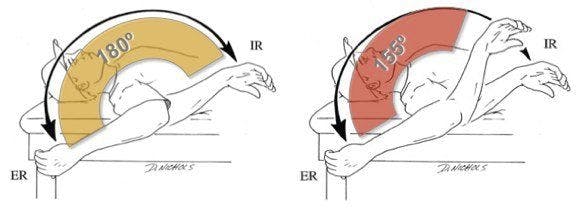
Adopting effective recovery strategies is essential. Ice therapy helps reduce swelling and pain. Compression sleeves support muscles and improve blood flow. Stretching exercises enhance flexibility and prevent stiffness. Adequate sleep is vital for muscle repair. Balanced nutrition aids in faster recovery.
Credit: www.bsrphysicaltherapy.com
Use Of Protective Gear
In the fast-paced game of baseball, preventing arm injuries is crucial for players who want to maintain peak performance and longevity in their sports careers. One of the most effective ways to safeguard your arms is through the use of protective gear. This not only shields your muscles and joints but also enhances your confidence on the field. But how do you choose the right gear to ensure maximum protection and comfort?
Choosing The Right Equipment
The market is flooded with various types of protective gear, each claiming to offer the best protection. So, how do you make the right choice? Start by considering the specific needs of your arm. Are you prone to elbow strain or shoulder injuries? Identify your vulnerable areas and choose gear that offers targeted support.
Look for equipment that is made from breathable, durable materials. You want something that can withstand the rigors of intense play without causing discomfort. A snug fit is crucial, as loose gear can slip and fail to protect you when you need it most. Always test the gear in practice sessions before hitting the field.
Don’t forget about aesthetics. While functionality is key, wearing gear that makes you feel good can boost your confidence. Imagine stepping onto the field knowing you’re protected and looking sharp!
Benefits Of Compression Sleeves
Compression sleeves have become increasingly popular among baseball players for good reason. They offer a unique blend of support and flexibility, making them ideal for preventing arm injuries. What makes them so effective?
These sleeves enhance blood circulation, reducing muscle fatigue and soreness. After a long game, this can be a game-changer in your recovery process. They also provide warmth, which is essential for keeping muscles loose and ready for action.
Consider adding compression sleeves to your gear collection. They are lightweight, easy to wear, and can fit comfortably under your uniform. Plus, they come in various designs, allowing you to express your style while protecting your arms.
Have you ever tried playing with compression sleeves? If not, it might be worth exploring how they can change your game. What protective gear do you swear by? Share your thoughts and help fellow players make informed choices.
Importance Of Professional Guidance
Understanding the importance of professional guidance in baseball is crucial for preventing arm injuries. While talent and practice can lead to improvement, the expertise of seasoned professionals cannot be overstated. Their knowledge helps you master techniques safely, reducing risks associated with repetitive strain.
Working With Coaches
Coaches play a pivotal role in guiding players through proper training routines. They offer tailored advice that considers your unique strengths and weaknesses. Have you ever noticed how a coach can pinpoint subtle issues in your throwing technique? This attention to detail can be the difference between a healthy arm and a sidelining injury.
A good coach will provide drills that enhance arm strength and flexibility. They will also emphasize the significance of warm-ups and cool-downs. These small steps are invaluable in maintaining your arm health.
Consulting Sports Medicine Experts
Sports medicine experts are essential in preventing and treating arm injuries. They offer specialized insights into the biomechanics of your movements. Their assessments can identify potential risk factors before they become problems.
Consider scheduling regular check-ups with a sports medicine professional. This proactive approach allows for adjustments in your training that can safeguard your arm. It’s not just about fixing injuries; it’s about preventing them from happening in the first place.

Credit: www.youtube.com
Frequently Asked Questions
How Can I Strengthen My Arm For Baseball?
Strengthening your arm involves regular exercises focusing on shoulder, elbow, and wrist muscles. Incorporate resistance bands, dumbbell workouts, and stretching routines. Always warm up before practice and games to prevent strain. Consistency is key; aim for a balanced routine several times a week.
What Are Common Arm Injuries In Baseball?
Common arm injuries include rotator cuff tears, tendinitis, and elbow strains. These often result from overuse or improper throwing techniques. Regular rest and proper training can help prevent these injuries. Addressing any discomfort early is essential to avoid worsening the condition.
How Important Is Warm-up Before Playing Baseball?
Warm-up is crucial in baseball to prepare muscles and joints for activity. It reduces the risk of injury and enhances performance. Start with light cardio, followed by dynamic stretching. Gradually increase intensity to ensure your body is ready for rigorous movements.
Are There Specific Exercises To Prevent Arm Injuries?
Yes, exercises like shoulder rotations, wrist curls, and forearm stretches are beneficial. Focus on flexibility and strength to support arm movements. Incorporate these exercises into your routine regularly. Proper technique and gradual progression can significantly lower injury risk.
Conclusion
Preventing arm injuries in baseball requires dedication and smart strategies. Focus on proper warm-ups before games or practice. Consistent training helps build strength and flexibility. Remember, rest is crucial. Allow your arm time to recover after intense games. Use correct throwing techniques to reduce stress on your arm.
Listen to your body. Pain signals the need for a break. Encourage a supportive team environment. Coaches and players can work together to prevent injuries. Stay committed to safety and enjoy the game for years. With these tips, you can keep your arm healthy and strong.