
Are you tired of dealing with ankle injuries every time you lace up your running shoes? You’re not alone.
Ankle injuries are a common setback for many runners, but the good news is that they can be prevented. Imagine running freely, without the constant worry of twisting or spraining your ankle. That sense of freedom and confidence can be yours with just a few simple adjustments to your routine.
In this guide, you’ll discover effective strategies to strengthen your ankles and enhance your running experience. By the end, you’ll feel empowered to hit the track with newfound assurance, leaving ankle injuries in the dust. Ready to transform your run? Let’s get started!

Credit: www.peakformhealthcenter.com
Choosing The Right Footwear
Choosing running shoes with ample ankle support helps prevent injuries. Look for shoes with a snug fit and cushioned soles. Proper footwear reduces strain and keeps ankles stable during runs.
Choosing the right footwear is essential for preventing ankle injuries while running. Proper shoes provide support, cushioning, and stability. They can significantly reduce the risk of injury. Let’s explore the importance of proper running shoes and the key features to look for.Importance Of Proper Running Shoes
Proper running shoes offer the right support for your feet. They help maintain correct posture and foot alignment. This reduces strain on your ankles and knees. Good shoes absorb shock during impact, protecting your joints. Running in improper shoes can lead to pain and injury. Investing in quality footwear is crucial for safety and performance.Features To Look For In Running Shoes
When choosing running shoes, consider the following features:- Cushioning:Look for shoes with good cushioning to absorb shock.
- Arch Support:Ensure the shoes match your foot’s arch type.
- Stability:Choose shoes that provide ankle support and prevent rolling.
- Breathability:Opt for materials that allow air circulation to keep feet dry.
- Fit:Ensure there’s enough room for your toes to move.
Strengthening Exercises
Strengthening exercises help prevent ankle injuries while running. Focus on balance and flexibility to stabilize your ankles. Incorporate calf raises, ankle circles, and resistance band exercises to build strength and prevent sprains.
Running is a fantastic way to stay fit, but ankle injuries can be a common setback. Strengthening exercises play a crucial role in preventing these injuries by enhancing the stability and resilience of your ankles. By focusing on targeted exercises, you can build a solid foundation that supports your running endeavors and keeps you on track.Ankle Strengthening Techniques
Building ankle strength is not just about lifting weights or high-intensity workouts. It’s about targeted movements that reinforce the muscles around your ankle, making them resilient against strains. Consider adding these simple exercises to your routine:- Calf Raises:Stand with your feet hip-width apart and slowly lift your heels, balancing on your toes. Hold for a few seconds and lower. This exercise targets your calf muscles and improves ankle strength.
- Ankle Circles:Sit comfortably and extend one leg. Rotate your ankle in circles, first clockwise and then counter-clockwise. This helps in enhancing flexibility and strength.
- Resistance Band Workouts:Using a resistance band, anchor one end to a sturdy object and loop the other end around your foot. Push and pull your foot against the band’s resistance to strengthen your ankle.
Benefits Of Balance And Stability Exercises
Balance exercises are not only about standing still; they train your body to respond swiftly to changes in terrain or sudden movements. Incorporating these exercises can significantly lower the risk of ankle injuries:- Improved Coordination:Balance exercises like single-leg stands enhance your coordination, making it easier to adapt to uneven surfaces while running.
- Enhanced Muscle Control:Engaging in stability workouts improves muscle control around your ankle, allowing for better movement efficiency.
- Injury Prevention:Strengthening your ankle’s stability prepares it for unexpected twists, reducing the chance of sprains.
Stretching Before And After Running
Stretching before and after running helps prevent ankle injuries. Focus on flexibility and strength in your routine. Proper stretching reduces strain and supports ankle stability.
Stretching before and after running is crucial for preventing ankle injuries. It helps improve flexibility and prepares your muscles for activity. A good stretching routine reduces the risk of strains and sprains. Also, stretching enhances your overall running performance. Let’s explore some effective routines and techniques.Effective Stretching Routines
A structured routine can keep your ankles strong. Start with dynamic stretches before running. These help warm up your muscles. Include exercises like leg swings and ankle circles. Focus on smooth movements to avoid injury. Post-run, switch to static stretches. Hold each stretch for 20-30 seconds. This aids in muscle recovery and flexibility.Preventative Stretching Techniques
Incorporate specific techniques to safeguard your ankles. Try the calf stretch to prevent tightness. Face a wall, place one foot behind, and press the heel down. Another useful stretch is the Achilles stretch. Stand on a step, lower your heels, and hold. These techniques strengthen ankle stability. Always listen to your body. Avoid overstretching to prevent injury.Running Surface Considerations
Choosing the right running surface can help prevent ankle injuries. Soft trails offer cushioning and reduce impact stress. Uneven surfaces can increase the risk, so maintaining balance is key.
Running surfaces play a vital role in preventing ankle injuries. Different terrains affect how your feet and ankles move. Choosing the right surface can minimize injury risks. Understanding these factors helps in making informed decisions.Impact Of Different Terrains
Running on grass provides a soft landing. It reduces the stress on ankles. But it may have hidden holes or uneven spots. Trails offer a natural cushioning effect. They engage stabilizing muscles due to varied surfaces. Concrete is the hardest terrain. It provides a consistent surface. But it increases impact on the joints. Asphalt is slightly softer than concrete. Yet, it remains a hard surface.Choosing Safe Running Paths
Select paths with minimal obstacles. Avoid routes with many rocks or roots. Ensure good visibility during your run. Well-lit paths are safer during low-light hours. Check for evenness on the surface before starting. Avoid areas with puddles after rain. They can conceal uneven ground. Stick to familiar routes if possible. They offer predictability and reduce risks.Proper Running Form
Proper running form helps prevent ankle injuries by ensuring balanced weight distribution and reducing stress on joints. Focus on landing softly with a midfoot strike and keeping your knees slightly bent. Maintain an upright posture and look ahead to improve stability and minimize the risk of twisting your ankles.
Proper running form is essential for preventing ankle injuries. It ensures your body moves efficiently, reducing stress on your joints. Focusing on form can enhance performance and decrease the risk of pain. Understanding the key elements of proper form is vital.Tips For Maintaining Correct Form
- Keep your head up. Look ahead, not down.
- Relax your shoulders. Avoid tensing them.
- Keep your arms at a 90-degree angle. Swing them naturally.
- Engage your core muscles. Maintain stability.
- Land softly on your midfoot. Avoid heel striking.
- Maintain a steady breathing rhythm. Breathe deeply.
Common Mistakes To Avoid
- Overstriding. This can lead to injury.
- Slouching. It disrupts balance.
- Clenching fists. This causes tension.
- Ignoring pain. It can worsen injuries.
- Running too fast too soon. Build up gradually.
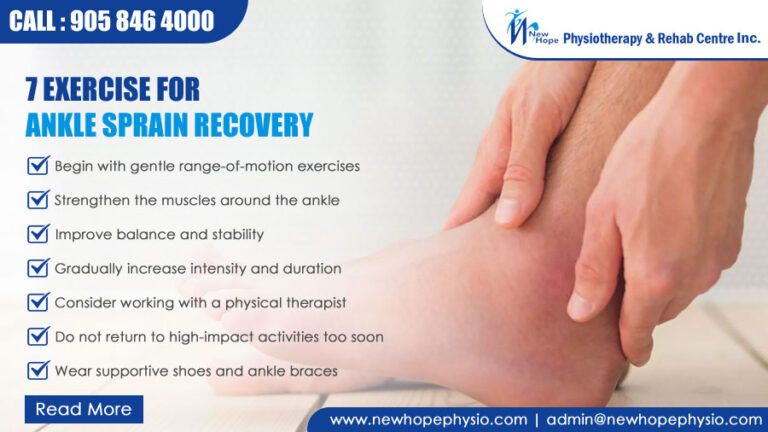
Credit: www.newhopephysio.com
Gradual Increase In Intensity
Gradually increasing running intensity helps prevent ankle injuries. Start with short, easy runs and slowly add distance and speed. This approach builds strength and minimizes stress on ankles.
Running is a fantastic way to boost your fitness, but it can also lead to ankle injuries if not done carefully. One of the best ways to safeguard against these injuries is through a gradual increase in intensity. Rushing into a high-intensity routine can strain your ankles, leading to potential setbacks. Instead, understanding how to pace yourself can make a significant difference in your running journey.Importance Of Gradual Progression
Gradual progression is crucial for developing strength and endurance without overloading your ankles. Your body needs time to adapt to new stress levels, especially when it comes to your joints and ligaments. By slowly increasing your running intensity, you allow your muscles and tendons to strengthen, reducing the risk of injury. Think about how you approach any new skill. You wouldn’t attempt to lift heavy weights without training, so why push your running limits too fast? This careful progression not only improves performance but also builds confidence in your abilities.How To Safely Increase Running Intensity
To safely enhance your running intensity, start by setting realistic goals. Aim for a weekly mileage increase of no more than 10%. This small increment gives your body the opportunity to adjust without overwhelming it. Incorporate rest days into your schedule. These are essential for muscle recovery and repair. Listen to your body; if you feel persistent discomfort, it’s a sign to ease back and reassess your plan. Consider integrating cross-training activities like cycling or swimming. These can improve cardiovascular fitness without putting extra strain on your ankles. By mixing up your routine, you maintain excitement and motivation in your workouts. Lastly, keep track of your progress. Use a journal or an app to monitor your runs, noting how you feel after each session. This reflection helps you identify patterns and make informed decisions about when to push forward or hold back. How are you pacing yourself on this running journey?Listening To Your Body
Recognizing body signals helps prevent ankle injuries while running. Pay attention to discomfort or strain and adjust your pace. Regularly stretching and strengthening exercises can support ankle health.
Listening to your body is an essential skill in preventing ankle injuries while running. It’s about tuning into the subtle signals your body sends before they escalate into something serious. By becoming more aware of these cues, you can take proactive steps to maintain your running routine without setbacks.Recognizing Early Signs Of Injury
Your body often whispers before it screams. A slight twinge in your ankle, persistent soreness, or unusual stiffness can all be early indicators. Pay attention to any discomfort that lasts beyond your run or worsens with activity. Ignoring these signs can lead to more severe injuries. Reflect on your recent runs—have you felt any unusual sensations? Acknowledging these early signs can help you make necessary adjustments to your running routine.Importance Of Rest And Recovery
Rest might feel like a four-letter word to avid runners, but it’s crucial. Giving your body time to heal can prevent minor injuries from turning into chronic issues. Adequate recovery allows your muscles to repair and strengthens your ankles, reducing the risk of future injuries. Consider adding rest days to your training schedule. How often do you prioritize rest over pushing through pain? Balancing activity with rest can enhance your performance and keep you running safely for years to come.
Credit: betterguards.com
Consulting A Professional
Consulting a professional can help prevent ankle injuries while running. They offer personalized advice and effective techniques. This ensures safe and enjoyable running experiences.
Consulting a professional can greatly reduce the risk of ankle injuries. Running requires proper techniques and understanding of body mechanics. A professional can provide tailored advice to suit individual needs. Their expertise helps in identifying potential risk factors. This ensures a safer running experience.When To Seek Expert Advice
Knowing when to consult a professional is crucial. Persistent pain or discomfort in the ankle is a red flag. This may indicate underlying issues needing expert attention. Swelling or difficulty moving the ankle also warrants professional help. If ankle injuries are frequent, expert advice is essential. A professional can assess and address recurring issues effectively.Benefits Of Professional Guidance
Professional guidance offers numerous benefits for runners. Customized training plans reduce the risk of injury. They ensure exercises are suitable for your body type and condition. A professional can teach proper running techniques. This minimizes stress on ankles and prevents injuries. Regular check-ins with a professional help monitor progress. Adjustments can be made to improve safety and performance.Frequently Asked Questions
How Can I Strengthen My Ankles For Running?
To strengthen ankles, perform exercises like calf raises, ankle circles, and balancing drills. These exercises enhance stability and flexibility. Regular practice helps prevent injuries by building muscle strength and joint resilience. Always start slowly and gradually increase intensity to avoid strain.
What Footwear Helps Prevent Ankle Injuries?
Choose shoes with good arch support and cushioning. Proper footwear absorbs impact and reduces pressure on ankles. Look for shoes designed for running, as they offer stability. Replace worn-out shoes regularly to maintain effective support and protection.
Are Warm-ups Important Before Running?
Warm-ups are crucial to prepare muscles and joints for activity. They increase blood flow and flexibility, reducing injury risk. Include dynamic stretches and light jogging in your routine. A proper warm-up helps enhance performance and prevent ankle injuries.
How Do I Safely Increase Running Distance?
Increase running distance gradually to avoid overuse injuries. Follow the 10% rule: increase weekly mileage by no more than 10%. Listen to your body and rest if you feel discomfort. Consistent, gradual progress ensures safe distance improvement.
Conclusion
Preventing ankle injuries while running is crucial for staying active. Simple steps make a big difference. Warm up before every run. Choose the right shoes for your feet. Practice balance exercises regularly. Listen to your body’s signals. Pain or discomfort?
Rest and recover. Pay attention to the surface you run on. Stay cautious on uneven ground. Building strength and flexibility protects ankles. Consistency is key. Make these practices routine. Enjoy safer runs and fewer injuries. Stay committed to healthy habits.
They lead to a stronger, injury-free running experience. Keep running confidently, with care. Your ankles will thank you.