Volleyball is a thrilling and fast-paced sport that you love. But with every jump, spike, and dive, there’s a risk of hurting your ankles.
Ankle injuries are common in volleyball, but the good news is that you can prevent them with some simple strategies. Imagine stepping onto the court with confidence, knowing you’ve taken the steps to safeguard your game and your health. This article will guide you through practical tips to keep your ankles strong and injury-free.
Whether you’re a seasoned player or just starting, these insights will help you stay in the game longer. Don’t let an ankle injury sideline you—read on to discover how you can protect your ankles and keep playing the sport you love.
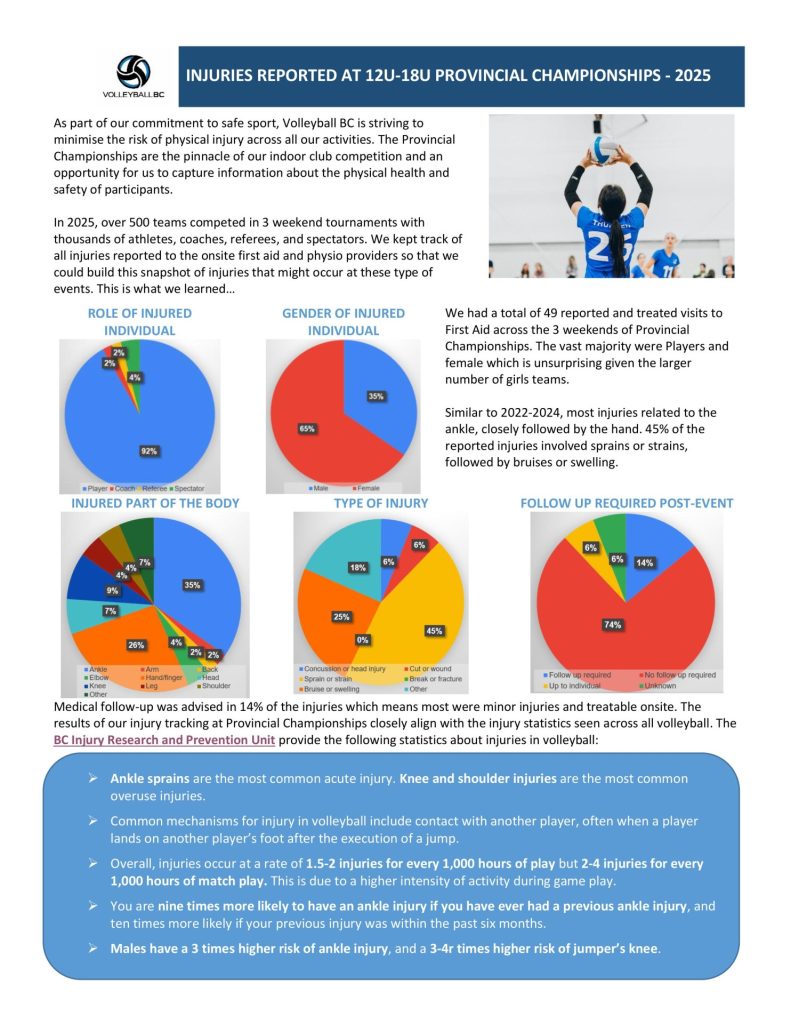
Credit: volleyballbc.org
Common Causes
Weak ankles and poor landing techniques often lead to injuries in volleyball. Strengthening exercises and proper footwear can help prevent these issues. Regular practice of balance drills also plays a crucial role in maintaining ankle health.
Understanding the common causes of ankle injuries in volleyball can significantly help in preventing them. Many players, both beginners and experienced, often overlook these factors, which can lead to injuries that sideline them for weeks or even months. By being aware of these causes, you can take proactive steps to protect yourself and stay on the court.Inadequate Warm-up
Failing to warm up properly is a frequent cause of ankle injuries. Skipping or rushing through a warm-up can leave your muscles and joints unprepared for the dynamic movements required in volleyball. A comprehensive warm-up should include stretching, light jogging, and mobility exercises focusing on the ankles.Poor Court Conditions
The surface you play on matters. Uneven or slippery courts can increase the risk of twisting your ankle. Always inspect the court before playing and be mindful of any potential hazards such as wet spots or debris.Improper Footwear
Wearing the wrong shoes can greatly increase your risk of ankle injuries. Volleyball-specific shoes provide the support and grip needed for quick lateral movements. Ensure your shoes fit well and are in good condition to offer the best protection.Fatigue
When you’re tired, your form and coordination suffer, making you more prone to injuries. Fatigue can lead to poor landings and slower reactions, both of which can result in ankle twists. Listen to your body and know when it’s time to rest and recover.Previous Injuries
A history of ankle injuries can make you more susceptible to re-injury. If you have past injuries, consider using ankle braces or taping for added support. Regular strengthening exercises can also help in building resilience. Being aware of these common causes can empower you to take the necessary precautions. Have you considered what changes you might need to make in your routine to prevent ankle injuries? Taking preventive steps today can keep you playing the sport you love without interruptions.Proper Footwear
Proper footwear is crucial in volleyball to prevent ankle injuries. Shoes should offer strong ankle support and a snug fit. Look for lightweight designs with shock absorption to reduce impact during jumps and quick movements.
Proper footwear is crucial for preventing ankle injuries in volleyball. The right shoes can significantly reduce the risk of sprains and strains by providing support and stability during quick movements. Investing time in choosing the perfect pair might save you from a painful injury later.Choose Volleyball-specific Shoes
Volleyball shoes are designed with the sport’s unique demands in mind. They offer better traction, flexibility, and support, allowing you to move freely without compromising stability. You may think any athletic shoe will do, but volleyball-specific shoes are engineered to withstand the constant jumping and lateral movements.Prioritize Ankle Support
Look for shoes with a high-top design or additional ankle support. This feature helps stabilize your ankles during sudden changes in direction. Imagine diving for a ball and feeling your ankle wobble—proper support can prevent that. It’s an investment in your safety and performance.Ensure Proper Fit
A snug fit is essential to minimize slippage inside the shoe. Check if there’s adequate space at the toes and a firm grip around your heel. Shoes that are too loose can lead to blisters or ankle twists. Have you ever played with sore feet because of ill-fitting shoes? It’s distracting and dangerous.Replace Worn-out Shoes
Old, worn-out shoes lose their ability to provide proper support. Regularly inspect your footwear for signs of wear, such as flattened soles or frayed fabric. Replacing them timely can prevent an injury waiting to happen. How often do you check your gear’s condition?Test For Traction
Good traction is vital for safe play. Perform quick movements to test the grip of the shoe on various surfaces. A shoe that slips can lead to falls or awkward landings. Have you ever slipped during a match? It’s not only embarrassing but could lead to a serious injury. By carefully selecting your footwear, you actively protect your ankles and enhance your performance on the court.Strengthening Exercises
Strengthening exercises for volleyball players can help prevent ankle injuries. Focus on calf raises, ankle circles, and balance drills to enhance stability. Regular practice improves ankle strength, reducing the risk of sprains during intense matches.
Strengthening exercises are crucial in preventing ankle injuries in volleyball. They build muscle, improve stability, and enhance performance. Strong ankles provide a solid foundation, reducing the risk of sprains and strains. Incorporating specific exercises into your routine can make a significant difference.Balance Drills
Balance drills are essential for ankle strength. They help improve stability and proprioception. Start with simple exercises like standing on one leg. Hold for 30 seconds, then switch legs. Use a soft surface to increase difficulty. Progress to dynamic movements. Try single-leg hops or balancing on a wobble board. These drills challenge your muscles and boost coordination.Resistance Training
Resistance training builds muscle around the ankle. It enhances support and reduces injury risk. Use resistance bands for exercises. Perform ankle dorsiflexion and plantarflexion. Loop the band around your foot. Pull back and point your toes. Do calf raises to strengthen your calves. Stand on a step, raise your heels, then lower them slowly. This training supports your ankle during intense volleyball matches.Warm-up Techniques
Warm-up techniques are crucial in preventing ankle injuries in volleyball. Ensuring that your muscles and joints are prepared for the physical demands of the game can make a significant difference. Let’s dive into two essential warm-up exercises that can safeguard your ankles and enhance your performance.
Dynamic Stretching
Dynamic stretching is a fantastic way to prepare your muscles for action. Unlike static stretching, it involves movement and helps increase blood flow to your muscles. Incorporate movements like leg swings and walking lunges.
These exercises mimic volleyball motions, preparing your body for the game ahead. As you perform these stretches, focus on the range of motion and control. You should feel a gradual increase in warmth and flexibility.
Ankle Rotations
Ankle rotations are simple yet effective in enhancing ankle mobility. While standing, lift one foot off the ground and rotate your ankle in a circular motion. Perform this exercise in both clockwise and counter-clockwise directions.
Repeat the rotations for about 10-15 times on each ankle. This exercise strengthens the muscles around your ankle, reducing the risk of sprains. Have you ever underestimated the power of a little ankle rotation? Now you know its importance!
Remember, each warm-up technique plays its part in keeping you safe and ready for action. What warm-up exercises do you currently use? It’s never too late to add these strategies to your routine. Stay proactive, and your ankles will thank you!
Court Awareness
Court awareness is vital in volleyball to prevent ankle injuries. Knowing player positions and movements helps avoid awkward landings and collisions. Stay focused on surroundings to enhance safety and maintain performance.
Court awareness is essential in volleyball to prevent ankle injuries. Knowing your surroundings on the court helps you stay safe. Players often overlook this crucial aspect, leading to unnecessary injuries. By staying alert, you can spot potential hazards and adjust your positioning. This can significantly reduce the risk of ankle injuries.Spotting Hazards
Identifying hazards is the first step to staying injury-free. Look for wet spots on the court. They can cause slips and falls. Check for uneven surfaces, which can lead to ankle twists. Also, be aware of other players. Collisions often result in injuries. Keep an eye out for loose objects near the playing area. These can be tripping hazards. Regularly inspect the court before practice or a game.Positioning Tips
Proper positioning is key to preventing injuries. Stand with your feet shoulder-width apart. This gives you a stable base. Bend your knees slightly. It helps in maintaining balance. Keep your weight on the balls of your feet. This makes quick movements easier. Always face the net. It allows you to anticipate plays. Maintain a safe distance from teammates to avoid collisions. Practice these tips to enhance your court awareness.
Credit: www.gosupps.com
Jump And Landing Techniques
Proper jump and landing techniques in volleyball help prevent ankle injuries. Focus on bending knees during landing and aligning feet with shoulders. Strengthening ankle muscles through exercises can also reduce injury risks.
Jumping and landing are critical components of volleyball, often making the difference between a powerful spike and an untimely injury. Proper technique not only enhances your game performance but also significantly reduces the risk of ankle injuries. Let’s explore how you can master these techniques to keep your game strong and your ankles safe.Safe Jumping
To jump safely, start by positioning your feet shoulder-width apart. This stance provides the stability needed for a powerful jump. Bend your knees slightly to engage your leg muscles and gather momentum. Visualize the jump before you make it. By focusing on your target and aligning your body, you prepare your muscles for what’s coming. If you jump frequently during a match, maintaining a fluid motion helps reduce strain on your joints.Controlled Landings
Landing correctly is just as important as jumping. Your goal should be to land softly, distributing your weight evenly on both feet. This reduces the impact on your ankles. Practice landing with your knees slightly bent. This posture acts as a cushion, absorbing the shock and preventing your ankles from rolling. Consistent practice of this technique can make it second nature during intense matches. Have you ever noticed how professional players seem to glide across the court? Their secret lies in controlled landings. By mastering this technique, you too can enhance your game and protect your ankles.Taping And Bracing
Taping and bracing provide essential support to prevent ankle injuries in volleyball. These techniques stabilize the joint, reducing the risk of sprains. Proper application ensures flexibility while offering protection during intense gameplay.
Taping and bracing play a crucial role in preventing ankle injuries in volleyball. They offer support and stability, reducing the risk of sprains. This method is especially beneficial for players with previous injuries or weaknesses. Proper technique is key to maximize protection. Let’s explore some effective strategies.Benefits Of Taping And Bracing
Taping provides additional support to the ankle joint. It limits excessive movement that can lead to injury. Bracing acts as a shield, offering compression and stability. Both methods enhance proprioception, improving balance and coordination.Choosing The Right Tape Or Brace
Selecting the appropriate tape or brace is essential. Consider the level of support needed. For minor issues, lightweight tape might suffice. For chronic instability, a sturdy brace is recommended. Comfort is also a factor. Ensure the brace fits well without restricting movement.Steps To Properly Tape Your Ankle
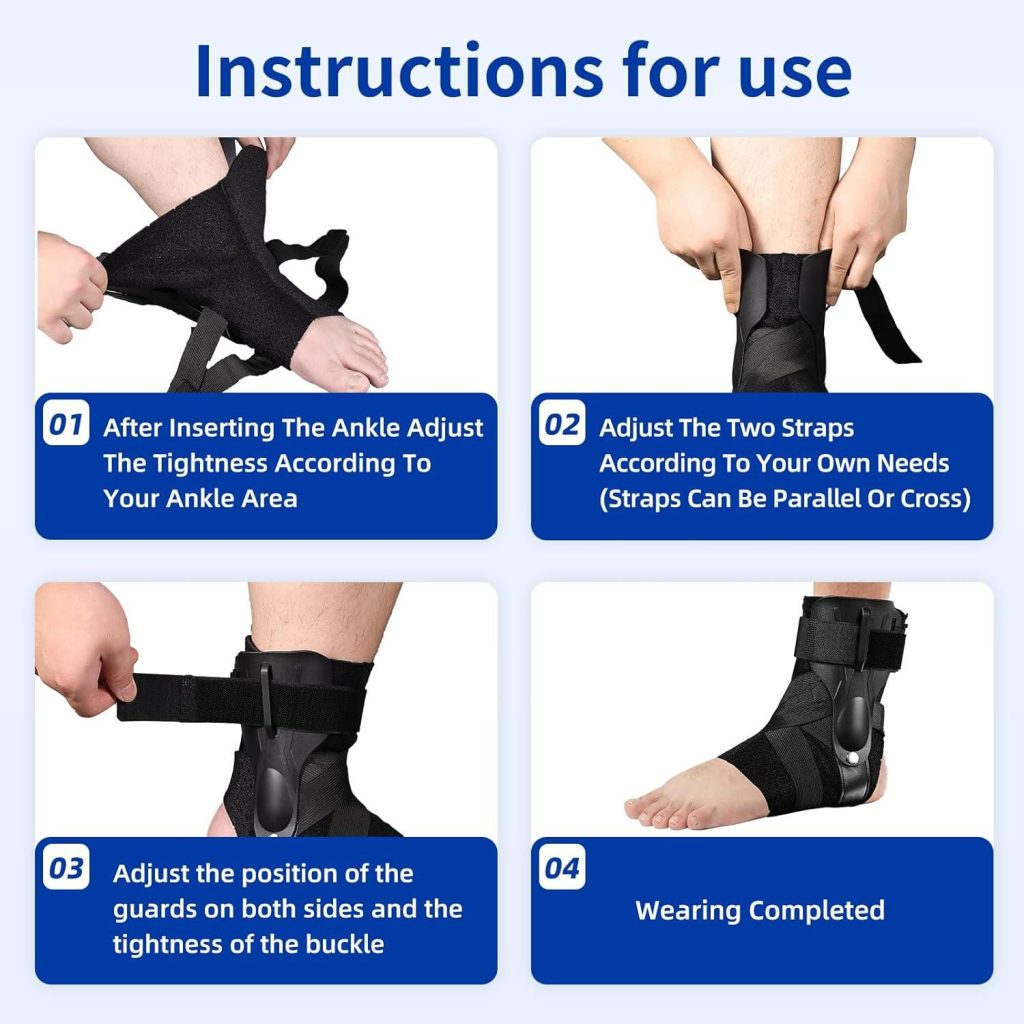
Follow a systematic approach for effective taping. Begin with clean, dry skin. Apply pre-wrap to protect the skin. Use athletic tape to create a figure-eight pattern. Ensure the tape is snug but not too tight. Check circulation by wiggling toes.How To Fit An Ankle Brace
Start by measuring your ankle size. Choose a brace that matches these measurements. Loosen all straps before wearing. Slide your foot into the brace, ensuring a snug fit. Fasten straps evenly for balanced support. Test mobility and comfort during practice.Common Mistakes To Avoid
Avoid wrapping too tightly. It may cut off circulation. Do not skip pre-wrap; it prevents skin irritation. Ensure tape ends are secure to prevent unraveling. Choose quality products to avoid wear and tear. Seek professional advice for persistent issues.Incorporating Taping And Bracing Into Routine
Make taping and bracing part of your warm-up. Allocate time before games for proper application. Regularly inspect braces for wear. Replace them as needed for optimal support. Educate yourself on new techniques and products. Stay proactive in injury prevention.
Credit: www.sheddonphysio.com
Regular Rest
Taking regular breaks is crucial for preventing ankle injuries in volleyball. Rest allows muscles to recover and reduces fatigue, enhancing performance. Incorporating rest periods into training routines can significantly lower the risk of injury, keeping athletes in the game longer.
Regular rest is crucial in preventing ankle injuries in volleyball. Overworked muscles and joints are more prone to injuries. Giving your body time to recover helps maintain strength and stability. Let’s explore some important aspects of incorporating regular rest into your routine.Understanding The Importance Of Rest Days
Rest days allow your muscles to repair and grow. They help reduce fatigue and prevent overuse injuries. Schedule rest days in your training plan to keep your body strong and injury-free.Listening To Your Body
Pay attention to signs of fatigue or discomfort. These signals indicate the need for rest. Ignoring them can lead to serious injuries. Always prioritize your health and well-being.Creating A Balanced Training Schedule
Balance your training with proper rest. Avoid consecutive days of intense workouts. Include low-impact activities or complete rest days. This approach helps maintain energy levels and prevent injuries.Benefits Of Active Rest
Active rest involves light activities that keep your body moving. Walking, stretching, or yoga are good options. They promote blood flow and aid recovery without straining your muscles.Quality Sleep And Recovery
Quality sleep is essential for recovery. Aim for 7-9 hours of sleep every night. Sleep helps repair tissues and reduces the risk of injuries. Prioritize a consistent sleep schedule for optimal health.Using Technology For Recovery
Technology can aid your recovery process. Use fitness apps to track your rest and training. Wearable devices can monitor your sleep and activity levels. They provide insights to help you maintain a balanced routine.Consulting A Professional
Consulting a professional can significantly reduce the risk of ankle injuries in volleyball. Experts provide tailored exercises and advice to strengthen ankle stability. Their guidance ensures proper technique and prevention strategies are in place.
Consulting a professional can be a game-changer in preventing ankle injuries in volleyball. Whether you’re a seasoned player or just starting, having expert guidance ensures you’re taking the right steps to protect your ankles. A professional can offer personalized advice tailored to your needs, helping you play with confidence and safety.Understanding Your Unique Needs
Meeting with a specialist allows you to understand your specific vulnerabilities. Everyone’s body is different, and a professional can assess your unique biomechanics. This helps in identifying potential risks and creating a plan to minimize them.Developing A Customized Training Plan
A tailored training plan is crucial for injury prevention. Professionals can design exercises that strengthen your ankles and enhance flexibility. These customized workouts can significantly reduce the risk of sprains during intense matches.Recognizing Early Warning Signs
Experts can teach you to recognize early signs of ankle strain. Knowing what to look out for can prevent minor issues from escalating. Being aware of these signs helps you take timely action, avoiding long-term injury.Learning Proper Techniques
Mastering proper techniques is essential in volleyball. Professionals can instruct you on the correct way to jump and land. These techniques are vital in reducing impact on your ankles, ensuring you stay injury-free.Seeking Regular Check-ups
Regular check-ups with a professional can keep you on track. These sessions allow for adjustments in your training plan as needed. Staying proactive with your health can enhance your performance and safety on the court. Engaging with a professional not only boosts your game but also ensures long-term health. Are you ready to take the next step in safeguarding your ankles?Frequently Asked Questions
What Exercises Prevent Ankle Injuries In Volleyball?
Strengthening exercises like calf raises and ankle circles can help. Balance exercises improve stability and reduce the risk. Stretching before and after matches keeps muscles flexible. Incorporating these exercises into your routine enhances performance and minimizes injury chances.
How Important Are Ankle Braces For Volleyball Players?
Ankle braces offer crucial support and stability during gameplay. They reduce strain and lower injury risks. Many players use them for added security. While not mandatory, they are highly recommended, especially for those prone to injuries.
Do Proper Shoes Help Avoid Ankle Injuries?
Yes, proper shoes provide essential support and cushioning. Volleyball shoes with good grip and ankle support are ideal. They help prevent slips and twists, reducing injury risk. Invest in quality footwear to protect your ankles during play.
Can Warm-ups Reduce Ankle Injury Risk?
Warm-ups are vital in preparing muscles and joints for activity. They increase flexibility and blood flow. Dynamic stretches and light cardio are effective. Proper warm-ups significantly lower the risk of injuries, including those to the ankles.
Conclusion
Preventing ankle injuries in volleyball involves smart preparation. Stretch before playing. Warm-up properly. Use supportive shoes. These steps protect your ankles. Practice good landing techniques. They reduce the risk of falls. Strengthening exercises help too. They make your ankles more stable.
Stay aware of your surroundings. This helps avoid unexpected twists. Listen to your body. Rest when needed. It prevents overuse injuries. Keep a balanced approach. It ensures long-term health. With these tips, enjoy volleyball safely. Focus on fun and fitness.
Keep your ankles strong. Stay in the game longer.