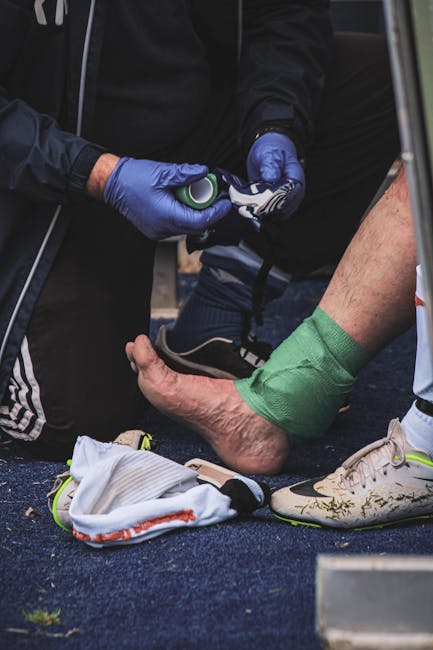
Are you tired of sitting on the sidelines because of an ankle injury? As someone passionate about soccer, you know how essential it is to keep your ankles strong and healthy.
Ankle injuries can be frustrating, painful, and can take you away from the game you love. But the good news is, they are often preventable. Imagine playing soccer with confidence, knowing you’ve taken the right steps to protect your ankles.
This article will guide you through practical tips and strategies to prevent those pesky injuries, ensuring you stay on the field longer and play at your best. Don’t miss out on learning how to safeguard your game and enjoy soccer without the worry of injury. Dive into the insights that could make all the difference in your performance and peace of mind.
Common Causes
Ankle injuries in soccer often result from poor footwear, uneven surfaces, or inadequate warm-up routines. Prioritizing proper stretching and strengthening exercises can significantly reduce these risks.
Preventing ankle injuries in soccer can often feel like navigating a minefield. Understanding the common causes is your first step toward protecting yourself on the field. By recognizing these causes, you can take preventive measures that might save you from weeks on the sidelines.Improper Footwear
Wearing the wrong type of shoes can lead to unexpected twists and turns. Soccer cleats should offer ample support and grip. If your shoes are too tight or loose, your risk of injury increases. Have you checked if your footwear is suitable for the field conditions?Poor Playing Surface
An uneven or slippery field can be a hidden threat. Sometimes, the turf is not well-maintained, leading to bumps and holes. These imperfections can cause you to trip or twist your ankle. Always inspect the playing surface before diving into your game.Lack Of Warm-up
Skipping warm-ups is like jumping into a cold pool. Your muscles need preparation to perform at their best. A proper warm-up increases blood flow and flexibility. It’s about waking your body up for the challenges ahead. Are you giving your muscles the preparation they need?Overtraining
Pushing your body beyond its limits might seem heroic but can be harmful. Overtraining leads to fatigue, which affects your coordination and strength. Rest days are crucial for recovery and maintaining peak performance. Are you balancing training with recovery?Contact Injuries
Soccer is a contact sport, and collisions are part of the game. These can lead to sudden ankle twists or rolls. Learning proper techniques for tackling and shielding can reduce your risk. Have you mastered safe contact methods? By addressing these causes, you’re not just reducing injury risks; you’re enhancing your game. Remember, prevention is about being proactive. What steps will you take today to safeguard your ankles?
Credit: www.tiktok.com
Proper Warm-up
Proper warm-up exercises are essential for preventing ankle injuries in soccer. Dynamic stretches and gradual muscle activation improve flexibility and stability. Increasing blood flow to the muscles prepares them for the demands of the game, reducing the risk of sprains and strains.
Proper warm-up is crucial in soccer to prevent ankle injuries. It prepares your body for intense physical activity. A good warm-up increases blood flow and flexibility. It reduces the risk of strains and sprains. It primes your muscles for quick movements.Dynamic Stretching
Dynamic stretching is essential before playing soccer. It involves active movements that stretch your muscles. Unlike static stretching, it keeps your body moving. It improves flexibility and joint range of motion. Focus on leg swings and walking lunges. These exercises warm up your ankle muscles. They prepare you for sudden turns and sprints.Sport-specific Drills
Sport-specific drills tailor your warm-up to soccer needs. They mimic movements you’ll use in the game. Drills like toe taps and ball rolls are beneficial. Toe taps improve foot speed and coordination. Ball rolls enhance control and balance. Practice short passes and quick dribbles. These drills engage your ankles and feet. They help in adjusting to rapid direction changes.Strengthening Exercises
Strengthening exercises can help prevent ankle injuries in soccer. Focus on building ankle stability and flexibility. Regular practice of targeted exercises enhances muscle support, reducing injury risk.
Strengthening exercises are a pivotal part of preventing ankle injuries in soccer. By focusing on targeted workouts, you can enhance the stability and strength of your ankles and the surrounding muscles. This not only reduces the risk of injuries but also boosts your overall performance on the field.Ankle Stability Workouts
Strengthening your ankles is crucial for every soccer player. Simple exercises like standing on one leg or using a balance board can make a significant difference. Try integrating resistance band exercises, such as ankle dorsiflexion and plantar flexion, into your routine for added benefits. You might be surprised how these exercises improve your balance. When I started using a balance board, I noticed a remarkable improvement in my control during matches. Consistency is key, so aim to perform these workouts three to four times a week.Core And Lower Body Conditioning
A strong core and lower body are essential for optimal ankle support. Squats and lunges not only build muscle but also enhance coordination and agility. Incorporate variations like side lunges and single-leg squats to target different muscle groups. Have you ever considered the impact of core strength on your ankle stability? Engaging in exercises like planks and Russian twists can provide the core stability needed for quick directional changes on the field. Aim to mix these exercises into your regular training sessions to create a well-rounded program. By focusing on these strengthening exercises, you’re not just building muscle—you’re investing in your long-term health and performance. What changes will you make in your training routine today to protect your ankles?Footwear And Equipment
Wearing proper soccer shoes and using ankle supports can help prevent injuries. Ensure the right fit for comfort and stability. Regular stretching and strengthening exercises for ankles are beneficial.
Preventing ankle injuries in soccer is crucial for maintaining your performance on the field. One of the key aspects to focus on is the right footwear and equipment. Proper gear not only enhances your agility but also provides the necessary support to keep those ankles safe.Choosing The Right Cleats
Selecting the appropriate cleats can make a significant difference in preventing ankle injuries. Opt for cleats that fit snugly yet comfortably, as a loose fit can lead to instability. Consider the playing surface too; firm ground cleats are best for dry grass, while soft ground cleats work well in wet conditions. Look for cleats with a supportive heel counter to help stabilize your ankle. A pair with a cushioned insole also provides comfort and reduces impact on your joints. Have you ever noticed how a pair of well-fitted cleats can change your confidence on the field?Using Supportive Gear
Beyond cleats, supportive gear plays a pivotal role in safeguarding your ankles. Ankle braces or wraps can offer additional protection, especially if you’ve had past injuries. They help in maintaining alignment and prevent excessive movement that could lead to sprains. Compression socks are another smart addition to your soccer gear. They improve blood circulation and provide extra support, reducing fatigue during prolonged matches. Have you tried using them and felt the difference in your game stamina? Regularly inspect your equipment for wear and tear. Replacing worn-out gear promptly can save you from unexpected injuries. Investing in quality equipment is investing in your long-term health and performance.Technique And Form
When it comes to preventing ankle injuries in soccer, understanding technique and form is crucial. Proper technique not only enhances your performance but also safeguards your health. You might wonder, how do subtle adjustments in your form make a difference? Let’s explore this further with a focus on safe landing practices and proper kicking methods.
Safe Landing Practices
Landing safely can be a game-changer in soccer, literally. Ensuring your feet are positioned correctly when you land can minimize the risk of rolling an ankle. Consider practicing soft landings by bending your knees slightly and distributing your weight evenly.
Remember those moments when you leap to head the ball? Focus on landing with your feet shoulder-width apart. This small tweak can stabilize you and prevent awkward falls.
Have you noticed how professional players always seem to land gracefully? It’s not just skill—it’s a conscious effort to protect their ankles. Why not try it yourself next time you’re on the field?
Proper Kicking Methods
Kicking might seem straightforward, yet improper technique can lead to injuries. When you kick the ball, aim to use the inside of your foot rather than the toe. This offers better control and reduces stress on your ankle.
Ever tried a powerful shot only to feel discomfort in your ankle? Pivoting your foot correctly can prevent such strain. Make sure your non-kicking foot is firmly planted and pointed toward your target.
Think back to a time when your kick went awry. Could it be your form needed adjustment? Practicing with intent can enhance your precision and safety.
By focusing on these techniques, you’re not just playing safer; you’re playing smarter. How will you integrate these practices into your next game? Remember, every small change can lead to significant improvements in your game and health.
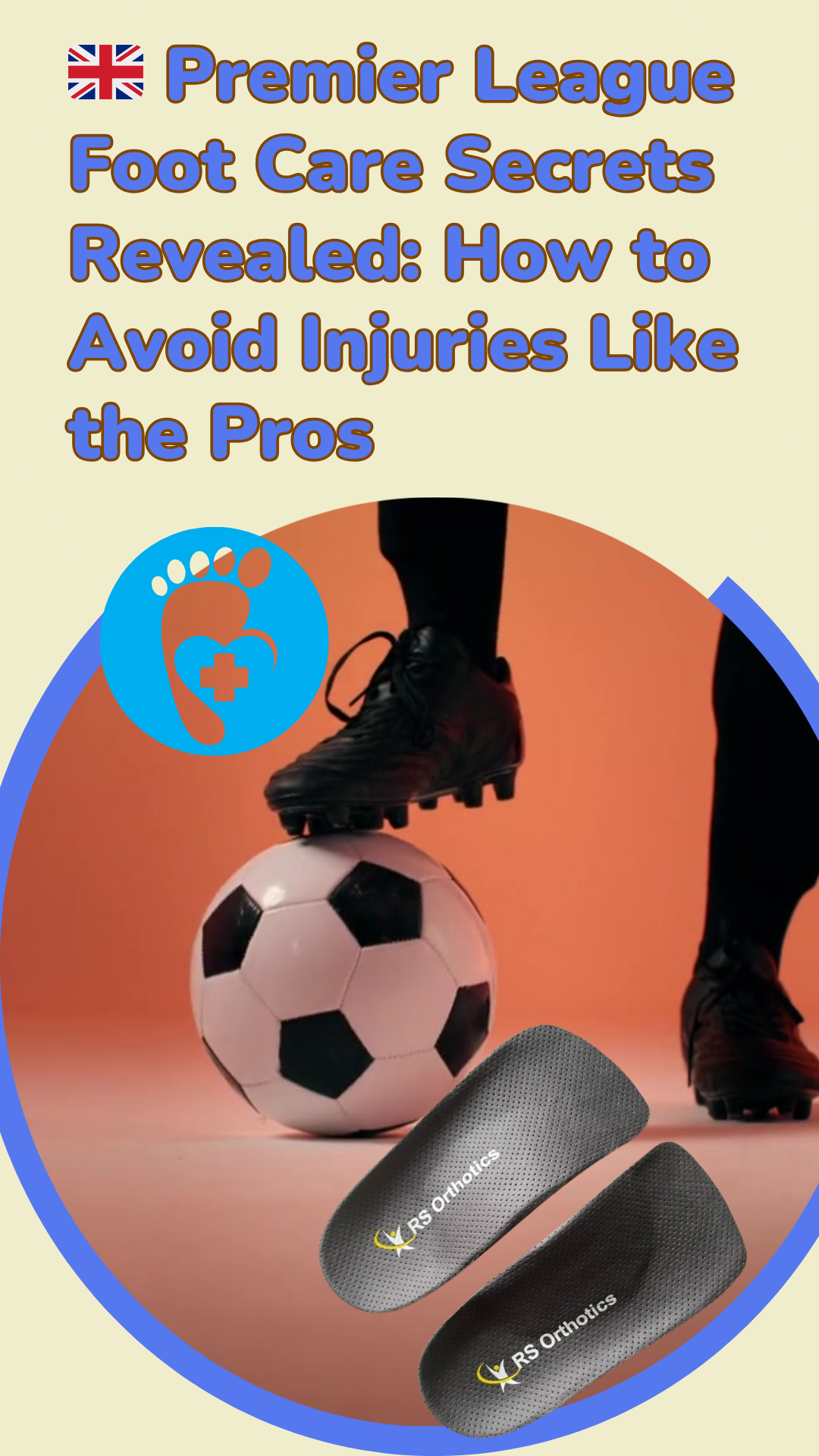
Credit: rsorthotic.co.uk
Recovery And Rest
Recovery and rest are vital in preventing ankle injuries in soccer. Your body needs time to heal and rebuild strength after intense activity. If you’re not prioritizing rest, you might be setting yourself up for an unwanted setback.
Importance Of Rest Days
Rest days are more than just a pause in your training routine. They are essential for muscle repair and overall well-being. While it may be tempting to push your limits, consider how your body feels when overworked. Have you ever noticed increased fatigue or soreness after consecutive days of intense training? Your muscles need time to recover, reducing the risk of injuries like sprained ankles.
Incorporating regular rest days can significantly improve your performance and help prevent injury. Think of it as an investment in your long-term fitness journey. How can you balance training with adequate rest to ensure optimal results?
Effective Recovery Techniques
Recovery techniques play a crucial role in preventing injuries. Have you tried using ice packs on sore muscles after a game? Cold therapy helps reduce inflammation and speed up healing. Stretching is another powerful tool. Gentle stretches keep your muscles flexible, reducing the risk of strains and sprains.
- Hydration: Drinking plenty of water aids muscle recovery.
- Massage: Using foam rollers or seeking professional massages can release tension.
- Nutrition: Eating a balanced diet supports muscle repair and energy replenishment.
Consider how these techniques can be integrated into your routine. Are you maximizing your recovery to prevent ankle injuries, or is there room for improvement?
Professional Guidance
Soccer is a thrilling sport, but ankle injuries can sideline players. Professional guidance plays a crucial role in preventing such injuries. Experts provide valuable insights into training and recovery. They help players maintain strong, flexible ankles.
Working With Coaches
Coaches offer tailored training plans for soccer players. They focus on exercises that strengthen ankles. Balance drills are often included in these routines. Coaches also ensure players use proper techniques during play. Correct form reduces the risk of injuries.
Regular feedback from coaches helps identify weaknesses. Players can adjust their training accordingly. This proactive approach enhances performance. It also minimizes injury chances.
Consulting Physiotherapists
Physiotherapists assess players’ physical conditions. They provide personalized advice on maintaining ankle health. Stretching routines are recommended to enhance flexibility. Physiotherapists monitor recovery processes after injuries. Their expertise ensures safe return to the field.
They also educate players about injury signs. Early detection can prevent severe issues. Consulting a physiotherapist is essential for long-term health. Their guidance is invaluable for soccer players.

Credit: www.newhopephysio.com
Frequently Asked Questions
How Can I Strengthen My Ankles For Soccer?
Strengthening your ankles involves specific exercises like ankle circles, calf raises, and resistance band stretches. These exercises enhance flexibility and stability. Incorporate them into your routine to reduce the risk of injuries. Consistency is key for effective results, and always consult a coach or physiotherapist for personalized guidance.
What Are The Best Ankle Braces For Soccer?
Ankle braces provide crucial support, helping prevent injuries during gameplay. Popular options include McDavid, ASO, and Shock Doctor. They offer stability and compression, reducing strain on your ankles. Choose a brace that fits snugly and comfortably. Consult with a coach or medical professional for recommendations suited to your needs.
How Important Is Proper Footwear In Soccer?
Proper footwear is essential for preventing ankle injuries. Soccer cleats should offer good traction and ankle support. Choose cleats that fit well and are designed for your playing surface. Ill-fitting shoes can lead to slips and twists. Regularly check your footwear for wear and tear to ensure optimal performance.
Can Warm-up Routines Prevent Ankle Injuries?
Warm-up routines are crucial for preventing ankle injuries. Dynamic stretches and light cardio prepare your muscles and joints. This increases blood flow and flexibility, reducing the risk of strains. A proper warm-up enhances performance and recovery. Dedicate at least 15 minutes before playing to warm up effectively.
Conclusion
Preventing ankle injuries in soccer requires careful attention and smart practices. Regular exercises strengthen ankles and reduce injury risks. Proper footwear provides essential support and protection. Warm-up routines prepare muscles and joints for action. Staying hydrated keeps muscles flexible. Listening to your body helps avoid overexertion.
Resting and recovering are essential after intense play. Consistent care and smart choices keep your ankles safe. Enjoy the game with confidence and peace of mind. Your ankles will thank you. Stay committed to these practices for a safer soccer experience.
Play smart. Stay healthy. Keep kicking!