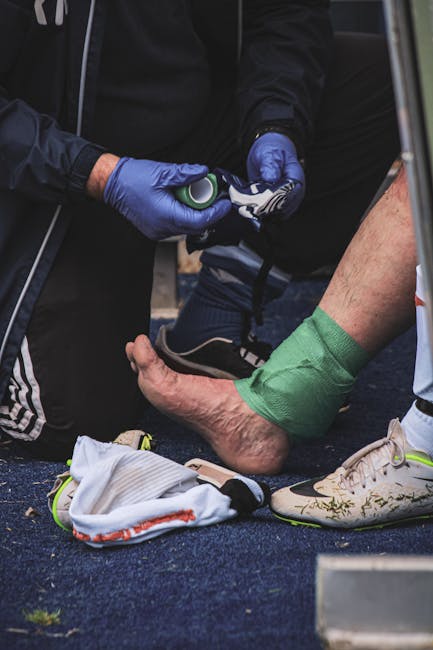
Imagine sprinting down the field, adrenaline pumping, with victory in sight. Then, in a split second, you’re on the ground, clutching your ankle in pain.
Ankle injuries in football aren’t just physically painful; they can sideline you for weeks, disrupting your game and your goals. But here’s the good news: you can take control and significantly reduce your risk of these common injuries. This guide will show you simple yet effective strategies to keep your ankles strong and resilient.
Whether you’re a seasoned player or just starting out, understanding how to prevent ankle injuries is key to staying in the game and playing your best. Ready to make your next match safer and more enjoyable? Let’s dive in and equip you with the knowledge you need to protect your most vulnerable joints.
Understanding Ankle Injuries
Understanding ankle injuries is crucial for any football player aiming to stay on the field and avoid unnecessary downtime. While the thrill of the game is unbeatable, the risk of ankle injuries can be a lingering concern. By grasping the common types of injuries and their causes, you can take proactive steps to safeguard your ankles.
Common Types Of Injuries
In football, ankle sprains are the most prevalent injury, often resulting from a sudden twist or awkward landing. There are different degrees of sprains, ranging from mild stretching of the ligaments to complete tears. Another common injury is a fracture, where the bone breaks due to intense impact. Achilles tendonitis, characterized by pain and swelling along the back of your ankle, is also a frequent issue.
Causes And Risk Factors
Poor playing surfaces and inadequate footwear can significantly increase the risk of ankle injuries. Uneven grounds can lead to unexpected slips, while shoes lacking proper support fail to protect your ankles from strain. Overuse is another risk factor; playing too intensely without adequate rest can stress the ankle joints. It’s also crucial to consider your body mechanics; improper techniques during play can predispose you to injuries.
Have you ever thought about how your playing style might affect your injury risk? By paying attention to how you move and making necessary adjustments, you can reduce the chances of injury. Consider consulting a coach or physiotherapist to analyze your movements for potential risk factors.
- Ensure your footwear offers ample ankle support.
- Regularly check the playing surface for hazards.
- Incorporate rest days into your training routine.
- Seek professional advice on your playing techniques.
Ultimately, understanding ankle injuries in football not only helps you protect your game but also ensures you enjoy a more seamless and injury-free season. Are your ankles ready for the next match?

Credit: www.empowerband.com
Proper Warm-up Techniques
Proper warm-up techniques can significantly reduce ankle injuries in football. Start with dynamic stretches like leg swings and ankle circles. Gradually increase intensity with exercises such as light jogging and lateral movements to prepare the joints and muscles effectively.
Proper warm-up techniques are essential to prevent ankle injuries in football. They are the foundation of a safe and effective practice or game. Warming up not only prepares your body physically but also mentally sets the tone for performance. You might have heard your coach emphasize this repeatedly, but how often do you take it to heart? It’s time to give your ankles the attention they deserve with effective warm-up strategies. Let’s dive into dynamic stretching and ankle mobility exercises that can make a difference.Dynamic Stretching
Dynamic stretching involves moving parts of your body and gradually increasing reach, speed, or both. This type of stretching improves flexibility, strength, and range of motion. Imagine doing high knees or leg swings before a game. These movements increase your heart rate and get your muscles ready for action. Research shows that dynamic stretching can reduce the risk of injuries by making your muscles more responsive. Try including exercises like:- Leg Swings: Swing each leg forward and back to loosen up your hip flexors and hamstrings.
- Walking Lunges: Engage your quads, hamstrings, and calves with this full-body movement.
- High Knees: Elevate your heart rate while stretching your quads and hip flexors.
Ankle Mobility Exercises
Ankle mobility exercises are crucial for preventing injuries and enhancing performance. Flexible and strong ankles can adapt to sudden movements, reducing the risk of sprains. Consider trying ankle circles or calf raises. These exercises strengthen the muscles around the ankle and improve joint flexibility. Imagine your foot’s ability to pivot sharply when you dodge an opponent. Ankle mobility enhances this skill, giving you an edge on the field. Incorporate these simple yet effective exercises:- Ankle Circles: Rotate your foot in a circular motion to improve flexibility.
- Calf Raises: Stand on your toes and slowly lower your heels to strengthen your calves and ankle stability.
- Toe Walks: Walk on your toes for 30 seconds to engage your lower leg muscles.
Strengthening Exercises
Strengthening exercises are essential to prevent ankle injuries in football. Regular workouts enhance muscle stability and support around the ankle. Incorporating these exercises into your routine can reduce the risk of injury on the field.
Strengthening exercises play a key role in preventing ankle injuries in football. Regularly engaging in targeted workouts can enhance muscle support around the ankle. This reduces the risk of strains and sprains during intense play. Below are some effective strengthening exercises that focus on resistance and balance.Resistance Band Workouts
Resistance bands are simple yet effective tools for building ankle strength. They provide various levels of tension for different exercises. Try ankle eversion and inversion exercises. Sit on the floor with legs extended. Loop a resistance band around the foot. Hold the other end firmly. Move your foot outward for eversion, and inward for inversion. Perform each movement slowly and with control. Repeat for 10-15 reps on each foot. These exercises target the muscles supporting the ankle joint.Balance And Stability Drills
Balance and stability drills improve ankle proprioception. Start with single-leg stands. Stand on one foot for 30 seconds. Switch legs and repeat. To increase difficulty, close your eyes or stand on a soft surface. Use a balance board for more challenge. Rock back and forth gently, maintaining control. These exercises help the ankle adapt to uneven surfaces. Practicing them regularly can enhance your on-field performance.
Credit: lp-supports.com
Appropriate Footwear
Choosing the right footwear can prevent ankle injuries in football. The right shoes provide stability and comfort, reducing the risk of twists and sprains. Let’s explore how to pick the best footwear for football players.
Choosing The Right Cleats
Cleats are essential for grip and balance on the field. Choose cleats with proper fit to avoid slipping inside the shoe. Consider the playing surface when selecting cleat length. Longer cleats suit grass, while shorter ones work for artificial turf. The material matters too. Durable synthetic or leather ensures longevity and protection.
Insole Support Options
Good insoles enhance comfort and support. They reduce stress on your ankles. Look for insoles with cushioning to absorb shock. Arch support is crucial for stability. Consider custom orthotics if you have specific foot issues. These options can prevent fatigue and enhance performance.
Taping And Bracing
Taping and bracing are effective strategies to prevent ankle injuries in football. They provide stability and reduce the risk of sprains. Proper support can enhance performance and ensure safer play on the field.
Taping and bracing are essential in preventing ankle injuries in football. These methods provide support and stability to the ankle. They help reduce the risk of sprains and strains during intense play. Proper use of taping and bracing can enhance an athlete’s confidence. Athletes can focus on their game without worrying about injuries.Benefits Of Taping
Taping supports the ankle joint during movement. It limits excessive motion, reducing injury risk. Taping can be customized to fit each player’s needs. This personalized approach ensures better protection. It also helps in maintaining natural foot movement. Athletes find it comfortable and effective.Selecting The Right Brace
Choosing the right brace is crucial for protection. Look for a brace that fits well and feels comfortable. A good brace should allow some movement but provide support. Consider the type of play and position when selecting. Make sure it is made of durable material for lasting use. The right brace can make a big difference in injury prevention.Field Awareness And Technique
Field awareness and technique play a crucial role in preventing ankle injuries in football. Understanding your surroundings and honing your skills can make a significant difference. Imagine yourself on the field, fully aware of the positions and movements of other players. This mindfulness not only enhances your performance but also keeps you safe from potential injuries. Do you think about the way you tackle? Your approach can be the deciding factor between a safe maneuver and a risky one.
Proper Tackling Techniques
Effective tackling is about more than just strength; it’s a combination of technique and timing. Focus on maintaining a low center of gravity and keeping your eyes on the opponent’s waist. This helps in predicting their movement and allows you to adjust accordingly. Engage your core muscles to provide stability and prevent overextension of your ankles. A friend once shared how he reduced injuries by practicing tackles with precision—what changes can you make to refine your technique?
Avoiding Risky Maneuvers
Football is fast-paced, but not every move is worth the risk. Prioritize safety by avoiding sudden twists or jumps, which can strain your ankles. Think about the last time you saw someone injured from a reckless play—was it worth it? Instead, opt for controlled movements and anticipate the game flow. Planning your steps and being aware of your positioning can prevent unnecessary strain. How do you balance the excitement of the game with the need to stay safe?
Recovery And Rest Strategies
Effective recovery and rest strategies are essential for preventing ankle injuries in football. Proper stretching and strengthening exercises help maintain flexibility and support joint health. Regular rest periods allow the body to heal and reduce the risk of overuse injuries.
Recovery and rest are crucial components of preventing ankle injuries in football. While training and conditioning are essential, giving your body the time it needs to heal and strengthen is equally important. A well-planned recovery strategy can make all the difference in maintaining peak performance and avoiding setbacks.Importance Of Rest Days
Rest days are not just a break from the field; they are a vital part of your training regimen. They allow your muscles and joints to recover, reducing the risk of injuries. Consider planning at least one full rest day each week where you engage in light activities or none at all. During these rest days, focus on activities that promote relaxation and recovery, such as yoga or swimming. These can improve flexibility and joint health without putting additional strain on your ankles. Remember, rest days are also a mental break, helping you recharge for future games.Signs Of Overuse
It’s essential to listen to your body and recognize signs of overuse before they lead to injury. Persistent pain in your ankles, swelling, or a decrease in performance can be indicators. If you notice these symptoms, it might be time to reassess your training intensity. Ignoring these signs can lead to more severe injuries, sidelining you for longer periods. Pay attention to how your body responds to each session. Are you feeling unusually fatigued or sore? This could be a cue to adjust your routine or seek professional advice. Incorporating proper recovery and rest strategies into your routine can significantly reduce the risk of ankle injuries. How do you plan to prioritize rest and recovery in your training schedule?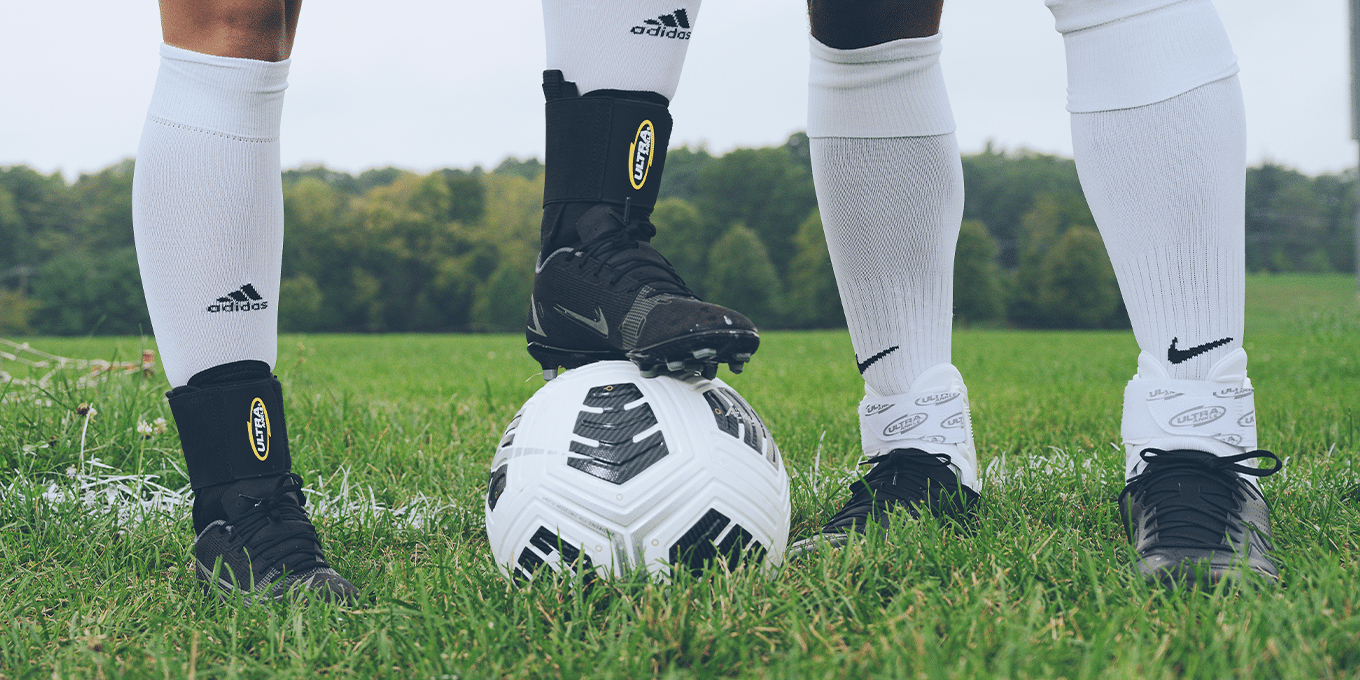
Credit: www.ultraankle.com
Role Of Nutrition And Hydration
Ankle injuries can be a real game-changer for football players. While training and strength are often highlighted, the role of nutrition and hydration is just as crucial in preventing these injuries. What you eat and drink directly affects your joint health and performance on the field. But are you getting the right nutrients and staying properly hydrated?
Essential Nutrients For Joint Health
What you put on your plate can fortify your ankles against injuries. Ensuring an adequate intake of calcium and vitamin D strengthens bones, making them less susceptible to fractures. Include foods like milk, cheese, and fortified cereals in your diet.
Omega-3 fatty acids, found in fish like salmon and mackerel, can reduce inflammation and improve joint flexibility. Leafy greens, nuts, and seeds also provide antioxidants that protect your joints from wear and tear. Is your diet colorful and varied enough to support your active lifestyle?
Staying Hydrated During Play
Hydration is not just about quenching thirst—it’s about maintaining muscle function and preventing cramps. Dehydration can lead to fatigue, increasing the risk of injury. Ensure you drink water regularly throughout the day, not just when you’re on the field.
During intense matches, sports drinks can replenish lost electrolytes, keeping your body balanced. However, be mindful of sugar content. Have you considered the impact of your hydration habits on your performance and safety?
By focusing on what you eat and drink, you’re not only fueling your body but also fortifying it against potential injuries. How will you adjust your nutrition and hydration habits to protect your ankles this season?
Frequently Asked Questions
What Exercises Strengthen Ankles For Football?
Regular exercises like ankle circles, calf raises, and resistance band stretches can strengthen ankles. These exercises enhance flexibility and stability. Consistent practice reduces the risk of injuries during football matches and training sessions. Strong ankles are crucial for swift movements and better performance on the field.
How Can Proper Footwear Prevent Injuries?
Wearing football-specific shoes with good ankle support reduces injury risks. Proper footwear offers stability and grip, preventing slips and falls. It’s essential to choose shoes that fit well and support your foot structure. Good footwear enhances performance and keeps your ankles safe during intense play.
Why Is Warm-up Important For Ankles?
Warm-ups prepare your muscles and joints for physical activity. They increase blood flow, enhancing flexibility and reducing injury risk. Ankle-focused warm-ups, like dynamic stretches, are crucial for preventing sprains. Proper warm-up routines ensure your ankles are ready for football’s demands, keeping them safe.
What Role Does Hydration Play In Injury Prevention?
Hydration keeps muscles and joints functioning optimally. It prevents cramps and fatigue that can lead to injuries. Adequate water intake maintains muscle elasticity and joint lubrication. Staying hydrated ensures your body can handle intense football activities without compromising ankle safety.
Conclusion
Preventing ankle injuries in football requires focus and care. Wear sturdy, supportive footwear to protect your ankles. Warm up before playing to prepare your muscles. Strengthen your ankles with regular exercises. Pay attention to the field conditions and avoid risky movements.
Rest when you feel tired to avoid accidents. Listen to your body; it often signals when something is wrong. Ankle injuries can be painful and disruptive. Taking these precautions can help keep you safe on the field. Stay proactive and enjoy playing football without worries.
Your ankles will thank you.