
Imagine waking up one day to find out that your kidneys, those vital organs silently working in the background, are suddenly in distress. Acute kidney injury (AKI) can strike unexpectedly, leaving you feeling anxious and overwhelmed.
The good news? Many cases are preventable. By understanding the steps you can take to protect your kidneys, you can significantly reduce your risk of encountering this health issue. We’ll dive into practical and straightforward strategies to help you safeguard your kidney health.
Keep reading to discover how simple lifestyle changes can make a big difference in preventing acute kidney injury. Your future self will thank you for it.

Credit: www.facebook.com
Understanding Acute Kidney Injury
Acute Kidney Injury (AKI) is a sudden loss of kidney function. This condition can be serious and requires prompt attention. Understanding AKI is crucial for prevention. Knowing what causes it and recognizing the symptoms early can help manage and prevent further damage.
Causes Of Acute Kidney Injury
Several factors can lead to AKI. Common causes include:
- Severe dehydration: Lack of fluids can strain kidneys.
- Infections: Severe infections may affect kidney function.
- Medications: Some drugs can harm kidneys.
- Blockages: Kidney stones or tumors can obstruct urine flow.
- Blood loss: Major blood loss lowers kidney function.
Recognizing these causes is key in prevention.
Symptoms To Watch For
Early detection of AKI is vital. Common symptoms include:
- Reduced urine output: Less urination is a warning sign.
- Swelling: Fluid retention can cause swelling in limbs.
- Nausea: Feeling sick may indicate kidney issues.
- Fatigue: Unusual tiredness can be a symptom.
- Confusion: Mental changes may occur.
Stay alert to these signs for early intervention.
Risk Factors
Understanding the risk factors for Acute Kidney Injury (AKI) is crucial for prevention. Identifying what puts you at risk helps you take proactive steps towards safeguarding your kidney health. Let’s explore how age, health conditions, medications, and treatments can influence your likelihood of developing AKI.
Age And Health Conditions
Your age plays a significant role in your kidney health. As you grow older, your kidneys might not function as efficiently as they once did. This natural decline can make you more susceptible to AKI. If you’re over 60, it’s important to monitor your kidney function regularly.
Moreover, certain health conditions increase your risk. Diabetes and high blood pressure are notorious culprits. They can damage your kidneys over time, making them more vulnerable to injury. Managing these conditions effectively is a key step in reducing your risk.
Medication And Treatment Risks
Ever wondered if your medication could impact your kidneys? Some drugs, especially non-steroidal anti-inflammatory drugs (NSAIDs) and certain antibiotics, can be harmful. If you use these medications frequently, consult your doctor about safer alternatives.
Treatment procedures like surgery also pose risks. Anesthesia and blood loss during surgery can lead to AKI. Make sure your healthcare provider is aware of any kidney concerns before you undergo any procedures.
Are you aware of how your treatments might affect your kidney health? Being informed and taking preventive measures can make a significant difference.
Preventive Lifestyle Measures
Adopt a balanced diet and stay hydrated to support kidney health. Regular exercise and avoiding excessive medication use can help prevent acute kidney injury. Monitor blood pressure and manage diabetes to reduce risk.
Preventive lifestyle measures are vital for maintaining kidney health. Simple changes can greatly reduce the risk of acute kidney injury. These measures promote overall well-being. They empower individuals to take charge of their health proactively.Healthy Diet Choices
A balanced diet supports kidney function. Choose foods low in salt and fat. Fresh fruits and vegetables are excellent options. They provide necessary vitamins and minerals. Lean meats and fish offer protein without added fats. Avoid processed foods. They often contain high levels of sodium and preservatives. Whole grains are another smart choice. They help regulate blood sugar levels.Regular Exercise Importance
Exercise boosts circulation. It supports heart health. This, in turn, benefits kidney function. Aim for 30 minutes of physical activity daily. Walking, swimming, or cycling are effective. Exercise helps maintain a healthy weight. It reduces the risk of diabetes and high blood pressure. Both conditions can harm kidneys over time.Hydration Tips
Proper hydration is crucial. Water helps kidneys filter waste. Drink at least eight glasses of water daily. Avoid sugary drinks. They can lead to weight gain and dehydration. Listen to your body’s thirst signals. Drink more in hot weather or after exercise. Herbal teas and infused water are refreshing alternatives. They offer hydration without added sugars.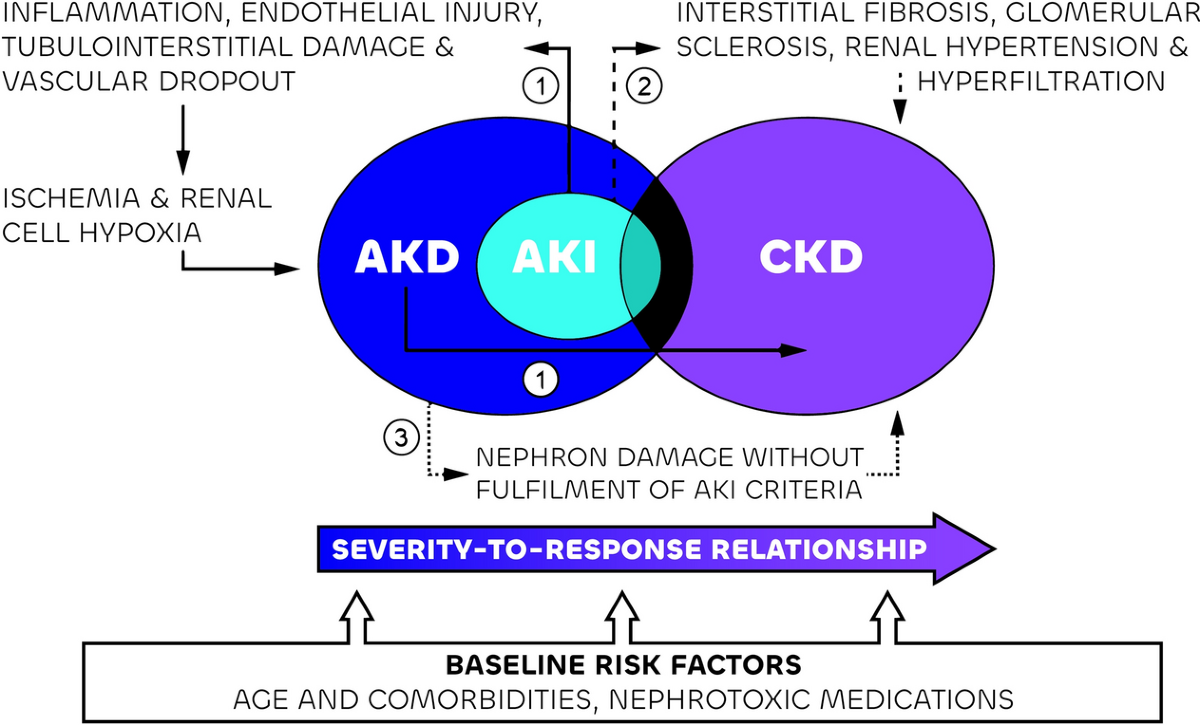
Credit: link.springer.com
Medical Strategies
Preventing acute kidney injury involves staying hydrated and monitoring blood pressure closely. Avoiding overuse of painkillers and maintaining a balanced diet can help protect kidney health. Regular check-ups and managing chronic conditions like diabetes are crucial for prevention.
Preventing acute kidney injury (AKI) is crucial to maintaining your overall health, and medical strategies play a significant role in this. By implementing simple yet effective medical practices, you can reduce the risk of kidney damage. These strategies revolve around regular monitoring and management of key health indicators.Regular Health Check-ups
Scheduling regular health check-ups can be a game-changer in kidney health management. These check-ups help in early detection of potential health issues that could lead to AKI. Make it a point to discuss any concerns with your healthcare provider, ensuring they perform necessary tests to assess your kidney function.Monitoring Blood Pressure
Keeping a close watch on your blood pressure is vital. High blood pressure can damage your kidneys over time, increasing the risk of AKI. Use a home blood pressure monitor to track your readings regularly. If you notice any unusual changes, consult your doctor promptly to adjust your treatment plan if necessary.Managing Diabetes Effectively
If you’re living with diabetes, managing your blood sugar levels is crucial to prevent kidney damage. Uncontrolled diabetes can lead to diabetic nephropathy, a common cause of AKI. Work closely with your healthcare provider to create a diabetes management plan that includes regular blood sugar testing, a balanced diet, and appropriate medication. Are you aware of how these small steps can make a big difference in your kidney health? Taking proactive measures today can save you from potential complications tomorrow.Avoiding Harmful Substances
Avoid harmful substances like NSAIDs and certain antibiotics to protect your kidneys. Stay hydrated and avoid excessive alcohol. Consult a doctor before taking new medications to ensure kidney safety.
Avoiding harmful substances is crucial in preventing acute kidney injury. Kidneys filter waste from the blood. Harmful substances can overload them, leading to damage. Knowing what to avoid keeps your kidneys healthy.Limiting Alcohol And Tobacco
Alcohol and tobacco strain your kidneys. Alcohol dehydrates your body. Dehydration affects kidney function. Limiting alcohol intake helps maintain hydration. Tobacco contains chemicals harmful to kidneys. Smoking reduces blood flow to kidneys. Quit smoking to improve kidney health.Caution With Over-the-counter Medications
Many over-the-counter drugs affect kidney function. Painkillers like ibuprofen and aspirin can harm kidneys. Use them sparingly and follow dosage instructions. Always read labels for warnings about kidney health. Consult a doctor before starting new medications. Your kidneys will thank you for being careful.Emergency Situations
Monitoring hydration levels and avoiding dehydration helps prevent acute kidney injury. Regular check-ups can detect early signs of kidney issues. Avoid overuse of medications that can harm kidneys, like painkillers.
In emergency situations, acute kidney injury (AKI) can develop rapidly. Immediate response is crucial. Recognizing early signs and seeking help can save lives. This section focuses on identifying critical warning signs and knowing when to seek medical assistance. Stay informed to prevent potential complications and ensure prompt care.Recognizing Warning Signs
Spotting early symptoms of AKI can be life-saving. Common signs include decreased urine output and sudden swelling. Watch for unusual fatigue or confusion. Nausea and difficulty breathing are also red flags. Pay attention to any noticeable changes in urine color or frequency. These indicators require immediate attention.When To Seek Medical Help
Seek medical help if you notice any warning signs. Do not wait for symptoms to worsen. If you experience severe abdominal pain, contact a healthcare provider. Persistent vomiting or diarrhea also warrants urgent medical evaluation. In case of sudden confusion or drowsiness, seek emergency care. Quick action can prevent further kidney damage.
Credit: www.facebook.com
Frequently Asked Questions
What Causes Acute Kidney Injury?
Acute kidney injury can be caused by reduced blood flow to the kidneys, damage from medications, or blockage in urinary tract. It’s often linked to underlying conditions like heart disease or diabetes. Regular monitoring and maintaining a healthy lifestyle can help mitigate risks.
Can Dehydration Lead To Kidney Injury?
Yes, severe dehydration can decrease blood flow to the kidneys, leading to acute kidney injury. It’s crucial to stay hydrated, especially in hot weather or during exercise. Drinking adequate water and avoiding excessive alcohol can protect your kidneys.
How Can Diet Prevent Kidney Injury?
A balanced diet can prevent kidney injury by reducing strain on the kidneys. Limit salt and protein intake, and choose fresh fruits and vegetables. Reducing processed foods and avoiding high-sugar beverages support kidney health.
Are There Medications That Harm Kidneys?
Some medications, including NSAIDs and certain antibiotics, can harm kidneys if used excessively. Always consult your doctor before starting new medications. Regular check-ups can help identify potential issues early and ensure safe use of prescribed drugs.
Conclusion
Preventing acute kidney injury is crucial for your health. Stay hydrated daily. Monitor blood pressure regularly. Avoid excessive use of painkillers. Eat a balanced diet rich in fruits and vegetables. Keep an active lifestyle. Exercise regularly to maintain kidney function.
Regular health check-ups are important. Consult your doctor for any health concerns. These steps help protect your kidneys. Stay informed and proactive. Your kidneys will thank you.