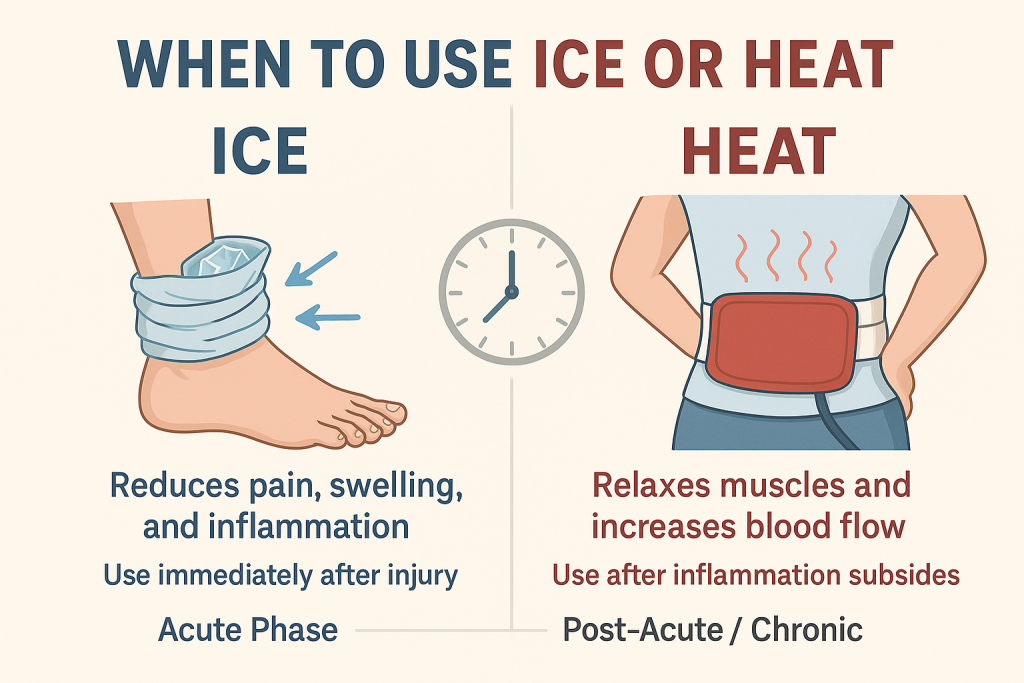
Imagine enjoying your favorite sport or activity, only to be sidelined by a sudden injury. Acute injuries can strike without warning, turning a joyful experience into a frustrating setback.
But here’s the good news: you have the power to prevent many of these injuries before they happen. This guide will walk you through practical tips and strategies to keep you safe and active. By understanding what leads to these injuries, you can make simple changes that protect your body and enhance your performance.
Ready to discover how to stay injury-free and keep doing what you love? Let’s dive in and explore the steps you can take today.

Credit: www.totalorthosportsmed.com
Common Causes Of Acute Injuries
Acute injuries often stem from physical activities, accidents, or improper equipment use. Wearing protective gear and warming up can reduce risks.
Acute injuries happen suddenly and can be painful. Knowing their common causes helps prevent them. It’s essential to understand what leads to these injuries. This knowledge aids in staying safe and healthy.Slips And Falls
Slips and falls are frequent causes of acute injuries. Wet floors and uneven surfaces increase the risk. Proper footwear and caution help reduce accidents.Sports Activities
Playing sports can lead to injuries. Lack of warm-up and proper technique often cause harm. Wearing protective gear is crucial for safety.Car Accidents
Car accidents result in many acute injuries. Speeding and distractions while driving are major causes. Following traffic rules and staying focused helps prevent crashes.Improper Lifting
Lifting heavy objects incorrectly leads to injuries. Bending the knees and keeping the back straight can prevent strain. Using tools like hand trucks makes lifting safer.Household Hazards
Everyday household items can cause injuries. Sharp tools and slippery surfaces are common hazards. Keeping areas tidy and using tools properly reduces risks. Understanding these causes is key to prevention. Stay alert and take precautions. This reduces the chances of suffering from acute injuries.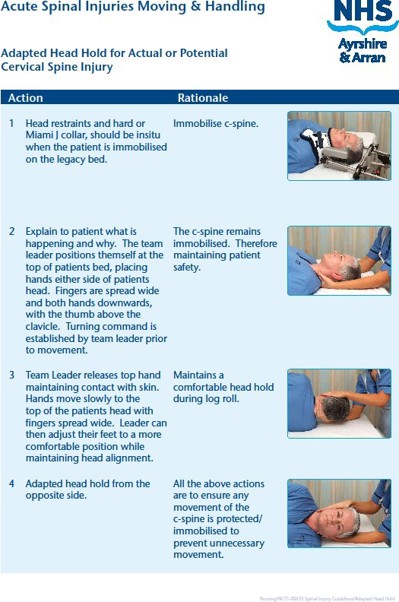
Credit: rightdecisions.scot.nhs.uk
Warm-up Techniques
Preventing acute injuries requires a solid understanding of warm-up techniques. A proper warm-up not only prepares your body but also sharpens your mental focus. This ensures you’re ready to tackle your workout safely and effectively. But how do you make the most out of your warm-up routine?
Dynamic Stretching
Dynamic stretching involves moving parts of your body through their full range of motion. Unlike static stretching, it keeps you in motion, helping to increase blood flow and prepare muscles for action. You might try leg swings, arm circles, or torso twists. Imagine you’re loosening up every joint and muscle, gearing them up for the activities ahead. Have you ever noticed how athletes often look fluid and ready before their performance? Dynamic stretching is their secret weapon.
Cardiovascular Exercises
Getting your heart rate up is crucial. Cardiovascular exercises, like jogging or jumping jacks, are excellent for this. They warm up your entire body, making it more flexible and ready for action. You might find that just five minutes of light cardio can make a huge difference in your workout. Picture your heart pumping, muscles warming, and you’re feeling invigorated. Why not add a quick dance session to your routine? It’s a fun way to get your body moving and ready.
Proper Equipment Use
Proper equipment use ensures safety and helps prevent acute injuries. Always wear protective gear and follow instructions carefully. Regular maintenance and checks are essential for optimal performance and safety.
Proper equipment use is a cornerstone in preventing acute injuries, whether you’re engaged in sports, DIY projects, or any physical activities. Using the right gear not only enhances performance but also provides essential protection. How often do you think about the equipment you use? It’s time to give it the attention it deserves.Choosing The Right Gear
Selecting the appropriate equipment is crucial for safety. Always ensure your gear is suitable for the activity you’re about to engage in. For example, wearing a helmet designed for skateboarding might not provide adequate protection for cycling. Consider the fit, material, and specific features of the gear. A well-fitted pair of shoes can prevent ankle injuries during a run. Make it a habit to research and invest in quality equipment that meets safety standards. Remember, skimping on gear can cost you more in the long run.Maintaining Equipment
Proper maintenance of your equipment is just as important as choosing the right gear. Regular checks and timely repairs can extend the life of your equipment and keep you safe. How often do you inspect your gear for wear and tear? Create a maintenance schedule for your equipment. Clean your gear after use, check for any damages, and make repairs immediately. For instance, ensuring your bike tires are properly inflated can prevent accidents. Keeping your equipment in top shape is a small effort that pays off big in terms of safety.Correct Exercise Form
Maintaining correct exercise form is crucial to preventing acute injuries. Focus on proper alignment and controlled movements. This minimizes strain and protects muscles and joints.
Correct exercise form is crucial in preventing acute injuries during workouts. It’s not just about moving your body; it’s about moving it right. Poor form can lead to unnecessary strain, pain, or even long-term damage. By focusing on the right techniques, you can enhance your efficiency and protect yourself from harm.Posture And Alignment
Maintaining proper posture and alignment is foundational to any exercise routine. Imagine stacking blocks perfectly on top of each other; your body should mimic this balance. Always keep your spine neutral, shoulders relaxed, and core engaged. This helps in distributing weight evenly and avoiding stress on specific joints. Think about your daily activities. Are you slouching when sitting or standing? Poor posture can creep into your exercise routine without you even realizing it. Correcting it requires constant awareness and practice. Use mirrors to check your posture or seek guidance from trainers who can provide feedback.Avoiding Overextension
Avoiding overextension is key to preventing injuries, especially when lifting weights or stretching. Overextending can lead to muscle tears or joint issues. Always be mindful of your range of motion and respect your body’s limits. When stretching, never push beyond what feels comfortable. Instead, aim for gentle tension. In weightlifting, control your movements and avoid locking joints. A friend of mine learned this the hard way, suffering from elbow pain due to overextending during a bench press. Are you aware of your body’s limits? Listening to your body will not only prevent injuries but also improve your workout quality. Remember, progress comes from consistency and safety, not from pushing through pain.Strength And Conditioning
Prevent acute injuries with strength and conditioning by focusing on proper warm-ups and cool-downs. Maintain correct form during exercises and gradually increase intensity. Regular rest and recovery are essential for muscle repair and injury prevention.
Strength and Conditioning are key components in preventing acute injuries. By focusing on strengthening your body, you can reduce the risk of sudden injuries. This involves engaging in exercises that enhance muscle power and endurance. These workouts not only bolster your physical capabilities but also safeguard against unexpected strains and sprains.Building Core Strength
Your core is the foundation of your body. Strengthening it supports your overall movement and balance. Consider exercises like planks and bridges to fortify your core. You might find holding a plank for a minute challenging, but doing so regularly can drastically enhance your stability. Ever tried balancing on one leg? With a stronger core, you’ll notice it’s much easier. Engaging your core during daily activities, like lifting groceries or playing sports, can prevent injuries. A solid core acts as a protective shield for your back and spine.Balance Exercises
Balance exercises are crucial for injury prevention. They train your muscles to respond quickly to changes in position. Simple exercises like standing on one foot can significantly improve your balance. Why not try incorporating balance exercises into your routine? You’ll be surprised by how much they can improve your coordination. Consider activities like yoga or tai chi; they blend balance with strength training for a complete workout. Have you ever noticed how athletes seem to glide effortlessly on the field? Balance exercises are their secret weapon. Regular practice can help you react swiftly to avoid falls, reducing the likelihood of acute injuries.
Credit: regencare.in
Rest And Recovery
Rest and recovery are vital to prevent acute injuries. Proper rest allows muscles to repair and strengthen. Balance workouts with adequate downtime to reduce strain and avoid injury.
Rest and recovery are crucial to preventing acute injuries. They allow the body to heal and grow stronger. Proper rest helps avoid overuse injuries and fatigue. Recovery ensures muscles and tissues repair efficiently. Implementing rest and recovery into your routine boosts performance and resilience.Importance Of Rest Days
Rest days are vital for muscle repair and growth. Without them, fatigue builds up, leading to potential injuries. Rest days reduce the risk of overuse injuries. They also improve mental health by reducing stress levels. Planned rest allows you to maintain a long-term fitness journey.Effective Recovery Techniques
Incorporate recovery techniques to enhance your rest days. Stretching improves flexibility and prevents stiffness. Hydration is key for muscle function and recovery. Consuming a balanced diet aids tissue repair and energy replenishment. Consider massage or foam rolling to relieve muscle tension. Sufficient sleep ensures optimal recovery and performance.Listening To Your Body
Listening to your body is crucial in preventing acute injuries. Often, your body sends subtle signals long before an injury becomes serious. Paying attention to these signals can help you adjust your activities and avoid harm. Are you truly tuning in to what your body is telling you?
Recognizing Pain Signals
Pain is your body’s way of saying something isn’t right. Recognizing these signals early can prevent minor issues from escalating. Have you ever felt a sharp twinge or persistent ache?
Such sensations are your body’s red flags. Ignoring them might lead to more severe injuries. Instead of pushing through the pain, take a moment to assess what your body needs.
Adjusting Activity Levels
If you notice discomfort, it might be time to scale back. Reduce the intensity or duration of your workout. This doesn’t mean you’re giving up; it means you’re giving your body a chance to recover.
Consider modifying exercises to accommodate your current physical state. Can you swap a high-impact activity for a low-impact one? Adjustments like these can make a significant difference in injury prevention.
Remember, rest is not your enemy. It’s an essential component of a balanced routine. Listening to your body includes knowing when to pause and let it heal.
Professional Guidance
Professional guidance plays a crucial role in preventing acute injuries. Trained experts provide valuable advice tailored to individual needs. Their insights can help avoid common mistakes that lead to injuries.
Consulting Fitness Experts
Fitness experts have extensive knowledge about exercise safety. They guide you to use proper techniques. This reduces the risk of strains and sprains. They also tailor workouts to your fitness level, ensuring gradual progress. A fitness expert can teach you the importance of warm-ups and cool-downs. These practices prepare your body for exercise and aid in recovery.
Regular Health Check-ups
Regular health check-ups are vital for injury prevention. Doctors can identify potential issues before they become serious. They provide advice on maintaining joint and muscle health. Regular check-ups ensure you’re fit for physical activities. They also help in monitoring any ongoing health conditions. Keeping track of your health helps in adjusting your fitness routine safely.
Frequently Asked Questions
What Are Common Causes Of Acute Injuries?
Acute injuries often occur due to sudden impact or trauma. Common causes include falls, collisions, or overexertion during physical activities. They can also result from improper technique or inadequate warm-up exercises. Identifying these triggers can help in taking preventive measures and reducing the risk of such injuries.
How Can I Identify An Acute Injury?
Acute injuries are typically marked by immediate pain, swelling, or bruising. Symptoms might also include restricted movement or visible deformity. Recognizing these signs early allows for prompt medical attention and effective treatment, preventing further complications and promoting faster recovery.
What Exercises Help Prevent Acute Injuries?
Strengthening exercises, flexibility routines, and balance training are key in preventing acute injuries. Focus on exercises that support joint stability and muscle strength. Regularly incorporating stretches, warm-ups, and cool-downs into your routine can significantly reduce the risk of injury.
Why Is Warm-up Important To Prevent Injuries?
Warm-ups prepare the body for physical activity by increasing blood flow and muscle temperature. They enhance flexibility and reduce stiffness, lowering the risk of acute injuries. A proper warm-up routine ensures muscles are ready for more strenuous movements, minimizing the likelihood of strains or sprains.
Conclusion
Preventing acute injuries is essential for a healthy lifestyle. Start by understanding your body’s limits. Practice proper techniques in every activity. Wear the right protective gear to stay safe. Warm up before exercise to prepare muscles. Listen to your body and rest when needed.
Hydration plays a key role in muscle performance. Regular check-ups can catch issues early. A little caution goes a long way in avoiding injuries. Stay informed, stay active, and stay safe. Your health is your most valuable asset. By following these simple steps, you can enjoy an active life without injuries.