Imagine you’re on the football field, adrenaline pumping, ready to make that game-changing play. But in one sudden twist, your knee gives out, and you’re left sidelined with an ACL injury.
It’s a scenario every football player dreads. ACL injuries are not just painful; they can keep you off the field for months. The good news? You have the power to drastically reduce your risk of experiencing this setback. This article will reveal effective strategies that can help keep your ACL—and your game—intact.
Dive in, and discover how simple adjustments and exercises can protect your knees and ensure you’re always at your best on the field. Don’t let an injury steal your passion. Instead, arm yourself with the knowledge to play safely and confidently.
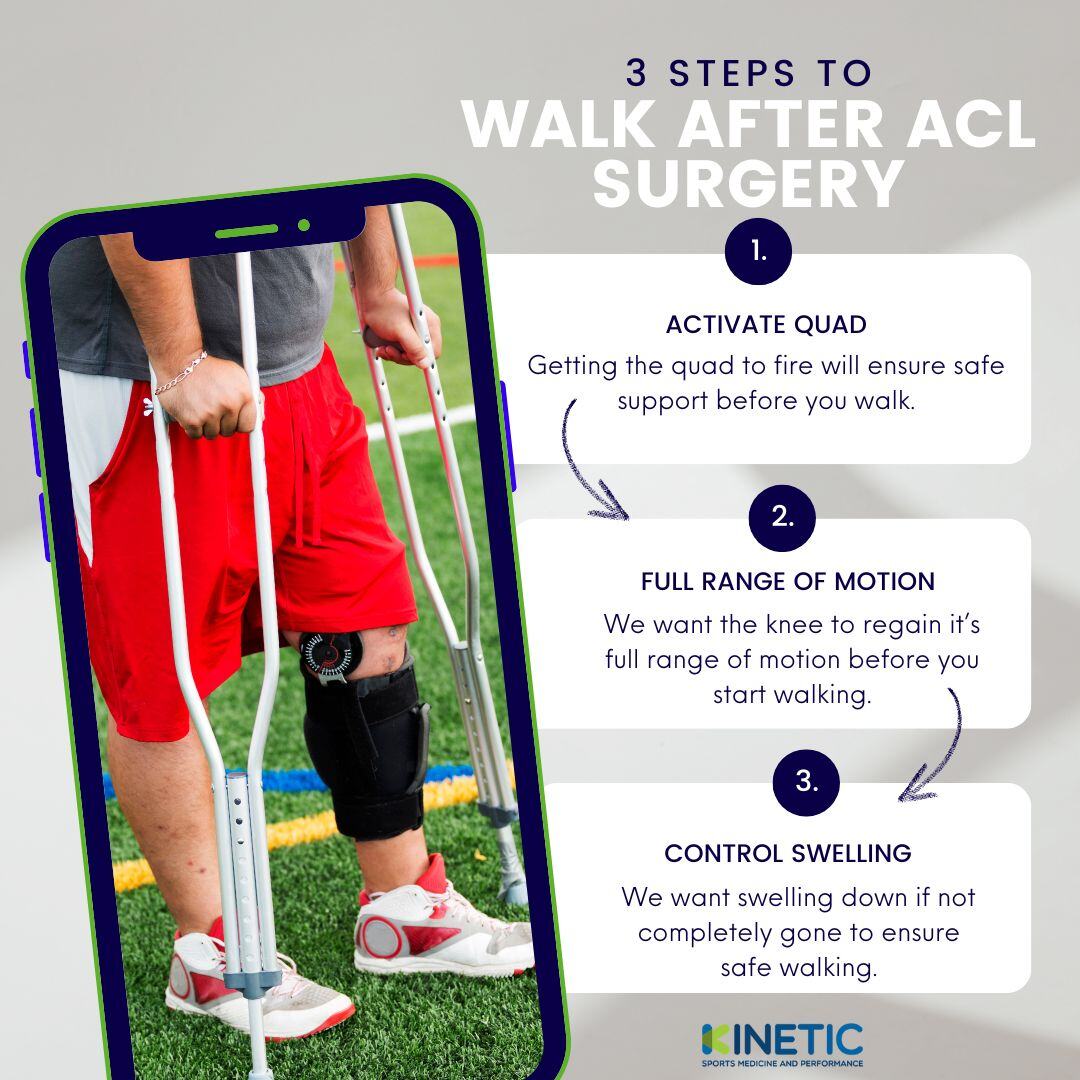
Credit: kineticsmp.com
Understanding Acl Injuries
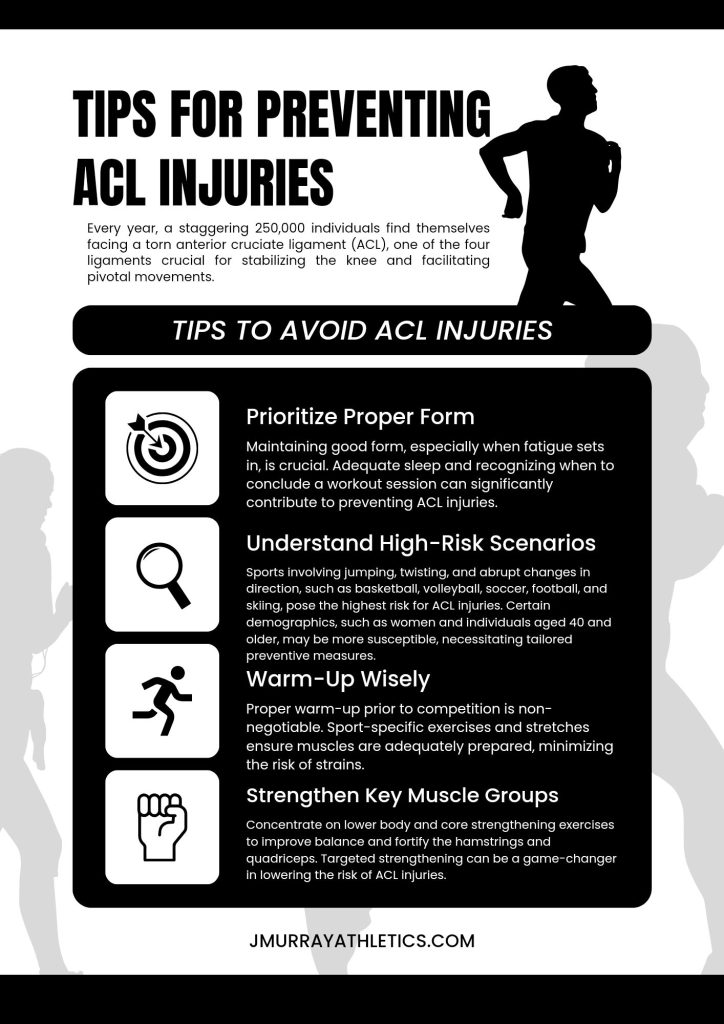
Strengthening leg muscles through exercises like squats and lunges helps protect the knee joint. Focus on proper technique during training sessions to reduce injury risks. Regular warm-ups and cool-downs enhance flexibility and stability.
Understanding ACL Injuries An ACL injury is a common yet serious setback for football players, often disrupting careers and dreams. As you dive into the world of football, understanding these injuries is crucial for your safety and performance. Imagine being sidelined right before a major game; frustrating, right? By learning about ACL injuries, you can take proactive steps to protect your knees and stay in the game.What Is An Acl Injury?
The ACL, or Anterior Cruciate Ligament, is a key stabilizer in your knee joint. An injury occurs when this ligament tears or strains. It’s like the rope holding a swing; without it, the swing loses stability. Symptoms include severe pain, swelling, and instability in the knee. If you’ve ever felt a sudden pop in your knee, it might be an ACL injury signaling for immediate attention.Causes In Football Players
Football players are at high risk due to the sport’s dynamic nature. Quick direction changes, sudden stops, or jumps can strain the ACL. Picture a player sprinting down the field and suddenly pivoting; this move can twist the knee awkwardly. Additionally, tackling can lead to direct blows to the knee, increasing injury chances. Are you aware of how these seemingly routine actions can jeopardize your mobility? Knowing these causes helps you anticipate risks and adjust your playing style accordingly. Preventing ACL injuries involves understanding their mechanics and implementing preventive measures. Have you considered how simple exercises could fortify your knees? Incorporate drills that enhance strength and flexibility. Regularly practice proper landing techniques to reduce impact stress. Empower yourself with knowledge and proactive habits to keep your football journey safe and fulfilling.Risk Factors In Football
Acl injuries are a common concern in football, affecting players at various levels. Understanding the risk factors can help you take preventive measures and stay on the field longer. What makes certain players more prone to these injuries? How do specific movements increase the risk? Let’s dive into these aspects to equip you with the knowledge you need.
Player Positions At Risk
Certain positions in football are more vulnerable to ACL injuries due to the nature of their play. For example, forwards often face sudden changes in direction as they maneuver around opponents. Goalkeepers, on the other hand, make frequent jumps and dives, putting strain on their knees.
Defenders, tasked with halting fast-paced attacks, can also find themselves at risk during quick pivots or aggressive tackles. Are you playing in one of these positions? Recognizing the inherent risks can help you adopt strategies to mitigate them.
Common Movements Leading To Injuries
Football demands rapid and dynamic movements, each carrying its own risk for ACL injuries. Sudden stops and starts, often seen in sprinting down the field or chasing a ball, can be dangerous. Cutting movements, where you change direction quickly, are notorious for placing stress on the knee.
Jumping and landing improperly can also lead to injury. Consider the pressure on your knees when going for a header or a high ball. Have you noticed how these movements are part of your daily practice? It’s crucial to perfect your technique to protect your ACL.
Strengthening Exercises
Strengthening exercises target muscles around the knee to reduce ACL injury risk in football. Focus on hamstring and quadricep workouts for stability. Incorporate balance and agility drills to enhance coordination and prevent strains.
Strengthening exercises are crucial for football players aiming to prevent ACL injuries. Building muscle strength and improving stability can significantly reduce the risk of these common knee injuries. The right exercises not only enhance performance but also provide the necessary support and protection for your joints during intense play. Let’s dive into some specific exercises you can incorporate into your routine.Core Stability Workouts
A strong core is fundamental to maintaining balance and stability on the field. It acts as a central support system for the entire body, reducing the strain on your knees. – Planks: Start with basic planks. Aim to hold the position for 30 seconds, gradually increasing the duration as your strength improves. – Russian Twists: Sit on the ground, lean back slightly, and twist your torso side to side. This exercise targets your oblique muscles and enhances rotational stability. – Dead Bugs: Lie on your back with arms and legs raised. Lower one arm and the opposite leg simultaneously, then switch. This movement helps improve coordination and core strength. Have you ever noticed how your posture affects your performance? A stable core can transform your agility and make you more resilient against sudden shifts and turns.Leg And Knee Strengthening
The legs are the powerhouse in football, and knee strength is vital for absorbing impact and maintaining balance. – Squats: Perform bodyweight squats, focusing on proper form. Keep your knees aligned with your toes to prevent injury. – Lunges: Forward lunges enhance knee stability. Ensure your knee doesn’t extend beyond your toes for safety. – Leg Curls: Use resistance bands or gym equipment. This exercise strengthens your hamstrings, providing better support for your knees. Consider how much pressure your knees endure during a match. Strengthening these muscles can act as a natural shield against ACL injuries, allowing you to play confidently. By integrating these exercises, you not only minimize injury risks but also maximize your performance on the field. What steps are you taking to protect your knees?
Credit: www.instagram.com
Flexibility And Balance Training
Flexibility and balance training helps in preventing ACL injuries in football. Strong muscles support the knee, reducing strain during play. Stretching exercises improve joint mobility, enhancing stability on the field.
Flexibility and balance training plays a key role in preventing ACL injuries. Football demands quick movements, which can strain the knees. By enhancing flexibility and balance, players can reduce injury risks. Stretching and balance exercises prepare the body for sudden actions on the field.Stretching Routines
Stretching is essential for improving muscle flexibility. It helps muscles move freely and reduces tension. Regular stretching can lessen the risk of ACL injuries. Include these in your routine:- Quadriceps Stretch: Stand and pull one ankle toward your glutes. Hold for 20 seconds.
- Hamstring Stretch: Sit with one leg straight, reach for your toes. Hold for 20 seconds.
- Calf Stretch: Place hands on a wall, step back one foot. Keep heel down.
Balance Improvement Techniques
Good balance helps control body movements. It reduces the chance of knee injuries. These exercises boost balance skills:- Single-Leg Stand: Stand on one leg for 30 seconds. Switch legs.
- Balance Board: Stand on a balance board for stability training.
- Bosu Ball Squats: Perform squats on a Bosu ball to challenge balance.
Proper Warm-up Techniques
Proper warm-up techniques are crucial to prevent ACL injuries in football. Dynamic stretches like leg swings boost muscle flexibility and stability. Gradually increase intensity with agility drills to prepare joints for sudden movements.
Proper warm-up techniques are essential for preventing ACL injuries in football. They prepare your muscles, joints, and ligaments for the dynamic demands of the game. A well-structured warm-up routine not only enhances performance but also significantly reduces the risk of injuries.Dynamic Stretching
Dynamic stretching involves active movements that stretch your muscles without holding the position. It’s a great way to increase blood flow and improve flexibility. Consider leg swings, arm circles, and walking lunges as part of your routine. These movements mimic the actions you’ll perform during the game, making your body more adaptable. You might remember a time when skipping dynamic stretches led to stiffness on the field. Don’t repeat that mistake.Sport-specific Drills
Sport-specific drills are tailored to the unique demands of football. They help you practice the exact motions you’ll encounter during play. Think about incorporating dribbling, quick sprints, and change-of-direction exercises. These drills not only prepare your body but also sharpen your skills. Imagine the confidence boost when you execute a perfect drill that translates into game success. Engage with these exercises to see noticeable improvements. Do you often feel unprepared before a match? Perhaps it’s time to reassess your warm-up strategy. Adopting these methods can make a significant difference in how you perform and stay injury-free.
Credit: www.totalorthosportsmed.com
Use Of Protective Gear
Protective gear plays a vital role in preventing ACL injuries in football. It reduces the risk of damage and provides additional support. Players can maintain their performance levels while staying safe. Below, we discuss essential protective gear to consider.
Knee Braces And Supports
Knee braces offer crucial support to football players. They stabilize the knee, reducing the risk of injury. These braces are designed to limit harmful movements. Many athletes wear them during games and practice. Choosing the right brace is important for comfort and effectiveness. Consult a professional for the best fit and type.
Appropriate Footwear
Footwear affects your performance and safety on the field. Proper shoes help in maintaining balance and grip. Cleats should have the right studs for your playing surface. They prevent slipping and reduce the chance of knee injuries. Ensure your shoes fit well, offering comfort and support. Regularly check for wear and replace them as needed.
Recovery And Rest
Recovery and rest are crucial for preventing ACL injuries in football. Regular breaks and proper sleep help muscles heal and reduce strain. Prioritize these to keep your body strong and injury-free.
Recovery and rest are vital in preventing ACL injuries in football. Proper rest allows muscles and ligaments to heal and strengthen. This reduces the risk of injury during high-intensity activities. Integrating structured rest into training routines boosts performance and safeguards health.Importance Of Rest Days
Rest days are crucial for muscle recovery. They give your body time to repair and grow stronger. Without rest, muscles remain fatigued, increasing injury risk. Plan rest days to ensure adequate recovery. Balance training with rest for optimal performance and safety.Monitoring Overuse Symptoms
Overuse can lead to ACL injuries. Watch for signs like persistent soreness and swelling. Listen to your body. Take immediate action if symptoms appear. Early detection allows for better management. Regularly assess your condition and adjust training accordingly.Role Of Professional Guidance
Professional guidance plays a crucial role in preventing ACL injuries in football. Coaches provide tailored training programs to strengthen muscles and improve techniques. This helps players avoid risky movements and reduce injury risk.
Preventing ACL injuries in football is a vital aspect of ensuring a player’s long-term health and success on the field. While personal training and self-awareness are important, the role of professional guidance cannot be underestimated. Leveraging the expertise of coaches and sports therapists can make a significant difference in your injury prevention strategy.Working With Coaches
Coaches play an essential role in identifying potential risk factors in your gameplay. They observe your movements during practice and games, providing immediate feedback on posture and technique. This kind of real-time correction helps you develop safer habits over time. A good coach will focus on strengthening your muscles, especially around the knees. They will incorporate targeted exercises into your training routine, such as lunges and squats, which are crucial for ACL injury prevention. Do you regularly discuss your training goals and injury concerns with your coach?Consulting Sports Therapists
Sports therapists bring a wealth of knowledge about the human body and injury prevention. They can offer personalized assessments that reveal your specific vulnerabilities to ACL injuries. These insights allow you to address weaknesses before they become problems. Therapists can also guide you through specialized exercises and stretches to improve flexibility and strength. Regular sessions can keep your muscles balanced and agile, reducing the strain on your knees. Consider scheduling regular check-ins with a sports therapist to stay ahead of potential injuries. Incorporating professional guidance into your training routine provides a structured approach to injury prevention. Working closely with coaches and sports therapists ensures that you are not only playing your best but also safeguarding your health for future seasons. What steps are you taking today to protect your knees for tomorrow’s game?Importance Of Nutrition
A balanced diet plays a crucial role in preventing ACL injuries in football. Proper nutrition strengthens muscles and ligaments, reducing the risk of injury. It aids in recovery and improves overall performance on the field.
Diet For Injury Prevention
A diet rich in proteins supports muscle repair and growth. Include lean meats, fish, eggs, and legumes in daily meals. Carbohydrates provide energy for intense training sessions. Opt for whole grains, fruits, and vegetables. Healthy fats like nuts, seeds, and avocados support joint health. Vitamins and minerals are essential for tissue repair. Consume dairy products, leafy greens, and citrus fruits.
Hydration Tips
Staying hydrated maintains muscle function and reduces cramp risk. Drink water before, during, and after practices. Avoid sugary drinks, as they can lead to dehydration. Consider electrolyte drinks for intense workouts. Monitor urine color for hydration levels. Light yellow indicates good hydration. Dark yellow suggests dehydration.
Frequently Asked Questions
What Exercises Prevent Acl Injuries In Football?
Strengthening exercises like lunges, squats, and plyometrics help prevent ACL injuries. Focus on improving balance and core stability. Incorporate exercises that enhance hamstring and quadriceps strength. Regular conditioning and flexibility training are crucial for injury prevention. Always warm up properly before playing to reduce risk.
How Can Proper Footwear Help In Prevention?
Proper footwear provides stability and support, reducing ACL injury risks. Choose shoes with good traction and cushioning. Ensure the right fit to minimize slip and twist. Cleats should be suited to field conditions. Regularly check and replace worn shoes to maintain optimal protection.
Are Warm-ups Essential To Avoid Acl Injuries?
Warm-ups are crucial in preventing ACL injuries. They increase blood flow and prepare muscles for activity. Include dynamic stretches like high knees and butt kicks. Warm-ups improve flexibility and reduce muscle stiffness. Consistent warm-ups lower injury risk and enhance performance.
Can Stretching Reduce Acl Injury Risk?
Stretching improves flexibility and muscle coordination, reducing ACL injury risk. Focus on dynamic stretches before games and static stretches afterward. Stretch major muscle groups like hamstrings, quads, and calves. Proper stretching aids joint mobility and reduces strain. It’s an essential part of injury prevention.
Conclusion
Preventing ACL injuries in football requires dedication and care. Focus on proper warm-ups. Strengthening your muscles can help. Always practice safe techniques during play. Listen to your body and rest when needed. Consistent training builds resilience. Stay informed about injury prevention strategies.
Educate yourself and teammates. Use supportive gear as needed. Keep practicing good habits. Your efforts can reduce injury risks. A healthier approach benefits everyone on the field. Remember, safety ensures more time to enjoy the game. Stay vigilant and protect your health.
Your well-being is the top priority.