Imagine this: You’re diligently working in a healthcare setting, focused on providing the best care possible. Suddenly, a sharp prick disrupts your concentration.
The reality of a needle stick injury can be alarming and stressful. These injuries aren’t just painful; they can expose you to serious health risks. But what if you could avoid them altogether? Understanding how to prevent a needle stick injury is crucial for your safety and peace of mind.
This guide will equip you with practical tips and strategies to protect yourself. Ready to take control of your safety and work with confidence? Let’s delve into the steps you can take to prevent needle stick injuries and ensure a safer work environment.
Understanding Needle Stick Injuries
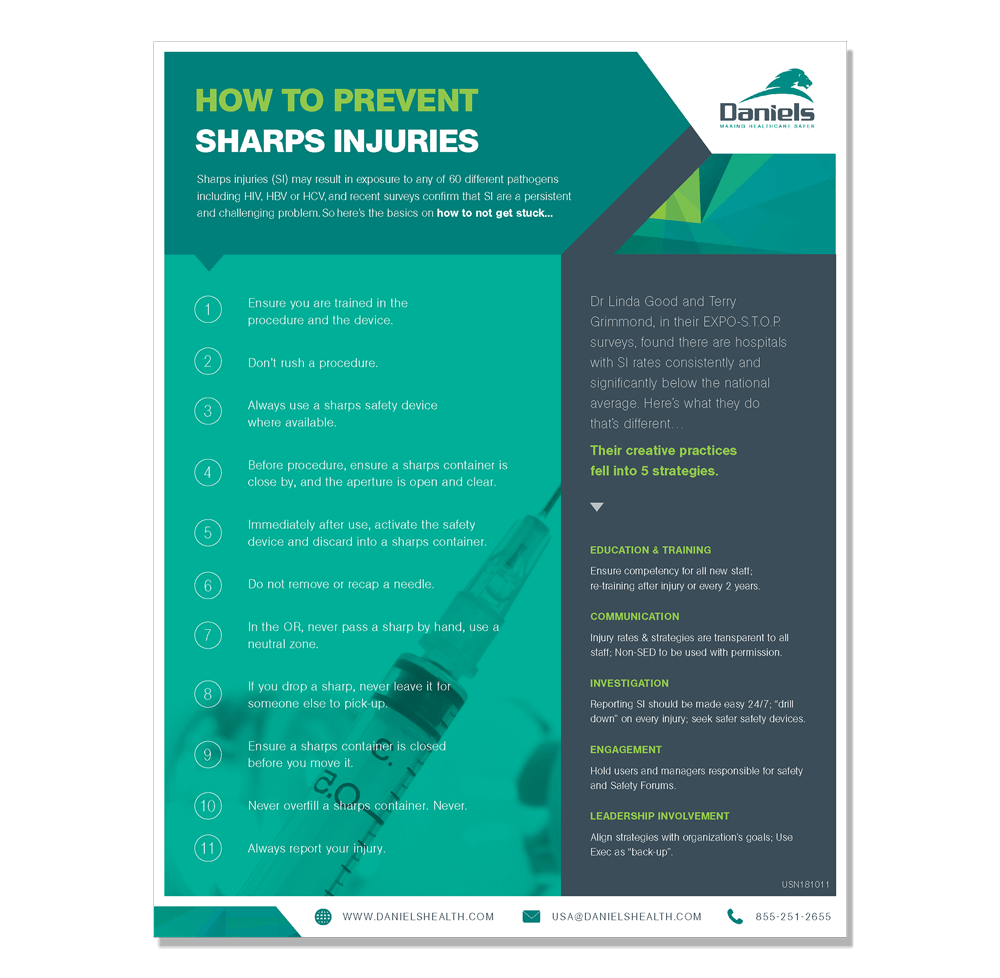
Prevent needle stick injuries by using safety-engineered devices. Proper disposal of needles in sharps containers reduces risk. Training on safe handling techniques is essential. Regularly update protocols to ensure compliance with safety standards. Always wear protective gear when handling needles.
Immediate reporting of incidents helps in timely intervention and care.
Understanding needle stick injuries is crucial for healthcare workers. These injuries occur when a needle accidentally penetrates the skin. They can lead to serious health risks. Knowing how they happen helps in prevention.What Are Needle Stick Injuries?
Needle stick injuries involve a needle puncturing the skin. This can happen during medical procedures. They pose risks of infection from blood-borne pathogens. Common diseases include HIV and hepatitis.Common Causes Of Needle Stick Injuries
Improper disposal of needles is a major cause. Handling needles without caution increases risk. Recapping needles incorrectly is another common reason. Working fast under pressure often leads to mistakes.Who Is At Risk?
Healthcare workers face the highest risk. Nurses and doctors are most vulnerable. Janitors in hospitals also encounter needles. Anyone handling medical waste can be at risk.Impact Of Needle Stick Injuries
Physical harm is immediate but treatable. Psychological impact can be long-lasting. Fear of infections affects mental health. Stress levels rise among affected workers.Signs And Symptoms To Watch For
Swelling and redness may appear at the injury site. Pain or tenderness is common. Signs of infection should be monitored. Symptoms like fever need immediate attention.
Credit: www.instagram.com
Common Causes
Preventing needle stick injuries involves careful handling of needles and proper disposal techniques. Always wear protective gloves and use safety-engineered devices. Regular training on safe practices is crucial to minimize risks.
Preventing needle stick injuries is crucial in maintaining a safe environment for healthcare workers and patients alike. These injuries can lead to serious health risks, including transmission of infectious diseases. Understanding the common causes of needle stick injuries is the first step toward prevention. By being aware of these causes, you can take proactive measures to avoid them.Improper Disposal
Improper disposal is one of the leading causes of needle stick injuries. Needles should always be disposed of in designated sharps containers. Yet, sometimes, they end up in regular trash bins or are left uncapped. This poses a significant risk to anyone handling waste. Think about the last time you were in a hurry. Did you take shortcuts in disposing of needles? Proper disposal is not just a task; it’s a safety measure. Always use puncture-proof containers and ensure they are clearly labeled.Inadequate Training
Inadequate training can leave healthcare workers vulnerable to needle stick injuries. Without comprehensive training, you might not be aware of the correct handling and disposal techniques. Training should be ongoing and cover the latest safety protocols. Have you ever felt unsure about how to handle a needle safely? Regular workshops and refreshers can build your confidence and skills. Understanding the risks and knowing the preventive actions are key.Unsafe Practices
Unsafe practices are often borne out of habit or necessity. Re-capping needles, rushing procedures, or using the wrong size needle can lead to accidents. Ask yourself, are shortcuts worth the risk? Prioritizing safety over speed can prevent injuries. Create a culture where safety protocols are followed diligently. Encourage open discussions about safety practices and empower everyone to speak up if they see potential hazards.Risk Factors
Understanding the risk factors for needle stick injuries is crucial. These injuries can expose individuals to harmful infections. Knowing where these risks exist helps in preventing them. Let’s explore the different risk factors involved.
High-risk Occupations
Certain jobs have a higher chance of needle stick injuries. Healthcare workers are at the top of this list. They handle needles regularly. This includes doctors, nurses, and lab technicians. Waste management workers also face risks. They might encounter improperly disposed needles. Tattoo artists and body piercers are not exempt either. They work with needles daily. Understanding these occupations helps in targeting preventive measures.
Environmental Hazards
The work environment plays a significant role in needle stick injuries. Cluttered workspaces increase the risk. It becomes easy to mishandle a needle. Poor lighting can also lead to accidents. Workers might not see a needle clearly. Inadequate training is another factor. Employees might not know how to handle needles safely. Proper disposal systems are essential too. Without them, risks increase significantly. Awareness of these hazards is vital. It helps in creating a safer workplace.
Preventive Measures
Ensure proper disposal of needles in designated containers. Wear gloves and avoid recapping needles to reduce risk. Keep workspace organized to prevent accidental injuries and always follow safety protocols.
Preventing needle stick injuries is essential for maintaining a safe and healthy environment, especially for healthcare workers who handle needles regularly. Accidental pricks can lead to serious infections and pose significant health risks. By adopting a few preventive measures, you can significantly reduce the chances of such injuries.Use Of Safety Devices
Modern safety devices have transformed the way needles are handled. Consider using needles equipped with safety features like retractable tips or shields. These devices are designed to minimize exposure to the sharp end, reducing the risk of accidental sticks. An anecdote from a nurse shows how using a needle with a built-in shield prevented a potential injury during a hectic shift. Have you explored the latest safety devices in your workplace?Proper Handling Techniques
Correct handling techniques are crucial in preventing needle stick injuries. Always ensure a firm grip and avoid passing needles directly from hand to hand. Instead, use a tray to transfer sharp objects. A colleague once shared how using a tray made the process smoother and safer during a crowded procedure. Implementing such simple techniques can make a significant difference.Safe Disposal Methods
Disposing of needles safely is just as important as handling them correctly. Use designated sharps containers to dispose of needles immediately after use. Ensure these containers are puncture-resistant and clearly labeled. Imagine the peace of mind knowing that every needle is securely disposed of, reducing risk not only for yourself but for everyone around you. Are you confident that your disposal methods are up to standard? By incorporating these preventive measures, you can create a safer environment and protect yourself from potential hazards.Training And Education
Proper training and education can help prevent needle stick injuries. Always use protective gear and follow safety protocols. Dispose of needles in designated containers to minimize risks.
Training and Education Needle stick injuries are a serious concern in healthcare settings, but with proper training and education, these accidents can be significantly reduced. Imagine you’re a healthcare worker; understanding how to handle needles safely is crucial not just for your safety but for your patients’ well-being. Training and education empower you with the knowledge and skills needed to prevent these injuries.Importance Of Awareness
Awareness is the first step toward prevention. Knowing the risks associated with needle stick injuries can change how you approach tasks involving needles. Consider the impact of knowing exactly how a needle stick injury can affect your life. Would you handle needles differently if you knew the exact consequences? Being aware of the risks encourages careful handling and fosters a culture of safety.Regular Training Sessions
Regular training sessions are essential for keeping skills sharp and knowledge current. These sessions refresh your understanding of safe needle handling techniques and introduce new practices. Picture yourself attending a training session where you learn an innovative method for disposing of needles safely. Wouldn’t that make you feel more confident in your daily tasks? Training sessions provide practical examples and scenarios that enhance your skills, making prevention second nature. Through continuous education and awareness, you can significantly reduce the likelihood of needle stick injuries. So, when was the last time you attended a training session? Maybe it’s time to schedule one and sharpen your skills.Emergency Protocols
To prevent needle stick injuries, use puncture-resistant containers for disposal. Wear gloves and handle needles carefully. Follow proper procedures and training.
In the fast-paced world of healthcare, emergencies can happen anytime. Knowing the right steps to take in the event of a needle stick injury is crucial. Emergency protocols are essential to ensure quick, effective responses that can protect health and save lives. Let’s delve into the key actions you need to take immediately and how to report such incidents effectively.Immediate Actions
If you experience a needle stick injury, act quickly. First, wash the area with soap and water to reduce the risk of infection. Avoid scrubbing the wound or using harsh chemicals. Apply an antiseptic solution like iodine or alcohol. If the injury is severe, seek immediate medical attention. Remember, time is of the essence in minimizing potential health risks. Don’t let panic overwhelm you. Staying calm can help you think clearly and take the right steps. Have you ever noticed how a moment of calm can make all the difference in an emergency?Reporting Procedures
After addressing the immediate physical concerns, it’s crucial to report the incident to your supervisor. Fill out an incident report as soon as possible. This helps in tracking the event and initiating further medical evaluations. Ensure the report includes details like how the injury occurred, the type of needle, and any immediate actions taken. This information is vital for assessing the risk and determining the next steps. Engage with the occupational health department to discuss potential follow-ups. They can guide you on necessary tests, vaccinations, or treatments. Have you considered how thorough reporting can prevent future incidents and improve safety protocols for everyone?Importance Of Vaccination
Preventing needle stick injuries is essential during vaccination. Use proper techniques to handle needles safely. Dispose of them in designated containers to avoid accidents.
Vaccination plays a pivotal role in preventing needle stick injuries. It serves as a crucial line of defense, especially for healthcare workers frequently exposed to bloodborne pathogens. By getting vaccinated, you not only protect yourself but also contribute to a safer work environment for everyone.Hepatitis B Vaccine
The Hepatitis B vaccine is a must for anyone who might come into contact with blood or bodily fluids. This vaccine is highly effective and can offer long-term protection against the Hepatitis B virus, which is one of the most serious risks of needle stick injuries. Imagine working in a hospital where a colleague accidentally pricks themselves with a used needle. If vaccinated, the fear of contracting Hepatitis B diminishes significantly. It’s a simple act that can prevent life-altering diseases. Healthcare facilities often provide this vaccination as part of their employee health programs, emphasizing its importance.Other Immunizations
While the Hepatitis B vaccine is vital, other immunizations should not be overlooked. Vaccines like those for tetanus and influenza also play a critical role in safeguarding against infections following a needle stick injury. Consider the last time you had a flu shot—did you know it could also protect you from complications related to accidental needle sticks? Keeping your immunizations up-to-date ensures you are prepared for unexpected exposures. Having a comprehensive vaccination plan is like having an invisible shield. It minimizes the risks and ensures you can perform your duties without undue stress about potential infections. So, when was the last time you checked your vaccination status?
Credit: www.facebook.com
Creating A Safety Culture
Encourage clear communication and training to prevent needle stick injuries. Use proper disposal containers for sharp objects. Ensure protective gear and safety protocols are accessible to all employees.
Creating a safety culture is essential in preventing needle stick injuries. It’s not just about rules and guidelines; it’s about fostering an environment where everyone feels responsible for their own safety and the safety of others. Think about it: if you knew that every colleague was committed to safety, wouldn’t you feel more confident and secure in your workplace?Promoting Safe Practices
Implementing safe practices is key to building a safety culture. Encourage regular training sessions where everyone can learn the latest techniques and precautions. Consider setting up a buddy system where more experienced staff guide newcomers through safe handling procedures. It’s a great way to build relationships and reinforce the importance of safety. What safe practices do you think could be introduced in your workplace to minimize risks?Encouraging Open Communication
Open communication plays a crucial role in maintaining a safety culture. Create an environment where employees feel comfortable discussing safety concerns without fear of repercussions. Set up anonymous reporting systems for those who might hesitate to speak up directly. This ensures that everyone has a voice, and potential hazards can be addressed promptly. Would you feel more empowered if you knew your concerns were heard and acted upon?
Credit: m.facebook.com
Frequently Asked Questions
What Is A Needle Stick Injury?
A needle stick injury occurs when a needle accidentally punctures the skin. These injuries can expose individuals to infections. They are common in healthcare settings. Proper handling and disposal of needles can help prevent these injuries.
How Can Needle Stick Injuries Be Prevented?
Needle stick injuries can be prevented by using safety devices and following protocols. Always dispose of needles in designated sharps containers. Avoid recapping needles and wear protective gear when necessary. Education and training are crucial for prevention.
What Should You Do After A Needle Stick Injury?
After a needle stick injury, wash the area with soap and water immediately. Report the incident to your supervisor. Seek medical attention as soon as possible. Follow your workplace’s protocol for post-exposure management.
Why Are Needle Stick Injuries Dangerous?
Needle stick injuries are dangerous because they can transmit infections such as HIV or hepatitis. They pose a risk to healthcare workers. Immediate response and proper safety measures are essential to minimize these risks.
Conclusion
Preventing needle stick injuries is crucial for safety. Use protective gear. Dispose of needles safely. Follow workplace protocols. Educate yourself and others on proper handling. Stay alert during procedures. Report any incidents immediately. Regular training helps maintain awareness. Personal responsibility plays a big role.
Keep your workspace organized. This reduces accidents. Prioritize safety every day. Simple steps make a difference. Protect yourself and others. Stay informed about new safety practices. Your well-being matters. Remember, safety first. Small actions prevent big problems. Stay committed to safe practices.
Everyone benefits from a safer environment. Keep safety a top priority.