Are you tired of crowded gyms and hefty membership fees? You’re not alone.
Many people are discovering the convenience and flexibility of working out at home. But where do you start? Planning a home workout routine can feel overwhelming. The good news is, it doesn’t have to be. Imagine designing a fitness plan that fits your lifestyle, your schedule, and your goals perfectly.
Picture yourself exercising at your own pace, in your own space, without the pressure of others watching. In this guide, you’ll learn simple steps to create a workout routine tailored just for you. Get ready to transform your home into a personal fitness haven. Let’s dive in and unlock the secrets to effective home workouts!

Credit: www.facebook.com
Setting Fitness Goals
Planning a home workout routine starts with setting clear fitness goals. These goals guide your progress and keep you motivated. Whether aiming to lose weight or build strength, having specific targets helps track your achievements. Setting fitness goals is crucial for personal growth and success in your workout journey.
Short-term Vs Long-term Goals
Short-term goals focus on immediate achievements. Examples include exercising three times a week or improving flexibility. These goals are achievable within a few weeks or months. They offer quick wins, boosting confidence and motivation. Long-term goals aim for significant changes over time. Think about losing 20 pounds or running a marathon. They require commitment and consistent effort. Balancing both types ensures progress while maintaining motivation.
Smart Goal Framework
The SMART goal framework provides a structured approach to setting goals. SMART stands for Specific, Measurable, Achievable, Relevant, and Time-bound. Specific goals are detailed and clear, like “increase push-ups from 5 to 10.” Measurable goals allow tracking progress, such as “lose 5 pounds in a month.” Achievable goals should be realistic, fitting your lifestyle and abilities. Relevant goals align with personal interests and broader fitness objectives. Time-bound goals have deadlines, ensuring focus and urgency. Using SMART goals enhances clarity and direction in your workout routine.
Credit: www.lemon8-app.com
Assessing Your Current Fitness Level
Before diving into a new workout routine at home, it’s crucial to assess your current fitness level. Understanding where you stand allows you to tailor exercises to meet your needs, ensuring progress and avoiding injury. This self-awareness is the foundation for an effective and personalized fitness journey.
Self-assessment Techniques
Begin by evaluating your physical capabilities. You can do this through simple exercises that test strength, flexibility, and endurance. For example, measure how many push-ups you can do in one minute or see how long you can hold a plank. These tests provide a baseline for your current fitness.
Consider keeping a fitness journal to track your performance. Note the results of each assessment and any feelings during the exercises, like fatigue or discomfort. This journal will serve as a motivational tool, showing progress over time.
Don’t forget to assess your lifestyle. Look at your daily activity levels, diet, and sleep patterns. Are you active throughout the day or mostly sedentary? These factors can impact your fitness and should be considered when planning your routine.
Identifying Strengths And Weaknesses
Once you’ve gathered your assessment data, identify areas where you excel and where you need improvement. Are you strong in endurance but weak in flexibility? Pinpointing these strengths and weaknesses helps you focus your efforts effectively.
Use your strengths to boost motivation. If you’re good at cardio, start your routine with a quick jog or dance session. This positive momentum can make tackling weaker areas more manageable.
Challenge yourself in areas of weakness. If flexibility is a hurdle, incorporate stretching exercises or yoga into your routine. Gradually improving these weaknesses will lead to a well-rounded fitness profile.
Ask yourself: Are you ready to transform your weaknesses into strengths? This mindset shift can drive your progress and keep your routine exciting and rewarding.
Choosing The Right Workout Space
Creating the perfect workout space at home is essential for a successful fitness routine. It’s not just about having enough room; it’s about crafting an environment that motivates and energizes you. This section will guide you through choosing the right workout space, ensuring it meets your needs and enhances your exercise experience.
Space Requirements
First, assess the area where you plan to exercise. You don’t need a large, dedicated gym room; a corner of your living room might be perfect. Consider the activities you’ll be doing. For yoga or stretching, a small area with enough floor space to spread a mat is sufficient.
If you’re into cardio or weightlifting, ensure there’s room to move freely, avoiding cramped spots that could lead to injury. A clear space allows you to focus on your movements without distractions. Think about the height of the ceiling, too, especially for exercises involving jumping or lifting weights overhead.
Organizing Equipment
Once you’ve identified your workout space, organize your equipment efficiently. Keep your gear accessible but not cluttered. Utilize storage solutions like shelves or baskets to neatly arrange items like dumbbells, resistance bands, and yoga mats.
An organized space reduces setup time and keeps you motivated. Consider wall hooks for hanging jump ropes or bands, freeing up floor space. Does your chosen area have sufficient outlets for electronic equipment like treadmills or stationary bikes? Plan accordingly to avoid unnecessary hassles.
Remember, your workout space should inspire you. Would adding a mirror to check your form or some motivational posters enhance your environment? Personalize it to make it inviting and conducive to regular exercise. Your home gym should feel like a sanctuary, not a chore.
Selecting Workout Equipment
Creating a home workout routine can be both exciting and overwhelming, especially when it comes to selecting the right equipment. The choices you make can significantly impact your fitness journey. Whether you’re aiming for muscle gain, weight loss, or overall health, picking the right gear is crucial. Dive in to discover the essentials and optional additions that can elevate your home workout routine to new heights.
Essential Equipment
Start with equipment that offers versatility and effectiveness. Dumbbells are a cornerstone; they allow for a range of exercises targeting different muscle groups. Choose a weight that challenges you but doesn’t compromise form. If you’re unsure, adjustable dumbbells provide flexibility for gradual progression.
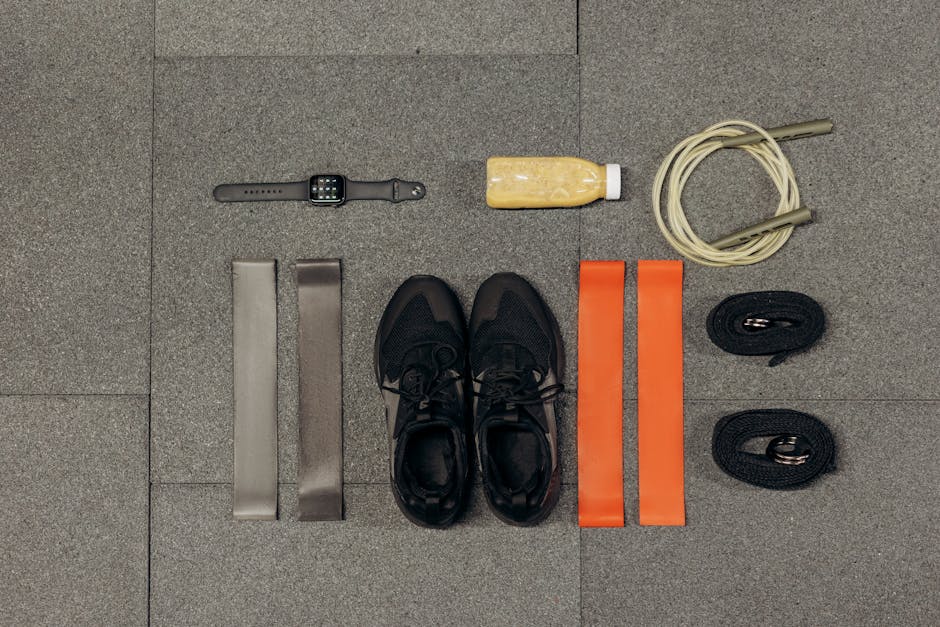
Resistance bands are another must-have. They are affordable, portable, and can be used for strength training and stretching. Their varying levels of resistance make them suitable for beginners and seasoned athletes alike. A yoga mat is essential for any floor exercises, offering comfort and stability, especially if you’re into Pilates or yoga.
Optional Additions
If you’re looking to add variety to your routine, consider investing in optional equipment. A stability ball can enhance core workouts and improve balance. It’s perfect for adding a new dimension to your exercises and challenging your body in different ways.
For cardio enthusiasts, a jump rope is an excellent addition. It’s simple yet effective for boosting heart rate and burning calories. Another fun option is a kettlebell. With its unique shape, it provides dynamic movement exercises that can improve strength and endurance.
Reflect on what you enjoy and need in your workout. Are you aiming for strength, flexibility, or endurance? Your goals will guide your choices. Remember, investing in optional equipment should enhance your routine, not clutter your space.
Creating A Balanced Workout Plan
Creating a balanced workout plan is key to achieving fitness goals at home. It ensures all aspects of fitness are covered, leading to better overall health. By incorporating various elements like cardio, strength, and flexibility, you can create a routine that is both effective and enjoyable. A balanced plan helps prevent injuries and keeps workouts engaging.
Incorporating Cardio
Cardio boosts heart health and burns calories. Include activities like jumping jacks, running in place, or dancing. Aim for 20-30 minutes, three times a week. Adjust intensity based on fitness level. Cardio should leave you slightly breathless but able to talk.
Strength Training Essentials
Strength training builds muscles and strengthens bones. Use bodyweight exercises like push-ups, squats, and lunges. Include resistance bands or weights for added challenge. Focus on major muscle groups: arms, legs, and core. Perform each exercise for 8-12 reps. Repeat two to three times a week for balanced muscle development.
Flexibility And Mobility
Flexibility and mobility improve movement and prevent injuries. Incorporate stretching exercises like yoga or Pilates. Hold stretches for 20-30 seconds, focusing on areas like hips, shoulders, and back. Include dynamic movements to enhance joint mobility. Practice flexibility exercises daily to maintain healthy range of motion.
Establishing A Workout Schedule
Creating a home workout routine requires a solid plan. Establishing a workout schedule is a key step in ensuring consistency and progress. A well-structured schedule sets the foundation for achieving fitness goals effectively. It helps maintain motivation and discipline, making it easier to stick to your routine. Below, we explore essential aspects of crafting a successful workout schedule.
Frequency And Duration
Decide how often you want to work out each week. Beginners can start with three days a week. This allows time for the body to adapt. As you progress, increase to five days weekly. Keep each session between 30 to 60 minutes. This duration is ideal for maintaining focus and energy. Shorter sessions are easier to fit into busy days.
Balancing Rest Days
Rest days are as important as workout days. They give muscles time to recover and grow. Plan one or two rest days weekly. Listen to your body and avoid overtraining. Rest days can include light activities like walking or yoga. These activities keep your body moving without strain. Proper rest helps prevent injuries and burnout.
Tracking Progress And Adjusting
Track your workout progress to see results. Adjust the routine as needed to keep improving. This helps maintain motivation and reach fitness goals efficiently.
Planning a home workout routine is an exciting journey, but how do you know if you’re truly progressing? Tracking your progress and making necessary adjustments is crucial to achieving your fitness goals. It’s not just about sweating it out; it’s about moving forward and pushing your boundaries. Let’s explore how you can effectively monitor your improvements and make those essential tweaks to keep your workout routine fresh and effective.Monitoring Improvements
To truly see your progress, you need to keep a record of your workouts. Start by maintaining a simple workout journal. Note the number of reps, sets, and the amount of weight lifted for each exercise. Regularly check in with your fitness levels by setting measurable goals. Consider conducting a monthly fitness test to assess improvements in strength, endurance, and flexibility. Did you manage more push-ups this month than last? Celebrate these wins as they signal your progress. Using technology can also be a game-changer. Fitness apps can track your steps, calorie burn, and even your heart rate. These metrics provide valuable insights into your performance and help you identify areas for improvement.Making Necessary Adjustments
As you track your progress, you’ll likely notice some areas where you’re excelling and others where you’re hitting a plateau. Don’t be afraid to change your routine. If a particular exercise isn’t yielding results, consider switching it up or trying a new variation. Listen to your body. If you’re feeling unusually fatigued or experiencing pain, it might be time to adjust the intensity of your workouts. Rest and recovery are just as important as the workouts themselves. Ask yourself: Are you bored with your routine? Adding new exercises or increasing the difficulty can reignite your motivation. Remember, your workout should challenge you but also keep you engaged and eager for the next session. Ultimately, tracking and adjusting your workout routine is a dynamic process. Stay curious, stay committed, and most importantly, enjoy the journey to a healthier you.
Credit: in.pinterest.com
Staying Motivated
Staying motivated in your home workout routine is crucial for success. Motivation keeps you on track and pushes you to achieve your goals. Without it, even the best plans can fall apart. Here are some key strategies to maintain your motivation.
Setting Milestones
Break your fitness goals into smaller, manageable milestones. This makes them less overwhelming and more achievable. Set weekly or monthly targets to track your progress. Celebrate small wins to boost your confidence and motivation. Each milestone reached is a step closer to your ultimate goal.
Rewarding Achievements
Rewards can be powerful motivators. Treat yourself when you achieve a goal. It could be a new workout gear or a relaxing day off. Choose rewards that excite and motivate you. This positive reinforcement encourages continuous effort and dedication.
Overcoming Common Challenges
Creating a home workout plan can be challenging. Setting clear goals and choosing exercises that fit your space is key. Consistency and tracking progress help maintain motivation and achieve desired results.
Overcoming Common Challenges Planning a home workout routine is an exciting venture, but it’s not without its hurdles. Many people start with enthusiasm only to face obstacles that can diminish motivation. From hitting plateaus to struggling with consistency, these challenges can be daunting. Understanding them can help you navigate your fitness journey more effectively.Dealing With Plateaus
At some point, you may notice your progress stalling. It’s common to hit a plateau in your workout routine. This can be frustrating, but it’s a natural part of fitness progression. To break through, consider adding variety to your exercises. Switch up your routine with different activities, like yoga or high-intensity interval training. Also, evaluate your current regimen. Are you pushing yourself enough? Increasing the intensity or duration can make a difference. Keep track of your achievements and set new goals. This helps in maintaining motivation and provides a sense of accomplishment.Maintaining Consistency
Staying consistent with your workouts is crucial, yet often challenging. Life gets busy, and it’s easy to skip a session or two. The key is to treat your workouts like important appointments. Schedule them into your calendar and prioritize them like you would any other commitment. Create a dedicated space at home for exercise. This physical reminder can encourage you to stick to your routine. Additionally, consider finding a workout buddy. Having someone to share your journey with can boost accountability and make exercising more enjoyable. Have you ever skipped a workout and regretted it? Think about how you can plan ahead to avoid those moments. Consider setting small, achievable goals. Celebrate your victories, no matter how minor they seem. Every step forward is progress.Frequently Asked Questions
How Do I Start A Home Workout Routine?
To start a home workout routine, set clear fitness goals. Choose exercises that suit your goals and fitness level. Create a schedule and stick to it. Start with basic exercises and gradually increase intensity. Ensure you have the necessary equipment, like resistance bands or dumbbells, to enhance your workouts.
What Equipment Do I Need For Home Workouts?
You don’t need much equipment for effective home workouts. Basic items like a yoga mat, resistance bands, and dumbbells are useful. Consider a jump rope for cardio. These tools enhance your routine and offer variety. Alternatively, bodyweight exercises require no equipment and are equally effective.
How Often Should I Exercise At Home?
Exercising at home three to five times a week is ideal. This frequency ensures balanced fitness progress and recovery time. Start with shorter sessions and gradually increase duration as you build stamina. Consistency is key to achieving your fitness goals and maintaining motivation.
Can I Achieve Results With Home Workouts?
Yes, you can achieve significant results with home workouts. Consistency and proper technique are crucial. Tailor your routine to target different muscle groups. Combine strength, cardio, and flexibility exercises. Monitor your progress and adjust your routine as needed. Home workouts can be as effective as gym workouts.
Conclusion
Creating a home workout routine can be simple and rewarding. Start small and build up gradually. Consistency is key for seeing results. Listen to your body and adjust as needed. Mix different exercises to keep it fun and balanced. Use online resources for guidance and motivation.
Remember, progress takes time and effort. Stay committed and enjoy the journey. Celebrate small victories along the way. Your health and fitness goals are achievable. Keep moving forward, one step at a time. Enjoy the benefits of your dedication and hard work.
Your future self will thank you.