Imagine sinking deeper into your yoga poses with ease, feeling your body move fluidly and gracefully. Flexibility in yoga isn’t just about impressive postures; it’s about unlocking a new level of comfort and movement in your practice.
If you’ve ever felt stuck or rigid while on the mat, you’re not alone. The secret to enhancing your flexibility lies in understanding what your body needs and giving it the right tools. Ready to transform your yoga experience and discover newfound freedom in your movements?
This guide will show you simple, effective ways to increase your flexibility, allowing you to enjoy yoga like never before. Get ready to dive into techniques that not only boost your practice but also benefit your overall well-being.
Benefits Of Flexibility In Yoga
Enhancing flexibility through yoga promotes better posture and reduces injury risk. It also boosts circulation and aids in relaxation.
Flexibility plays a key role in yoga practice. It enhances your ability to perform poses with ease. Increased flexibility offers numerous benefits beyond yoga. It helps improve posture and reduces muscle tension. Flexible muscles can prevent injuries during physical activities. In yoga, flexibility helps achieve deeper and more stable poses. This can lead to a more satisfying practice.Improved Range Of Motion
Flexibility increases your range of motion. This means your joints can move freely. It helps you perform yoga poses more effectively. With a better range, you can explore poses deeply.Enhanced Muscle Strength
Flexible muscles can be strong too. Yoga often involves holding poses for a time. This builds strength along with flexibility. Strong muscles support your joints and prevent strain.Better Posture
Flexibility helps maintain good posture. It aligns your body correctly during poses. Good posture enhances your balance and stability. It also reduces the risk of back pain.Reduced Stress
Yoga is known for reducing stress. Flexibility allows you to relax and stretch comfortably. This releases tension from your muscles. It leads to a calmer and more peaceful state of mind.Injury Prevention
Increased flexibility helps prevent injuries. Flexible muscles adapt better to sudden movements. This reduces the risk of strains and sprains. It makes yoga practice safer and more enjoyable.
Credit: www.youtube.com
Assessing Your Current Flexibility
Assessing your current flexibility helps identify areas to improve for yoga. Try simple stretches to gauge your range of motion. Keep track of progress as you practice regularly.
Assessing your current flexibility is the first step toward improving yoga practice. Understanding where your flexibility stands helps tailor exercises to your needs. This evaluation assists in setting realistic goals and tracking progress. Flexibility varies among individuals based on activity levels and genetics. Some may find their muscles and joints more limber. Others may require additional effort to reach desired flexibility levels. To begin this assessment, focus on key areas. These include hips, shoulders, and hamstrings. Each area plays a crucial role in yoga poses.Test Your Hip Flexibility
Sit on the floor with legs straight. Try to touch your toes. Notice any tightness or discomfort. This reveals your hip’s flexibility range.Evaluate Shoulder Mobility
Stand tall with your arms at your sides. Slowly raise them overhead. Check for any tightness or restriction. This indicates your shoulder’s mobility.Assess Hamstring Flexibility
Lie on your back and lift one leg straight up. Keep the other leg on the ground. If your lifted leg forms a 90-degree angle, your hamstrings are quite flexible.Record Your Findings
Write down observations from each test. This helps track improvement over time. Note areas needing extra attention in your yoga routine. Regular assessment ensures your flexibility improves, enhancing your yoga experience.Setting Realistic Flexibility Goals
Setting realistic flexibility goals involves understanding your current limits and gradually pushing them. Focus on consistent practice and listening to your body to safely improve flexibility for yoga.
Setting realistic flexibility goals is essential in your yoga journey. Start by understanding your current level. This helps you set achievable targets. Remember, everyone’s body is different. Progress may vary. Celebrate small wins. They are signs of growth and improvement.Understanding Your Current Flexibility Level
Begin by assessing your flexibility. Notice which poses challenge you. This gives you a starting point. Identify areas needing more focus. Pay attention to your body’s signals. This prevents injury and aids in progress tracking.Setting Specific And Achievable Goals
Set clear, achievable targets for flexibility. For example, aim to touch your toes. Break down larger goals into smaller steps. This makes them less overwhelming. Small achievements build confidence. They motivate continued practice.Creating A Flexible Schedule
Plan regular practice sessions. Consistency is key in improving flexibility. Design a schedule that fits your lifestyle. Include rest days. Balance is crucial to avoid burnout. Keep a flexibility journal. Document your progress and setbacks. This helps you stay motivated. Review it regularly. Adjust goals as needed. Celebrate improvements, no matter how small.Being Patient And Kind To Yourself
Remember that flexibility takes time. Be patient with your body. Avoid comparing yourself to others. Focus on personal growth. Practice self-kindness. Celebrate your unique journey.
Credit: www.facebook.com
Warm-up Techniques
Stretch gently before practicing yoga to increase flexibility. Focus on dynamic movements like arm circles and leg swings. These techniques prepare muscles, reduce injury risk, and enhance overall performance.
Warming up before a yoga session is essential. It prepares your body, reduces the risk of injury, and enhances your flexibility. Understanding effective warm-up techniques can elevate your yoga practice to new heights.Dynamic Stretching
Dynamic stretching gets your blood flowing and muscles ready for movement. Unlike static stretching, it involves moving parts of your body through full ranges of motion. Consider leg swings to loosen your hip joints. Arm circles can help release tension in your shoulders. These movements not only warm up your muscles but also enhance coordination. How does your body feel after a few minutes of dynamic stretching? Notice the difference in your energy and readiness for deeper yoga poses.Breathing Exercises
Breathing exercises are crucial for effective warm-ups. They connect your mind and body, creating a sense of calm and focus. Start with deep belly breaths, inhaling through your nose and exhaling through your mouth. This simple technique relaxes your nervous system and increases oxygen flow to your muscles. As you breathe, imagine each inhale bringing energy to your body. Let each exhale release tension. How does your breath influence your flexibility and mindfulness? Incorporating these warm-up techniques can transform your yoga journey. Try them out and notice the improvement in both flexibility and mental clarity.Daily Stretching Routine
Incorporating a daily stretching routine enhances yoga flexibility. Simple stretches ease muscle tension and improve joint movement. Regular practice supports better yoga poses and overall body health.
A daily stretching routine can transform your yoga practice. It enhances flexibility, reduces stress, and improves overall wellness. Incorporating stretches into your day can prepare your body for challenging yoga poses. Begin with gentle movements in the morning. Relax your muscles before bed with evening stretches.Morning Stretches
Starting your day with stretches can boost energy and focus. Morning stretches awaken stiff muscles and increase circulation. Begin with simple neck rolls. Move gently to loosen tension. Follow with shoulder shrugs. Raise and lower shoulders to relieve tightness. Try a standing forward bend. Reach towards the toes, keeping knees slightly bent. This stretch lengthens the spine and hamstrings. Next, perform a cat-cow stretch. On all fours, alternate arching and rounding the back. This movement warms up the spine and improves flexibility.Evening Stretches
Evening stretches help relax the body after a busy day. They prepare you for restful sleep. Begin with a seated forward fold. Sit on the floor with legs extended. Lean forward slowly, reaching towards your feet. This stretch calms the mind and body. Practice a gentle spinal twist. Sit with legs crossed, place one hand on the opposite knee. Twist gently, looking over your shoulder. This movement releases tension in the back and hips. Finish with a butterfly pose. Sit with the soles of your feet together. Press knees gently towards the ground. This pose opens the hips and relaxes the inner thighs. Regular stretching nurtures your body and mind. It is key to a balanced yoga practice.Incorporating Yoga Poses
Incorporating yoga poses can enhance flexibility and balance. Start with gentle stretches to warm up muscles. Gradually introduce more challenging poses to build strength and improve range of motion.
Incorporating yoga poses into your routine can boost your flexibility. Yoga encourages the body to stretch and adapt, improving movement over time. Choosing the right poses helps in targeting specific muscle groups. This enhances your overall flexibility and yoga experience.Beginner Poses
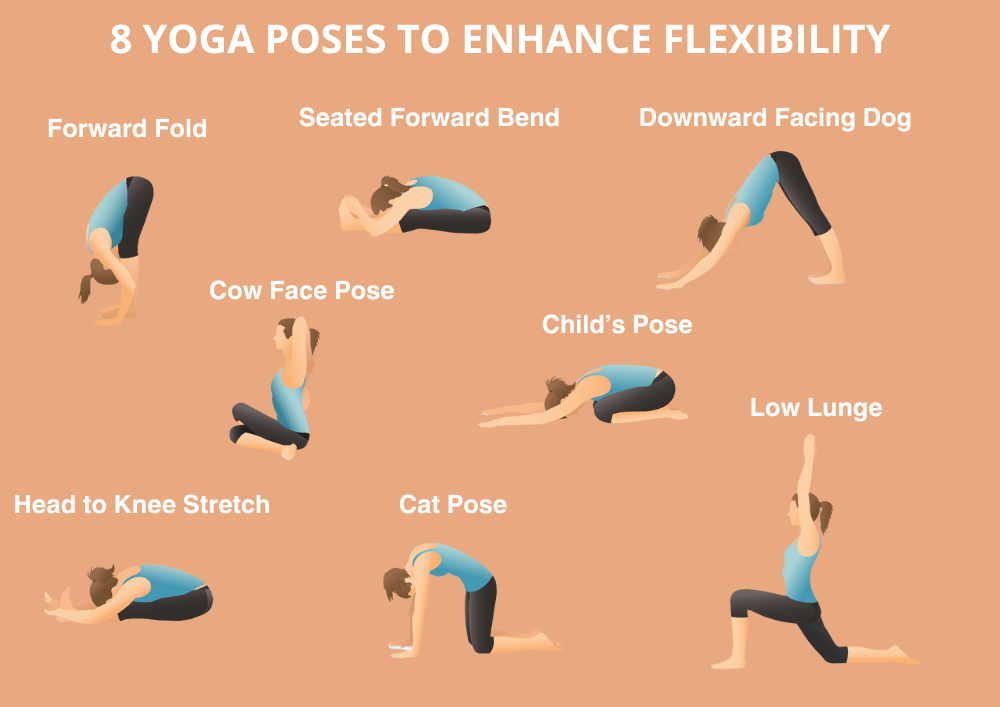
Starting with beginner poses is ideal for those new to yoga. These poses lay the foundation for flexibility without overwhelming you. Here are a few beginner-friendly poses:- Cat-Cow Stretch:This pose warms up the spine and releases tension. It promotes flexibility in the back and core.
- Child’s Pose:A gentle stretch for the back, hips, and thighs. It helps in relaxing the body.
- Downward-Facing Dog:This pose stretches the hamstrings and calves. It also strengthens arms and shoulders.
- Seated Forward Bend:A great stretch for the spine and legs. It encourages a calm mind and flexible body.
Advanced Poses
Advanced poses challenge your flexibility and strength. They require balance and control. Here are a few advanced poses to try:- Wheel Pose:This pose opens the chest and strengthens the spine. It demands flexibility and balance.
- Pigeon Pose:A deep stretch for the hips and thighs. It helps release tension and improve flexibility.
- King Dancer Pose:This pose enhances balance and leg strength. It stretches the shoulders and chest.
- Lotus Pose:A classic pose that requires hip flexibility. It promotes calmness and focus.
Using Props For Flexibility
Props like yoga blocks and straps offer support and stability. They assist in deepening stretches safely. Incorporating props can enhance flexibility, making poses more accessible and effective for beginners.
Using props in yoga enhances flexibility. They offer support and help deepen stretches. Props make challenging poses accessible for everyone. This approach ensures a safer practice. Let’s explore the benefits of blocks, straps, bolsters, and blankets.Blocks And Straps
Blocks and straps are essential yoga tools. They aid in achieving better alignment. Blocks provide stability in balancing poses. They help bridge the gap between you and the floor. Use them under your hands in forward bends. Straps extend your reach in seated stretches. They support your limbs, preventing strain. Both tools enhance flexibility gradually.Bolsters And Blankets
Bolsters and blankets offer comfort and support. Bolsters are great for restorative poses. They help open the chest and hips. Use them in backbends for gentle support. Blankets add extra cushioning. They protect your joints in seated poses. Fold them for added height in sitting positions. These props help relax muscles and deepen stretches.Nutrition And Hydration
Proper nutrition and hydration enhance flexibility for yoga. Eating balanced meals fuels muscles, while water keeps them supple and strong.
Enhancing your flexibility for yoga isn’t just about stretching and poses. It’s also about what you consume. Nutrition and hydration play crucial roles in supporting your body as you work towards greater flexibility. The right foods and adequate water intake can aid in muscle recovery, joint health, and overall performance in your yoga practice.Foods That Boost Flexibility
What you eat can significantly impact your flexibility. Including certain foods in your diet can help improve your body’s elasticity. – Leafy greens like spinach and kale are rich in magnesium, which helps relax muscles and prevents cramps. – Fatty fish such as salmon and mackerel provide omega-3 fatty acids that reduce inflammation and improve joint health. – Nuts and seeds like almonds and flaxseeds are excellent sources of healthy fats and proteins that support muscle repair. Consider adding these foods to your meals and notice the difference in your yoga sessions. Which new food will you try this week?Importance Of Staying Hydrated
Water is essential for maintaining flexibility. When you’re dehydrated, your muscles become tense, making it harder to stretch and move. – Aim to drink at least 8-10 glasses of water daily. – Include hydrating foods like cucumbers and watermelon to keep your body replenished. – Pay attention to your body’s signals; if you’re thirsty, it’s a sign to drink up. Staying hydrated ensures your muscles are primed and ready for yoga. How much water have you had today? By focusing on these nutrition and hydration tips, you can enhance your flexibility and get more out of your yoga practice. It’s not just about the yoga mat; it’s about what you do off the mat too.Mindfulness And Relaxation
Mindfulness and relaxation play a crucial role in enhancing your flexibility for yoga. When you’re mindful, you’re more aware of your body’s limitations and strengths. Relaxation helps you release tension, allowing your muscles to stretch more effectively. By focusing on these aspects, you can create a supportive environment for your practice, ultimately leading to improved flexibility.
Meditation Practices
Meditation can be a powerful tool in your yoga journey. It helps you cultivate a deeper connection with your body, enabling you to understand your physical boundaries. Try setting aside a few minutes each day to sit quietly and focus on your breath. As you meditate, visualize your muscles relaxing and lengthening. This mental practice can translate into physical flexibility over time.
Have you ever noticed how tension can limit your range of motion? Through meditation, you learn to let go of this tension. Consider using a guided meditation app to help you focus on areas where you feel restricted. Consistent meditation practice can make a noticeable difference in your yoga flexibility.
Deep Breathing Techniques
Deep breathing techniques are essential for enhancing relaxation and flexibility. When you breathe deeply, you increase oxygen flow to your muscles, which aids in their relaxation and elongation. Practice taking slow, deep breaths during your yoga sessions. Inhale deeply through your nose, filling your lungs completely, and exhale slowly through your mouth.
Experiment with different breathing patterns. Try the 4-7-8 technique: inhale for four counts, hold for seven, and exhale for eight. This method not only calms your mind but also helps release tension in your body. Have you tried syncing your breath with your movements? This can enhance your practice by creating a harmonious flow between breathing and stretching.
Avoiding Common Mistakes
Yoga offers immense benefits for both body and mind. Increasing flexibility is a key aspect of a successful yoga practice. Yet, many people make common mistakes that can hinder progress. Avoiding these errors helps maintain a safe and effective routine.
Overstretching Risks
Overstretching can lead to injuries, making flexibility a double-edged sword. It’s tempting to push limits, but patience is vital. Stretch gradually to prevent muscle tears or strains. Focus on breathing deeply during each pose. This helps muscles relax without forcing them too far. Remember, flexibility grows over time.
Ignoring Pain Signals
Pain is the body’s way of signaling distress. Ignoring it can lead to serious injuries. Differentiate between discomfort and pain. Discomfort is normal during a stretch, pain is not. If you feel sharp or intense pain, stop immediately. Adjust the pose or take a break. Listen to your body and respect its limits.
Tracking Your Progress
Tracking your flexibility progress helps in identifying areas needing improvement. Use a journal to note daily changes in your yoga practice. Regular assessments can boost motivation and ensure consistent growth.
Tracking your progress is essential in your yoga flexibility journey. It helps you see improvements over time. You can adjust your routine based on your findings. Regular monitoring keeps you motivated. It allows you to celebrate small victories.Flexibility Journals
Keeping a flexibility journal can be very helpful. Write down your daily stretches. Note how you feel during and after each session. Record any changes in your body’s response. This helps you understand your body’s progress. Over time, you can see patterns and improvements.Regular Assessments
Regular assessments measure your progress effectively. They give you a clear picture of where you stand. Set benchmarks for specific poses. Try to reach these benchmarks at regular intervals. This provides a structured approach to tracking your growth. It keeps you focused on your goals.
Credit: myyogateacher.com
Expert Recommendations
Expert guidance suggests starting with gentle stretching exercises. Regular practice helps muscles become more flexible. Focus on deep breathing to relax your body. Gradually increase intensity as your flexibility improves.
Improving your flexibility for yoga can be a transformative journey. Experts have shared specific strategies to help you enhance your practice effectively. These recommendations provide valuable insights into refining your yoga routine and achieving greater flexibility. Let’s dive into how consulting with a yoga instructor and joining flexibility workshops can make a significant difference.Consulting A Yoga Instructor
Engaging with a yoga instructor can be a game-changer in your flexibility journey. They offer personalized guidance tailored to your body’s needs. Imagine the confidence of knowing you’re stretching correctly and safely. Yoga instructors can help you understand which poses are best suited for your flexibility goals. Their expertise ensures you avoid injuries while pushing your limits. Have you ever found yourself stuck in a plateau, unsure of how to progress? An instructor can provide the push you need to move forward. They can also introduce you to props like blocks and straps that enhance your practice. It’s a collaborative process where your feedback guides the adjustments and improvements.Joining Flexibility Workshops
Flexibility workshops are designed to deepen your understanding and practice of yoga. They focus on techniques that specifically target flexibility enhancement. These workshops create a community of like-minded individuals, offering motivation and support. You’re not alone in your journey, and sharing experiences can be inspiring. Workshops often include exercises that break down complex poses into manageable steps. This approach allows you to focus on specific areas needing improvement. They provide a structured environment where you can practice consistently. Consistency is key in developing flexibility, and workshops encourage regular practice. By attending, you also gain access to the latest stretching methodologies and insights from seasoned yoga practitioners. Consider how these workshops could fill the gaps in your self-practice, providing the depth and focus you need. Are you ready to explore these expert recommendations and elevate your flexibility for yoga? Your body will thank you for the commitment and dedication.Frequently Asked Questions
How Can Yoga Improve Flexibility?
Yoga stretches and lengthens muscles, enhancing range of motion. Regular practice loosens tight areas and strengthens joints. Over time, yoga increases flexibility by improving overall body alignment and posture. It’s essential to practice consistently and mindfully to avoid injuries and achieve lasting improvements in flexibility.
What Are Beginner Poses For Flexibility?
Beginner poses like Cat-Cow, Downward Dog, and Child’s Pose are great for flexibility. They gently stretch your spine, hamstrings, and shoulders. These poses require minimal effort and are suitable for all levels. Regular practice helps improve flexibility and prepares you for more advanced poses.
How Often Should I Do Yoga For Flexibility?
Practicing yoga at least three times a week can enhance flexibility. Consistency is key to seeing improvements in your range of motion. Short daily sessions are effective too. Listen to your body and gradually increase intensity and duration for optimal results.
Can Flexibility Reduce Injury Risk In Yoga?
Improved flexibility reduces injury risk by increasing joint mobility and muscle elasticity. Flexible muscles are less prone to strains and tears. Balanced flexibility prevents overstretching and supports proper posture. Incorporating strength training alongside yoga further enhances injury prevention.
Conclusion
Flexibility in yoga grows with consistent practice. Start slow and stay patient. Focus on gentle stretches and safe poses. Listen to your body and avoid pain. Regular practice leads to improvement. Keep a positive mindset and enjoy the journey. Balance your routine with breathing exercises.
These help in relaxation and better flexibility. Hydrate well and eat nutritious food for body support. Flexibility is a gradual process, not a race. Celebrate small progress and keep moving forward. Yoga is not only about flexibility. It is about connecting your mind and body.