
Are you looking to boost your energy levels and improve your overall health? Increasing your cardio-respiratory endurance might just be the key.
Imagine running up a flight of stairs without gasping for air, or enjoying a long hike with friends without needing frequent breaks. Cardio-respiratory endurance is all about how efficiently your heart and lungs work together to fuel your body with oxygen.
By enhancing this vital aspect of your fitness, you can experience a more active, vibrant life. In this guide, you’ll discover simple yet effective strategies to enhance your endurance, whether you’re a beginner or someone looking to take your fitness to the next level. We’ll break down easy-to-follow tips, backed by science, that can transform your workouts and daily activities. Stay with us as we explore how you can unlock a healthier, more energetic version of yourself, step by step. Your journey to improved endurance starts now!
Cardio-respiratory Basics
Understanding the basics of cardio-respiratory endurance is essential. It’s the ability of your heart and lungs to supply oxygen during exercise. This endurance helps improve overall health and fitness. Knowing how your body uses oxygen can enhance your workouts. Let’s explore the fundamentals of cardio-respiratory fitness.
Understanding Heart Function
The heart is a powerful muscle. It pumps blood throughout your body. This blood carries oxygen and nutrients. During exercise, your heart rate increases. This means more blood, and oxygen, is delivered to muscles.
The Role Of Lungs
Your lungs play a key role in endurance. They inhale oxygen and exhale carbon dioxide. During physical activity, your breathing rate rises. This ensures enough oxygen reaches your muscles.
Oxygen Transportation
Oxygen travels through your bloodstream. Hemoglobin in red blood cells carries it. Efficient oxygen transport boosts endurance. It allows you to exercise longer without tiring quickly.
Energy Production
Muscles need energy to work. They use oxygen to break down nutrients. This process creates energy. The more efficient this process, the better your endurance. It helps you maintain activity levels.
Benefits Of Good Endurance
- Improved heart health
- Better lung capacity
- Increased stamina
- Enhanced daily performance
Building cardio-respiratory endurance takes time. It requires consistent exercise and healthy habits. Understanding these basics can guide your fitness journey.
Benefits Of Improved Endurance
Boosting cardio-respiratory endurance enhances stamina and energy levels. It supports heart health and improves lung function. Regular exercise like jogging or cycling can help achieve these benefits, leading to a healthier lifestyle.
Improving your cardio-respiratory endurance can bring about a host of benefits, transforming not only your physical health but also your day-to-day life. As you enhance your endurance, you’ll notice an increase in your energy levels, allowing you to accomplish more without feeling fatigued. But the perks extend far beyond just physical stamina; they touch upon mental well-being and overall quality of life.Boosted Energy Levels
When you enhance your cardio-respiratory endurance, one of the first things you’ll notice is a significant boost in energy. This means you’ll have more vitality to get through your daily tasks and still have energy left for leisure activities. Imagine being able to climb a flight of stairs without feeling out of breath or enjoying a long walk with friends without needing to rest.Improved Heart Health
A stronger cardio-respiratory system means a healthier heart. Regular endurance exercises help lower your blood pressure and cholesterol levels. It’s like giving your heart a workout, making it stronger and more efficient at pumping blood throughout your body.Better Mental Health
Endurance training isn’t just good for your body; it’s great for your mind too. Physical activity releases endorphins, which are natural mood lifters. Have you ever felt more relaxed and clear-headed after a good workout session?Enhanced Physical Performance
With better endurance, you’ll find that your physical performance in various activities improves. Whether it’s running, cycling, or even playing with your kids, you’ll be able to do more with less effort. This can also lead to better results if you’re training for a specific sport or event.Weight Management
Increasing your endurance also aids in weight management. As you engage in regular cardio activities, you burn more calories and increase your metabolism. This makes it easier to maintain a healthy weight or even shed a few pounds if that’s your goal.Improved Sleep Quality
Regular physical activity is known to help you fall asleep faster and enjoy deeper sleep. As your endurance builds, so does your ability to have restful nights. Who wouldn’t want to wake up feeling refreshed and ready to take on the day? These benefits show that enhancing your cardio-respiratory endurance is not just about becoming a better athlete but about improving every aspect of your life. What changes will you notice first as you begin your journey to better endurance?Effective Aerobic Exercises
Boosting your cardio-respiratory endurance can transform your fitness journey, and effective aerobic exercises are a great way to start. These exercises not only enhance your heart and lung capacity but also increase your overall stamina. The key is to find activities you enjoy, making it easier to stick with your routine and see lasting results.
Running And Jogging
Running and jogging are among the simplest ways to improve your endurance. You only need a pair of good running shoes and an open road. Start with a pace that feels comfortable, gradually increasing your speed and distance.
Consider incorporating interval training. Alternate between fast running and slow jogging. This not only breaks the monotony but also significantly boosts endurance levels.
Have you ever felt the runner’s high? It’s a burst of energy and joy that comes from pushing past your limits. Experience it and you’ll see why so many people are hooked on running.
Cycling
Cycling is a fantastic low-impact exercise that’s easy on the joints. It offers a great way to explore your surroundings while working out. Try cycling on different terrains to challenge your muscles and keep the activity exciting.
Start with short rides around your neighborhood, then gradually increase to longer distances. Joining a cycling group can be a fun way to stay motivated and meet like-minded people.
How about a weekend cycling trip? It’s a great opportunity to combine exercise with adventure. Remember to wear a helmet and stay safe on the roads.
Swimming
Swimming is a full-body workout that significantly enhances your cardio-respiratory endurance. It’s perfect for those looking for a low-impact exercise that still pushes the body. Focus on different strokes to work various muscle groups and keep your sessions interesting.
If you’re new to swimming, start with simple laps and gradually add more as your stamina builds. Consider taking a swimming class to improve your technique and efficiency in the water.
Ever tried water aerobics? It’s a fun twist on traditional swimming that can boost your endurance while being gentle on the body. Dive in and feel the difference!
Incorporating Interval Training
Cardio-respiratory endurance is vital for overall health. Interval training can significantly boost this endurance. It involves short bursts of intense activity followed by rest. This method enhances heart and lung function, improving stamina. Athletes and fitness enthusiasts use it to maximize performance. It’s adaptable, suiting different fitness levels. Beginners and advanced practitioners can benefit. Let’s explore key aspects of interval training to increase endurance.
High-intensity Interval Training (hiit)
HIIT is a popular form of interval training. It includes short, intense exercises like sprinting or jumping. These are followed by brief rest periods. This approach boosts heart rate quickly. It challenges the cardio-respiratory system. Results include improved oxygen use and increased endurance. HIIT sessions can be as short as 20 minutes. They are effective and time-efficient. Consistency is key for progress. Start with exercises you enjoy. Gradually increase intensity. Listen to your body and push limits safely.
Rest And Recovery Intervals
Rest intervals are crucial in interval training. They allow the body to recover. Recovery helps maintain exercise intensity. It prevents burnout and reduces injury risk. Short rest periods keep the heart rate elevated. Longer rests provide full recovery. Balance is essential for effective training. Customize rest intervals to fit your fitness level. Beginners may need longer recovery times. Advanced athletes can manage shorter rests. Monitor your progress and adjust accordingly. Proper rest ensures sustainable endurance growth.
Building A Consistent Routine
Establishing a regular exercise schedule boosts cardio-respiratory endurance. Begin with moderate activities like brisk walking or cycling. Gradually increase intensity and duration to challenge your body. Consistency helps improve heart and lung function, making everyday activities easier and more enjoyable.
Building a consistent routine is the cornerstone of enhancing your cardio-respiratory endurance. Creating a habit ensures that you steadily build your stamina over time. This commitment not only helps in achieving your fitness goals but also makes the process enjoyable and sustainable.Setting Realistic Goals
Setting realistic goals is crucial for maintaining motivation. Instead of aiming to run a marathon right away, start with achievable targets. Perhaps aim to jog for 20 minutes without stopping. Gradually increase your time or distance each week. This approach prevents burnout and keeps you motivated. Ask yourself: what can you realistically achieve this week?Tracking Progress
Tracking your progress keeps you accountable and highlights improvements. Use a journal or fitness app to note your workouts. Record details like duration, distance, and how you felt afterward. Seeing your progress can be incredibly motivating. It can also help you identify patterns or areas needing improvement. How will you celebrate your small victories along the way?
Credit: www.instagram.com
Nutrition And Hydration
Boost cardio-respiratory endurance by focusing on balanced nutrition and proper hydration. Fuel your body with essential nutrients and maintain fluid levels to enhance stamina and performance during exercise. Prioritize foods rich in vitamins and minerals, and drink adequate water to support heart and lung functions.
Improving your cardio-respiratory endurance isn’t just about hitting the gym or running miles every day. Nutrition and hydration play a crucial role in supporting your body to perform better, recover faster, and sustain energy levels. Let’s explore how you can optimize your diet and water intake to boost your endurance and feel more energized during workouts.Balanced Diet Tips
Eating a balanced diet is key to increasing your cardio-respiratory endurance. Include a mix of carbohydrates, proteins, and fats in your meals. Carbs are your body’s main energy source, especially during exercise. Focus on whole grains like brown rice and quinoa to fuel your workouts. Proteins help in muscle repair and growth, so lean meats, beans, and nuts should be on your plate. Don’t shy away from healthy fats found in avocados and olive oil. Have you ever noticed how sluggish you feel after a heavy, greasy meal? Aim for lighter meals that provide sustained energy without the crash.Staying Hydrated
Water is essential for optimal physical performance. Even mild dehydration can affect your endurance. Keep a water bottle handy and sip throughout the day. Before a workout, ensure you’re well-hydrated, and drink water or electrolyte drinks during and after exercising. Have you tried tracking your water intake? Apps or reminders can help you stay on top of your hydration game. Remember, hydration isn’t just about water. Foods like cucumbers and watermelon are water-rich and can also boost your hydration levels. Does your body ever give you cues that you need more hydration? Listen to it. Dry mouth, fatigue, and headaches can be signs you’re not drinking enough. Prioritize hydration and notice the difference in your performance.Importance Of Rest And Recovery
Balancing exercise with rest boosts cardio-respiratory endurance. Muscles repair and grow stronger during recovery periods. This process enhances overall performance.
Increasing your cardio-respiratory endurance is not just about pushing your limits during workouts. Rest and recovery are crucial elements that often get overlooked. Proper rest allows your body to repair and strengthen itself, while recovery helps prevent injuries and improves performance. Ignoring these can lead to burnout and diminish your progress. How can you ensure you’re giving your body the downtime it needs?Active Rest Days
Active rest days are a great way to keep moving while giving your body a break. Instead of intense workouts, consider activities like yoga, walking, or cycling at a leisurely pace. These low-impact exercises help maintain your fitness level without putting too much strain on your body. They can also improve your mood and reduce stress, making you more eager to return to your regular workouts.Sleep’s Role In Recovery
Never underestimate the power of a good night’s sleep for recovery. Sleep is when your body does most of its repair work, mending tissues and building muscle. Aim for 7-9 hours of quality sleep each night to maximize your recovery. If you’re skimping on sleep, you’re not just making yourself tired; you’re potentially hindering your progress. How well do you prioritize your sleep when planning your fitness routine?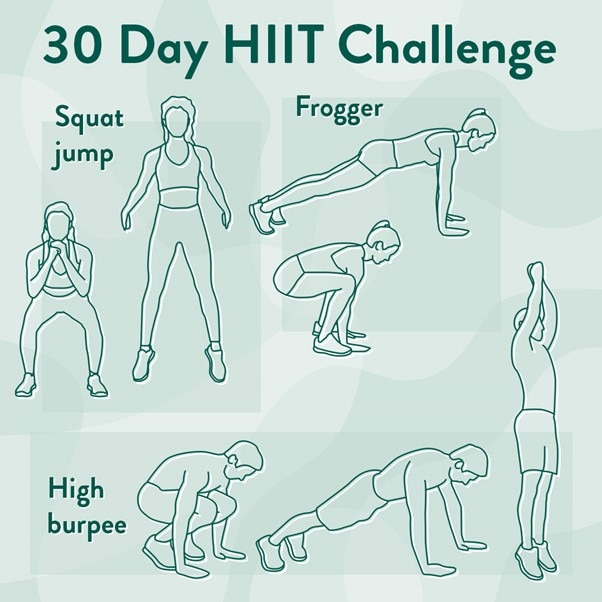
Credit: www.hollandandbarrett.com
Monitoring Heart Rate
Monitoring heart rate is a crucial aspect of boosting your cardio-respiratory endurance. Knowing how your heart responds to different activities can guide you in optimizing workouts. It’s not just about tracking numbers; it’s about understanding your body’s signals and fine-tuning your exercise routine. Imagine being able to tailor your fitness goals by simply listening to your heart. This insight can transform how you approach endurance training. Here’s how you can effectively monitor your heart rate.
Using Fitness Trackers
Fitness trackers have revolutionized how you can monitor heart rate with ease. These devices provide real-time data, making it simple to gauge how hard your heart is working at any given moment. Whether you’re running, cycling, or swimming, a fitness tracker can help you stay within your desired intensity level.
Consider investing in a tracker that offers continuous heart rate monitoring. This feature enables you to observe patterns over time, helping you understand your heart’s response to different exercises. The data collected can be a powerful tool in adjusting your workouts to maximize endurance gains.
Target Heart Rate Zones
Understanding your target heart rate zones can significantly enhance your training effectiveness. These zones help you identify the optimal heart rate range for different types of workouts. By working within specific zones, you can improve cardiovascular fitness and increase endurance without overexerting yourself.
Calculate your maximum heart rate by subtracting your age from 220. Use this number to determine your target zones: warm-up (50-60%), fat burning (60-70%), aerobic (70-80%), and anaerobic (80-90%). Each zone serves a unique purpose, from building endurance to burning fat. Knowing these zones gives you the control to shape your cardio workouts for maximum benefit.
Staying Motivated
Staying motivated is crucial to improving your cardio-respiratory endurance. Motivation keeps you on track and helps you achieve your goals. Without it, workouts can feel like a chore. Find ways to make exercise enjoyable and rewarding. Motivation can come from different sources. Discover what works best for you.
Finding A Workout Buddy
A workout buddy can boost your motivation. They hold you accountable and make workouts fun. With a friend, exercising feels less like work. You can share goals and celebrate achievements together. A buddy provides encouragement when you feel like quitting. Choose someone with similar fitness goals. This ensures you’re both committed to the journey.
Setting New Challenges
New challenges keep your routine exciting. They push you beyond your comfort zone. Set small, achievable goals regularly. These can be increasing your running distance or trying a new workout. Challenges provide a sense of accomplishment. They help track progress and highlight improvements. Celebrate your milestones to stay motivated and engaged.

Credit: essentrics.com
Frequently Asked Questions
What Is Cardio-respiratory Endurance?
Cardio-respiratory endurance is the ability to sustain physical activity over time. It involves the efficiency of the heart, lungs, and circulatory system in delivering oxygen to muscles. Improving this endurance enhances overall health, boosts energy levels, and aids in weight management.
Regular aerobic exercises like running, cycling, and swimming help improve cardio-respiratory endurance.
How Can I Improve My Endurance?
Improving endurance requires consistent aerobic exercise. Start with activities like walking, jogging, or swimming. Gradually increase intensity and duration for better results. Incorporate interval training to boost stamina. Maintain a balanced diet and stay hydrated. Regular exercise strengthens the heart and lungs, improving their efficiency over time.
Why Is Cardio-respiratory Endurance Important?
Cardio-respiratory endurance is crucial for maintaining overall health and fitness. It helps reduce the risk of chronic diseases like heart disease and diabetes. Improved endurance boosts energy levels and enhances daily activities. It also supports mental health, reducing stress and anxiety.
Regular exercise leads to a healthier lifestyle.
How Often Should I Do Cardio Exercises?
To improve cardio-respiratory endurance, aim for at least 150 minutes of moderate aerobic exercise weekly. Alternatively, 75 minutes of vigorous activity is recommended. Spread workouts throughout the week for optimal results. Consistency is key to building endurance. Listen to your body and gradually increase intensity as you progress.
Conclusion
Building cardio-respiratory endurance takes time and effort. Start with small steps. Gradually increase your intensity and duration. Consistency is key. Regular exercise strengthens your heart and lungs. Make sure to rest and recover. Balanced nutrition supports your fitness journey. Stay hydrated and eat well.
Listen to your body’s signals. Seek guidance from fitness professionals if needed. Celebrate your progress along the way. Enjoy the benefits of better health and energy. A strong cardio system boosts overall well-being. Keep moving forward with determination and patience.
Your endurance will improve over time. Stay dedicated and enjoy the journey.