
Are you looking to enhance your flexibility but don’t know where to start? Yoga might just be the answer you’ve been seeking.
Imagine feeling more limber, less stressed, and more in tune with your body. Sounds appealing, right? Flexibility isn’t just about touching your toes; it’s about moving with ease and feeling better every day. In this guide, you’ll discover how yoga can transform your body’s flexibility and improve your overall well-being.
Keep reading to unlock the secrets to a more flexible, healthier you.
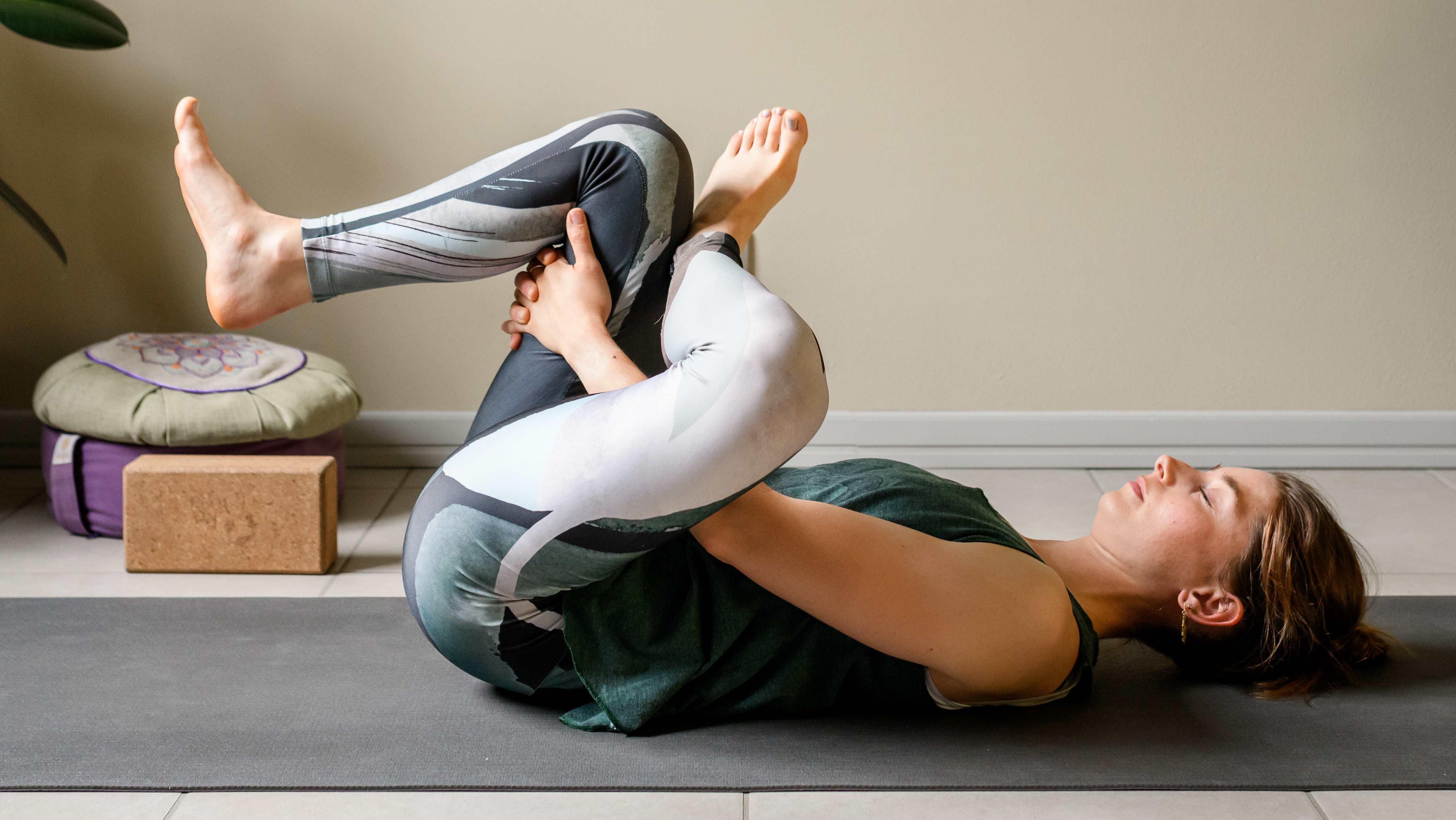
Credit: www.fitandwell.com
Benefits Of Flexibility
Yoga boosts flexibility, enhancing range of motion and reducing injury risk. Regular practice helps muscles stretch and relax. Improved flexibility leads to better posture and balance.
Flexibility is more than just bending your body. It helps in daily activities, sports, and overall well-being. Yoga is a powerful tool to increase flexibility. It offers numerous benefits that can enhance your life in various ways.Enhanced Mobility
Yoga improves the range of motion in your joints. This means you can move freely without stiffness. Regular practice helps you to reach, bend, and stretch with ease. Improved mobility makes daily tasks simpler. It also supports your body in sports and physical activities.Reduced Risk Of Injury
Flexible muscles are less prone to injury. Stretching through yoga lengthens tight muscles. This prepares them for sudden movements and reduces strain. It is especially useful for athletes and active individuals. Yoga helps in preventing common injuries like strains and sprains.Improved Posture
Good posture is vital for a healthy spine. Yoga strengthens the muscles that support your back. It aligns your body correctly, reducing slouching and imbalance. Better posture enhances breathing, concentration, and confidence. It also prevents back and neck pain.Yoga Poses For Flexibility
Discover how yoga can boost flexibility and ease tension. Practicing poses like Downward Dog and Cobra enhances range of motion. Regular practice leads to a more flexible and relaxed body.
Yoga Poses for Flexibility Flexibility is vital for a healthy body. Yoga can help improve flexibility. Consistent practice can lead to noticeable changes. Here are some yoga poses to try. They are beginner-friendly and effective.Downward-facing Dog
This pose stretches the entire body. Begin on your hands and knees. Spread your fingers wide. Lift your hips towards the ceiling. Form an inverted “V” shape. Keep your feet hip-width apart. Press your heels towards the ground. Relax your head between your arms. Breathe deeply and hold for several breaths.Cat-cow Stretch
This pose increases spine flexibility. Start on your hands and knees. Align your wrists under your shoulders. Place your knees below your hips. Inhale and arch your back. Let your belly drop towards the mat. Lift your head and tailbone. This is the “Cow” position. Exhale and round your spine. Tuck your chin towards your chest. This is the “Cat” position. Repeat this flow for a few breaths.Seated Forward Bend
This pose stretches the hamstrings. Sit on the floor with legs extended. Flex your feet and keep them together. Inhale and lengthen your spine. Exhale and lean forward from your hips. Reach for your feet or shins. Hold the pose and breathe deeply. Keep your back straight. Relax into the stretch with each exhale.Breathing Techniques
Breathing techniques in yoga are essential for enhancing flexibility. They not only help in calming the mind but also play a significant role in releasing muscle tension. By focusing on your breath, you allow your body to stretch further and more effectively. Let’s delve into some specific techniques that can help you achieve greater flexibility through mindful breathing.
Pranayama For Relaxation
Pranayama, the art of controlled breathing, is a cornerstone of yoga practice. It involves various techniques that focus on deep and rhythmic breathing. Practicing Pranayama can relax your muscles, making it easier to stretch into poses.
One simple technique is Nadi Shodhana, or alternate nostril breathing. Sit comfortably with your spine straight. Close your right nostril with your thumb, inhale through the left nostril, then switch and exhale through the right. This cycle helps calm the nervous system, preparing your muscles for deeper stretches.
Deep Breathing For Muscle Release
Deep breathing is another effective technique for increasing flexibility. It encourages a full range of motion by supplying more oxygen to your muscles. This oxygen influx helps in releasing tension and improving flexibility.
Try deep diaphragmatic breathing. Lie on your back, place one hand on your chest and the other on your belly. Inhale deeply through your nose, letting your belly rise, and exhale through your mouth. This simple practice can be a powerful tool in your flexibility journey.
Have you ever noticed how your muscles relax after a deep sigh? Harnessing this natural response through controlled deep breathing can make a noticeable difference in your yoga practice. Give it a try and feel the shift in your body’s flexibility.
Consistency In Practice
Consistency in practice is the cornerstone of enhancing flexibility through yoga. It’s not just about showing up; it’s about creating a rhythm and momentum that turns yoga into an integral part of your life. Like watering a plant daily helps it grow, committing to your yoga practice regularly nurtures your body’s ability to stretch and adapt.
Creating A Routine
Building a yoga routine starts with setting realistic goals. Choose days and times that work best for you, ensuring that your schedule is sustainable. You might prefer early mornings to energize your day or evenings to unwind.
Consistency is key, so mark your calendar and treat these sessions as non-negotiable appointments. Engage in a variety of poses that target different muscle groups to keep your routine balanced and engaging.
Have you considered joining a yoga class or online community for motivation? Shared experiences can strengthen your commitment and make practice more enjoyable.
Tracking Progress
Tracking your progress can be incredibly motivating. Keep a journal where you note down your sessions, poses, and how you feel after each practice. Reflecting on your journey helps you understand what works and where you can improve.
Use photos or videos to capture your poses over time. Visual evidence of your progress can be a powerful encouragement. Are you reaching deeper into poses that once seemed impossible?
Set milestones and celebrate small victories. Recognizing these achievements fuels your determination and keeps you enthusiastic about your yoga journey.
Mind-body Connection
Yoga is not just about achieving the perfect pose; it’s about nurturing the connection between your mind and body. This bond is crucial for enhancing flexibility, as it allows you to be more aware of your movements and intentions. By focusing on the mind-body connection, you can deepen your practice and experience greater benefits.
Awareness In Movement
Awareness is the key to understanding your body’s capabilities and limitations. As you move through yoga poses, take a moment to notice how each part of your body feels. Is there tension in your shoulders or tightness in your hips? By tuning into these sensations, you can adjust your posture to ensure you’re not pushing too hard.
Consider the last time you felt truly present during a yoga session. How did it impact your flexibility? The more aware you become of your movements, the more you can refine them. This awareness not only boosts flexibility but also enhances your overall yoga experience.
Mindfulness In Stretching
Stretching with mindfulness means paying attention to your breath and being present in each moment. As you hold a stretch, focus on inhaling deeply and exhaling slowly. This conscious breathing relaxes your muscles, allowing them to stretch further.
Think about how you approach stretching. Are you rushing through it or genuinely savoring each stretch? Mindfulness encourages you to slow down and enjoy the process. The next time you practice, try holding a stretch for a few extra breaths, noticing how your body responds.
Incorporating mindfulness into your yoga routine can transform your flexibility journey. By being aware of your movements and breathing, you create a space where the mind and body work in harmony. How will you embrace this connection in your next yoga session?

Credit: www.youtube.com
Incorporating Props
Using props in yoga enhances flexibility by providing support and reducing strain. Blocks and straps help achieve deeper stretches safely. Incorporating these tools fosters better alignment, allowing for gradual improvement in flexibility.
Incorporating props into your yoga practice can transform your flexibility journey. Props such as blocks and straps are not just for beginners; they can enhance your practice at any level. They allow you to access poses you might struggle with and deepen stretches safely and effectively.Using Blocks And Straps
Blocks and straps are versatile tools that can support your flexibility goals. A block can bring the floor closer to you, helping maintain proper alignment in poses like Triangle or Half Moon. This ensures you stretch without overextending or risking injury. Straps are excellent for extending your reach. In Seated Forward Fold, for instance, a strap can bridge the gap between your hands and feet, encouraging a deeper stretch without strain. Have you tried using them during a routine?Modifying Poses For Beginners
Starting yoga can feel overwhelming, but props make it accessible. Blocks can elevate the floor, so you don’t feel pressured to reach the ground in poses like Downward Dog or Forward Fold. This modification helps you focus on form rather than flexibility. Straps assist in achieving poses like Cow Face or Dancer’s Pose. They allow you to maintain balance while gradually increasing your stretch range. As a beginner, how can you creatively use props to support your practice? Using props wisely can open new dimensions in your yoga journey. They are tools for growth, not signs of limitation. Embrace them to explore flexibility with confidence and curiosity.Common Mistakes To Avoid
Increasing flexibility through yoga is a rewarding journey. Yet, some common mistakes can hinder progress. Understanding these pitfalls can enhance your practice and prevent injury.
Overstretching Risks
Overstretching is a frequent error in yoga. It happens when you push beyond your limits. This can lead to muscle strains or joint injuries. Listen to your body’s boundaries. Progress should be gradual and mindful. Yoga is not a race. Aim for sustainable growth over sudden leaps.
Ignoring Body Signals
Your body communicates through signals. Ignoring these can result in setbacks. Pain or discomfort is a warning. It’s crucial to respond appropriately. Rest or adjust your posture when needed. Yoga is about harmony. Tune into your body for a safe and effective practice.

Credit: www.youtube.com
Advanced Techniques
Discover how yoga can enhance flexibility through advanced techniques. Focus on mindful breathing and deep stretching. Incorporate poses like pigeon and cobra to target tight muscles, promoting better movement.
To enhance flexibility, yoga offers various advanced techniques. These techniques go beyond basic poses, helping to deepen your practice. They require focus, patience, and a good foundation in yoga basics. By incorporating these techniques, you can improve your flexibility and overall well-being.Dynamic Stretching
Dynamic stretching involves moving parts of your body through their full range of motion. This technique warms up the muscles and increases blood flow. In yoga, dynamic stretches prepare the body for deeper poses. Examples include arm circles, leg swings, and gentle twists. These movements should be controlled and rhythmic. They help prevent injuries and improve mobility.Partner-assisted Yoga
Partner-assisted yoga involves practicing poses with a partner’s help. This technique enhances flexibility by providing support and resistance. A partner can help you stretch further and maintain balance. Communication is key in partner yoga. It ensures both partners are comfortable and safe. Common poses include assisted forward bends and supported backbends. Practicing with a partner can also build trust and deepen your connection.Frequently Asked Questions
What Is The Best Yoga Pose For Flexibility?
The best yoga pose for flexibility is the downward dog. It stretches the hamstrings, calves, and spine. Incorporating this pose regularly can improve overall flexibility. It’s a great starting point for beginners. Consistent practice helps enhance flexibility over time.
How Often Should I Practice Yoga For Flexibility?
To improve flexibility, practice yoga at least three times weekly. Consistency is key to seeing results. Integrating yoga into your routine enhances flexibility gradually. Each session should focus on stretching and holding poses. Regular practice yields the best outcomes for flexibility improvement.
Can Beginners Improve Flexibility With Yoga?
Yes, beginners can definitely improve flexibility with yoga. Start with basic poses like cat-cow and cobra. These poses gently stretch muscles and increase flexibility. Gradually progress to more challenging poses as flexibility improves. Yoga is adaptable for all levels, making it accessible for beginners.
Does Yoga Help With Tight Muscles?
Yoga is effective for relieving tight muscles. It uses stretching and poses to release tension. Regular practice enhances muscle flexibility and reduces tightness. Focusing on breath control also aids in relaxing tight muscles. Incorporating yoga into your routine can alleviate muscle stiffness.
Conclusion
Yoga boosts flexibility and brings peace to your mind. Practice regularly for better results. Start with simple poses and gradually advance. Focus on breathing and relaxation. Listen to your body and avoid pushing too hard. Enjoy the journey, not just the goal.
Flexibility improves over time with patience. Yoga also enhances posture and balance. Try different styles to find what suits you best. Remember, every body is unique. Celebrate small progress and stay committed. With yoga, flexibility becomes a lifelong friend. Embrace the change and enjoy healthier living.
Start today and feel the difference in your body.