Do you dream of effortlessly touching your toes or mastering those impressive yoga poses? Increasing flexibility in your legs can be a game-changer for your yoga practice and overall well-being.
Imagine moving with ease, feeling lighter, and experiencing less tension in your muscles. Curious about how you can achieve this? You’re about to discover simple, effective strategies to enhance your leg flexibility through yoga. Get ready to unlock your potential and transform your practice as we delve into the secrets of stretching and strengthening your legs.
Keep reading, because the path to a more flexible you is just a scroll away.
Benefits Of Flexible Legs
Flexible legs enhance mobility and prevent injuries. Yoga stretches improve leg flexibility, boosting balance and posture. Regular practice also aids muscle relaxation and stress reduction.
Increasing flexibility in your legs through yoga offers a myriad of benefits that extend beyond just physical prowess. Flexible legs enhance your overall mobility, making daily activities like walking, climbing stairs, and bending more comfortable and efficient. They also play a crucial role in preventing injuries, especially for those who engage in sports or physical exercises regularly. Imagine the ease of movement and the sense of freedom that comes with flexible legs, allowing you to embrace an active lifestyle with less strain and stress.Improved Athletic Performance
Flexible legs can significantly boost your athletic performance. Whether you’re running, cycling, or swimming, increased flexibility in your leg muscles can lead to more efficient movements. You’ll notice smoother strides and better endurance, ultimately enhancing your overall performance in sports.Reduced Risk Of Injury
By increasing flexibility in your legs, you reduce the risk of muscle strains and joint injuries. Flexible muscles can absorb impact better, preventing sudden stress on your joints. This is especially beneficial for athletes or anyone involved in high-impact activities. Think about how much easier it would be to recover from physical exertion with less risk of injury.Enhanced Circulation
Flexible legs promote better blood circulation, which is essential for overall health. Improved circulation means your muscles receive more oxygen and nutrients, aiding in faster recovery post-exercise. You might even find yourself experiencing less muscle soreness and fatigue, allowing you to stay active longer.Better Posture And Balance
Flexibility in your legs contributes to better posture and balance. Tight muscles can pull your body out of alignment, leading to poor posture and increased risk of falls. With flexible legs, you maintain a balanced stance, enhancing your stability in various activities. Imagine the confidence you’ll feel with improved balance and posture, standing tall and steady.Mental Well-being
The benefits of flexible legs aren’t just physical. Yoga promotes mindfulness, and working on leg flexibility can be a soothing practice that reduces stress and anxiety. As you stretch and breathe, you might find yourself more relaxed and focused. How often do you take a moment to connect your mind and body, feeling the calm that accompanies a good stretch?Essential Warm-up Exercises
Stretching the legs with yoga enhances flexibility effectively. Begin with gentle lunges and hamstring stretches. Incorporate seated forward bends and butterfly poses for deeper leg flexibility.
Increasing flexibility in the legs through yoga requires a thoughtful approach. Essential warm-up exercises prepare the body, reducing the risk of injury. These exercises help loosen muscles, improve circulation, and enhance performance. Proper warm-ups set the stage for more effective yoga practice. They ensure the muscles are ready for deeper stretches and poses. Explore these key exercises that can make a difference in your flexibility journey.Leg Swings
Leg swings mobilize the hip joints. Stand tall, holding onto a wall for support. Swing one leg forward and backward in a controlled manner. Keep the movement fluid and gentle. Repeat with the other leg. This exercise activates the hip muscles, preparing them for more intense stretches.Dynamic Lunges
Dynamic lunges stretch the thighs and calves. Start with feet hip-width apart. Step forward with one leg, bending both knees. Return to the starting position and switch legs. This movement warms up the lower body, improving flexibility in the legs.High Knees
High knees increase heart rate and muscle elasticity. Stand with feet hip-width apart. Lift knees alternately as high as possible. Keep the pace brisk but comfortable. This exercise enhances coordination and prepares the body for leg stretches.Ankle Rolls
Ankle rolls promote joint flexibility. Sit or stand comfortably. Slowly rotate each ankle in circles. Perform circles in both directions. Ankle rolls ensure the joints are loosened, aiding in more comprehensive leg movements.Toe Touches
Toe touches stretch the hamstrings. Stand with feet shoulder-width apart. Bend forward, reaching for your toes. Keep the knees slightly bent. This exercise gradually elongates the back of the legs, readying them for deeper stretches.Best Yoga Poses For Leg Flexibility
Improving leg flexibility through yoga can be transformative for your body and mind. Whether you’re trying to enhance your athletic performance or simply want to feel more agile in everyday movements, stretching your legs can make a significant difference. Let’s dive into some of the best yoga poses that can help you stretch and strengthen your legs effectively.
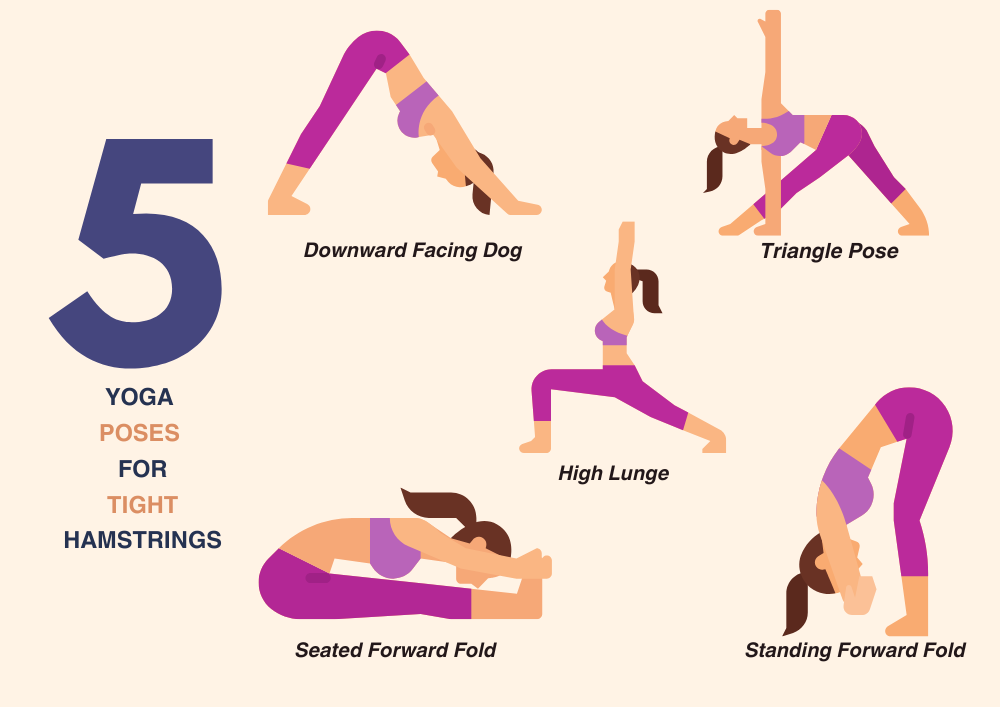
Downward Facing Dog
Downward Facing Dog is a staple pose in yoga practice. It not only stretches the hamstrings and calves but also strengthens the arms and shoulders. Start on all fours, lift your hips up, and press your heels toward the floor. Feel the stretch in your legs, and try to maintain a straight back. If you can’t touch your heels to the ground, don’t worry. This pose is a journey, not a destination.
Standing Forward Bend
Standing Forward Bend is excellent for stretching the entire back of your legs. Stand with your feet hip-width apart, bend at the hips, and let your hands reach towards the ground. You might feel tension in your hamstrings and lower back, but that’s where the magic happens. Hold this pose for a few breaths and notice the gradual release in your muscles.
Seated Forward Bend
Seated Forward Bend allows you to focus on the stretch in a seated position. Sit with your legs extended straight ahead, and fold your torso over your legs. Reach for your feet or ankles, and feel the stretch intensify in your hamstrings. This pose invites calmness and encourages a deeper connection with your body’s flexibility.
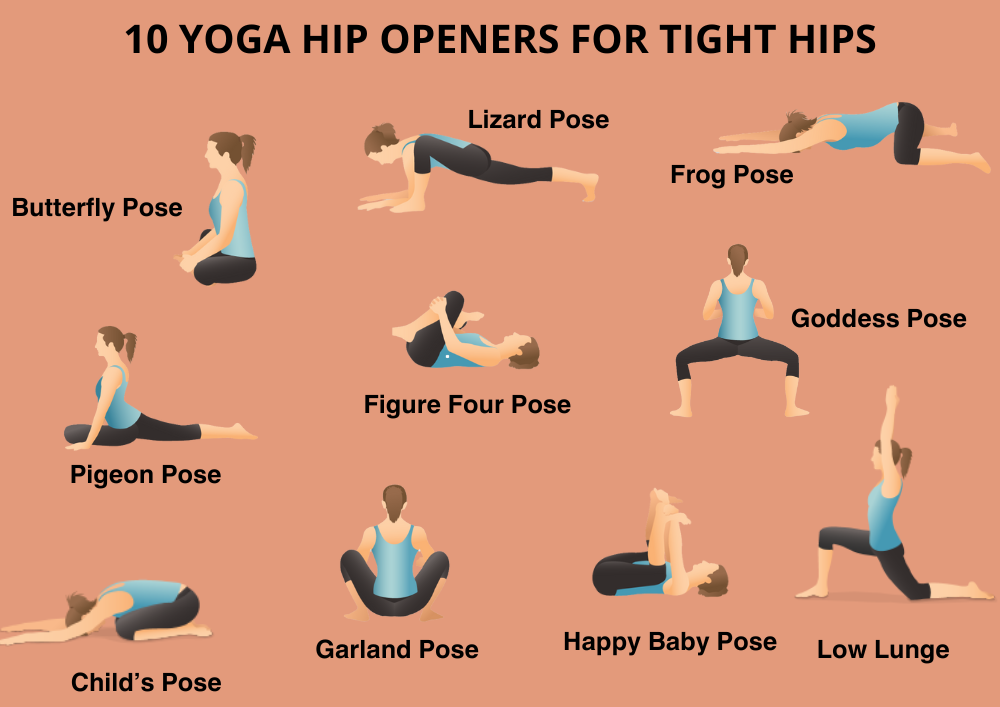
Butterfly Pose
Butterfly Pose targets your inner thighs and hips, which are often neglected in leg stretches. Sit with your feet pressed together and knees bent outward. Gently press your knees towards the ground with your hands or elbows. This pose is a reminder that flexibility involves more than just the hamstrings. It requires patience and persistence.
Have you tried incorporating these poses into your routine? Remember, consistency is key. Which pose challenges you the most, and why? Share your experiences and let’s learn together!
Credit: myyogateacher.com
Incorporating Props For Better Stretch
Enhancing flexibility in your legs through yoga can be a rewarding journey. Using props can significantly improve your stretch and provide support where needed. If you’ve ever struggled to reach your toes or felt your hamstrings tighten unbearably, yoga props might be your new best friends. They offer stability, enhance posture, and facilitate deeper stretches. Let’s explore how you can use these tools effectively for better flexibility.
Using Yoga Blocks
Yoga blocks are versatile tools that can transform your practice, especially if you’re working on leg flexibility. They act as extensions of your arms, helping you reach the ground when your fingertips can’t. Imagine holding a yoga pose like Triangle; a block can support your hand, allowing you to focus on alignment rather than straining to reach the floor.
Find the right height by placing the block in its different positions – tall, medium, or flat. Experiment with each to see which offers the best support. Whether you’re executing a deep lunge or attempting a seated forward bend, blocks can prevent injury by maintaining proper posture.
Have you ever felt unsteady in a pose due to tight muscles? Blocks can anchor your body, giving you the stability needed to relax into your stretch. This is crucial for gradually enhancing flexibility without risking a pull or strain.
Benefits Of Yoga Straps
Yoga straps offer incredible benefits for leg flexibility. They serve as a bridge between your hands and feet, helping you achieve deeper stretches. Picture yourself in a seated forward bend; using a strap allows you to gently pull your upper body forward, encouraging a deeper stretch without overextending.
Straps can also be used to maintain proper alignment. In poses where you need to bind your hands and feet, such as in a reclining leg stretch, straps ensure your posture remains intact. This helps in elongating muscles gradually, promoting flexibility safely.
Wondering how to use straps effectively? Start by looping the strap around your foot and gently pulling it towards you. This method is particularly useful for those with tight hamstrings. You can control the intensity, making sure your stretch is comfortable yet effective.
Using props like blocks and straps not only supports your practice but also opens up a world of possibilities. How will you integrate these tools into your yoga routine for better leg flexibility?
Breathing Techniques For Enhanced Flexibility
Using breathing techniques during yoga enhances leg flexibility. Deep breaths help relax muscles, allowing deeper stretches. Focus on controlled inhalations and exhalations to improve posture and flexibility.
Increasing flexibility in your legs through yoga is not just about stretching the muscles; it’s also about connecting with your breath. Breathing techniques play a crucial role in enhancing flexibility by helping you relax deeper into poses and release tension. As you learn to synchronize your breath with movement, you’ll find your muscles yielding more easily, allowing you to stretch further and maintain poses longer. Let’s explore how breathing can transform your yoga practice and unlock greater flexibility in your legs.Understanding Breath Control
Breath control, or pranayama, is a foundational aspect of yoga. It helps calm the mind and body, allowing muscles to relax and lengthen. Focus on slow, deep inhalations and exhalations. Imagine your breath as a tool to ease tension and promote fluidity in your movements.The Power Of Deep Inhalations
Deep inhalations fill your lungs with oxygen, energizing your body and preparing your muscles for stretching. As you inhale, visualize the breath traveling to the areas of tightness in your legs. This visualization can enhance the effectiveness of your stretch.Exhaling To Release Tension
Exhalations are equally important in yoga. As you exhale, focus on releasing tension from your muscles. Feel your body relax and sink deeper into the pose. Every breath out is an opportunity to let go of stiffness and create space in your joints.Syncing Breath With Movement
Integrate your breath with your yoga movements for maximum flexibility. As you transition into a pose, align your breathing with the motion. For example, when moving into a forward bend, inhale to lift and lengthen, then exhale to fold deeper. This synergy enhances your flexibility.Personal Insight: Breath And Flexibility
Reflecting on my practice, I noticed a significant difference when I focused on my breathing. By consciously breathing through each pose, I could stretch further and hold positions longer. It was a game-changer in achieving greater flexibility. Engaging with these breathing techniques can transform your yoga practice and improve your flexibility. Have you tried using breath to enhance your stretches? Consider incorporating these tips into your routine and observe the changes in your flexibility journey.
Credit: www.youtube.com
Creating A Consistent Yoga Routine
Increase leg flexibility with a consistent yoga routine. Focus on poses that stretch muscles gently. Incorporate forward bends and lunges to enhance mobility. Regular practice improves flexibility over time.
Creating a consistent yoga routine is crucial for increasing leg flexibility. Regular practice helps muscles stretch and adapt over time. Consistency builds strength and reduces stiffness. Establishing a routine also creates discipline and improves focus. To achieve flexibility, a structured approach is essential.Setting Realistic Goals
Begin with clear and achievable goals. Understand your current flexibility level. Set small, incremental targets. Avoid pushing too hard. This prevents injury and ensures steady progress. Write down your goals. This creates commitment and motivation.Tracking Progress
Monitor your development regularly. Keep a journal or use an app. Note improvements and setbacks. Track how long you hold each pose. Record any changes in comfort or ease. Celebrate small victories. This boosts morale and keeps you on track.Common Mistakes To Avoid
Overstretching can lead to injuries and setbacks. Consistent practice is essential for gradual improvement. Ignoring warm-ups can strain muscles.
Increasing flexibility in your legs through yoga can be a fulfilling journey. However, many practitioners make mistakes that can hinder their progress. Understanding these common pitfalls can help you avoid unnecessary setbacks and make your practice more effective. Let’s explore the common mistakes to avoid when working on your leg flexibility in yoga.Ignoring Warm-ups
Jumping straight into deep stretches without warming up can lead to injuries. Your muscles need time to prepare for flexibility exercises. A quick five-minute warm-up, like gentle jogging in place or light leg swings, can make a big difference.Pushing Too Hard
Many believe that pushing through pain will yield faster results. This is a misconception. Pain is your body’s way of telling you to stop. Listen to it. Gradually increase your stretch depth over time.Inconsistency In Practice
Practicing sporadically won’t yield results. Consistent practice is key. Set aside time daily or a few times a week to focus on your leg flexibility. Consistency helps build muscle memory and progress.Neglecting Breath Control
Breathing is fundamental in yoga. Holding your breath during stretches can increase tension and limit flexibility. Focus on deep, controlled breaths to help your muscles relax and stretch further.Skipping Rest Days
Overworking your muscles without rest can lead to fatigue and injury. Allow your muscles time to recover and rebuild. Rest days are as crucial as your practice days for improving flexibility.Rushing Through Poses
Spending insufficient time in each pose can hinder progress. Aim to hold stretches for at least 30 seconds to a minute. This allows your muscles to adapt and extend gradually. Avoid these common mistakes to enhance your leg flexibility in yoga. Remember, patience and consistency are your best allies. How can you adjust your routine today to better support your flexibility goals?
Credit: www.facebook.com
Advanced Techniques For Experienced Yogis
For those who have mastered the basics of yoga and are looking to challenge themselves further, advanced techniques for increasing leg flexibility can provide just the push you need. These poses not only enhance flexibility but also deepen your mind-body connection. As you progress, you’ll find that the journey is just as rewarding as the destination. Consider the following advanced poses that can transform your practice.
Pigeon Pose
Pigeon Pose is a deep hip opener that targets the glutes and hip flexors. Begin in a downward-facing dog position, then bring one knee forward, placing it behind your wrist. Ensure your back leg is extended straight behind you. Sink into the pose with each exhale, allowing gravity to do the work. Feel the stretch intensifying as you relax your upper body over the front leg. This pose can be a game-changer for your flexibility journey.
Monkey Pose
Monkey Pose, often referred to as Hanumanasana, is a challenging split pose that demands patience and practice. Start in a kneeling position, and gradually extend one leg forward while sliding the back leg behind you. Keep your hands or blocks on either side to maintain balance. With each breath, aim to lower your hips closer to the ground. It’s a testament to perseverance and can dramatically increase leg flexibility over time.
Role Of Nutrition In Flexibility
Role of Nutrition in Flexibility Eating right helps improve leg flexibility in yoga. Proteins and vitamins support muscle recovery. Hydration keeps joints moving smoothly.
Increasing flexibility in your legs through yoga is not just about the poses and stretches. What you eat plays a significant role in how flexible you can become. Nutrition can be a game-changer in your journey to greater flexibility. What you put into your body affects your muscles, and the right nutrients can make them more pliable and responsive to stretching.Hydration: The Foundation Of Flexibility
Staying well-hydrated is crucial for maintaining muscle elasticity. Water helps transport nutrients to your muscles, keeping them nourished and ready for those deep stretches in yoga. Aim for at least 8-10 glasses of water per day. You might notice a difference in your flexibility as your muscles remain supple and well-hydrated.Incorporating Anti-inflammatory Foods
Inflammation can be a barrier to flexibility. Foods like berries, fatty fish, and leafy greens can help reduce inflammation. Adding these to your diet might make your muscles feel less stiff, allowing for better stretch and movement during yoga sessions.Protein For Muscle Repair And Growth
Protein is essential for repairing muscles after intense yoga sessions. Including sources like lean meats, beans, or tofu can aid in muscle recovery. This might lead to improved flexibility as your muscles become stronger and more resilient.The Magic Of Omega-3 Fatty Acids
Omega-3s, found in fish like salmon and nuts, play a role in keeping your joints lubricated. Well-lubricated joints can enhance your range of motion, making those challenging yoga poses more accessible. Including omega-3-rich foods can be a simple yet effective way to support your flexibility goals.Vitamins And Minerals: The Unsung Heroes
Vitamins such as Vitamin D and calcium are crucial for bone health, which supports your overall flexibility. Leafy greens, dairy, and sunlight are great sources. Ensuring you get enough can help maintain the structural integrity necessary for flexible movements.Listening To Your Body’s Needs
Your body might crave certain nutrients more than others. Pay attention to what your body needs and how it responds to different foods. Could there be a specific nutrient you’re lacking that could boost your flexibility?Creating A Balanced Diet For Maximum Flexibility
A balanced diet, rich in varied nutrients, supports overall health and flexibility. Focus on whole foods, varying your meals to include fruits, vegetables, lean proteins, and healthy fats. This comprehensive approach can enhance your yoga practice by ensuring your body is well-fueled and ready to stretch to its potential. Are you considering any changes to your diet to improve your flexibility?Frequently Asked Questions
What Are The Best Yoga Poses For Leg Flexibility?
Yoga poses like Downward Dog, Forward Bend, and Pigeon Pose enhance leg flexibility. These poses stretch hamstrings, calves, and hips. Practicing regularly can improve range of motion. Incorporate deep breathing to release tension. Consistency is key to achieving noticeable results in leg flexibility.
How Often Should I Practice Yoga For Flexibility?
Practicing yoga three to five times weekly boosts flexibility. Regular practice helps muscles adapt and stretch. Short daily sessions can be effective too. Listen to your body and avoid overstretching. Gradual progression ensures safe and sustainable flexibility improvement.
Can Beginners Improve Leg Flexibility With Yoga?
Yes, beginners can enhance leg flexibility through yoga. Start with gentle poses and progress gradually. Consistent practice builds strength and flexibility. Focus on breathing and alignment for safety. Patience and regularity lead to significant improvements over time.
Is Yoga Safe For Leg Flexibility Improvement?
Yoga is generally safe for improving leg flexibility. Ensure correct posture to avoid injury. Modify poses to suit your level. Consult a professional if unsure. Listening to your body is crucial for safe practice. Gradual progression is important for safe flexibility enhancement.
Conclusion
Increasing leg flexibility with yoga is achievable and rewarding. Consistent practice leads to improvement. Start with basic poses. Gradually introduce more challenging ones. Listen to your body and avoid overstretching. Patience is crucial in your journey. Regular yoga not only boosts flexibility but also reduces stress.
Improved flexibility enhances daily activities. It contributes to overall well-being. Remember, progress takes time. Stay committed and enjoy each step. Celebrate small victories along the way. With dedication, you’ll feel the benefits. Yoga can transform your flexibility and life. Embrace the process and stay motivated.