
Are you looking to boost your athletic performance and outshine the competition? Whether you’re a weekend warrior or a dedicated athlete, improving your performance in sports can feel like a daunting challenge.
But imagine the thrill of hitting that personal best or crossing the finish line with newfound speed and agility. This article is crafted just for you. We’ll dive into simple, actionable strategies that can elevate your game to the next level.
You’ll discover how small tweaks in your routine can lead to big results, making every training session count. Keep reading to unlock the secrets that top athletes use to gain their competitive edge and transform your performance from good to extraordinary.
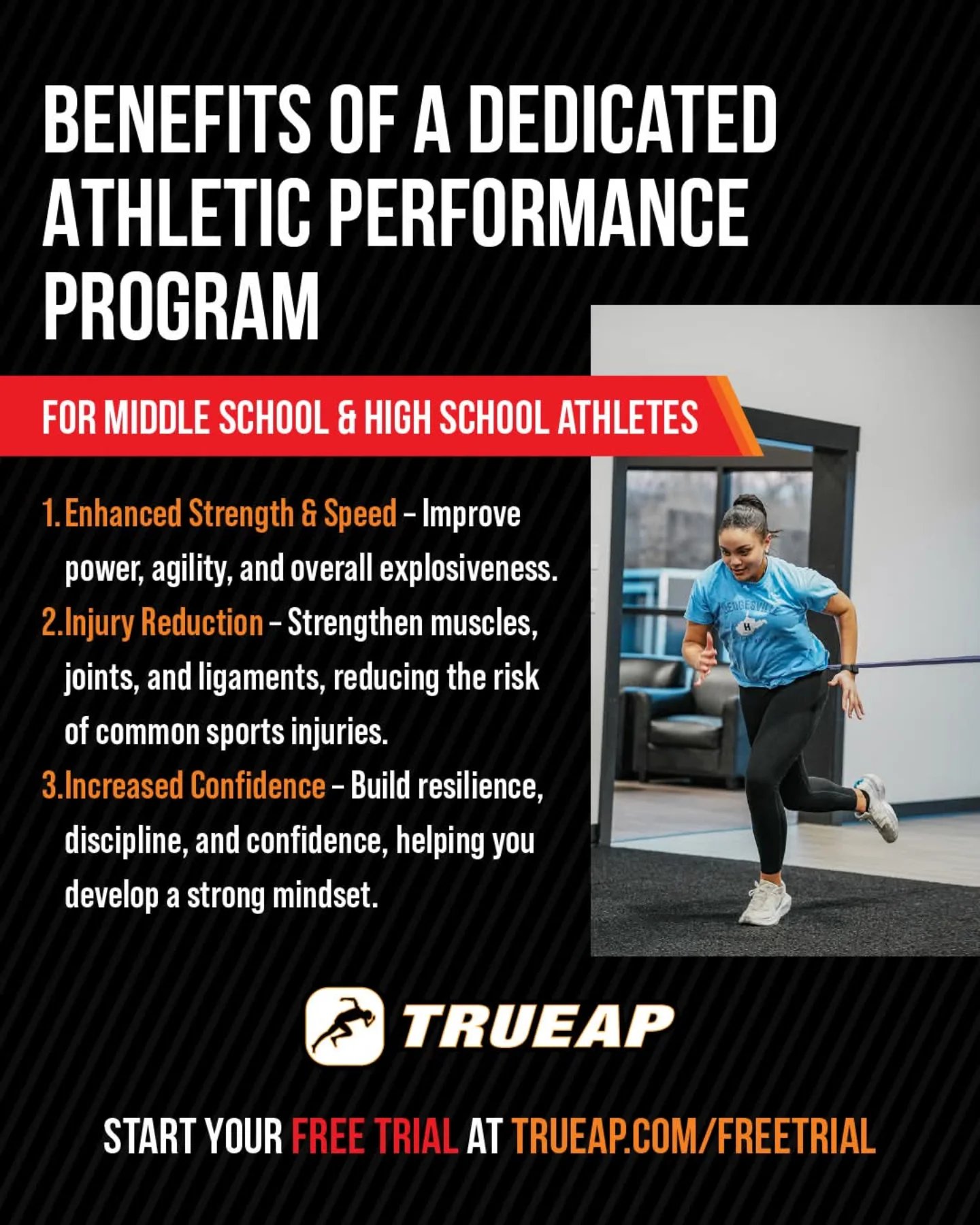
Credit: www.facebook.com
Physical Conditioning
Physical conditioning is crucial for improving sports performance. It prepares your body to handle intense activity and reduces injury risk. A well-rounded conditioning program includes strength, endurance, and flexibility exercises. These components help athletes perform their best.
Strength Training
Strength training builds muscle power. It involves lifting weights or using resistance bands. Strong muscles improve speed and agility. They also support joints and prevent injuries. Start with basic exercises like squats and lunges. Gradually increase weights as strength improves. Consistency is key. Aim for two to three sessions a week.
Cardiovascular Endurance
Cardiovascular endurance boosts stamina. It helps maintain energy during long games or matches. Running, cycling, and swimming are great options. These activities strengthen your heart and lungs. Aim for at least 30 minutes of cardio exercise, four times a week. Mix different activities to keep workouts interesting. Track progress and set new goals regularly.
Flexibility And Mobility
Flexibility and mobility enhance movement. Stretching keeps muscles loose and joints healthy. Yoga and Pilates improve flexibility. They also increase balance and coordination. Start with simple stretches like toe touches and arm circles. Hold each stretch for 15 to 30 seconds. Practice daily to see improvement. Incorporate dynamic stretches before workouts.
Mental Preparation
Mental preparation plays a crucial role in sports performance. Athletes often focus on physical training, but mental readiness is equally important. It helps in maintaining focus, confidence, and composure. Let’s explore some key aspects of mental preparation that can enhance sports performance.
Goal Setting
Setting clear goals gives direction and motivation. It helps athletes to stay focused. Goals should be specific, measurable, and achievable. Break larger goals into smaller, manageable tasks. Celebrate small victories to maintain motivation. Write down goals to make them more tangible and real.
Visualization Techniques
Visualization is a powerful mental tool. Athletes imagine themselves succeeding in their sport. This practice boosts confidence and reduces anxiety. Picture every detail, including sights and sounds. Visualization helps in improving muscle memory and technique. Regular practice enhances the effectiveness of this technique.
Stress Management
Sports can be stressful. Managing stress is vital for peak performance. Deep breathing exercises help calm the mind. Practice mindfulness to stay present and focused. Develop a pre-performance routine to ease nerves. Remember, a relaxed mind can perform better under pressure.
Nutrition And Hydration
Nutrition and hydration are crucial for any athlete striving to enhance performance. Proper intake of nutrients and fluids can significantly influence energy levels, recovery, and overall athletic success. Understanding the role of a balanced diet, the significance of hydration, and the impact of supplements can be transformative.
Balanced Diet For Athletes
A balanced diet fuels the body effectively. It provides essential nutrients for energy and muscle repair. Carbohydrates are vital for energy. Proteins support muscle growth and repair. Fats offer long-term energy and help absorb vitamins. Incorporating a variety of fruits, vegetables, and lean proteins ensures athletes receive necessary vitamins and minerals. Whole grains and healthy fats should also be included. Eating regular meals maintains energy throughout the day.
Importance Of Hydration
Hydration plays a key role in performance. Water regulates body temperature and lubricates joints. It also helps transport nutrients to cells. Dehydration can lead to fatigue and decreased performance. Athletes should drink water before, during, and after exercise. Electrolytes in sports drinks aid in maintaining fluid balance. Monitoring urine color can help assess hydration levels. Light-colored urine usually indicates proper hydration.
Supplements And Performance
Supplements can support athletic performance. Protein powders help meet increased protein needs. Creatine is popular for strength and muscle mass gains. Omega-3 supplements reduce inflammation and improve heart health. Athletes should choose supplements carefully. Consult a healthcare provider to ensure safety. Natural food sources should always be prioritized over supplements. Supplements are most effective when paired with a balanced diet.
Skill Development
Enhancing sports performance involves dedicated skill development. Practice regularly to improve techniques and boost endurance. Focus on specific drills to build strength and agility.
Skill development plays a crucial role in improving sports performance. It involves refining techniques, practicing drills, and receiving feedback. These elements help athletes enhance their capabilities and achieve peak performance.Technique Improvement
Technique improvement is vital in any sport. Proper techniques lead to efficiency and reduced injury risks. Start with mastering the basics. Perfect the fundamental skills before advancing. Watch skilled athletes perform. Observe their movements and mimic their methods. Video tutorials can also be helpful. They provide visual guidance for better understanding. Consistent practice of correct techniques builds muscle memory. This makes execution instinctive during competitions.Drills And Practice
Drills are essential for reinforcing skills. They help in building stamina and agility. Create a routine that includes varied drills. This keeps the practice sessions engaging. Focus on specific skills each session. It might be passing in soccer or shooting in basketball. Repetition is key. It solidifies skills and boosts confidence. Practice sessions should mimic real-game scenarios. This prepares athletes for actual competition conditions.Feedback And Analysis
Feedback is crucial for improvement. Coaches or peers can provide valuable insights. Listen to constructive criticism and apply it. Self-analysis is also important. Record your performance during practice. Review the footage to spot mistakes. Note areas needing improvement and work on them. Use performance metrics for detailed analysis. Track progress and set realistic goals. This helps in understanding strengths and weaknesses.Recovery And Rest
Proper recovery and rest boost sports performance significantly. Quality sleep repairs muscles and restores energy levels efficiently. Incorporating rest days prevents overtraining and enhances overall endurance.
Recovery and rest are vital components of any athlete’s training regimen. Often overlooked, they play a crucial role in enhancing performance and preventing injuries. Without proper recovery, even the most rigorous training sessions can become counterproductive. Prioritizing rest can be the difference between success and burnout. How do you ensure you’re giving your body the recovery it needs?Sleep And Performance
Sleep is a cornerstone of recovery. It aids in muscle repair and memory consolidation, both essential for athletic performance. Aim for 7-9 hours of quality sleep each night to maximize these benefits. Consider creating a bedtime routine to signal your body it’s time to wind down. This might include dimming the lights, reading a book, or taking a warm bath. Small changes in your sleep environment can lead to big improvements in your performance.Injury Prevention
Preventing injuries is easier than dealing with them after they occur. Consistent rest periods allow your muscles to recover and grow stronger, reducing the risk of injury. Listen to your body’s signals—pain and fatigue are indicators that you may need more rest. Integrate rest days into your schedule and use them to focus on gentle activities that promote relaxation and healing.Active Recovery Methods
Active recovery involves low-intensity exercises that keep you moving without straining your body. Activities like yoga, swimming, or light cycling can enhance circulation and reduce stiffness. Incorporate stretching sessions to improve flexibility and prevent muscle tightness. Engaging in these activities not only aids recovery but keeps your mind refreshed and motivated. Which active recovery method could you add to your routine today for a balanced training experience? By integrating these recovery strategies, you can boost your athletic performance while maintaining overall health. Remember, rest is not a weakness—it’s a vital part of becoming a stronger athlete.
Credit: www.youtube.com
Technology And Equipment
In the modern sports world, technology and equipment play a crucial role. Athletes rely on cutting-edge tools to enhance their performance. From wearable devices to advanced sports gear, technology is transforming how athletes train and compete. These innovations provide insights and support that were once unimaginable.
Wearable Technology
Wearable tech is now a staple for athletes. Devices like fitness trackers and smartwatches monitor vital stats. Heart rate, calories burned, and steps are all tracked. This data helps athletes improve their training routines. Many wearables also offer real-time feedback. They alert athletes about their performance instantly. Such insights are valuable for making immediate adjustments.
Sports Equipment Advancements
Sports equipment has seen significant upgrades. Lightweight materials improve agility and speed. For example, running shoes now have better cushioning. This reduces impact and enhances comfort. Tennis rackets and golf clubs are more aerodynamic. These changes help athletes perform with precision. Equipment tailored to an athlete’s needs can make a difference.
Data Analysis In Sports
Data analysis is key in sports training. Coaches and athletes use data to refine strategies. Software programs analyze player movements and strategies. This helps in identifying strengths and weaknesses. Teams use this data to devise game plans. It ensures optimal performance during competitions. Data-driven decisions lead to better outcomes on the field.
Coaching And Support
Enhancing sports performance needs effective coaching and support. Tailored guidance boosts skills and strengthens mental resilience. Consistent feedback fosters improvement and builds confidence.
In the world of sports, the journey to achieving peak performance is not a solo endeavor. The right coaching and support systems can be the catalyst that propels you to new heights. From understanding the pivotal role of a coach to leveraging team dynamics, and engaging in mentoring relationships, each element plays a crucial part in honing your skills and boosting your morale.Role Of A Coach
A coach is more than just a person who instructs you on the field. They are mentors who guide you through the ups and downs of your sports career. A good coach understands your strengths and weaknesses, helping you refine your techniques while instilling discipline and motivation. Consider how a coach’s feedback can be the difference between stagnation and progress. Their experience offers you a roadmap to success, helping you navigate challenges with confidence. Are you making the most of the insights your coach provides?Team Support Systems
Team support systems create a nurturing environment where each member feels valued and motivated. It involves building a culture of trust, open communication, and collective goals. When team members support each other, it fosters a sense of belonging that enhances performance. Imagine the power of a team that celebrates victories together and supports each other in failures. Does your team have a support system that elevates everyone’s game?Mentoring And Peer Support
Mentoring goes beyond formal coaching, offering personalized guidance from experienced individuals. A mentor can provide you with insights that are not always visible in the heat of competition. They help you develop a strategic mindset and offer encouragement when you need it the most. Peer support, on the other hand, involves learning from those around you. Sharing experiences and tips with teammates can lead to unexpected breakthroughs. Who in your circle can you learn from or offer support to today? Incorporating these elements of coaching and support can significantly enhance your performance in sports. The journey is challenging, but with the right guidance and a supportive team, you are more likely to reach your goals.
Credit: www.utahyouthsoccer.net
Frequently Asked Questions
How To Boost Sports Performance Quickly?
Boost sports performance by focusing on proper nutrition, regular training, and adequate rest. Incorporate strength and conditioning exercises to enhance physical capabilities. Stay hydrated and manage stress levels to maintain peak performance. Using performance-enhancing techniques, like visualization, can also help improve mental focus and endurance.
What Exercises Improve Sports Performance?
Exercises like strength training, agility drills, and aerobic workouts enhance sports performance. Incorporate plyometric exercises to improve explosiveness and power. Flexibility exercises, such as yoga, help prevent injuries and improve overall movement efficiency. Tailor your exercise routine to match the specific demands of your sport.
How Does Nutrition Affect Sports Performance?
Nutrition plays a crucial role in sports performance by providing necessary energy and nutrients. A balanced diet supports muscle recovery and growth. Consuming carbohydrates before exercise boosts energy levels. Protein intake aids in muscle repair, while healthy fats enhance endurance.
Hydration is essential for maintaining performance and preventing fatigue.
Why Is Rest Important For Athletes?
Rest is vital for athletes as it allows muscles to recover and grow stronger. Adequate sleep improves mental focus and reduces injury risks. Regular rest periods prevent burnout and enhance overall performance. Incorporating rest days into training routines ensures sustainable progress and long-term athletic success.
Conclusion
Improving sports performance requires consistent effort and smart strategies. Start with clear goals. Practice regularly and focus on technique. Nutrition and rest are essential too. They help the body recover and grow stronger. Mental strength also plays a vital role.
Stay positive and manage stress effectively. Seek feedback from coaches or peers. This can pinpoint areas for improvement. Remember, progress takes time. Be patient and persistent. Small steps lead to big achievements. Celebrate every milestone, no matter how small. Keep learning and adapting.
With dedication and the right approach, performance can always improve.