Are you feeling stiff and struggling to touch your toes during yoga? You’re not alone.
Many yoga enthusiasts, whether beginners or seasoned practitioners, often find flexibility to be a challenging aspect of their practice. However, improving your flexibility is not just about performing complex poses; it’s about enhancing your overall well-being and unleashing your body’s full potential.
Imagine effortlessly flowing into each pose, feeling lighter, and experiencing fewer aches and pains. Wouldn’t that be amazing? This article will guide you through simple, effective strategies to boost your flexibility, making your yoga sessions more enjoyable and rewarding. Get ready to discover the secrets that could transform your yoga practice and help you move with greater ease and confidence.
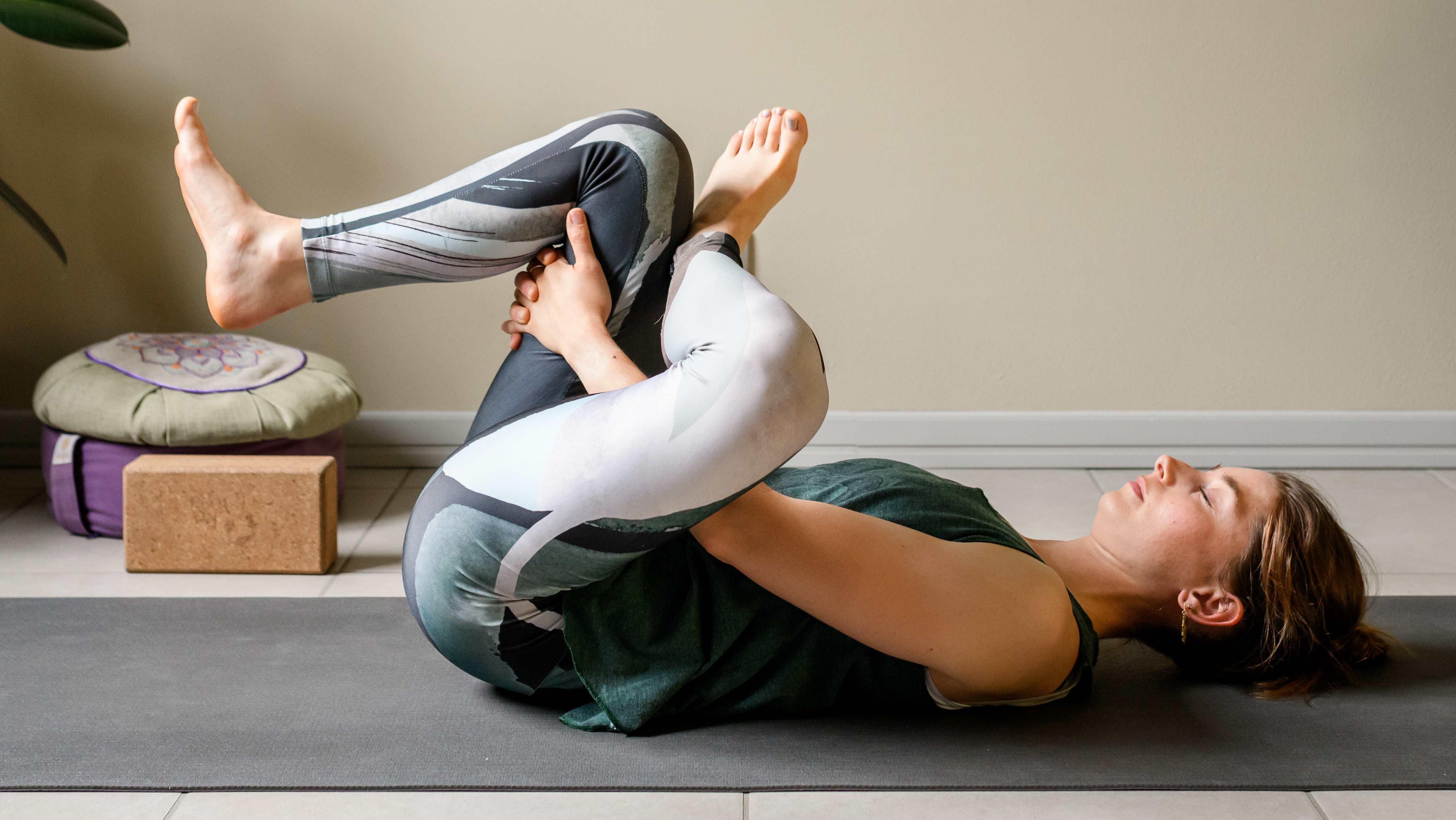
Credit: www.fitandwell.com
Benefits Of Flexibility In Yoga
Improving flexibility for yoga enhances posture and reduces injury risk. Simple stretches and consistent practice can make a big difference. Over time, muscles become more pliable, aiding in deeper poses and better balance.
Flexibility in yoga is more than just being able to touch your toes. It opens a door to a world of benefits that enhance both your physical and mental well-being. Embracing flexibility can lead to a more fulfilling yoga practice, allowing you to explore deeper poses and experience less discomfort. Let’s dive into how improving your flexibility can transform your yoga journey.Improved Range Of Motion
As you increase your flexibility, you’ll notice a significant improvement in your range of motion. This means you can move more freely and perform yoga poses with greater ease. Imagine being able to reach further or bend deeper without feeling restricted. A flexible body not only helps in yoga but also in everyday activities, making movements smoother and more natural.Enhanced Muscle Strength
Flexibility and strength often go hand in hand. As your muscles become more flexible, they also grow stronger. This balance between strength and flexibility is crucial in yoga, as it allows you to hold poses longer and with better form. Strengthening your muscles through flexibility can also reduce the risk of injuries and improve overall posture.Reduced Stress And Tension
Flexibility doesn’t just benefit your physical body; it also impacts your mental state. When your muscles are less tense, you’ll find it easier to relax and unwind. Yoga poses that emphasize stretching can help release stored tension, leading to a calmer mind and a more peaceful practice. Have you ever felt a wave of relaxation wash over you after a good stretch? That’s your body letting go of stress.Better Circulation
Improved flexibility can boost your circulation, ensuring that oxygen and nutrients reach your muscles more efficiently. This enhancement in blood flow can lead to quicker recovery times and increased energy levels. You might notice that you feel more revitalized after your yoga sessions, ready to tackle the rest of your day with vigor.More Enjoyable Practice
Ultimately, flexibility can make your yoga practice more enjoyable. When you’re not limited by stiffness, you can explore poses with curiosity and confidence. This freedom in movement can lead to a more rewarding experience, encouraging you to return to the mat with enthusiasm. Isn’t it exciting to think about what new poses you might be able to try as your flexibility improves? Incorporating flexibility into your yoga routine can be a game-changer. Whether you’re a beginner or a seasoned yogi, the benefits of flexibility can enhance your practice and enrich your life. So, why not start stretching today and see where it takes you?Common Flexibility Challenges
Improving flexibility for yoga can be challenging. Tight muscles and joints often hinder progress. Regular stretching and focused exercises help ease these difficulties.
Improving flexibility for yoga is a journey that many embark on with enthusiasm, only to be met with unexpected challenges. These challenges can be discouraging, but understanding them is the first step to overcoming them. You might find that certain areas of your body are more resistant to stretching than others, or that old injuries create barriers. Don’t worry, you’re not alone. Let’s dive into some common flexibility challenges and how you can tackle them.Understanding Muscle Stiffness
Muscle stiffness is often the first hurdle. After years of a sedentary lifestyle or repetitive movement patterns, your muscles can become tight and resistant to change. Regular stretching can help, but it needs to be consistent. Set aside just ten minutes a day to focus on areas that feel the tightest.Dealing With Joint Restrictions
Sometimes, it’s not the muscles but the joints that limit your flexibility. If you feel a block when moving into certain poses, consider focusing on joint mobility exercises. Simple circles or rotations can help lubricate the joints and increase your range of motion over time.Overcoming Mental Barriers
Flexibility isn’t just physical. Mental blocks can prevent progress. If you find yourself hesitating to push further, ask why. Are you afraid of injury, or do you lack confidence? Identifying these fears allows you to address them directly and practice with more intention.Addressing Previous Injuries
Old injuries can make certain movements painful or uncomfortable. It’s crucial to listen to your body and modify poses as needed. Consulting a physiotherapist can provide personalized stretches that safely improve flexibility in compromised areas.Recognizing Imbalance Between Sides
You might notice one side of your body is more flexible than the other. This imbalance is common and can be due to dominant-side usage in daily activities. Make a conscious effort to stretch the tighter side more during your practice, promoting balance over time. By acknowledging these challenges, you can create a more effective and enjoyable yoga practice. Flexibility is a gradual process, and with patience and perseverance, you can overcome these obstacles. How will you adjust your routine to improve flexibility today?Warm-up Techniques
Preparing your body for yoga enhances flexibility and prevents injury. Warm-up techniques are essential for achieving fluid movements during your practice. They prepare your muscles and joints, making each pose more effective.
Dynamic Stretching
Dynamic stretching involves active movements that help increase muscle temperature. Perform arm circles to loosen shoulder joints. Leg swings improve hip flexibility. These stretches elevate your heart rate gently, preparing your body for deeper poses.
- Begin with gentle arm circles.
- Include leg swings for hip mobility.
- Incorporate torso twists for spine flexibility.
Breathing Exercises
Breathing exercises calm the mind and enhance focus. Deep inhalations through the nose expand the lungs. Slow exhalations through the mouth release tension. This practice helps synchronize your breath with movement.
- Start with deep nose inhalations.
- Follow with slow mouth exhalations.
- Repeat to improve concentration and relaxation.

Credit: www.youtube.com
Stretching Exercises
Improving your flexibility for yoga is a journey that can transform your practice and everyday life. Stretching exercises play a vital role in this transformation, enabling you to move with ease and grace. Whether you’re a seasoned yogi or a beginner, incorporating targeted stretches can enhance your flexibility, reduce injury risks, and deepen your poses.
Hamstring Stretches
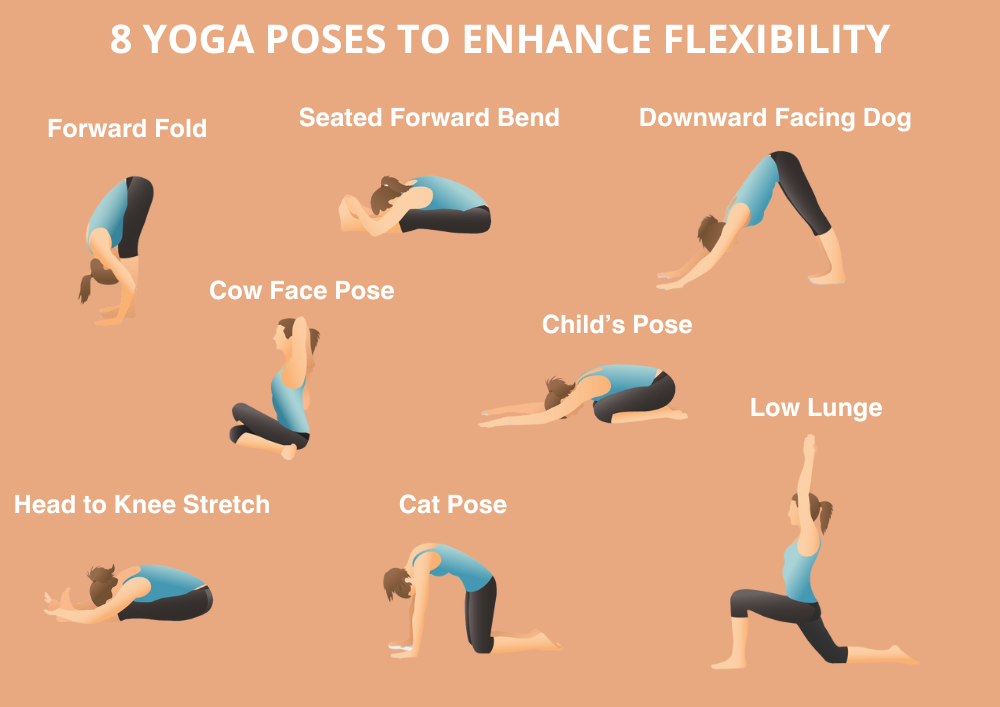
Hamstrings can often be tight, restricting your forward folds and other poses. Simple stretches like the seated forward bend can make a significant difference. Sit with your legs extended and gently reach for your toes. Feel the stretch in your hamstrings and breathe deeply.
Try standing forward bends. These are excellent for stretching hamstrings and easing tension in your back. Stand with feet hip-width apart, bend forward, and let your arms hang. Don’t force the stretch; let gravity do the work.
Yoga blocks can assist in stretches by providing support. Use them under your hands if you can’t reach the floor in a forward bend. Over time, you’ll notice increased flexibility.
Hip Openers
Your hips are central to your flexibility journey. Try poses like the pigeon pose, which targets hip muscles deeply. Place one leg forward and the other stretched behind you, letting your hips sink into the stretch.
Butterfly stretches are another great option. Sit with the soles of your feet together, letting your knees fall to the sides. Lean forward slightly, feeling the stretch in your inner thighs and hips.
Consider incorporating lunges into your routine. They provide a dynamic stretch that opens up your hips and prepares your body for deeper yoga poses.
Shoulder And Back Flexibility
Shoulders and back flexibility are crucial for poses like downward dog and backbends. Start with simple shoulder stretches by extending one arm across your body and gently pulling it closer with the other hand.
Cobra pose is effective for increasing back flexibility. Lie on your stomach, place your hands under your shoulders, and gently lift your upper body. Feel the stretch along your spine.
Cat-cow stretches offer a dynamic way to enhance back flexibility. Position yourself on all fours, arching and rounding your back in rhythmic movements. This not only boosts flexibility but also relieves tension.
As you incorporate these stretching exercises, ask yourself: How is my body responding to these movements? Pay attention to the sensations and progress. Your yoga practice will evolve, and your body will thank you.
Incorporating Props
Incorporating props like blocks or straps can enhance yoga flexibility. These tools aid in deeper stretches and provide support, making challenging poses accessible. Using props promotes proper alignment and reduces strain, allowing smoother transitions in your practice.
Incorporating props in your yoga practice can enhance flexibility. Props offer support and stability. They help you reach deeper stretches comfortably. Using props reduces the risk of injury. They make challenging poses more accessible. Beginners and advanced yogis can both benefit from props.Using Blocks
Yoga blocks support your body in various poses. They bridge the gap between the floor and your hands. This is useful in poses like Triangle or Half Moon. Blocks help maintain balance and alignment. They assist in achieving correct postures. Use them under your hands, feet, or seat. This elevates your body and improves flexibility over time. Blocks are versatile and lightweight. They come in different materials like foam or cork.Straps For Deeper Stretches
Yoga straps extend your reach. They are perfect for those with tight muscles. Straps help in poses like Seated Forward Bend. Loop a strap around your feet to pull gently. This deepens the stretch without strain. Straps also aid in shoulder stretches. They help maintain alignment in poses like Cow Face. Adjust the strap length to your comfort. Straps are adjustable and portable. They are a must-have for enhancing flexibility.Consistency And Routine
Building flexibility for yoga requires consistency and routine. Incorporate daily stretching exercises into your schedule. Gradually increase the intensity to improve your flexibility.
Consistency and routine are the backbone of improving flexibility for yoga. Establishing a regular practice not only enhances your physical capabilities but also deepens your understanding of yoga. By committing to a daily routine, you cultivate discipline, which is essential for gradual progress and long-term benefits.Daily Practice Tips
To make flexibility gains, incorporate yoga into your daily life. Start with short sessions, perhaps 10-15 minutes, to build the habit without overwhelming yourself. Use online resources or apps that provide guided sessions to keep your practice varied and engaging. Find a time that works best for you and stick to it. Morning practices can invigorate your day, while evening sessions may help you unwind. Whatever you choose, consistency is key. Set realistic goals for each session. Focus on stretching a bit further than the day before, and listen to your body. Progress is made through small, steady steps.Tracking Progress
Monitoring your progress is crucial for motivation and improvement. Keep a journal to note changes in your flexibility and how you feel after each session. This practice can provide insights into what works best for your body. Consider taking photos or videos of your poses. Visual records can be powerful tools to see how far you’ve come, especially on days when progress feels slow. Create a checklist of poses you wish to improve. Mark them off as you notice enhancements, which can be incredibly satisfying and encouraging. How will you know if you’re truly improving without tracking your journey? By consistently documenting your efforts, you not only witness your growth but also build a deeper connection with your practice.Listening To Your Body
Listening to your body is key to improving flexibility for yoga. Pay attention to any discomfort or resistance. Slowly increase your stretches, allowing muscles to adapt and grow.
Listening to your body is essential for improving flexibility in yoga. It helps prevent injury and enhances your practice. Your body communicates through various signals. Understanding these signals can lead to a safer and more effective yoga experience.Avoiding Overstretching
Overstretching can harm muscles and joints. It is crucial to approach flexibility gradually. Pushing too hard can lead to strains or tears. Instead, ease into poses slowly. Focus on gradual progress and listen for any signs of discomfort.Recognizing Pain Vs. Discomfort
Pain and discomfort are different. Pain is sharp or intense. It signals that something is wrong. Discomfort is mild and can occur as muscles stretch. Learning to differentiate the two is important. Stop if you feel pain and adjust your pose. This helps in maintaining a safe practice.Nutrition And Hydration
Proper nutrition and hydration are essential for enhancing flexibility in yoga. Eating balanced meals and drinking enough water helps muscles stay relaxed and responsive. This supports smoother and safer movements during yoga practice.
Improving flexibility for yoga requires more than just stretching exercises. Nutrition and hydration play a crucial role in enhancing your body’s ability to bend and stretch comfortably. Proper nutrition fuels your muscles and joints, making them more pliable. Staying hydrated ensures your tissues remain elastic and responsive. Let’s explore how diet and water intake can support your yoga journey.Foods For Flexibility
Certain foods help improve flexibility. Include these in your daily diet:- Leafy greens like spinach and kale provide magnesium for muscle relaxation.
- Fruits such as bananas offer potassium, preventing cramps.
- Fatty fish like salmon contain omega-3s, reducing inflammation.
- Nuts and seeds are rich in healthy fats, supporting joint health.
- Whole grains provide energy for prolonged yoga sessions.
Importance Of Staying Hydrated
Hydration is essential for flexibility. Water keeps your muscles supple and joints lubricated. Dehydrated tissues become stiff, reducing range of motion. Aim to drink eight glasses of water daily. Consuming herbal teas can also contribute to hydration. Coconut water is another great option, replenishing electrolytes lost during exercise. Keep a water bottle handy during your yoga sessions. Hydrate before, during, and after practice. This maintains fluid balance in your body. Proper hydration supports muscle elasticity and joint mobility, enhancing your yoga experience.Expert Advice And Resources
Discover expert tips and resources to enhance your yoga flexibility. Incorporate daily stretching routines and focus on deep breathing techniques. Utilize online classes and tutorials for guided practice and progress tracking.
Improving flexibility for yoga requires expert guidance and reliable resources. These help to safely enhance your practice, avoid injuries, and deepen poses. Access to professional advice and curated materials can make a significant difference in your journey.Seeking Professional Guidance
Consulting a yoga instructor can be very beneficial. They provide personalized tips tailored to your body. They can identify areas that need focus and suggest exercises. Group classes offer a supportive environment. You learn from others and share experiences. Private sessions give individual attention. This helps in addressing specific concerns. A professional can guide you in setting realistic goals. This ensures steady progress in flexibility.Recommended Books And Videos
Books and videos offer valuable insights into yoga flexibility. They provide a structured approach to learning. Many authors share their expert techniques. These resources cover anatomy, poses, and breathing. Videos demonstrate correct alignment and posture. This visual aid helps in understanding complex movements. Look for materials with clear instructions. They should be easy to follow and suitable for beginners. Online platforms offer a variety of yoga tutorials. Choose content that matches your skill level.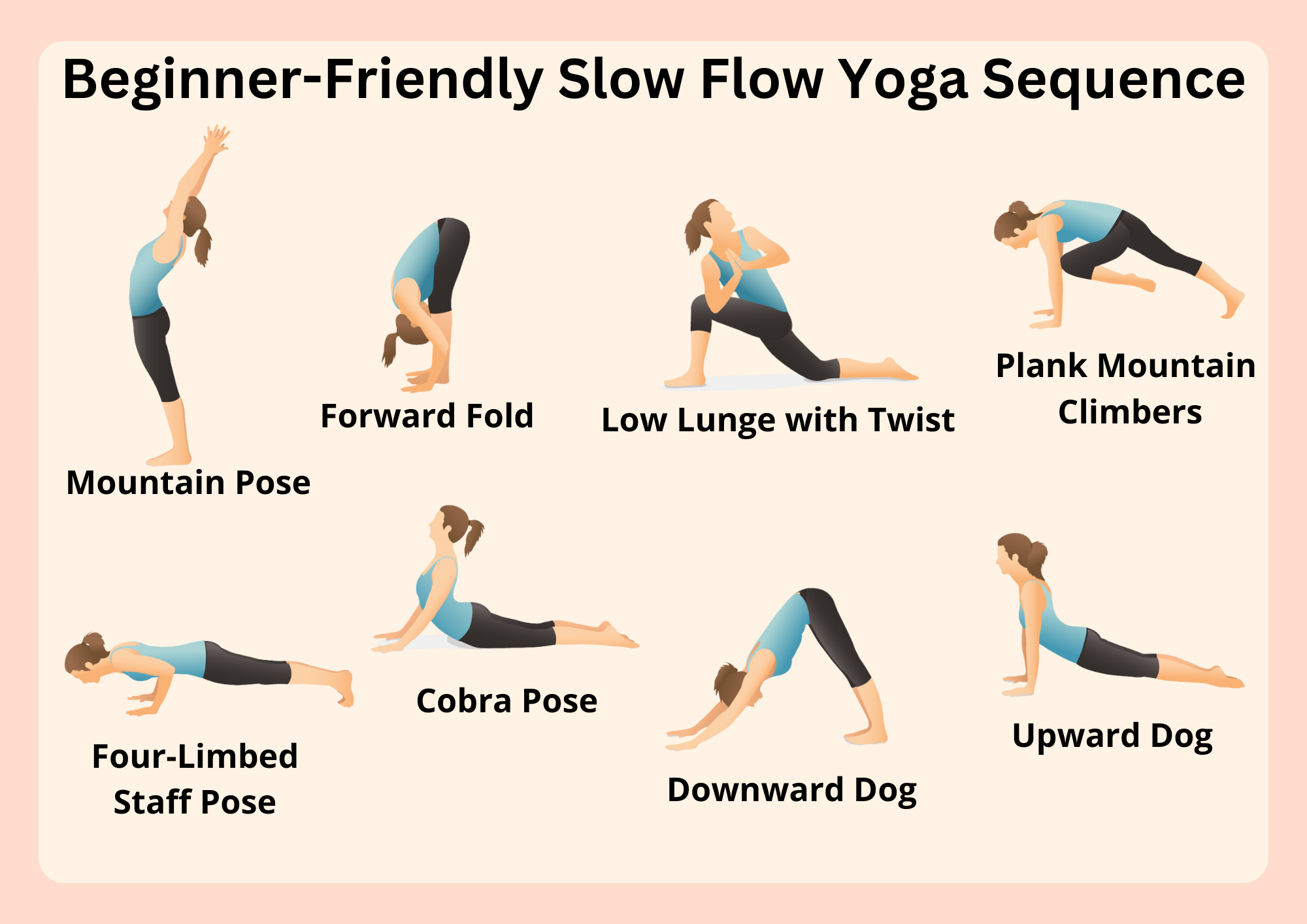
Credit: myyogateacher.com
Frequently Asked Questions
What Are The Best Yoga Poses For Flexibility?
The best yoga poses for flexibility include Downward Dog, Pigeon Pose, and Forward Bend. These poses target different muscle groups and help improve overall flexibility. Incorporate these into your routine regularly for maximum benefits.
How Often Should I Practice Yoga For Flexibility?
To improve flexibility, practice yoga at least three times a week. Consistency is key to seeing results and maintaining progress. Combine your practice with proper breathing techniques for optimal flexibility improvement.
Can Beginners Improve Flexibility With Yoga?
Yes, beginners can improve flexibility with yoga. Start with simple poses and gradually increase complexity. Over time, your flexibility will improve as your body adjusts to the movements.
What Is The Role Of Breathing In Yoga Flexibility?
Breathing plays a crucial role in yoga flexibility. It helps relax muscles and enhances focus during poses. Deep, controlled breathing aids in stretching and improves flexibility over time.
Conclusion
Improving flexibility in yoga takes patience and practice. Start with simple stretches daily. Gradually increase duration and intensity as you progress. Listen to your body’s limits to avoid injury. Consistency is key; don’t rush results. Practice breathing exercises to help relax muscles.
Hydration and proper nutrition support flexibility. Stretching aids recovery after workouts. Join yoga classes for guidance and motivation. Share your journey with friends for support. Remember, every small step counts. Enjoy the process and celebrate progress. Flexibility enhances yoga experience and overall well-being.
Keep moving forward and embrace each stretch.