
Are you feeling winded after climbing a flight of stairs or struggling to keep up with your kids during playtime? If so, boosting your cardiorespiratory endurance might just be the game-changer you need.
Imagine powering through your day with more energy, breathing easier, and feeling healthier overall. Improving your cardiorespiratory endurance can transform your daily life and make those exhausting moments a thing of the past. You’ll discover simple yet effective strategies to enhance your endurance, helping you feel more vibrant and alive.
Keep reading to unlock the secrets to a fitter, more energetic you!
Benefits Of Cardio Respiratory Endurance
Improving cardio respiratory endurance boosts energy and strengthens the heart and lungs. Regular exercise enhances oxygen use, reducing fatigue and increasing stamina. Engage in activities like jogging, cycling, or swimming to build endurance efficiently.
Cardio respiratory endurance is key for a healthy lifestyle. It strengthens your heart and lungs. This endurance helps your body use oxygen better. Improved endurance makes everyday activities easier. It supports your overall well-being.Improved Heart Health
Strong cardio endurance benefits heart health. It lowers blood pressure and reduces heart disease risk. Regular exercise strengthens the heart muscle. A healthy heart pumps blood efficiently.Enhanced Lung Function
Better lung function means more oxygen for your body. Cardio exercises increase lung capacity. They help you breathe easier during physical activities. Healthy lungs improve your energy levels.Boosted Energy Levels
Good cardio endurance keeps you energetic. It helps you stay active throughout the day. Exercise releases endorphins. These chemicals uplift your mood and energy.Better Weight Management
Cardio activities burn calories effectively. They help in managing your weight. Regular workouts support a healthy metabolism. They make weight control easier.Improved Mental Health
Exercise boosts mental well-being. Cardio workouts reduce stress and anxiety. They improve focus and memory. Regular physical activity promotes good mental health.Increased Stamina
Cardio endurance builds stamina. It helps you perform tasks longer without fatigue. More stamina means better performance in sports and daily life.Enhanced Immune System
Regular cardio boosts your immune system. It helps fight illnesses better. Exercise increases your body’s defense against diseases. A strong immune system keeps you healthy.Better Sleep Quality
Cardio workouts improve sleep quality. They help you fall asleep faster and sleep deeper. Good sleep is vital for recovery and overall health. Regular exercise supports restful nights.Assessing Your Current Endurance Level
Improving your cardio respiratory endurance begins with understanding your current level. Knowing where you stand helps tailor your fitness plan. It provides a baseline for measuring progress and setting realistic goals. Start with a simple assessment to gauge your endurance.
Understanding Fitness Assessments
Fitness assessments give insight into your endurance level. These tests measure your stamina and heart health. Common assessments include the Cooper Test and VO2 max test. The Cooper Test involves running as far as you can in 12 minutes. The VO2 max test calculates the maximum oxygen you can use during exercise. Choose the test that suits your abilities and needs.
Tracking Progress Over Time
Tracking progress is essential for improvement. Keep a record of your test results and workouts. Use a journal or fitness app to note changes. Regular assessments show how your endurance develops over time. Compare new results with previous ones to see progress. Celebrate small victories to stay motivated.
Effective Cardio Exercises
Boost your cardio respiratory endurance with activities like brisk walking, cycling, and swimming. These exercises enhance heart and lung efficiency. Regular practice leads to improved stamina and overall fitness.
Improving your cardiorespiratory endurance is a rewarding journey, and choosing effective cardio exercises is key. These exercises not only boost your heart and lung capacity but also add excitement to your workout routine. Are you ready to enhance your endurance? Let’s dive into some fantastic options that can transform your fitness journey.Running And Jogging
Running and jogging are among the simplest yet most effective ways to improve cardiorespiratory endurance. They require minimal equipment—just a good pair of shoes and the open road. Start with short distances and gradually increase your pace and distance. It’s amazing how quickly your stamina builds up over time.Cycling
Cycling is a fantastic exercise for building endurance, whether on a stationary bike or outdoors. It’s gentle on the joints, making it ideal for all fitness levels. As you pedal, your heart rate rises, enhancing cardiovascular health. Consider joining a cycling group for motivation and community support.Swimming
Swimming offers a full-body workout that significantly boosts cardiorespiratory endurance. The resistance of water challenges your muscles while improving lung capacity. It’s a great option for those looking for a low-impact exercise. Plus, swimming can be a refreshing change from traditional workouts.High-intensity Interval Training (hiit)
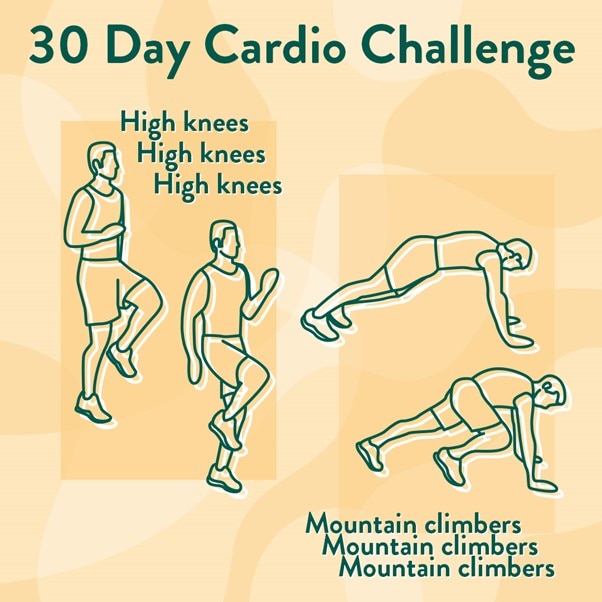
HIIT workouts are renowned for rapidly improving endurance. These sessions involve short bursts of intense activity followed by rest periods. You can customize HIIT exercises to suit your preferences, such as sprinting or jumping jacks. It’s a time-efficient way to push your limits and see quick results. Remember, consistency is key. Which of these exercises resonates with you the most?Incorporating Strength Training
Incorporating strength training into your routine boosts cardio respiratory endurance. It helps improve muscle strength and increases stamina. Regular sessions can enhance heart and lung efficiency, making daily activities easier.
Incorporating strength training is a vital part of improving cardio respiratory endurance. It might seem counterintuitive to lift weights for better cardio, but muscle strength directly impacts endurance. More muscle means more energy. Lifting weights builds muscle, enhancing your ability to sustain physical activities for longer periods.Building Muscle For Better Endurance
Muscle strength helps support the body’s ability to perform aerobic tasks. Stronger muscles improve oxygen use efficiency during exercise. This results in less fatigue and longer workout sessions. Engaging large muscle groups, like legs and back, boosts endurance. Exercises like squats and deadlifts are effective in building these muscles. They also enhance your cardiovascular capability.Balancing Cardio And Strength Workouts
Finding the right balance between cardio and strength training is crucial. Too much focus on one can lead to burnout or injuries. Alternate between cardio and strength workouts weekly. This approach ensures balanced development in both areas. Keep cardio sessions dynamic and varied. Include activities like running, cycling, or swimming. Pair them with strength exercises like lunges and push-ups. This combination keeps workouts engaging and effective.Nutrition For Endurance Improvement
Improving cardio-respiratory endurance requires more than just exercise. Nutrition plays a crucial role in boosting stamina and overall performance. The right diet can enhance your ability to sustain prolonged physical activity.
Fueling Your Body With The Right Foods
Your body needs energy to maintain endurance. Foods rich in carbohydrates are essential. Whole grains, fruits, and vegetables provide sustained energy. Proteins from lean meats and legumes help build and repair muscles.
Healthy fats found in nuts and avocados support energy production. Avoid processed foods and sugars; they can lead to energy crashes.
Hydration And Its Impact On Performance
Staying hydrated is vital for endurance. Water regulates body temperature and prevents fatigue. Dehydration can decrease performance and increase recovery time.
Drinking water throughout the day keeps your body in balance. During workouts, replenish fluids lost through sweat. Consider sports drinks for electrolytes, especially during intense sessions.
Credit: www.hollandandbarrett.com
Rest And Recovery Strategies
Rest and recovery boost cardio respiratory endurance by allowing muscles to repair and grow stronger. Adequate sleep, hydration, and gentle stretching are essential strategies. Balancing workouts with rest days reduces fatigue and enhances performance over time.
Improving your cardio respiratory endurance requires more than just intense workouts. Rest and recovery strategies are crucial to ensure your body rebuilds and strengthens after each exercise session. Understanding how to effectively rest and recover can enhance your performance and prevent injuries. Let’s dive into some key strategies that can help you maximize your endurance gains.Importance Of Sleep
Quality sleep is a powerful recovery tool. It allows your body to repair muscles, consolidate memories, and release growth hormones. Aim for 7-9 hours of sleep per night to ensure you’re well-rested and ready for your next workout. Consider creating a bedtime routine to help you wind down. Dimming the lights and avoiding screens can signal to your body that it’s time to rest. Have you ever noticed how much better you perform after a good night’s sleep?Active Recovery Techniques
Active recovery involves engaging in low-intensity exercises that promote blood flow without adding stress. Activities like walking, yoga, or cycling can help reduce muscle stiffness and soreness. Try incorporating these techniques on rest days to keep your body moving while allowing it to recover. You might find that active recovery leaves you feeling more energized and less fatigued. Experiment with different activities to see what works best for you. Have you considered how a simple walk in the park might impact your overall endurance?Setting Realistic Goals
Improving cardio respiratory endurance requires setting realistic goals. Start small, like jogging twice a week. Gradually increase duration and intensity. Celebrate progress to stay motivated and ensure consistency.
Setting realistic goals is crucial when aiming to improve your cardiorespiratory endurance. It provides direction and helps maintain motivation. Without clear and achievable objectives, it’s easy to lose focus and feel overwhelmed by the process. If you’re like many people, you might be wondering how to set goals that are both challenging and attainable.Short-term And Long-term Objectives
Start by defining what you want to achieve in the short term. This could be something as simple as jogging for 10 minutes without stopping or completing a beginner-level aerobic class. Short-term goals provide immediate gratification and keep you motivated. Long-term objectives are equally important. Maybe you want to run a 5K or cycle a certain distance within six months. These goals require more planning and commitment but offer a rewarding sense of accomplishment when achieved. Consider writing down your short-term and long-term goals. This makes them tangible and provides a roadmap to follow.Adjusting Goals Based On Progress
As you work towards your goals, it’s essential to evaluate your progress regularly. Are you meeting your short-term objectives? If not, why? Sometimes, goals may need adjustment based on your progress. Perhaps you need more time or a different approach. Adjusting your goals isn’t a setback; it’s a strategic move to ensure success. Remember, the journey to improve your cardiorespiratory endurance is personal. What works for someone else might not work for you. Are you willing to change your goals to better fit your path?Monitoring Heart Rate And Breathing
Monitoring your heart rate and breathing is crucial for improving cardio-respiratory endurance. It helps you understand how your body responds to exercise and guides you to adjust your training intensity. Plus, keeping track of your heart rate and breathing can prevent over-exertion, ensuring your workouts are safe and effective.
Using Technology For Tracking
Technology offers innovative ways to monitor heart rate and breathing. Wearable devices like smartwatches and fitness trackers provide real-time data, making it easy to see how your body reacts during workouts. Some devices can even track your breathing patterns, offering insights into your respiratory efficiency.
Think about using apps that sync with these devices. They can visualize your data, showing trends over time. This helps you identify what works best for you and adjust your routine accordingly. Are you using technology effectively to understand your body’s signals?
Interpreting Heart Rate Data
Understanding heart rate data can transform your training approach. Look at your resting heart rate, which indicates your cardiovascular health. A lower rate often suggests better endurance.
Pay attention to your heart rate during different exercise intensities. This tells you how hard your body is working. Aim to stay within your target heart rate zone to optimize your workout benefits.
Evaluate your recovery heart rate post-exercise. Faster recovery rates imply improved fitness levels. Are you aware of how your heart rate data reflects your cardio-respiratory progress?
Mental Techniques For Endurance
Boosting your cardio respiratory endurance involves mental techniques like visualization and positive self-talk. These strategies help maintain focus and motivate you during workouts. Embrace deep breathing to enhance oxygen flow and calm your mind for better performance.
Mental endurance plays a vital role in cardio-respiratory fitness. It helps you push through difficult workouts. Mental techniques can significantly boost your stamina. They also enhance your overall performance. Below are some strategies to strengthen your mental game.Building Mental Resilience
Mental resilience is crucial for endurance training. It helps you handle stress during workouts. Start by setting small, achievable goals. Celebrate each milestone. This builds confidence and keeps you motivated. Positive self-talk is another effective tool. Encourage yourself with affirmations. Replace negative thoughts with positive ones. Regular meditation can also improve resilience. It helps clear your mind and improve focus. Practice mindfulness during your workouts. This keeps you present and attentive. Over time, mental resilience becomes second nature. You’ll find it easier to handle challenging workouts.Visualization And Focus
Visualization is a powerful mental technique. Imagine yourself completing your workout. Picture every detail vividly. This prepares your mind for success. It also reduces anxiety and boosts confidence. Before you start, take a few moments to visualize. Focus is equally important. Concentrate on your breathing and form. This helps maintain rhythm and efficiency. Avoid distractions like phones or noisy environments. A focused mind improves performance and reduces fatigue. Practice these techniques regularly for best results.
Credit: essentrics.com
Common Mistakes To Avoid
Skipping warm-up can lead to injury and fatigue. Consistency matters; avoid irregular workout schedules. Overtraining without rest increases risk of burnout.
Improving your cardiorespiratory endurance is a journey filled with potential pitfalls. While you’re eager to boost your stamina, it’s crucial to avoid common mistakes that can derail your progress. By understanding these missteps, you can effectively enhance your endurance without compromising your health.Overtraining Risks
Pushing your limits is essential for improvement, but overdoing it can lead to injury. Your body needs time to adapt to increased stress. If you find yourself feeling exhausted or experiencing persistent soreness, it might be a sign you’re overtraining. Consider this: quality workouts trump quantity. A well-planned routine that balances intensity and rest will yield better results than simply adding more hours to your exercise regimen. Have you ever noticed a decline in performance despite increased effort? It’s a clear sign to reassess your approach.Ignoring Recovery Needs
Recovery is a critical component of any fitness plan, yet it’s often overlooked. Your muscles repair and grow stronger during rest periods. Skipping this vital stage can lead to burnout and plateaued progress. Make recovery a priority by incorporating rest days and focusing on nutrition. Hydration and sleep are your allies in this process. What changes can you make to ensure your body gets the recovery it deserves? Perhaps it’s time to view rest as part of your training, not an interruption. Avoid these common mistakes, and you’ll be on the path to improved cardiorespiratory endurance without sacrificing your well-being.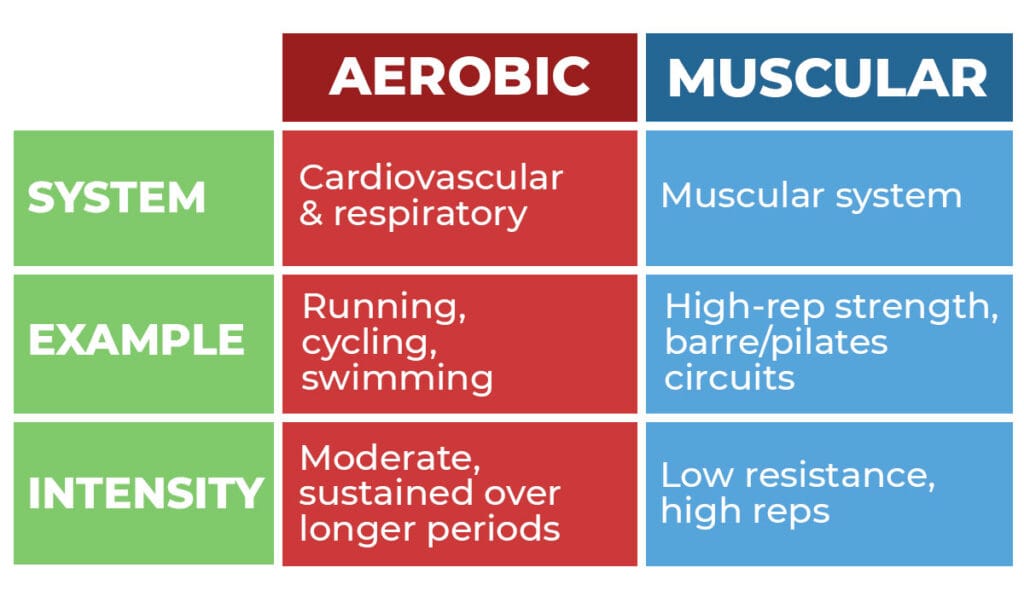
Credit: www.nourishmovelove.com
Frequently Asked Questions
What Is Cardio Respiratory Endurance?
Cardio respiratory endurance is the ability of your heart and lungs to supply oxygen to muscles. It supports prolonged physical activity. Improving it boosts overall fitness and energy levels.
How Can I Improve Cardio Endurance At Home?
You can improve cardio endurance at home by doing exercises like jumping jacks, burpees, or skipping rope. Aim for consistency and gradually increase intensity. Incorporate activities that elevate your heart rate.
How Often Should I Train For Better Endurance?
For better endurance, aim to train at least three to five times a week. Consistency is key. Mix moderate and vigorous activities for balanced improvement.
Can Diet Influence Cardio Endurance?
Yes, a balanced diet rich in nutrients can enhance cardio endurance. Focus on carbohydrates, proteins, and healthy fats. Staying hydrated is crucial for optimal performance.
Conclusion
Improving cardio respiratory endurance is within reach with consistent effort. Regular exercise strengthens your heart and lungs. Variety in workouts keeps motivation high. Balance is key: mix intense and moderate activities. Proper nutrition supports your endurance goals. Stay hydrated and rest well.
Track progress to stay inspired. Celebrate small wins to boost morale. Always listen to your body. Adjust plans if needed. Commitment leads to noticeable results. Better endurance enhances daily life and overall health. Keep pushing forward, and enjoy the benefits of a healthier you.