
Are you looking to run longer distances without feeling out of breath? Improving your cardio-respiratory endurance can be the key to unlocking your running potential.
Imagine running effortlessly, feeling energized rather than exhausted. Sounds too good to be true? It isn’t. With the right techniques and a bit of commitment, you can enhance your endurance and enjoy running like never before. You’ll discover simple yet effective strategies to boost your cardio-respiratory fitness.
Whether you’re a beginner or an experienced runner, these tips are designed to help you breathe easier and run farther. Ready to transform your running experience? Let’s dive in!
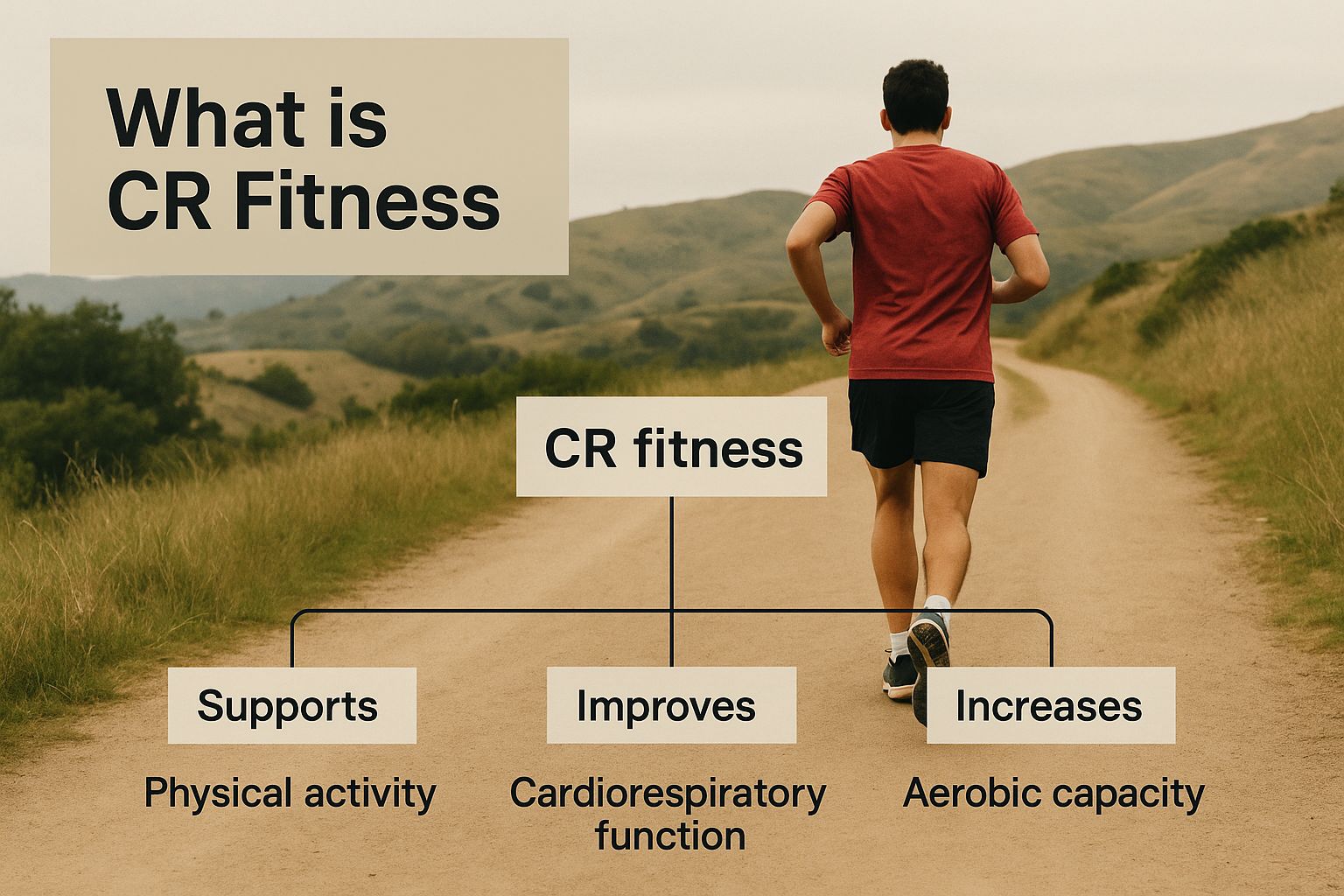
Credit: www.cartwrightfitness.co.uk
Benefits Of Cardiorespiratory Endurance
Running regularly boosts heart and lung efficiency. It strengthens muscles, improving overall stamina and energy levels. Enhanced endurance leads to better oxygen circulation, aiding longer and faster runs.
Improving your cardiorespiratory endurance is one of the best things you can do for your running performance. Not only does it help you run longer distances without fatigue, but it also boosts your overall health. So, why should you focus on enhancing this vital aspect of fitness?Enhanced Oxygen Utilization
When your cardiorespiratory endurance improves, your body becomes more efficient at using oxygen. Imagine running a 5K and breathing effortlessly, even as you push your limits. Your muscles receive the oxygen they need, making each step easier and more powerful.Better Heart Health
A stronger heart means a healthier you. Running consistently boosts your cardiorespiratory endurance, which in turn strengthens your heart. You’ll find your resting heart rate decreases, indicating a more efficient cardiovascular system. It’s like giving your heart a workout without hitting the gym.Increased Energy Levels
Ever notice how some runners seem to have endless energy? That’s cardiorespiratory endurance in action. By improving this aspect, you’ll feel more energetic throughout your day. This doesn’t just help in running; it enhances your daily life, making routine tasks feel less exhausting.Improved Recovery Time
Have you ever wondered why some people bounce back quickly after a tough workout while others struggle? Enhanced cardiorespiratory endurance speeds up recovery. Your body becomes adept at clearing out lactic acid, reducing soreness and allowing you to get back to running sooner.Weight Management
Running is excellent for burning calories, and improved endurance means you can run longer and harder. This naturally aids in weight management, providing a dual benefit of fitness and health. Think of it as a win-win scenario where you get fitter and manage your weight simultaneously. In your journey to improve cardiorespiratory endurance, what benefits motivate you the most? Is it the energy boost or the improved recovery time? Knowing your reasons can drive your commitment, leading to consistent progress in your running endeavors.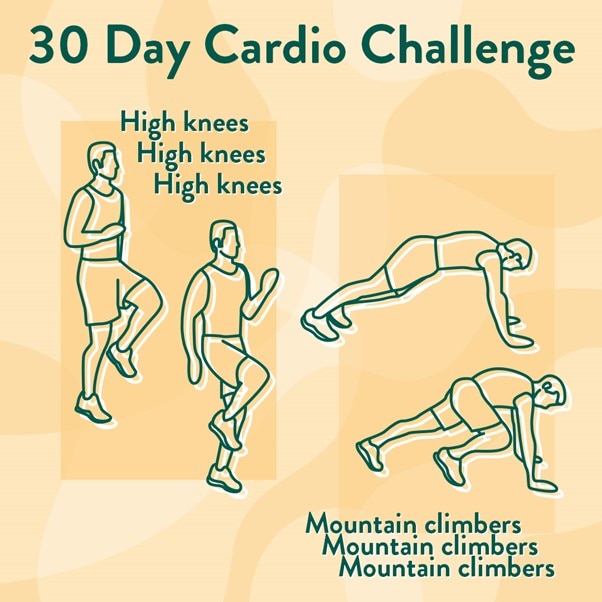
Credit: www.hollandandbarrett.com
Choosing The Right Gear
Choosing the right gear is crucial for improving cardio respiratory endurance in running. The right gear can enhance your performance and reduce injuries. It ensures comfort and boosts confidence during your runs. Let’s focus on two essential aspects of your running gear: footwear and clothing.
Selecting Proper Footwear
Proper footwear is vital for every runner. It provides the right support and cushioning. Look for shoes with good arch support and a snug fit. Ensure the shoes are breathable to keep your feet cool. Check for a durable sole that can handle various terrains. Visit a store to try different pairs. Find what feels most comfortable for your feet.
Comfortable Clothing
Wearing comfortable clothing can greatly impact your running experience. Choose fabrics that wick away sweat and keep you dry. Lightweight materials help you move freely. Avoid clothes that are too tight or restrictive. Opt for tops and bottoms that fit well and allow easy movement. Consider the weather conditions. Dress in layers for changing temperatures during your run.
Creating A Running Plan
Creating a running plan focused on cardio respiratory endurance involves consistent, varied training. Integrate intervals and long-distance runs to enhance stamina. Gradually increase intensity and duration to boost heart and lung efficiency.
Creating a Running Plan Crafting a running plan is your blueprint to success, especially if you aim to boost your cardio-respiratory endurance. A well-structured plan helps you track progress, stay motivated, and avoid burnout. It doesn’t have to be complicated, but it should be tailored to your current fitness level and goals. Dive into these key components to build a plan that aligns with your ambitions and lifestyle.Setting Realistic Goals
Start with setting achievable milestones. Think about where you are now and where you want to be in a few months. Are you aiming to run a 5K, or is a half-marathon your dream? Break down your ultimate goal into smaller, manageable chunks. This approach keeps you motivated and lets you celebrate small victories along the way. Consider your current fitness level and any time constraints. If you’re new to running, a goal of running a mile without stopping might be a great start.Incorporating Rest Days
Balance is crucial. Your body needs time to recover, so don’t underestimate the power of rest days. They prevent injury and improve performance by allowing your muscles to repair and strengthen. Plan your rest days strategically. If you run three days a week, give yourself a day off in between to recuperate. Use rest days to engage in light activities like walking or yoga. This keeps your body active without overexertion. Implementing these aspects into your running plan not only enhances your cardio-respiratory endurance but also keeps your journey enjoyable and sustainable. What are you waiting for? Lace up those shoes and get moving!Warm-up And Cool-down Techniques
Proper warm-up and cool-down techniques are essential for improving cardio respiratory endurance in running. A good warm-up increases blood flow and prepares muscles, while a cool-down aids in recovery and reduces muscle soreness. Consistent practice can enhance endurance and performance over time.
Warm-Up and Cool-Down Techniques A proper warm-up and cool-down can make a significant difference in your running experience and overall cardio respiratory endurance. These techniques help prevent injuries, improve performance, and aid recovery. Are you paying enough attention to how you start and finish your runs?Dynamic Stretching
Dynamic stretching is essential before you hit the pavement. It prepares your muscles for the workout ahead, enhancing flexibility and range of motion. Try leg swings, arm circles, or walking lunges. These movements mimic running actions and wake your body up. A friend of mine once skipped dynamic stretching before a race and paid the price with a pulled muscle. Avoid such setbacks by spending at least five minutes on these stretches. You’ll notice the difference in your stride and speed.Post-run Recovery Stretches
After running, your muscles deserve some TLC. Post-run recovery stretches help your body return to its resting state, reducing stiffness and soreness. Focus on your hamstrings, calves, and quads with stretches like the seated hamstring stretch or calf raises. I learned the importance of cooling down the hard way. Skipping these stretches once led to discomfort that lasted days. Trust me, dedicating time to post-run stretching will make your recovery smoother and keep you eager for your next run. Are there stretches you’ve found particularly effective? Sharing insights can help others improve their routines.Breathing Techniques For Endurance
Breathing deeply through the diaphragm boosts oxygen intake. Focus on rhythmic patterns to sustain energy during long runs. Controlled exhalation helps maintain steady pace and improve endurance.
Breathing Techniques for Endurance Efficient breathing enhances your running endurance. It boosts oxygen delivery to muscles. Mastering breathing techniques can improve your cardio-respiratory endurance. Let’s explore some effective methods.Rhythmic Breathing
Rhythmic breathing involves syncing your breath with your steps. This technique distributes the impact evenly. For example, inhale for three steps, exhale for two. This pattern reduces stress on one side of your body.Diaphragmatic Breathing
Diaphragmatic breathing engages the diaphragm instead of the chest. This method increases lung capacity and oxygen intake. Place a hand on your stomach. Inhale deeply so your stomach rises, not your chest. Practice this until it feels natural while running.Nasal Breathing
Nasal breathing filters and warms the air. It also regulates breathing pace. Start practicing during light runs. Inhale and exhale only through your nose. This can be challenging initially but improves efficiency over time.Breath Counting
Breath counting helps maintain a steady pace. Count your breaths in a cycle. For instance, inhale on steps one to three, exhale on four to six. This keeps you focused and prevents overexertion. Adjust the count to suit your comfort and speed.Box Breathing
Box breathing calms the mind and body. It involves equal inhale, hold, exhale, and hold periods. Try a four-second pattern: inhale for four, hold for four, exhale for four, and hold for four. This technique reduces stress and increases focus during runs.Importance Of Hydration
Staying well-hydrated boosts cardio respiratory endurance during runs. Water helps maintain energy and prevents fatigue. Drink regularly to support optimal performance and health.
Hydration plays a crucial role in enhancing cardio respiratory endurance. Water is vital for maintaining body temperature and transporting nutrients. Staying hydrated helps prevent fatigue during runs. It also aids in muscle recovery and reduces the risk of cramps. Proper hydration keeps your heart and lungs functioning efficiently. This ensures you can run longer and stronger.Understanding The Role Of Water In The Body
Water makes up about 60% of our body. It is essential for every cell and organ. During running, you lose water through sweat. This loss impacts your endurance and performance. Drinking water replaces lost fluids, keeping you hydrated and energized.Signs Of Dehydration
Dehydration can sneak up on you. Look for dry mouth, fatigue, and dizziness. These signs mean your body needs water. Ignoring them affects your running performance. Keep an eye on these symptoms to stay in top shape.How Much Water Should You Drink?
Drink before, during, and after running. Start with 8 ounces of water 30 minutes before running. Sip water every 15-20 minutes while running. After running, replenish lost fluids with at least 16 ounces. Adjust these amounts based on your body size and weather conditions.Tips For Staying Hydrated
Keep a water bottle handy. Use a hydration belt or pack for long runs. Monitor the color of your urine. Pale yellow means you’re well-hydrated. Avoid sugary drinks and caffeine, as they can dehydrate you. Stick to water or sports drinks with electrolytes.Impact Of Hydration On Performance
Hydration directly influences your running stamina. Well-hydrated muscles work more efficiently. This reduces the risk of injury and fatigue. Proper hydration helps maintain optimal heart rate and breathing. It supports better endurance and performance.Tracking Progress
Regularly monitor running pace and heart rate to enhance cardio respiratory endurance. Utilize interval training, gradually increasing intensity and duration.
Tracking progress in your cardio respiratory endurance journey is crucial to understanding where you stand and where you need to go. It provides you with clear data, helping you make informed decisions about your training adjustments. By actively monitoring your improvements, you can stay motivated and committed to your running goals.Using Apps And Gadgets
In today’s digital age, there’s a plethora of apps and gadgets designed to help you track your running progress. Apps like Strava, Runkeeper, and Nike Run Club can provide detailed insights into your pace, distance, and even heart rate. Fitness trackers and smartwatches can also monitor your heart rate variability, offering a deeper understanding of your cardiovascular health. These tools can be a game-changer in maintaining motivation. Seeing your progress in real-time can encourage you to push harder and achieve new milestones. What app or gadget will you choose to keep your progress in check?Keeping A Running Journal
A running journal is a classic yet effective way to track your progress. It’s as simple as jotting down details after each run—distance, time, weather, and how you felt. This process helps you identify patterns and understand how different factors affect your performance. When I started keeping a running journal, I noticed that my endurance improved significantly on cooler days. This insight helped me plan my runs more strategically. Have you ever kept a journal for any of your activities? Why not start one for your running journey today? Tracking your progress doesn’t have to be tedious. Whether you choose digital tools or a traditional journal, the key is consistency. By regularly monitoring your progress, you empower yourself to make smart training decisions and ultimately, enhance your cardio respiratory endurance.Overcoming Common Challenges
Boosting cardio respiratory endurance in running involves consistent practice and balanced training. Incorporate interval runs and cross-training activities for varied workout intensity. Gradually increase your running distance to build stamina and improve overall cardiovascular health.
Running is a fantastic way to boost cardio respiratory endurance. Yet, many runners face common challenges that can hinder progress. Understanding these hurdles helps improve performance and maintain motivation. Let’s explore how to tackle some of these obstacles effectively.Dealing With Weather Conditions
Weather can be unpredictable. Rain, snow, or extreme heat may affect your routine. Dress appropriately for the weather to stay comfortable. In colder months, layer clothing to trap heat. Wear moisture-wicking fabrics to avoid chafing. For hot days, choose breathable clothes and stay hydrated. Running indoors on a treadmill can be a good alternative when outdoor conditions are unfavorable.Avoiding Injuries
Injuries can sideline your running goals. Proper warm-ups prepare muscles for exertion, reducing injury risks. Include dynamic stretches like leg swings or arm circles. Listen to your body. Pain is a signal to stop and rest. Invest in good-quality running shoes for support and cushioning. Regularly check your shoes for wear and tear. Cross-training activities like cycling or swimming can enhance endurance without overstraining.Incorporating Cross-training
Incorporating cross-training enhances cardio respiratory endurance for runners. Engage in activities like cycling and swimming. These exercises improve heart and lung function, boosting running performance.
Incorporating cross-training into your running routine can significantly boost your cardiorespiratory endurance. By engaging in a variety of exercises, you not only prevent burnout but also build overall strength and flexibility. This approach ensures that your body remains challenged and adaptable, leading to better performance on your runs.Strength Training
Strength training can be a game-changer for runners. It focuses on building muscle strength, which aids in better running efficiency and reduces injury risk. Try incorporating exercises like squats, lunges, and deadlifts into your weekly routine. Consistency is key, but it’s equally important to listen to your body. Have you ever noticed how a strong core can make those uphill runs feel less daunting?Cycling And Swimming
Cycling offers a low-impact workout that boosts your cardiovascular health without the stress on your joints. It’s a great way to mix up your routine and engage different muscle groups. Whether you prefer outdoor cycling or stationary biking, both can complement your running. Swimming, on the other hand, provides a full-body workout while improving lung capacity. It’s a refreshing way to enhance endurance and offers a break from the repetitive motion of running. Have you tried adding a swim session to your weekly plan? You might be surprised at how it enhances your stamina on the track.
Credit: www.steadfastnutrition.in
Nutrition For Endurance Runners
Balanced nutrition boosts cardio respiratory endurance in running. Fuel with complex carbs like whole grains for energy. Hydration and protein repair muscles, aiding recovery.
Nutrition plays a crucial role in enhancing cardio-respiratory endurance for runners. The right foods can fuel your body, improve stamina, and speed up recovery. Understanding what to eat before and after your run can make a significant difference in your performance and how you feel.Pre-run Meals
Before heading out for a run, your body needs energy that digests efficiently. A balanced meal with carbohydrates, protein, and a little fat can provide this. Think oatmeal with fruit or a banana with peanut butter. Timing is key. Aim to eat a substantial meal about 2-3 hours before your run. If you’re pressed for time, a light snack like a granola bar or a smoothie 30 minutes before can also work wonders. Have you ever felt sluggish during a run? It might be due to inadequate fueling. Experiment with different foods to see what gives you the best energy boost.Post-run Recovery Foods
Recovery is as important as the run itself. After a workout, your muscles need replenishment. Prioritize foods rich in protein and carbohydrates to repair tissues and restore glycogen levels. A simple yet effective recovery meal could be a grilled chicken sandwich or a bowl of quinoa with mixed vegetables. Hydration is also vital—consider a sports drink if you’ve sweated a lot. Are you giving your body the nutrition it needs to bounce back quickly? Keep track of how you feel after trying different post-run meals. Your recovery time might decrease, enhancing your next performance.Frequently Asked Questions
What Exercises Boost Cardio Respiratory Endurance In Running?
Incorporate interval training, hill sprints, and long slow runs to boost endurance. These exercises improve cardiovascular efficiency and muscle strength. Consistency and progressive overload are key. Remember to balance high-intensity workouts with adequate rest and recovery. This will prevent injury and promote gradual improvement in endurance over time.
How Often Should I Train For Endurance?
Train at least three to five times a week for optimal results. Consistency is crucial for building cardio respiratory endurance. Include a mix of intensity levels and durations in your workouts. Gradually increase training volume and intensity to avoid injury.
Listen to your body and allow adequate recovery.
Why Is Proper Breathing Important While Running?
Proper breathing ensures optimal oxygen delivery to muscles, enhancing performance. It helps maintain a steady pace and prevents fatigue. Practice diaphragmatic breathing for better lung efficiency. Inhale deeply through your nose and exhale fully through your mouth. This technique aids in maintaining a relaxed and efficient running form.
Can Diet Affect Cardio Endurance In Running?
Yes, a balanced diet fuels your endurance training effectively. Carbohydrates provide energy, while proteins aid muscle recovery. Healthy fats support overall energy levels. Hydration is crucial for optimal performance. Consider nutrient timing to enhance endurance. Consuming a balanced meal before and after runs can significantly impact your endurance levels.
Conclusion
Building cardio respiratory endurance takes time and effort. Consistent practice is key. Gradually increase your running distance. Add variety with interval training. Focus on deep breathing techniques. Listen to your body and rest when needed. Proper nutrition supports endurance growth.
Hydrate regularly to boost stamina. Set achievable goals to stay motivated. Track progress and celebrate small wins. Remember, improvement is a journey, not a sprint. Stay patient and persistent in your efforts. With dedication, you’ll see your endurance improve. Enjoy the process and embrace the benefits of enhanced fitness.