
Ever felt like you’re running out of breath after just a few flights of stairs? Imagine breezing through your day with energy to spare.
Improving your cardio endurance fast isn’t just for athletes; it’s for anyone who wants to feel more alive and vibrant. Whether you’re training for a marathon or just want to keep up with your kids, increasing your stamina can transform your life.
This guide will show you simple yet effective techniques to boost your endurance quickly. Ready to unlock the secret to boundless energy? Keep reading to discover how you can make cardio your new superpower.
Setting Realistic Goals
Improving cardio endurance quickly requires setting realistic goals. Start with small, achievable targets and gradually increase intensity. Track progress and adjust your plan as needed to stay motivated and focused.
Setting realistic goals is crucial when you’re aiming to improve your cardio endurance quickly. It’s easy to get caught up in the excitement and set ambitious targets, but doing so can lead to burnout or injury. Instead, focus on achievable milestones that keep you motivated and on track. This approach not only enhances your progress but also ensures you’re enjoying the journey towards better fitness.Defining Your Fitness Level
Start by assessing your current fitness level. Are you a beginner, intermediate, or advanced? Recognizing where you stand helps tailor your goals effectively. Maybe you can jog for 10 minutes without stopping, or perhaps you can sprint for 30 seconds. Understanding this baseline is essential to setting goals that challenge but don’t overwhelm you.Setting Short-term Targets
Create short-term targets to maintain momentum. For instance, aim to add five minutes to your run every week. This keeps your goals manageable and measurable. Short-term targets act as stepping stones, boosting your confidence as you achieve them.Adjusting Goals As Needed
Be flexible with your goals. Life throws curveballs like unexpected busy schedules or minor injuries. Adjust your targets accordingly without guilt. Adapting your goals shows resilience and commitment to your fitness journey.Tracking Your Progress
Keep a record of your achievements. Whether it’s logging the miles you run or noting the time you spend cycling, tracking helps visualize progress. It also provides a sense of accomplishment, motivating you to push further.Celebrating Milestones
Celebrate each milestone you hit. Whether it’s completing your first 5K or cycling up a challenging hill, acknowledge your achievements. Celebrating reinforces positive behavior and keeps you excited about the next goal. Setting realistic goals is about knowing yourself and staying flexible. What are you aiming for in your cardio journey?
Credit: www.facebook.com
High-intensity Interval Training
High-Intensity Interval Training (HIIT) is a powerful way to rapidly enhance your cardio endurance. This form of exercise alternates between short, intense bursts of activity and periods of rest or low-intensity movement. It’s an efficient workout that can be completed in a short time, making it perfect for busy schedules. Imagine pushing your limits for just a few minutes a day and seeing significant improvements in your stamina and overall fitness. Let’s dive into how HIIT can transform your cardio routine.
Short Bursts Of Intensity
HIIT revolves around short bursts of high-intensity effort. These intervals are designed to push your heart rate up, challenging your cardiovascular system. You might sprint for 30 seconds or cycle as fast as you can for a minute. The key is to go all out, as if you’re racing against the clock.
During these intervals, your body burns calories at a higher rate, enhancing your endurance over time. Try a workout where you alternate between 20 seconds of intense effort and 40 seconds of light activity. This simple structure can have a profound impact on your cardio capacity.
Recovery Periods
Equally important in HIIT are the recovery periods, where your body gets a chance to catch its breath. These intervals are not just for resting; they’re crucial for letting your heart rate drop back down. This fluctuation between high and low intensity optimizes cardiovascular benefits.
Recovery periods should be long enough to allow partial recovery but short enough to keep your body engaged. For example, after a 30-second sprint, you might walk briskly for a minute. You might wonder, why not just rest completely? Engaging in light movement keeps the blood flowing, improving endurance while preventing stiffness.
By incorporating these high-intensity bursts and strategic recovery periods, HIIT can be your secret weapon to improving your cardio endurance quickly. Are you ready to challenge your limits and see how fast you can boost your stamina?
Incorporating Cross-training
Incorporating cross-training activities like cycling, swimming, or aerobics can quickly boost cardio endurance. Mixing different exercises challenges your body and improves stamina.
Incorporating cross-training can significantly boost your cardio endurance. It involves engaging in different activities to enhance overall fitness. This approach keeps workouts exciting and targets various muscle groups.Variety Of Activities
Cross-training introduces a mix of exercises into your routine. These may include swimming, cycling, or even dancing. Each activity offers unique benefits for your cardiovascular system. Swimming improves lung capacity. Cycling strengthens leg muscles. Dancing enhances coordination and stamina. Mixing these activities ensures a comprehensive workout plan. This keeps your body challenged and engaged.Preventing Overuse Injuries
Cross-training helps avoid overuse injuries by varying stress on your body. Focusing on one exercise can strain specific muscles. Different activities allow rest for overworked areas. This strategy maintains a balanced fitness regimen. It reduces the risk of injuries while improving endurance. Cross-training provides a sustainable way to stay active and healthy.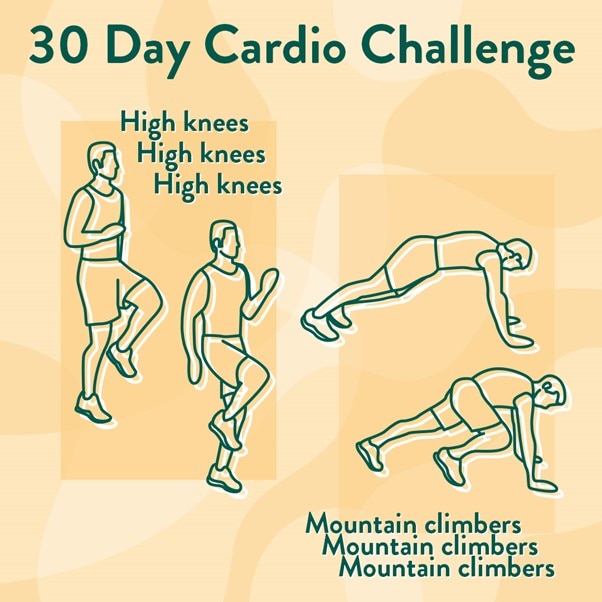
Credit: www.hollandandbarrett.com
Consistent Workout Schedule
Maintaining a consistent workout schedule boosts cardio endurance swiftly. Regular sessions keep your heart healthy and improve stamina. Gradually increase intensity to challenge your limits and enhance performance.
A consistent workout schedule is crucial for improving cardio endurance quickly. It acts as the backbone of your fitness journey, ensuring that you’re steadily progressing without overwhelming your body. By sticking to a regular routine, you lay the foundation for enhanced stamina and a healthier heart.Balancing Frequency And Intensity
Finding the right balance between how often you work out and how hard you push yourself is vital. Aim for at least three to five cardio sessions per week. Mix moderate-intensity workouts, like brisk walking or cycling, with high-intensity intervals to challenge your heart and lungs. Listen to your body. If you feel excessively fatigued, it might be a sign to dial back. Adjusting the intensity allows for recovery while still keeping you on track.Avoiding Burnout
Burnout is a common pitfall when trying to improve cardio endurance rapidly. Set achievable goals and celebrate small victories to stay motivated. Consider including a variety of activities to keep your routine fresh and exciting. Swim one day, jog the next, or even try a dance class. This variety not only helps prevent boredom but also engages different muscle groups. Remember, progress takes time. Have you ever pushed too hard, only to find yourself skipping workouts altogether? Avoid that by pacing yourself and enjoying the journey.Proper Nutrition And Hydration
Enhancing your cardio endurance isn’t just about hitting the pavement or the treadmill harder; it’s about fueling your body with the right nutrients and staying properly hydrated. Your body acts like a finely tuned machine, and just like any machine, it needs the right fuel to perform optimally. Understanding the balance of proper nutrition and hydration can significantly impact your endurance levels, helping you achieve your fitness goals faster.
Fueling Workouts
Think of your body like a car. Without the right fuel, you won’t get very far. Eating a balanced diet rich in carbohydrates, proteins, and healthy fats provides the energy needed for intense cardio sessions.
Carbohydrates are your body’s primary energy source during exercise. Including whole grains, fruits, and vegetables in your meals ensures you have the energy to sustain longer workouts.
Protein is crucial for muscle repair and recovery. Incorporating lean meats, beans, and legumes can help you bounce back quickly after an intense workout.
Healthy fats, like those found in avocados and nuts, provide long-lasting energy. They can keep you going when your workouts extend beyond an hour.
Importance Of Hydration
Ever tried running a marathon with a dry mouth? Hydration is more than just quenching your thirst—it’s essential for maintaining endurance. Even a slight dip in hydration levels can lead to decreased performance and increased fatigue.
Drinking enough water before, during, and after your workouts is key. Aim for at least 8-10 glasses of water a day, more if you’re sweating heavily.
Don’t forget about electrolytes, especially if you’re engaging in prolonged or high-intensity cardio. Drinks with added electrolytes can help maintain the balance necessary for optimal muscle function.
Are you listening to your body’s thirst cues? Sometimes, what feels like hunger is actually a call for hydration, so consider grabbing a glass of water first.
By focusing on what you eat and drink, you can enhance your cardio endurance. What changes will you make to your nutrition and hydration habits to boost your performance?
Credit: myyogateacher.com
Strength Training For Endurance
Strength training is vital for boosting cardio endurance. It helps in building muscles and improving heart health. By adding strength exercises, you can enhance your stamina. It supports your body during long workouts. It also reduces the risk of injuries.
Building Muscle Strength
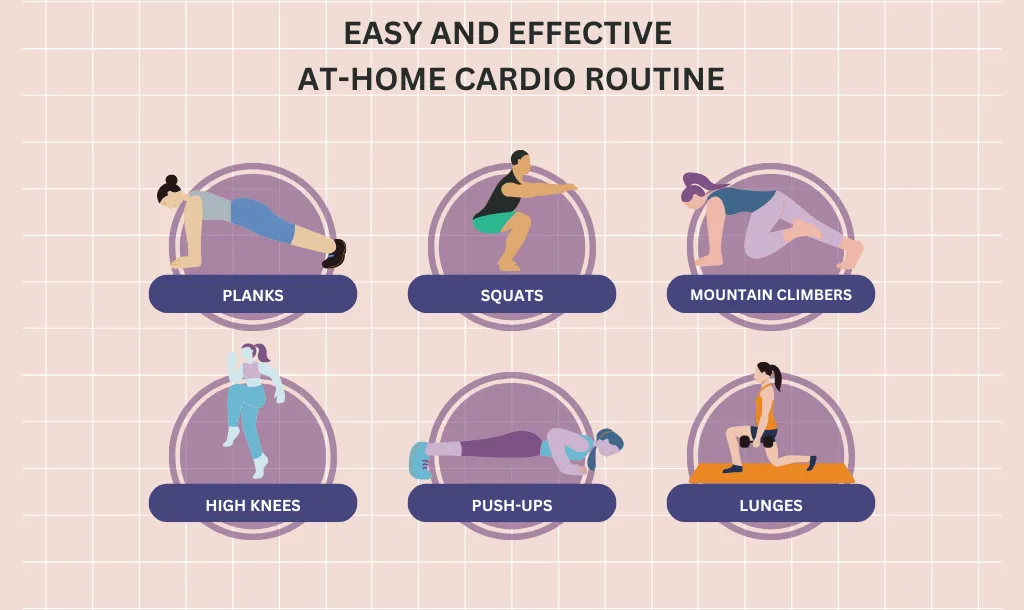
Muscle strength supports your heart and lungs. Strong muscles use oxygen better. This helps you exercise longer. Use weights or resistance bands for training. Focus on exercises like squats and lunges. They improve leg strength for running. Push-ups and planks build upper body strength. They are good for swimmers and cyclists.
Enhancing Cardiovascular Capacity
Strength exercises increase your heart rate. This improves cardiovascular health. Circuit training is effective for this. It combines strength moves with little rest. Your heart works harder, boosting endurance. Try kettlebell swings or burpees. They engage multiple muscle groups. This leads to a strong heart and better stamina.
Tracking Progress
Tracking progress is key to improving cardio endurance quickly. Monitor your workouts consistently. Use a fitness app or journal to note distance, time, and intensity.
Tracking your progress is a crucial part of improving cardio endurance quickly. Understanding how your body responds to workouts helps you adjust and optimize your training plan. By keeping tabs on your progress, you can set realistic goals and stay motivated to push your limits.Using Fitness Apps
Fitness apps can be a game-changer for tracking your cardio endurance. They offer detailed insights into your workout duration, distance covered, and calories burned. Many apps also allow you to set specific goals and receive reminders to keep you accountable. Consider apps like Strava or MyFitnessPal, which are user-friendly and provide detailed analytics. You’ll find charts and graphs that make it easy to see your progress over time. By regularly reviewing these stats, you can identify trends and tweak your training regimen for better results.Monitoring Heart Rate
Monitoring your heart rate is essential for understanding your cardiovascular health. A heart rate monitor can help you determine if you’re exercising within the optimal zone for endurance improvement. Aim to exercise at 60-80% of your maximum heart rate for the best results. You can calculate this by subtracting your age from 220. By tracking your heart rate, you’ll know if you’re pushing too hard or if you need to increase the intensity. Have you ever noticed how your body feels when your heart rate is too high or too low? By paying attention to these signals, you can avoid overtraining and ensure a steady improvement in your endurance.Rest And Recovery
Prioritizing rest and recovery enhances cardio endurance. Sleep well and take breaks after intense workouts. Proper hydration and balanced nutrition aid muscle repair and energy replenishment.
Rest and recovery are crucial components in your quest to boost cardio endurance quickly. While pushing your limits is essential, allowing your body to recuperate is equally vital. Ignoring the importance of rest can lead to burnout and injuries, stalling your progress instead of accelerating it. Understanding how to effectively rest and recover can make a significant difference in your performance and overall health.Importance Of Rest Days
Rest days are not a luxury; they are a necessity. Your muscles need time to repair and strengthen after intense workouts. Skipping rest days can lead to fatigue and decreased performance, making it harder to reach your endurance goals. Imagine your body as a finely tuned machine. It needs downtime to function optimally. On rest days, engage in light activities like walking or stretching to keep your blood flowing without straining your muscles. Ask yourself: Are you giving your body enough time to heal and rebuild? Ensuring proper rest can significantly enhance your endurance gains.Techniques For Recovery
Recovery is more than just lounging on the couch. Active recovery techniques can accelerate healing and prevent soreness. Consider foam rolling to ease muscle tension and increase flexibility. Hydration plays a pivotal role in recovery. Drink plenty of water to flush out toxins and support muscle repair. Nutrition is another key player. Fuel your body with protein-rich foods to aid in muscle recovery. Have you tried alternating hot and cold showers to boost circulation? This simple technique can reduce muscle stiffness and promote healing. Focus on sleep quality. Aim for 7-9 hours of uninterrupted sleep to allow your body to fully recover and be ready for your next workout. Implementing these techniques can transform your recovery days into a powerful tool for improving cardio endurance fast.Mental Strategies
Improving cardio endurance rapidly involves more than physical training. Mental strength plays a crucial role. Strong mental strategies can boost your motivation and focus. They help you push through tough workouts and stay on track. Let’s explore some effective mental strategies.
Staying Motivated
Staying motivated is key to boosting endurance. Set clear, achievable goals for yourself. Start with small targets and gradually increase them. Celebrate each milestone to keep your spirits high. Remind yourself why you started this journey. Keep your reasons visible, like on a note or a vision board.
Join a community or find a workout buddy. Sharing progress with others keeps you accountable. It also makes exercising more enjoyable. Change your workout routine regularly. This prevents boredom and keeps you excited.
Visualizing Success
Visualization can enhance your performance. Close your eyes and imagine yourself achieving your goals. Picture every detail, from your steady breath to the finish line. This technique prepares your mind for success.
Practice visualization daily, even for a few minutes. It builds confidence and mental resilience. Positive affirmations also play a part. Repeat encouraging statements to yourself. They build a positive mindset, crucial for endurance training.
Frequently Asked Questions
What Exercises Boost Cardio Endurance Quickly?
To boost cardio endurance quickly, focus on high-intensity interval training (HIIT), running, and cycling. Incorporate activities like jumping rope and swimming. These exercises increase heart rate and improve stamina. Consistency is key to seeing fast results. Aim for at least 30 minutes, three to five times a week.
How Often Should I Do Cardio Workouts?
For optimal results, perform cardio workouts three to five times weekly. Each session should last at least 30 minutes. Consistency is crucial for improving endurance. Gradually increase intensity and duration as your fitness level improves. Listen to your body and allow rest days for recovery.
Can Diet Improve Cardio Endurance?
Yes, diet plays a vital role in improving cardio endurance. Consume a balanced diet rich in complex carbohydrates, lean proteins, and healthy fats. Stay hydrated and avoid processed foods. Fuel your body with energy-boosting foods like whole grains, fruits, and vegetables.
Proper nutrition supports endurance and overall performance.
What Role Does Rest Play In Endurance?
Rest is crucial for improving cardio endurance. It allows muscles to recover and grow stronger. Ensure you get adequate sleep and take rest days between intense workouts. Overtraining can lead to fatigue and injuries. Listen to your body and prioritize recovery to enhance performance and endurance.
Conclusion
Improving cardio endurance takes dedication and smart choices. Start with small steps. Gradually increase your workout time and intensity. Consistency is key for progress. Mix different activities to keep it fun. Running, cycling, swimming—variety helps. Listen to your body to avoid injury.
Rest when needed. Balanced nutrition supports energy levels. Hydration keeps you going strong. Set clear goals to track progress. Celebrate small victories to stay motivated. Each workout builds strength and stamina. Keep moving forward. Cardio endurance will improve over time.
Enjoy the journey to better health.