
Are you looking to boost your energy levels and enhance your physical performance? Improving your cardio and endurance could be the game-changer you need.
Imagine running up the stairs without gasping for air, or breezing through a workout that once left you exhausted. These aren’t just dreams; they’re achievable goals. And the best part? You don’t have to be a professional athlete to reap the benefits.
With the right strategies, you can start seeing improvements in your stamina and cardiovascular health sooner than you think. Stay with us, and you’ll discover simple yet effective ways to supercharge your endurance, making everyday activities feel like a breeze. Ready to unlock your potential? Let’s dive in!
Credit: betterhumans.pub
Benefits Of Cardio And Endurance
Boosting cardio and endurance enhances heart health and boosts energy levels. Regular exercise strengthens muscles and improves stamina, making daily tasks easier.
Cardio and endurance training offer numerous benefits that go beyond just physical health. Engaging in regular aerobic exercises not only strengthens your heart but also boosts your energy levels, allowing you to tackle daily tasks more effectively. By improving your cardiovascular health, you can enhance your overall quality of life and even increase your longevity.Enhancing Heart Health
Regular cardio exercises strengthen the heart muscle, making it more efficient at pumping blood. This efficiency reduces the risk of heart disease and lowers blood pressure. Engaging in activities like running, cycling, or swimming can significantly improve your heart’s performance.Boosting Energy Levels
Have you ever noticed how a good workout can leave you feeling more energized throughout the day? Cardio increases the circulation of oxygen and nutrients to your tissues. This improved circulation helps your cardiovascular system work more efficiently, providing you with more energy.Promoting Mental Well-being
Cardio exercises are a great way to enhance your mood and mental clarity. Physical activity stimulates the production of endorphins, which are chemicals in the brain that act as natural mood lifters. A regular cardio routine can help reduce symptoms of anxiety and depression.Improving Sleep Quality
Struggling with sleepless nights? Cardio can help regulate your sleep patterns. By engaging in regular aerobic activities, your body becomes more attuned to its natural sleep-wake cycles, leading to deeper and more restorative sleep.Supporting Weight Management
Burning calories is a key component of weight management, and cardio is an effective way to do this. Whether it’s brisk walking, jogging, or dancing, these activities can help you maintain a healthy weight. They also boost your metabolism, making it easier to manage your weight over time.Building Stamina And Endurance
Consistent cardio exercises are crucial for building endurance. As your body adapts to increased activity levels, you’ll notice improved stamina. This means you can engage in physical activities for longer periods without feeling exhausted. Consider these benefits and think about how incorporating cardio and endurance exercises into your routine could transform your life. What small changes can you make today to start reaping these rewards?Credit: www.lemon8-app.com
Setting Goals
Setting clear goals enhances cardio and endurance improvement. Identify achievable targets and track your progress regularly. Adjust routines for optimal results and increased motivation.
Setting goals is a crucial step in improving your cardio and endurance. Without clear targets, your fitness journey might feel directionless. Establishing specific, measurable, achievable, relevant, and time-bound (SMART) goals can transform your workout routine into a purposeful endeavor. It’s about knowing where you want to go and planning how to get there.Understanding Your Current Fitness Level
Before setting goals, assess your current fitness level. This helps in setting realistic targets. Consider taking a fitness test or tracking your workouts for a week. Are you able to run a mile without stopping? Can you walk briskly for 30 minutes? Use these insights to build a foundation.Defining Clear Objectives
Decide what you want to achieve. Do you aim to run a marathon or simply improve your daily stamina? Set clear objectives that motivate you. Remember, the more specific your goals, the easier it will be to track your progress.Setting Realistic Targets
Ambition is great, but setting unreachable goals can be discouraging. Start small and gradually increase the difficulty level. If you wish to run longer distances, aim to add a few minutes to your run each week. This gradual approach can boost your endurance without overwhelming you.Creating A Timeline
Establish a timeline for your goals. A deadline instills urgency and keeps you focused. Whether it’s a three-month plan to improve your mile time or a six-month target for a half-marathon, having a timeline can help you measure progress and stay on track.Tracking Your Progress
Regularly monitor your progress towards your goals. Use a fitness app or a simple journal to record your workouts. Tracking helps you see what’s working and where you need adjustments. Celebrate small victories to stay motivated.Adjusting Goals As Needed
Flexibility is key in goal setting. Sometimes, unforeseen challenges arise. If you encounter setbacks, adjust your goals without losing sight of your overall aim. This adaptability ensures continuous improvement and keeps your journey enjoyable. Are your current fitness goals pushing you forward or holding you back? Reflect and adjust to ensure your path to improved cardio and endurance is both challenging and rewarding.Types Of Cardio Exercises
Cardio exercises are essential for enhancing heart health and stamina. They help burn calories, improve lung capacity, and boost energy levels. Different types cater to various preferences, ensuring everyone finds an enjoyable activity. Here are some popular options that can fit into any fitness routine.
Running And Jogging
Running and jogging are excellent for building endurance. They require minimal equipment and can be done anywhere. Start with short distances, gradually increasing as your stamina improves. This activity strengthens leg muscles and improves cardiovascular health.
Cycling
Cycling is a low-impact option suitable for all ages. It strengthens the lower body and boosts heart rate. Whether on a stationary bike or outdoors, cycling offers versatility. Adjust the intensity and duration to match your fitness level.
Swimming
Swimming is a full-body workout that engages multiple muscle groups. It enhances lung capacity and builds endurance. The resistance of water adds intensity without strain on joints. Perfect for those seeking a refreshing exercise option.
Rowing
Rowing provides an intense workout, targeting both upper and lower body muscles. It boosts heart rate and improves stamina. Whether on water or a rowing machine, this exercise offers a challenging yet rewarding experience.
Incorporating Interval Training
Interval training boosts cardio and endurance by alternating short bursts of intense activity with rest periods. This method enhances heart health and builds stamina, making workouts more effective and enjoyable.
Improving your cardio and endurance is not just about long hours on the treadmill. Interval training can be a game-changer, offering a dynamic way to boost your cardiovascular fitness without the monotony. By alternating between bursts of high and low intensity, you engage more muscle groups and keep your body guessing, which can lead to quicker results.High-intensity Interval Training (hiit)
HIIT is all about pushing your limits in short bursts. You’ll engage in intense exercise like sprinting, cycling, or fast-paced rowing for about 30 seconds to a couple of minutes. This is followed by a recovery period of low-intensity activity or rest. Imagine sprinting up a hill, feeling your heart rate soar, then walking back down as you catch your breath. Repeat this cycle for about 15-20 minutes, and you’ve got a powerful workout in a fraction of the time. HIIT is not just efficient; it’s adaptable. Whether you’re new to fitness or an experienced athlete, you can tailor the intensity and duration to suit your level. This flexibility makes it accessible and effective for everyone.Low-intensity Steady State (liss)
On the other end of the spectrum, LISS offers a gentler approach. It involves maintaining a steady pace over a longer period, such as a brisk walk, casual cycling, or leisurely swimming. While LISS might not have the adrenaline rush of HIIT, it plays a crucial role in building endurance. It’s ideal for recovery days, allowing your body to adapt and grow stronger without the strain of high-intensity workouts. Consider this: a peaceful morning walk not only boosts your endurance but also clears your mind and reduces stress. You can enjoy the scenery, listen to your favorite podcast, or simply take some time for yourself. Combining HIIT and LISS can create a balanced routine that maximizes your cardiovascular gains. Are you ready to shake up your routine and see how interval training can transform your fitness journey?Strength Training For Endurance
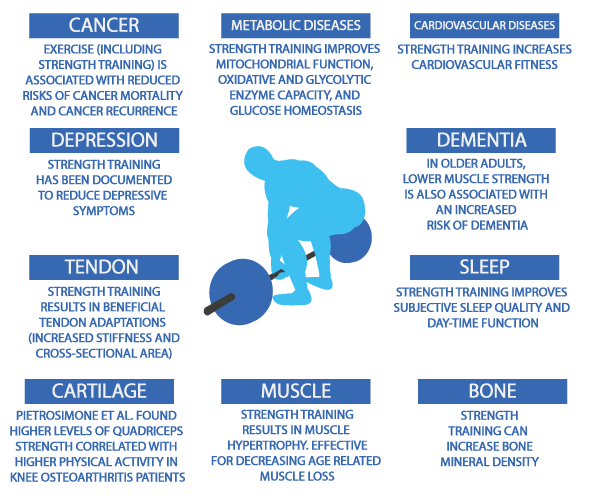
Boost your endurance by incorporating strength training into your routine. It enhances muscle efficiency and supports longer cardio sessions. Strengthening key muscle groups can improve stamina and overall performance.
Strength training isn’t just for building muscle; it’s a secret weapon for enhancing endurance. By integrating strength exercises, you can boost your cardio performance, allowing you to run longer, cycle further, or simply enjoy more energetic days. Strength workouts help build muscle fibers that support endurance activities, making your heart and lungs work more efficiently. As your muscles become stronger, they require less oxygen during exertion, which helps sustain energy levels over longer durations. Have you ever noticed how professional athletes seamlessly blend strength training with their endurance routines? This synergy is your key to unlocking greater stamina.Bodyweight Exercises
Bodyweight exercises are a fantastic way to start building endurance without any fancy equipment. These exercises rely on your body as the resistance, making them accessible and effective. Think push-ups, squats, and lunges—each move strengthens core muscles and promotes balance. Try incorporating planks into your routine. Not only do they engage multiple muscle groups, but they also enhance stability, which is crucial for endurance. Challenge yourself by increasing the duration or reps, and watch your stamina soar.Weightlifting
Weightlifting isn’t just about bulking up; it’s about enhancing your endurance capabilities. By lifting weights, you improve muscle strength and power, which can translate into better performance in endurance activities. Consider starting with compound movements like deadlifts and bench presses. These exercises work multiple muscle groups simultaneously, making them efficient for building strength. Gradually increase weights to keep challenging your muscles. The stronger your muscles become, the more efficiently they can endure prolonged activities, supporting your cardio goals.Resistance Bands
Resistance bands offer a versatile option for strength training that can complement your endurance workouts. They provide variable resistance, making your muscles work harder as you stretch them. Exercises like band rows and shoulder presses can enhance muscle endurance and flexibility. Resistance bands are portable, allowing you to perform strength training anywhere. They’re perfect for adding variety to your routine, keeping your muscles guessing and your workouts exciting. Plus, they’re gentle on joints, making them an excellent choice for all fitness levels.Nutrition And Hydration
Boosting cardio and endurance requires proper nutrition and hydration. Eat balanced meals rich in proteins, carbs, and healthy fats. Drink plenty of water to maintain energy levels and support muscle function during workouts.
Improving cardio and endurance isn’t just about pounding the pavement or clocking hours at the gym. It’s a holistic approach, where nutrition and hydration play pivotal roles. Imagine your body as a high-performance machine; without the right fuel and adequate lubrication, it’s bound to sputter. Let’s explore how eating right and staying hydrated can turbocharge your endurance journey.Balanced Diet
A balanced diet is not just about counting calories. It’s about ensuring your body gets the nutrients it craves to perform at its peak. Include a mix of carbohydrates, proteins, and fats. Carbs are your body’s preferred source of energy during intense workouts. Proteins help repair and build muscle. Healthy fats, like those from avocados or nuts, are essential for sustained energy. Consider adding whole grains, lean meats, and plenty of fruits and vegetables to your meals. They provide vitamins and minerals that support heart health and boost stamina.Importance Of Hydration
Hydration is more than just quenching thirst. It’s about keeping your muscles working efficiently and your body temperature regulated. Have you ever felt sluggish during a run? That could be dehydration talking. Water helps transport nutrients to cells and removes waste products. Drink regularly throughout the day, and don’t wait until you’re thirsty. Consider incorporating electrolytes if you’re exercising for long durations. They help maintain fluid balance and prevent cramping.Pre And Post-workout Nutrition
Timing your nutrition can make a huge difference in performance and recovery. Before you hit the gym, aim for a small, carb-rich snack, like a banana or oatmeal, about 30 minutes prior. It provides quick energy without weighing you down. After your workout, focus on replenishing glycogen stores and repairing muscles. A combination of protein and carbs is ideal. Think a smoothie with protein powder and berries or a chicken wrap. How do you feel after eating a balanced meal post-workout? Energized and ready for the next challenge, perhaps. Don’t underestimate the power of proper nutrition in enhancing your cardio and endurance.Tracking Progress
Tracking your progress helps improve cardio and endurance by revealing strengths and weaknesses. Regularly note your performance to adjust your exercise routine effectively.
Tracking your progress is crucial when aiming to improve your cardio and endurance. Seeing tangible results can boost your motivation and help tailor your workout plan to fit your needs. Whether you’re a beginner or a seasoned athlete, tracking allows you to assess your growth and make informed decisions about your fitness journey.Using Fitness Apps
Fitness apps offer a convenient way to keep tabs on your workouts. They can track your running distance, pace, and even calories burned. Apps like Strava or MyFitnessPal have social features, allowing you to share progress with friends. This creates a supportive community and adds a fun competitive edge to your workouts. Have you tried using an app to track your fitness goals?Monitoring Heart Rate
Monitoring your heart rate is an insightful way to gauge your cardio improvements. A heart rate monitor gives real-time feedback during workouts, helping you understand your exertion levels. Aim to stay within your target heart rate zone to maximize endurance training. Have you noticed how your heart rate changes during different exercises?Keeping A Workout Journal
A workout journal is a simple yet effective tool for tracking your progress. Document your exercise routines, durations, and how you felt after each session. This allows you to identify patterns or pinpoint days when you were particularly strong. Writing down your achievements can be rewarding and keeps you accountable. What insights have you discovered from your workout journal entries?Rest And Recovery
Rest and recovery are crucial for improving cardio and endurance. Regular breaks help muscles heal and grow stronger. Proper rest enhances performance and builds stamina over time.
Rest and recovery are key to improving cardio and endurance. They allow your body to heal and strengthen. Without proper rest, you might face fatigue or injuries. Recovery helps maintain progress and prevent setbacks. Balancing exercise with rest is crucial for long-term success.Importance Of Rest Days
Taking rest days is vital for muscle repair. It reduces the risk of injury and boosts performance. Muscles need time to recover after intense workouts. Overworking can lead to exhaustion and slower progress. Scheduled rest days help maintain energy and motivation.Stretching And Flexibility
Stretching improves flexibility and prevents muscle tightness. It enhances blood flow and reduces soreness after workouts. Regular stretching aids recovery and increases range of motion. Short, daily sessions can support endurance growth. Flexibility ensures safer and more effective exercises.Quality Sleep
Quality sleep is essential for recovery and endurance enhancement. It aids muscle repair and replenishes energy. Lack of sleep affects concentration and workout efficiency. Aim for 7-9 hours of restful sleep each night. A consistent sleep routine promotes better performance and overall health.Staying Motivated
Boost cardio and endurance by setting clear goals. Celebrate small victories to stay motivated. Mix up exercises to keep things interesting and challenge your body.
Staying motivated can be one of the biggest hurdles when trying to improve your cardio and endurance. The initial excitement might carry you through the first few workouts, but what happens when that excitement fades? How do you keep pushing forward, even when the couch seems more inviting than another lap around the track? The key is to find strategies that keep you engaged and committed to your fitness journey.Setting Realistic Goals
Begin by setting goals that are attainable and relevant to your personal fitness level. Imagine the satisfaction of achieving a goal that you set for yourself; it’s a powerful motivator. Break larger goals into smaller, manageable milestones. Instead of aiming to run a marathon right away, start with a 5K. Celebrate each achievement, no matter how small, to keep your momentum going.Finding A Workout Buddy
A workout buddy can transform your exercise routine from a solitary task to a fun, social activity. When you have someone expecting you at the gym or the track, it’s harder to skip a session. A friend can offer encouragement and share in your victories, making the process much more enjoyable. Plus, having someone to chat with can make those long runs feel shorter and less daunting.Joining Fitness Communities
Fitness communities provide support, accountability, and a sense of belonging. Whether online or offline, these communities are full of people with similar goals. They can offer advice, share experiences, and cheer you on. Join local running clubs or online forums to expand your network. You’ll find that sharing your journey with others can be both motivating and rewarding. Consider how these strategies can fit into your routine. Which ones align with your lifestyle and preferences? As you explore each option, remember that staying motivated is a personal journey. What works for one person might not work for another, so be open to trying different approaches until you find your perfect match.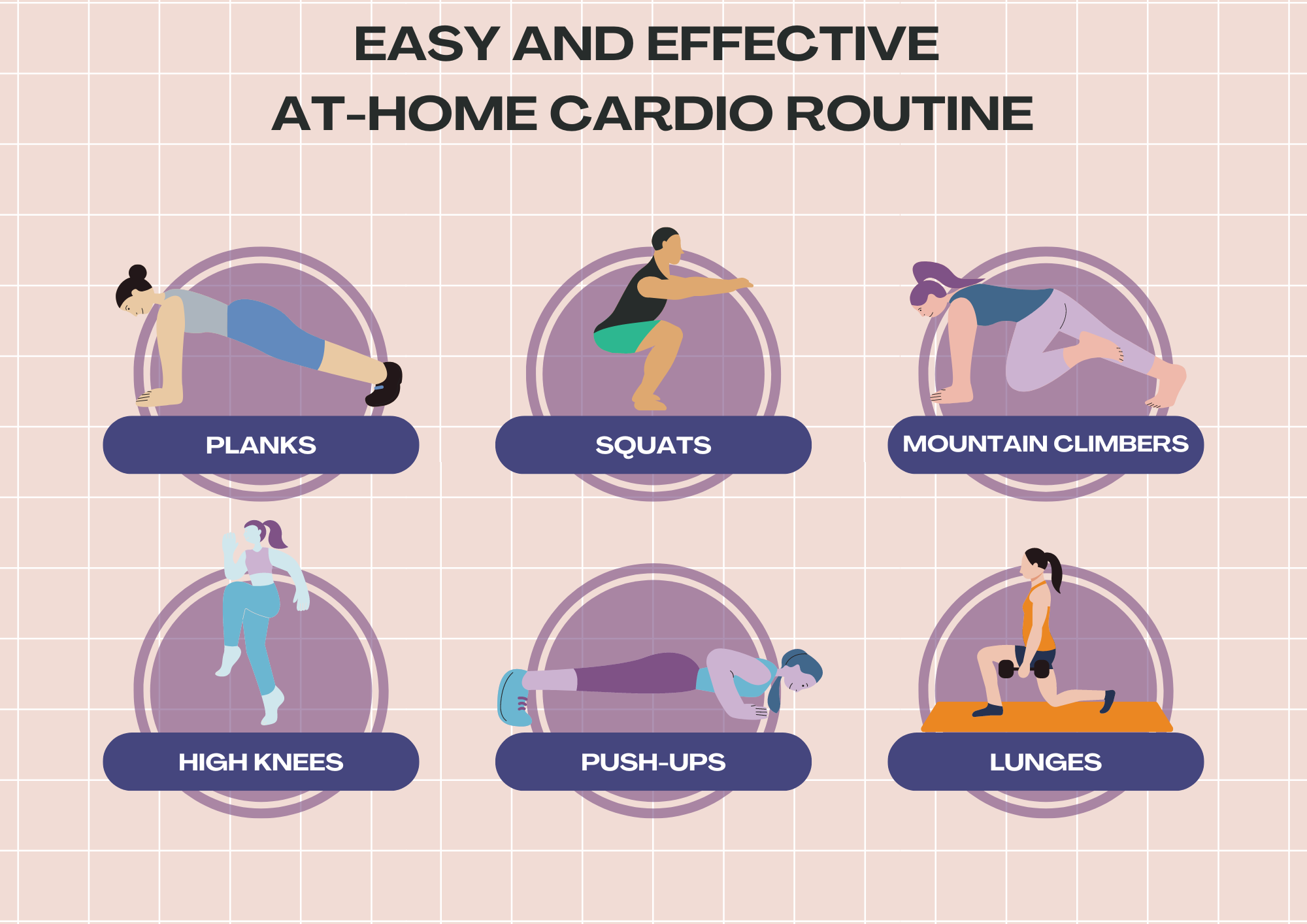
Credit: myyogateacher.com
Frequently Asked Questions
What Are The Best Exercises For Cardio?
The best exercises for cardio include running, cycling, swimming, and jumping rope. These activities effectively increase heart rate and improve cardiovascular endurance. Incorporating interval training can further enhance benefits. Aim for at least 150 minutes of moderate-intensity cardio weekly for optimal results.
How Often Should I Do Cardio Workouts?
For optimal cardiovascular health, aim for 150 minutes of moderate-intensity cardio weekly. This equates to about 30 minutes, five days a week. Adjust frequency based on fitness goals and recovery needs. Consistency is key to improving endurance and achieving long-term health benefits.
Can Diet Affect Cardio And Endurance?
Yes, diet significantly impacts cardio and endurance levels. Consuming a balanced diet rich in carbohydrates, proteins, and healthy fats fuels your workouts. Proper hydration is also crucial for maintaining performance. Avoiding processed foods and excessive sugars can enhance energy levels and overall endurance.
What Role Does Rest Play In Endurance Training?
Rest is crucial for endurance training, allowing muscles to repair and grow. It helps prevent overtraining and reduces injury risks. Incorporate rest days or active recovery sessions into your routine. Listening to your body ensures sustainable progress and improved performance over time.
Conclusion
Improving cardio and endurance takes effort and commitment. Start small and build gradually. Listen to your body; rest when needed. Mix different exercises to keep it fun. Running, cycling, swimming—choose what you enjoy. Consistency is key; make it a routine.
Stay motivated with goals and track progress. Celebrate small victories. Hydrate well and eat healthy foods. Remember, patience leads to success. Everyone’s journey is unique. You’re capable of achieving your fitness goals. Keep pushing forward. Embrace the challenge. You’ll feel stronger and more energetic over time.
Enjoy the process and stay dedicated. Fitness is a lifelong journey.