Do you ever find yourself out of breath after climbing a few stairs? Or maybe you’re struggling to keep up during a group workout?
You’re not alone. Many people face challenges with their cardio endurance, but the good news is that you can improve it. Imagine feeling unstoppable, with the energy to tackle any physical activity without a second thought. Boosting your cardio endurance isn’t just about exercise; it’s about transforming your lifestyle into one that supports vitality and stamina.
In this guide, we’ll explore simple and effective strategies to elevate your endurance, helping you feel stronger and more confident in your daily life. Get ready to discover how small changes can lead to big improvements, and why this journey is worth every step.
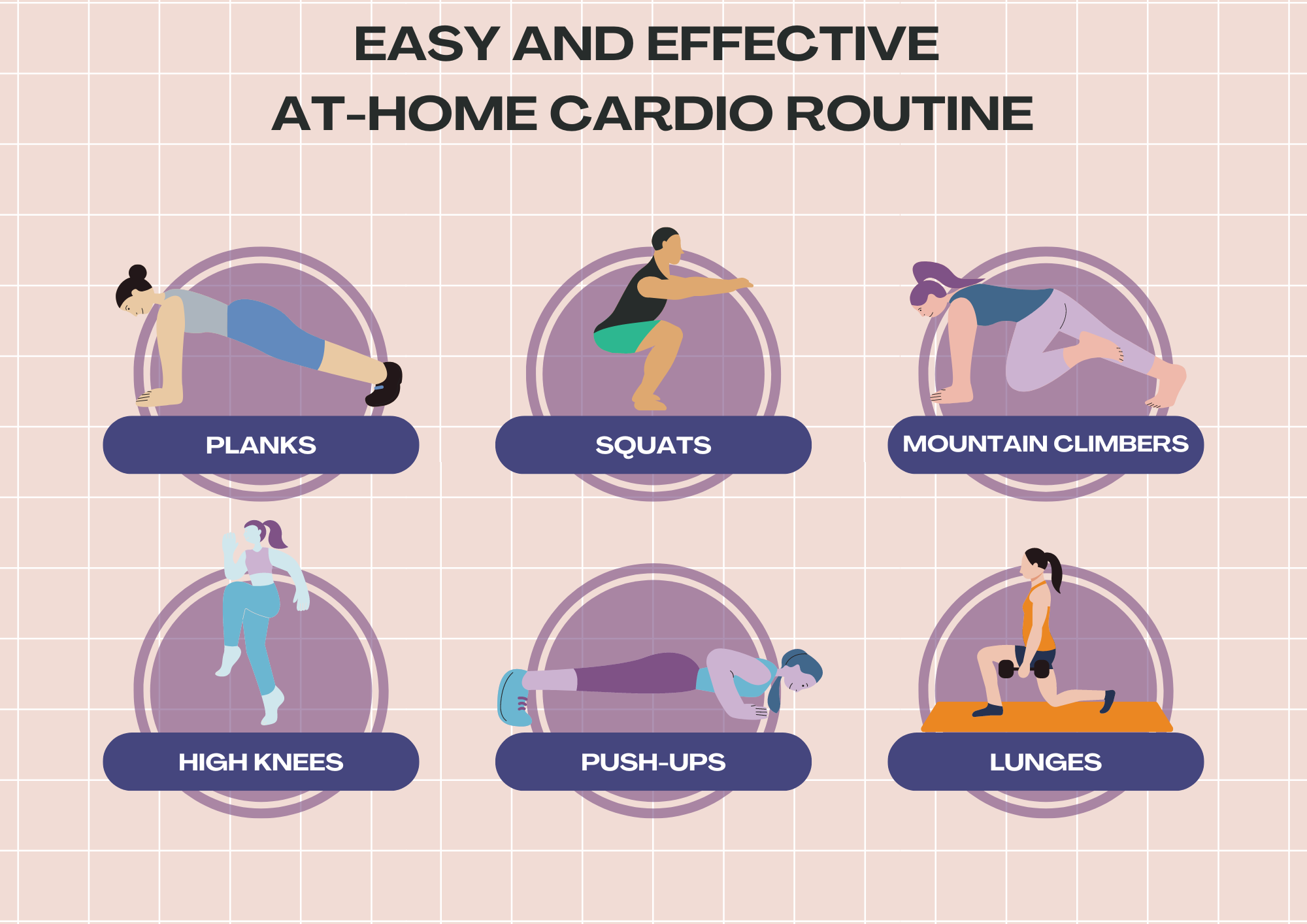
Credit: myyogateacher.com
Understanding Cardio Endurance
Boosting cardio endurance involves regular exercise, balanced diet, and consistent training. Mix activities like running, cycling, and swimming to strengthen your heart. Gradually increase workout intensity for effective results.
Understanding Cardio Endurance Cardio endurance is the ability of your heart and lungs to sustain exercise. It plays a crucial role in overall fitness. People with good cardio endurance can perform physical activities longer without tiring. This endurance is essential for activities like running, cycling, and swimming.What Is Cardio Endurance?
Cardio endurance measures how efficiently your body uses oxygen during exercise. It involves the heart pumping blood effectively and muscles using oxygen for energy.Benefits Of Cardio Endurance
Improving cardio endurance enhances health. It lowers risk of heart disease. It boosts energy levels and improves mood. Better endurance helps in weight management.How To Assess Cardio Endurance
You can assess endurance with tests like the Cooper Test. Check how far you can run in 12 minutes. Other tests include treadmill exercises.Ways To Improve Cardio Endurance
Start with regular exercise. Activities like jogging, cycling, or swimming can help. Gradually increase duration and intensity. Include interval training for better results.Importance Of Consistency
Consistency is key to building endurance. Exercise regularly to see improvements. Set achievable goals and track progress.Benefits Of Improved Cardio Endurance
Enhancing cardio endurance boosts heart health and increases energy levels. It helps in maintaining a healthy weight and reduces stress.
Cardio endurance is vital for a healthy lifestyle. It boosts heart health and enhances energy levels. Improved endurance brings many benefits to everyday life. It helps you feel more energetic and active. Increasing your cardio endurance can lead to a better quality of life. Let’s explore the benefits of improved cardio endurance.Better Heart Health
Cardio endurance strengthens the heart muscle. A strong heart pumps blood efficiently. This reduces the risk of heart disease. Regular cardio workouts improve circulation. They help lower blood pressure and cholesterol levels.Increased Energy Levels
Good cardio endurance boosts energy. It reduces fatigue and increases stamina. This helps you stay active throughout the day. You can perform daily tasks with ease. It also helps in better sleep quality.Weight Management
Cardio exercises burn calories. They help maintain a healthy weight. Improved endurance supports weight loss goals. It increases metabolism, making it easier to shed pounds. It helps tone muscles and improve body composition.Enhanced Mood And Mental Health
Cardio releases endorphins. These are known as feel-good hormones. They improve mood and reduce stress. Regular workouts can combat depression. They promote mental well-being and relaxation.Improved Lung Capacity
Increased cardio endurance enhances lung function. It helps breathe better during physical activities. More oxygen reaches your muscles, improving performance. This makes exercises feel less strenuous over time.Better Recovery And Performance
Enhanced endurance speeds up recovery after workouts. It reduces muscle soreness. Improved performance in sports and activities is also a benefit. You can achieve personal fitness goals more effectively.Setting Realistic Goals
Boost your cardio endurance by setting achievable goals tailored to your fitness level. Gradually increase workout intensity and duration. Stay consistent and monitor your progress regularly.
Setting realistic goals is the first step in boosting cardio endurance. It helps maintain motivation and track progress. Setting clear, achievable targets can make training more effective. Goals keep you focused and provide a sense of accomplishment.Identify Your Current Fitness Level
Start by assessing your current cardio fitness. This means understanding your stamina and endurance. Take note of how long and intensely you can exercise. Knowing your baseline helps set achievable goals.Define Specific And Measurable Goals
Set clear and precise goals for your cardio workouts. Instead of aiming to “run more,” aim to “run for 20 minutes.” Specific goals make it easier to track progress. They also help maintain focus during training.Set Short-term And Long-term Goals
Short-term goals offer quick wins and motivation. These could be weekly or monthly targets. Long-term goals provide a bigger picture, like running a 5K in six months. Balancing both types keeps the journey exciting and rewarding.Adjust Goals As Needed
Be flexible with your goals. Sometimes, life gets in the way or progress stalls. It’s okay to adjust targets. Changing goals doesn’t mean failure. It means adapting to keep moving forward.Celebrate Achievements
Recognize and celebrate every milestone, big or small. Achieving a goal boosts confidence and motivation. Celebrations make the journey enjoyable and fulfilling. Reward yourself with something meaningful to you. Setting realistic goals makes cardio training manageable and fun. It keeps you motivated and helps track your progress.Effective Cardio Workouts
Boosting your cardio endurance is essential for a healthy lifestyle. Effective workouts can significantly improve your stamina. Engaging in various activities keeps your routine exciting and diverse. Each workout targets different muscle groups. This makes your fitness journey more dynamic. Let’s explore some activities that can enhance your cardio endurance.
Running And Jogging
Running and jogging are excellent for building endurance. Start with short distances and gradually increase your pace. This helps your body adapt to the stress. Choose different terrains like hills and trails. This adds variety and challenges your muscles. Proper form is crucial to prevent injuries. Ensure you wear comfortable shoes for support.
Cycling
Cycling is a low-impact workout that boosts endurance. It strengthens your legs and improves cardiovascular health. Begin with flat roads and progress to hills. This enhances your stamina over time. Indoor cycling classes offer structured routines. These classes can be motivating and fun. Always ensure your bike fits well to avoid discomfort.
Swimming
Swimming engages multiple muscle groups simultaneously. It’s gentle on joints, making it ideal for all ages. Different strokes work various parts of your body. Start with freestyle and gradually try other strokes. Pool workouts improve lung capacity and endurance. Swimming regularly enhances your overall fitness level.
Jump Rope
Jump rope is a simple yet effective cardio workout. It helps improve coordination and endurance. Start with short sessions to build rhythm. Increase duration as your stamina grows. It’s a great way to get your heart rate up quickly. Jump rope can be done almost anywhere. It’s portable and requires minimal equipment.
Incorporating Interval Training
Boost cardio endurance by incorporating interval training. Alternate between high-intensity bursts and recovery periods. This method enhances stamina and keeps workouts exciting.
Incorporating interval training into your routine can boost your cardio endurance. This method involves alternating between high and low-intensity exercise periods. It’s effective and keeps workouts exciting. By challenging your body in different ways, you improve stamina and strength. Plus, it helps burn more calories in less time. Let’s explore how you can start with interval training.Understanding Interval Training
Interval training combines short bursts of intense activity with rest. This approach strengthens your heart and lungs. It also increases oxygen efficiency. Start with simple exercises like jogging, cycling, or swimming. The key is to push hard, then rest and repeat.Benefits Of Interval Training
Interval training improves heart health. It reduces the risk of heart disease. Also, it boosts metabolism and burns fat. It saves time compared to steady-state cardio. This makes it ideal for busy schedules.Sample Interval Training Routine
Begin with a 5-minute warm-up. This prepares your muscles and reduces injury risk. Then, perform 30 seconds of high-intensity exercise. Follow with 1 minute of low-intensity recovery. Repeat for 15 to 20 minutes. Finish with a cool-down to relax your muscles.Tips For Effective Interval Training
Choose exercises you enjoy. This keeps you motivated. Listen to your body and avoid overexertion. Gradually increase intensity and duration. Ensure you have rest days to recover. Proper hydration and nutrition support your training efforts.Credit: www.lemon8-app.com
Building Consistency
Building consistency in cardio workouts boosts endurance. Set regular schedules and gradually increase exercise intensity. Stay committed and patient for lasting results.
Building consistency in your cardio routine is essential for improving endurance. Regular exercise strengthens your heart and lungs, making it easier to sustain longer workouts. Establishing a steady schedule helps maintain motivation and progress. It’s not just about pushing your limits; it’s about making exercise a part of your lifestyle.Set Realistic Goals
Begin with achievable goals to avoid discouragement. Aim for small, incremental improvements. Focus on duration, not speed, in the beginning. Gradually increase your workout time each week. Celebrate small victories to keep yourself motivated.Create A Workout Schedule
Plan your workouts for the week ahead. Consistency is key, so stick to your schedule. Choose days and times that suit your routine. Make exercise a priority and part of your daily habit. Use a calendar or app to track your workouts.Find An Exercise Buddy
Partnering up can boost motivation and accountability. Choose a friend with similar goals. Plan joint workouts to keep each other on track. Share tips and progress to inspire one another. Having someone by your side makes exercise more enjoyable.Mix Up Your Workouts
Incorporate different activities to keep things interesting. Try swimming, cycling, or running. Use interval training to vary intensity. Change your routine every few weeks to prevent boredom. A varied approach keeps your body challenged and engaged.Listen To Your Body
Pay attention to how your body feels during workouts. Rest if you’re tired or experiencing pain. Adjust your intensity based on your energy levels. Consistency is important, but overtraining can lead to injury. Balance exercise with proper recovery time.Track Your Progress
Keep a journal of your workouts and improvements. Document your time, distance, and energy levels. Review your progress weekly to stay motivated. Use apps or fitness trackers for more detailed insights. Tracking helps you recognize achievements and set new goals.Monitoring Progress
Boost cardio endurance by integrating consistent exercise routines into daily life. Increase intensity gradually to challenge your heart and lungs. Track progress to stay motivated and adjust workouts for better results.
Monitoring your progress is crucial in improving cardio endurance. It helps you understand your starting point, track improvements, and set realistic goals. Regular tracking keeps you motivated and provides a clear picture of your fitness journey. Use simple methods that suit your lifestyle and preferences.Using Fitness Apps
Fitness apps provide a convenient way to track your progress. Many apps offer detailed insights into your workouts. They help you monitor distance, time, and calories burned. Some apps even suggest workouts tailored to your goals. Choose an app that aligns with your needs. Ensure it is user-friendly and easy to navigate.Heart Rate Monitors
Heart rate monitors are effective tools for tracking cardio improvements. They provide real-time feedback on your heart rate during exercise. Monitoring your heart rate helps you understand your workout intensity. Aim for a heart rate zone that challenges you but is safe. Over time, you should notice a decrease in your resting heart rate.Keeping A Workout Journal
A workout journal offers a simple way to record progress. Write down the details of each workout session. Include the type of exercise, duration, and how you felt. This practice helps identify patterns and areas for improvement. Review your journal regularly to see how far you’ve come.Weekly Progress Photos
Photos offer a visual record of your progress. Take weekly photos to document physical changes. Compare these photos to see your transformation over time. This method boosts motivation by highlighting visible results. Ensure good lighting and consistency in your photos for accurate comparisons.Setting Milestones
Setting milestones keeps your journey focused and organized. Break down your goals into smaller, achievable steps. Celebrate each milestone to boost motivation. This approach provides a structured path to achieving your ultimate goal. Adjust milestones as needed to keep them challenging yet attainable.Nutrition And Hydration
Enhancing cardio endurance isn’t just about exercise. Nutrition and hydration play crucial roles. Proper fuel and fluid intake can significantly boost stamina and recovery. Balanced meals and adequate water ensure your body functions optimally during workouts.
Understanding The Basics Of Nutrition
Nutrition provides energy for physical activities. Focus on nutrient-rich foods. Include complex carbohydrates like whole grains. They offer slow-releasing energy. Protein helps repair muscles. Lean meats, beans, and tofu are excellent sources. Don’t forget healthy fats. Avocados and nuts support joint health.
Importance Of Hydration
Water is essential for endurance. It regulates body temperature and prevents fatigue. Aim to drink at least 8 glasses daily. Increase intake during intense workouts. Dehydration can lead to cramps and decreased performance.
Pre-workout Meal Ideas
A good pre-workout meal boosts energy. Try oatmeal with berries. It provides carbohydrates and antioxidants. A banana with almond butter is another option. It offers potassium and healthy fats.
Post-workout Nutrition
Post-exercise nutrition aids recovery. Consume protein and carbohydrates within an hour. A smoothie with yogurt and fruit is ideal. It replenishes lost nutrients and repairs muscles.
Tracking Hydration Levels
Monitor your hydration. Check urine color. Pale yellow indicates proper hydration. Darker colors suggest you need more water. Carry a water bottle to remind yourself to drink.
Foods To Avoid
Certain foods can hinder endurance. Avoid sugary snacks. They cause energy crashes. Limit fried foods. They can lead to sluggishness.
Hydration Tips For Better Endurance
- Drink before, during, and after workouts.
- Include electrolytes for long sessions.
- Infuse water with lemon or cucumber for flavor.
Creating A Balanced Diet Plan
Plan meals around workout schedules. Ensure a mix of proteins, carbs, and fats. Tailor portions to your activity level. Adjust based on exercise intensity.
Benefits Of Consistent Nutrition And Hydration
Consistency enhances endurance. It improves performance and reduces injury risks. A well-nourished body recovers faster. Stay committed to healthy habits.
Rest And Recovery
Rest and recovery are vital for boosting cardio endurance. They help the body heal, reducing fatigue and enhancing performance. Regular rest days and quality sleep ensure muscles repair effectively, supporting better endurance in workouts.
Rest and recovery are essential for improving cardio endurance. They allow your body to heal and strengthen. Without proper rest, you risk injury and burnout. Understanding how to rest can boost your performance over time.Understanding The Importance Of Rest Days
Rest days are crucial for muscle recovery. They help repair tissues and replenish energy. Skipping rest can lead to fatigue and slow progress. Plan rest days into your weekly routine.Quality Sleep For Optimal Recovery
Sleep is vital for recovery. Aim for 7-9 hours each night. Quality sleep helps repair muscles and reduces stress. Create a calming bedtime routine to improve sleep quality.Incorporating Active Recovery
Active recovery helps maintain movement without overexertion. Engage in light activities like walking or yoga. These activities enhance blood flow and reduce muscle soreness.Hydration And Nutrition For Recovery
Proper hydration and nutrition support recovery. Drink water throughout the day to stay hydrated. Consume balanced meals with proteins, carbs, and healthy fats.Listening To Your Body
Your body gives signals when rest is needed. Pay attention to fatigue or soreness. Adjust your routine based on these signs to prevent overtraining.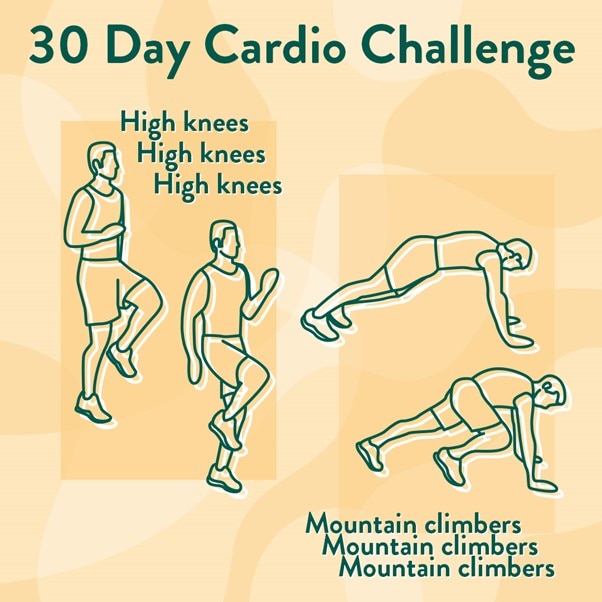
Credit: www.hollandandbarrett.com
Staying Motivated
Boosting cardio endurance requires consistency and variety in workouts. Mix running, cycling, and swimming to challenge your body. Gradually increase intensity and duration for better results.
Staying motivated while working on your cardio endurance can be challenging. You start strong, but it’s easy to lose steam along the way. What keeps you moving when the initial excitement fades? Taking steps to stay motivated is crucial for your long-term success. With the right mindset and strategies, you can maintain your enthusiasm and achieve your fitness goals.Set Realistic Goals
Begin with small, achievable goals that are easy to track. Instead of aiming to run a marathon, start with running a mile without stopping. Celebrate these small victories to keep your momentum going.Track Your Progress
Use a fitness app or a journal to record your workouts. Seeing how far you’ve come can boost your motivation. It provides tangible proof of your improvement and encourages you to push further.Mix It Up
Avoid monotony by varying your cardio activities. Try cycling, swimming, or a dance class to keep things interesting. New experiences can reignite your passion and prevent boredom.Find A Workout Buddy
Partnering with a friend can make workouts more enjoyable. You’ll hold each other accountable, making it less likely you’ll skip a session. Shared experiences can also strengthen friendships.Reward Yourself
Set up a reward system for reaching milestones. Treat yourself to a new workout outfit or a relaxing massage. These rewards give you something to look forward to and acknowledge your hard work.Visualize Success
Imagine the benefits you’ll gain from improved cardio endurance. Picture yourself with more energy and vitality. This mental image can be a powerful motivator to keep you on track.Stay Positive
Embrace a positive mindset by focusing on what you can do, rather than what you can’t. Encourage yourself with affirmations and remind yourself of your progress. Positivity can transform challenges into opportunities for growth. Staying motivated is about finding what works for you. Experiment with these strategies and discover which ones resonate the most. What keeps you moving forward on your fitness journey?Frequently Asked Questions
What Are The Best Exercises For Cardio Endurance?
To boost cardio endurance, engage in aerobic activities like running, cycling, and swimming. These exercises elevate your heart rate and improve stamina. Consistency is key. Aim for at least 150 minutes of moderate aerobic exercise weekly. Gradually increase intensity and duration to build endurance effectively.
How Often Should I Train For Cardio Endurance?
For optimal cardio endurance, train 3-5 times weekly. Consistency is crucial for progress. Mix moderate and vigorous-intensity workouts to challenge your body. Allow rest days for recovery. Listen to your body and adjust your routine accordingly to avoid overtraining and injuries.
Can Diet Impact My Cardio Endurance?
Yes, diet plays a crucial role in cardio endurance. Consume a balanced diet rich in carbohydrates, proteins, and healthy fats. Hydration is vital for optimal performance. Fuel your body with nutrient-dense foods to support energy levels and recovery. Avoid processed foods and prioritize whole, natural ingredients.
How Long Does It Take To Improve Cardio Endurance?
Improving cardio endurance varies per individual. Noticeable improvements can occur within 4-6 weeks with consistent training. Factors like age, fitness level, and exercise intensity influence progress. Patience and dedication are essential. Track your progress and adjust your routine to maintain motivation and continue improving.
Conclusion
Building cardio endurance takes time and patience. Set achievable goals. Small, consistent efforts matter. Mix exercises to keep workouts exciting. Walking, running, biking. All great choices. Listen to your body. Rest is crucial. Stay hydrated and eat well. Every step counts.
Celebrate progress, no matter how small. Enjoy the journey. Remember, endurance is personal. It grows with dedication. Keep pushing forward. Share your experiences with others. Inspire and get inspired. Your cardio journey is unique. Embrace it. Keep moving. You got this.