Are you finding it tough to sink deeper into your favorite yoga poses? Want to enhance your flexibility to make your yoga practice more fulfilling?
You’re not alone. Many of us dream of flowing effortlessly through yoga sequences, but tight muscles and limited flexibility often hold us back. Imagine being able to bend, stretch, and reach with ease, transforming your yoga sessions into a more graceful experience.
By focusing on increasing your flexibility, you’ll not only improve your yoga performance but also boost your overall well-being. Dive into this guide from Yogaoutlet. Com, where we’ll explore simple, yet effective ways to become more flexible for yoga. You’ll discover tips and techniques that fit seamlessly into your routine, helping you unlock a new level of comfort and fluidity on the mat. Ready to stretch your potential? Let’s get started!

Credit: www.facebook.com
Benefits Of Flexibility In Yoga
Improving flexibility in yoga enhances your posture and reduces injury risk. Regular practice leads to better muscle elasticity. Visit YogaOutlet. com for guidance on increasing flexibility through simple yoga techniques.
Flexibility in yoga offers numerous benefits for both the mind and body. It enhances your ability to perform poses, reduces the risk of injury, and improves posture. With increased flexibility, the body moves more freely, promoting relaxation and reducing tension. It also contributes to better circulation, leading to improved overall health. As flexibility improves, so does your balance and coordination, making yoga practice more rewarding.Improved Posture
Flexibility helps align the spine properly. This reduces strain on muscles and joints. Good posture also boosts confidence and energy levels. It makes breathing easier and more efficient.Enhanced Muscle Strength
Flexible muscles are strong and resilient. Yoga stretches muscles gently, increasing their strength over time. Strong muscles support joints, reducing the risk of injury. Strength and flexibility complement each other.Better Balance And Coordination
Flexibility contributes to better balance. It allows you to maintain poses longer without wobbling. Improved coordination helps in everyday activities, making movements smoother and more controlled.Reduced Risk Of Injury
Flexible muscles and joints are less prone to injury. They absorb impact better and recover faster. Yoga teaches you to listen to your body, preventing over-extension.Enhanced Blood Circulation
Flexibility improves blood flow throughout the body. This nourishes muscles and organs, enhancing their function. Good circulation also aids in faster recovery and healing.Greater Relaxation And Stress Relief
Flexible muscles release tension more effectively. Yoga promotes relaxation, easing stress and anxiety. It fosters a sense of calm and peace, improving mental well-being.Increased Range Of Motion
Flexibility expands your range of motion. This makes everyday tasks easier and more comfortable. It allows for greater freedom in movement, enhancing physical activity.Setting Realistic Flexibility Goals
Setting realistic flexibility goals involves understanding your body’s limits and gradually increasing your range of motion. Consistent practice and proper stretching techniques can enhance flexibility over time, making yoga more enjoyable and beneficial.
Setting realistic flexibility goals is crucial for a successful yoga journey. Improving flexibility takes time, patience, and dedication. With achievable goals, your progress becomes more rewarding. Set goals that match your current abilities. Don’t rush the process. It’s about gradual improvement.Understanding Your Current Flexibility Level
Begin by assessing your current flexibility. This helps set realistic goals. Try simple stretches. Notice which areas feel tight. Write down your observations. This creates a baseline for growth.Importance Of Individualized Goals
Everyone’s body is unique. Set goals based on your needs. Avoid comparing with others. Focus on your own progress. Tailor goals to your physical limits. This ensures sustainable growth.Setting Short-term And Long-term Goals
Divide your goals into short-term and long-term. Short-term goals keep you motivated. Long-term goals provide direction. Short-term might be touching your toes. Long-term could be mastering the splits.Monitoring Your Progress
Track your flexibility improvements. Use a journal or app. Document your achievements. Reflect on challenges faced. Adjust goals as needed. Celebrate small victories.Adjusting Goals With Your Progress
Flexibility goals might change over time. As you improve, adjust your goals. Set new challenges. Keep pushing your limits. Stay motivated by evolving goals.Warm-up Techniques
Warming up is crucial for enhancing flexibility in yoga. It prepares your body by increasing blood flow to muscles. This helps prevent injuries and improves your yoga practice. A good warm-up routine should include dynamic stretching and breathing exercises. These techniques will ease your transition into deeper poses.
Dynamic Stretching
Dynamic stretching involves active movements that stretch muscles through their full range. These stretches activate muscles and increase heart rate. Perform leg swings to loosen hip joints. Arm circles are great for warming up shoulders. Dynamic stretches should be smooth and controlled. Avoid bouncing or jerky movements. This ensures muscles are ready for yoga poses.
Breathing Exercises
Breathing exercises calm the mind and relax muscles. Deep breathing enhances oxygen flow to muscles. Try inhaling deeply through the nose, then exhale slowly. This technique helps clear the mind and reduce tension. Alternate nostril breathing can balance energy. These exercises improve focus during your yoga session. Consistent practice leads to better flexibility and concentration.
Essential Yoga Poses For Flexibility
Yoga is a wonderful journey towards greater flexibility and balance. It helps your body stretch and relax, making you feel more fluid and agile. Practicing specific poses enhances your flexibility over time, allowing you to reach new heights in your yoga practice.
Forward Folds
Forward folds are excellent for stretching the spine and hamstrings. They calm the mind while releasing tension. Start with the Standing Forward Bend. Keep your knees slightly bent. Reach for your toes or the floor. Feel the stretch in your back and legs. Another pose is the Seated Forward Bend. Sit with legs straight, and lean forward gently. Hold your feet or ankles. Breathe deeply to ease into the stretch.
Hip Openers
Hip openers increase flexibility in the lower body. They help relieve tightness from sitting. Try the Butterfly Pose. Sit with feet together and knees apart. Gently push your knees toward the ground. Feel the stretch in your hips and groin. The Pigeon Pose is another option. Extend one leg back while bending the other. Lean forward slowly, allowing your hips to open.
Backbends
Backbends improve spinal flexibility and posture. They energize the body and mind. Begin with the Bridge Pose. Lie on your back and bend your knees. Lift your hips and chest, pressing your feet into the floor. Feel the stretch in your spine and chest. The Cobra Pose is another great choice. Lie face down, and place your hands under your shoulders. Lift your chest while keeping your legs on the floor. This pose strengthens the back and opens the chest.
Incorporating Props
Incorporating props like blocks or straps can significantly aid flexibility in yoga. They provide support and help maintain proper alignment, allowing deeper stretches safely.
Adding props to your yoga routine can be a game changer. They not only help you stretch deeper but also maintain correct posture. Props can make challenging poses accessible and safe for everyone.Blocks
Yoga blocks are an essential tool for both beginners and seasoned yogis. They provide stability and support, especially in balancing poses. Imagine trying to reach the floor in a forward bend but feeling a strain. Place a block under your hands to bridge the gap and maintain a safe stretch. Blocks also help in poses like Trikonasana, or triangle pose. When you can’t quite reach the floor, place your hand on a block. This modification keeps your spine aligned and your chest open.Straps
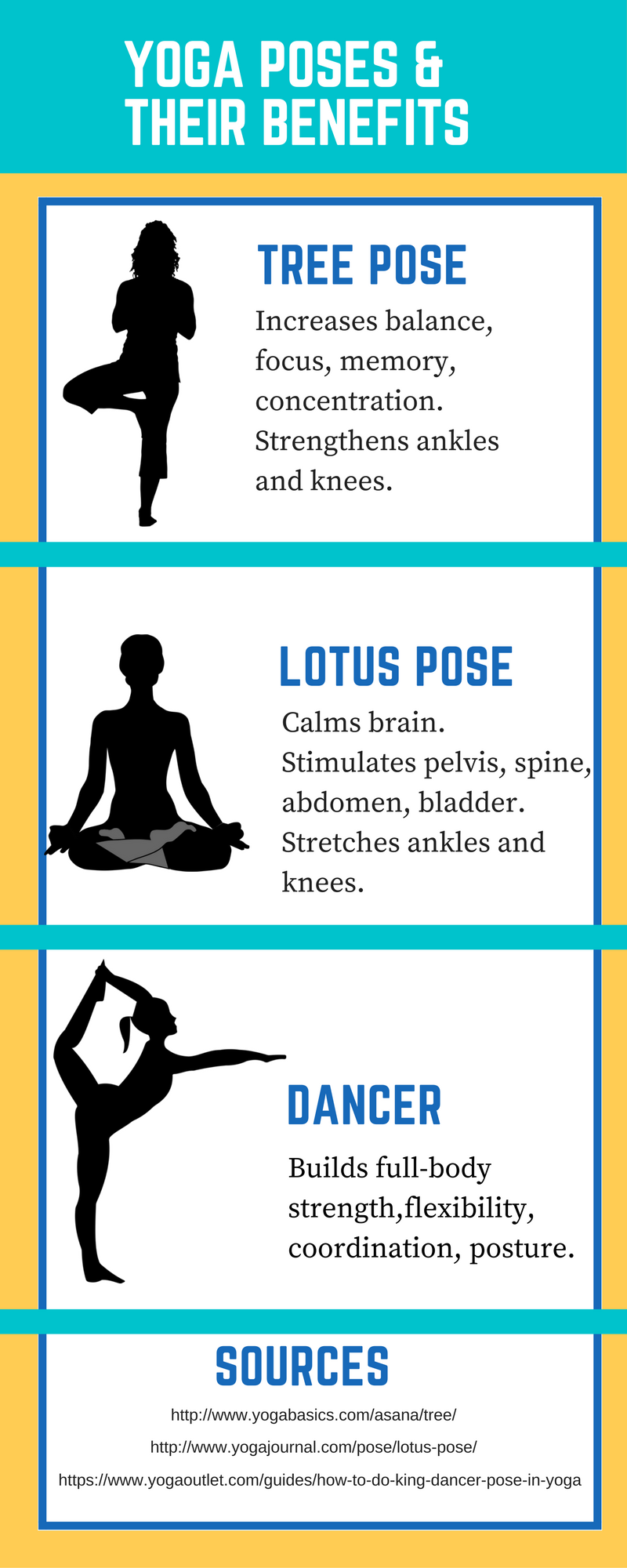
Straps are perfect for enhancing flexibility. They act as an extension of your arms in poses like Seated Forward Bend. Loop a strap around your feet and gently pull yourself forward. This helps you deepen the stretch without compromising your form. In poses like Dancer’s Pose, straps are a lifesaver. If you can’t reach your foot with your hand, use a strap to close the gap. This ensures you maintain balance and avoid straining your back. Are you ready to elevate your yoga practice with these simple tools? Try incorporating blocks and straps to see the difference they make.Daily Stretching Routines
Enhance your yoga practice with daily stretching routines. These routines improve flexibility, making yoga poses easier and more comfortable. Regular stretching helps increase range of motion, reducing stiffness and promoting better posture.
Getting more flexible for yoga involves consistent practice. Daily stretching routines can enhance your flexibility over time. These routines not only prepare your body for yoga but also improve posture and reduce tension. Incorporating these stretches into your daily schedule can lead to noticeable improvements.Warm-up Stretches
Begin with a gentle warm-up. This prepares your muscles for deeper stretches. A simple routine includes arm circles and leg swings. Spend a few minutes on each to increase circulation.Neck And Shoulder Stretch
Relieve tension in the neck and shoulders. Tilt your head to one side, holding for 15 seconds. Repeat on the other side. For shoulders, gently roll them forward and backward.Spinal Twist
Enhance spinal flexibility and relieve back pain. Sit with legs crossed, place one hand on the opposite knee, and twist gently. Hold for 20 seconds and switch sides.Hamstring Stretch
Improve flexibility in the back of your legs. Sit with one leg extended, reach for your toes, and hold for 15 seconds. Switch legs and repeat.Hip Opener
Open up tight hips with this stretch. Sit in a butterfly position, feet together, and knees out. Gently press your knees towards the ground.Quadriceps Stretch
Focus on the front thigh muscles. Stand on one leg, pull the opposite foot toward your buttock. Keep your knees together, and hold for 20 seconds. Switch sides to balance both legs.Cool Down And Relax
End your routine with a cool-down. Lie on your back, stretch your arms and legs out wide. Breathe deeply and relax for a few minutes. This helps your body to recover and prepares you for the next session.Listening To Your Body
Listening to your body is crucial in yoga practice. It helps improve flexibility safely. Your body sends signals about its limits. Paying attention is key for progress and avoiding injuries. Yoga is a personal journey. Understanding your body’s cues is essential for a fulfilling experience.
Yoga teaches mindfulness and body awareness. Notice how your muscles feel in each pose. Sometimes a stretch feels great; other times, it might be too much. Understanding these signals helps tailor your practice to your needs. Practice with patience and care for your body’s messages.
Avoiding Overstretching
Overstretching can lead to injuries. It’s important to know when to ease back. Muscles need gentle stretching to improve flexibility. Push too hard, and you risk damage. Start with small, controlled movements. Increase intensity gradually as your body adapts.
Recognizing Limits
Every body has its own limits. Recognizing these limits is essential in yoga. Feel a sharp pain or discomfort? It’s time to stop. A gentle pull or stretch is okay. Pain means it’s too much. Respect your body’s boundaries to grow safely. Flexibility improves with consistent practice, not force.
Credit: medium.com
The Role Of Nutrition And Hydration
Flexibility in yoga depends not just on stretching. Nutrition and hydration play a big part too. They fuel the body, aiding in recovery and performance. Eating the right foods and drinking enough water can improve flexibility.
Foods That Boost Flexibility
Some foods help muscles relax and stretch better. Include lots of fruits and vegetables. They are rich in vitamins and minerals. Leafy greens, berries, and citrus fruits are great choices. Add nuts and seeds for healthy fats. They reduce inflammation.
The Importance Of Staying Hydrated
Water keeps the muscles supple and flexible. It also helps remove toxins from the body. Drink at least eight glasses of water a day. Herbal teas and coconut water can also help. They replenish electrolytes lost through sweat.
Nutrients To Include In Your Diet
Omega-3 fatty acids are crucial. They reduce inflammation in the joints. Fish like salmon and walnuts are good sources. Vitamin C is vital for collagen production. It supports the tissues around joints. Include foods like oranges and broccoli.
Timing Your Meals And Drinks
Eat a light meal an hour before yoga. It gives energy without feeling heavy. Drink water throughout the day. Avoid drinking too much right before practice. It can cause discomfort during poses.
Tracking Progress
Tracking progress is key to improving flexibility for yoga. Set achievable goals and monitor your daily routines. Regular practice helps in gradually increasing range and ease of movement.
Tracking progress in yoga flexibility can be incredibly motivating. Keeping tabs on your journey helps you see improvements over time. It also helps identify areas needing more attention. Two effective methods for tracking progress include journaling and photo comparisons.Journaling
Writing down your experiences is a powerful tool. It allows you to reflect on your growth. Record details of your practice regularly. Note the poses you find challenging. Mention any discomfort or ease in movements. Add your emotions and thoughts during each session. This helps you understand your body better. Over time, reviewing your journal reveals patterns and progress. Celebrate small victories and milestones. This keeps motivation high.Photo Comparisons
Visual records can show progress in flexibility. Take photos of your poses regularly. Capture the same poses over weeks or months. Compare these photos to see changes. Notice improvements in posture or alignment. Even small changes can be significant. Use these photos as a visual diary. It provides a clear picture of your journey. Share these images with a yoga community for feedback. This can offer encouragement and tips for further improvement.Expert Advice And Resources
When you’re aiming to enhance your flexibility for yoga, tapping into expert advice and resources can make a world of difference. Just like you wouldn’t try to cook a gourmet meal without a recipe, improving your flexibility requires guidance and practice. Imagine having access to a treasure trove of resources that can transform your yoga practice. Whether you’re an absolute beginner or a seasoned yogi, the right resources can help you stretch those limits—literally! Below, you’ll find invaluable insights on how online classes, books, and guides can pave the way for a more flexible and fulfilling yoga journey.
Online Classes
Online classes are a fantastic way to learn from the comfort of your home. With instructors guiding you in real-time, you can focus on improving your poses while receiving immediate feedback. Yogaoutlet.com offers a wide range of classes tailored to different levels and needs. You can choose classes that specifically target flexibility, allowing you to follow along and gradually notice improvements.
Consider enrolling in specialized flexibility courses that integrate techniques like dynamic stretching. This not only enhances your flexibility but also supports your overall strength. Plus, it’s a chance to connect with a community of like-minded individuals who can motivate you to stretch further—literally and metaphorically.
Books And Guides
Dive into books and guides to deepen your understanding of yoga and flexibility. These resources often provide detailed explanations and step-by-step instructions for poses that enhance flexibility. They can become your companions in this journey, offering tips and tricks that aren’t typically covered in classes.
Find books that focus on the anatomy of yoga to get a better grasp of how your body works. Understanding the mechanics behind each pose can empower you to adjust and adapt, making each session more beneficial. Have you ever read a book that completely changed your approach to something? The right guide can do that for your yoga practice.
Both online classes and books offer a wealth of knowledge that can help you cultivate a more flexible body. Which resource will you explore first to elevate your yoga practice?

Credit: www.youtube.com
Frequently Asked Questions
How Can Beginners Increase Flexibility For Yoga?
Beginners can increase flexibility by practicing regularly, focusing on basic stretches like forward bends and hip openers. Consistency is key; aim for 3-5 sessions a week. Incorporating dynamic movements and holding poses for a few breaths helps gradually improve flexibility over time.
Always warm up before starting to prevent injuries.
What Stretches Improve Flexibility For Yoga?
To improve flexibility, focus on stretches like downward dog, cat-cow, and seated forward bends. These poses target key muscle groups and promote increased range of motion. Consistent practice, coupled with mindful breathing, enhances overall flexibility. Start with gentle stretching and gradually increase intensity as flexibility improves.
Can Yoga Improve Flexibility Quickly?
Yoga can improve flexibility over time with regular practice. While results vary, consistent stretching and pose holding enhance muscle elasticity. It’s important to be patient and persistent. Quick improvements are possible, but sustainable changes typically require dedication and regular sessions.
Listen to your body and progress at a comfortable pace.
How Often Should I Do Yoga For Flexibility?
For optimal flexibility, practice yoga 3-5 times weekly. Regular sessions help maintain progress and enhance muscle elasticity. Each session should include warm-ups, dynamic stretches, and static poses. Consistency is crucial, and incorporating rest days prevents strain. Tailor your routine to personal comfort and flexibility goals.
Conclusion
Practicing yoga can boost your flexibility over time. Focus on consistent practice. Listen to your body and avoid pushing too hard. Start with basic stretches to warm up your muscles. Gradually increase the difficulty of poses. Incorporate breathing exercises to enhance relaxation.
Consistency is key. A little progress daily can yield great results. Remember, flexibility is a journey, not a race. Enjoy the process and stay patient. The benefits will come with time. Visit YogaOutlet. com for helpful resources and gear. Keep practicing, and enjoy your yoga journey.