
Are you curious about how to get all the nutrition you need from a vegan diet? You’re not alone.
Many people are diving into plant-based eating, eager to enjoy the health benefits and ethical satisfaction it offers. But with so much information out there, it can feel overwhelming to ensure you’re meeting all your nutritional needs. Don’t worry; you’re about to discover the secrets to staying healthy and energized on a vegan diet.
Imagine feeling confident in your meal choices and never having to second-guess if you’re getting enough nutrients. By the end of this article, you’ll have a clear roadmap to nourish your body the right way. Let’s dive in and uncover how you can thrive on a vegan diet!
Benefits Of A Vegan Diet
Discover essential nutrients in plant-based foods with a balanced vegan diet. Include diverse fruits, vegetables, grains, and legumes for optimal health. Ensure protein, iron, and vitamin B12 intake through fortified products and supplements.
The benefits of a vegan diet extend far beyond personal health and well-being. Embracing a plant-based lifestyle can positively impact the planet, your health, and ethical standards. Let’s explore these benefits and see how they align with your values and goals.Environmental Impact
Choosing a vegan diet can significantly reduce your carbon footprint. Animal agriculture is a leading cause of deforestation, water pollution, and greenhouse gas emissions. By opting for plant-based foods, you contribute to conserving natural resources and protecting ecosystems. Moreover, plant-based foods generally require less water and land compared to animal farming. Imagine the ripple effect if more people made the switch. Wouldn’t that be a step towards a more sustainable future?Health Advantages
A vegan diet can offer various health benefits when well-planned. It is often high in fiber, vitamins, and antioxidants while being low in saturated fats. This combination can lower the risk of chronic diseases like heart disease and type 2 diabetes. I noticed a personal boost in energy and digestion after switching to a vegan diet. Have you ever felt sluggish after a heavy meal? With plant-based options, you might experience a lighter, more energetic feeling.Ethical Considerations
Many people choose veganism for ethical reasons, avoiding animal exploitation and suffering. By not consuming animal products, you align your diet with values of compassion and respect for all living beings. Consider the impact your food choices have on the lives of animals. Does aligning your diet with your ethical beliefs bring you peace of mind? It’s a powerful way to make a difference every day. These benefits of a vegan diet highlight why so many people are making the switch. Whether you’re driven by environmental concerns, health goals, or ethical values, a vegan lifestyle offers a compelling path forward.Key Nutrients For Vegans
Adopting a vegan diet can be an enriching journey, but ensuring you get all the necessary nutrients might seem daunting. With the right knowledge, you can thrive on a plant-based lifestyle. Let’s dive into key nutrients that are crucial for vegans, helping you stay healthy and energized.
Protein Sources
Protein is often the first concern for those transitioning to a vegan diet. The good news is there are plenty of plant-based sources. Beans, lentils, and chickpeas are excellent choices. You can also enjoy tofu and tempeh, which are versatile and protein-rich.
Quinoa is another powerhouse, offering all nine essential amino acids. Nuts and seeds like almonds, chia, and hemp provide both protein and healthy fats. Have you tried adding these to your morning smoothie?
Next time you wonder about protein, remember that a varied vegan diet can easily meet your needs. How creative can you get with your protein-packed meals?
Essential Fatty Acids
Omega-3 fatty acids are vital for brain health and reducing inflammation. While fish is a common source, vegans can turn to flaxseeds, chia seeds, and walnuts. These offer alpha-linolenic acid (ALA), which your body converts to essential omega-3s.
Seaweed and algae supplements are excellent sources of DHA, another crucial omega-3 fatty acid. Consider adding these to your diet for balanced nutrition.
Have you explored the myriad ways to incorporate these into your meals? A sprinkle of seeds on salads or a handful of nuts as a snack can make a big difference.
Vitamins And Minerals
Vitamin B12 is one nutrient vegans need to monitor closely. Since it’s primarily found in animal products, fortified foods or supplements are key. Nutritional yeast is a tasty option that can enhance dishes while providing B12.
Iron and calcium are other critical minerals. Leafy greens, legumes, and fortified plant milks can supply these nutrients. Pairing iron-rich foods with vitamin C sources like citrus fruits can enhance absorption.
Don’t forget about vitamin D, especially if you have limited sun exposure. Fortified cereals and plant milks can help maintain healthy levels. How do you ensure you get enough of these vital nutrients daily?
Plant-based Protein Options
Embracing a vegan diet offers many health benefits. One common concern is getting enough protein. Thankfully, plant-based protein options are diverse and nutritious. Let’s explore some excellent sources.
Legumes And Beans
Legumes and beans are a powerhouse of protein. Chickpeas, lentils, and black beans are particularly rich. They are also full of fiber and essential minerals. These versatile ingredients fit into many dishes. Soups, salads, and stews benefit greatly from their inclusion. They help keep you full and satisfied.
Nuts And Seeds
Nuts and seeds provide a robust protein boost. Almonds, walnuts, and sunflower seeds are popular choices. They contain healthy fats and vitamins. A small handful can be a nutritious snack. Sprinkle them on oatmeal or yogurt for added texture. They are also perfect for homemade granola bars.
Soy Products
Soy products are excellent for protein intake. Tofu, tempeh, and edamame are versatile and flavorful. They can mimic meat textures in many dishes. Stir-fries, grills, and salads welcome these additions. Soy products are rich in all essential amino acids. They enhance your vegan diet with high-quality protein.
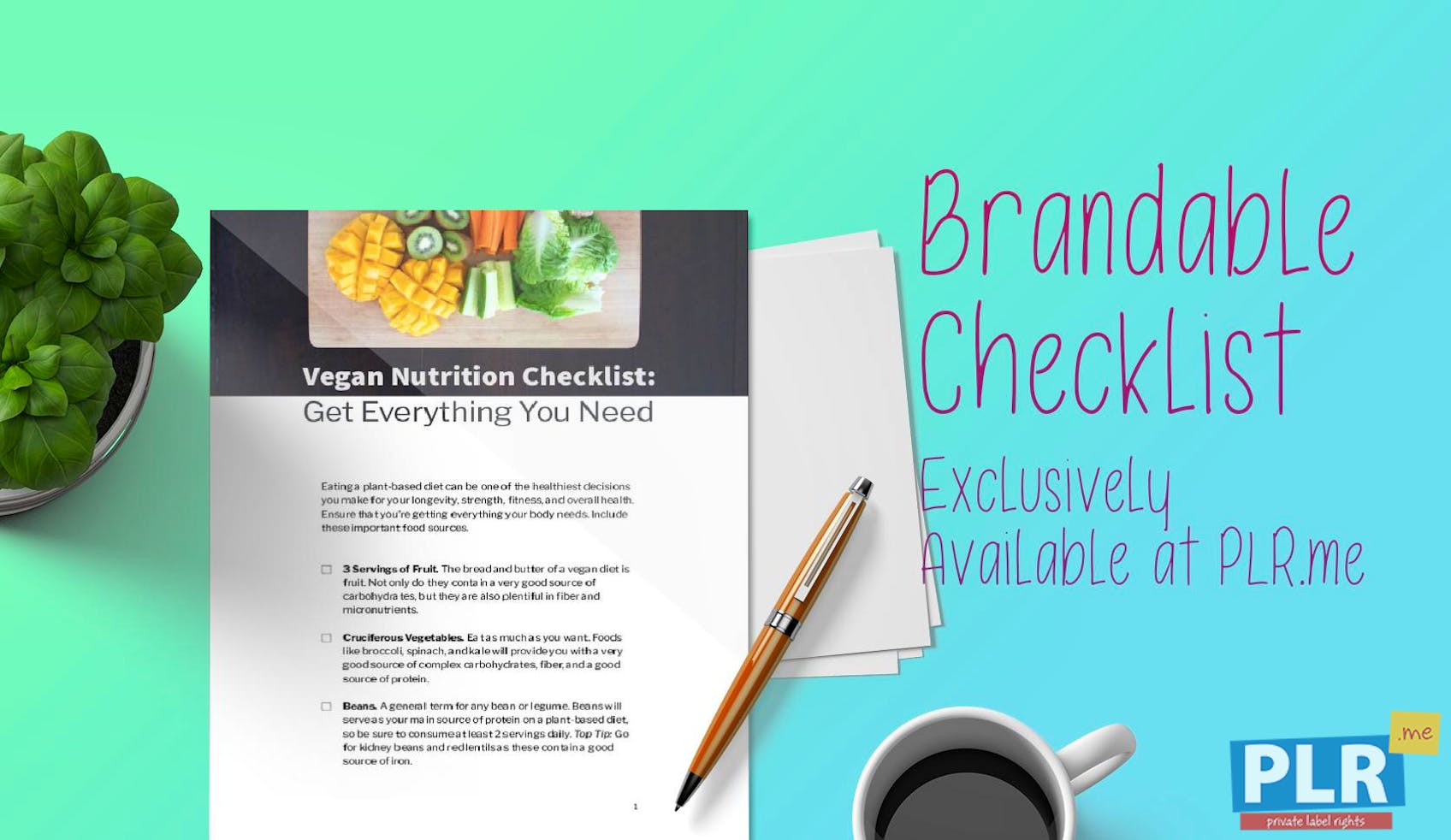
Credit: www.plr.me
Ensuring Adequate Vitamin B12
Ensuring adequate Vitamin B12 intake on a vegan diet is crucial for maintaining optimal health. This vitamin plays a vital role in nerve function and the creation of red blood cells. Unfortunately, plant-based foods do not naturally contain Vitamin B12, so vegans need to be proactive in obtaining it from alternative sources.
Supplementation Strategies
Taking Vitamin B12 supplements is a straightforward way to ensure you’re getting enough of this essential nutrient. You can find these supplements in various forms, such as tablets, capsules, or even sublingual drops, which are absorbed under the tongue.
Consider the dosage carefully. Most health experts recommend a daily intake of 2.4 micrograms for adults. However, some studies suggest higher doses might be beneficial, especially for older adults or those with absorption issues.
If you’re unsure about which type of supplement to choose, consulting a healthcare professional can help guide your decision. Have you ever wondered if your current supplement meets your needs?
Fortified Foods
Fortified foods offer another practical solution for obtaining Vitamin B12 on a vegan diet. These foods have added nutrients, including B12, to boost their nutritional value. Common examples include plant-based milks, breakfast cereals, and nutritional yeast.
When selecting fortified foods, check the label to ensure they contain sufficient amounts of Vitamin B12. Aim for products that provide at least 25% of the daily recommended intake per serving.
Incorporate these foods into your daily meals to build a consistent and varied diet. Have you tried sprinkling nutritional yeast on your pasta or popcorn for a cheesy flavor boost?
Getting Enough Iron
Maintaining sufficient iron levels is crucial for a healthy vegan diet. Iron supports vital functions, like oxygen transport and energy production. Plant-based eaters must be mindful of their iron intake. This section explores iron-rich plant foods and ways to enhance iron absorption.
Iron-rich Plant Foods
Many plant foods are rich in iron. Incorporating them into meals ensures adequate intake. Here are some excellent sources:
- Legumes:Lentils, chickpeas, and beans offer a substantial iron boost.
- Nuts and Seeds:Include pumpkin seeds, cashews, and hemp seeds.
- Whole Grains:Quinoa, brown rice, and oats provide iron.
- Dark Leafy Greens:Spinach, kale, and Swiss chard are great choices.
- Tofu and Tempeh:These soy products are iron-rich and versatile.
- Dried Fruits:Prunes, raisins, and apricots are sweet, iron-packed snacks.
Enhancing Absorption
Not all consumed iron gets absorbed. Strategies can enhance absorption significantly. Consider these tips:
- Vitamin C Boost:Eat vitamin C-rich foods with iron sources. Add oranges, strawberries, or bell peppers.
- Avoid Inhibitors:Reduce tea, coffee, and calcium-rich foods at meals. They hinder iron absorption.
- Cook with Cast Iron:Using cast iron pans can increase iron content in food.
- Soak and Sprout:Soaking or sprouting legumes and grains improves iron availability.
Calcium Sources On A Vegan Diet
Discover plant-based calcium through leafy greens, nuts, seeds, and fortified foods. Almonds, tofu, and broccoli offer essential minerals. Ensure balanced nutrition with diverse sources.
Getting enough calcium on a vegan diet is not only possible but can be incredibly tasty and diverse. While many people immediately think of dairy as the primary source of calcium, there are plenty of plant-based options that can provide this essential mineral. From leafy greens to fortified plant milks, your choices are vast and delicious.Leafy Greens
Leafy greens are a powerhouse of nutrients, and they are excellent sources of calcium. Kale, collard greens, and bok choy are not only delicious but also packed with calcium. Imagine tossing a fresh kale salad with a light lemon dressing—refreshing and nutritious. Or, consider sautéing collard greens with garlic for a flavorful side dish that also boosts your calcium intake. These greens can easily become a staple in your meals, adding both flavor and health benefits. When I first transitioned to a vegan diet, experimenting with leafy greens was an eye-opener. I discovered new flavors and textures that I hadn’t appreciated before. Have you tried adding bok choy to your stir-fry for an extra calcium kick?Fortified Plant Milks
Fortified plant milks are another fantastic source of calcium. Whether you prefer almond, soy, or oat milk, many brands fortify their products with calcium and vitamin D, making them comparable to cow’s milk in terms of nutritional value. A morning smoothie with fortified almond milk, a banana, and a handful of spinach is a great way to start the day with a calcium boost. You can also use these milks in your coffee, cereal, or baking recipes for added convenience. Switching to fortified plant milks was a seamless transition for me. The variety of flavors and options available kept my diet exciting and nutritious. Have you experimented with different types of plant milks to find your favorite? Embrace the variety of calcium sources available on a vegan diet and enjoy the journey of discovering new foods and flavors. What new recipe will you try today to boost your calcium intake?Omega-3 Fatty Acids
Omega-3 fatty acids are essential for brain function and heart health. For vegans, finding plant-based sources of omega-3s is crucial. These fatty acids support mental clarity and reduce inflammation. A balanced vegan diet can provide sufficient omega-3s with the right choices.
Flaxseeds And Chia Seeds
Flaxseeds and chia seeds are rich in omega-3s. They are easy to add to your meals. Sprinkle them on oatmeal or blend into smoothies. Flaxseeds need to be ground for better absorption. Chia seeds can be used whole. Both seeds offer fiber and protein too.
Algal Oil Supplements
Algal oil is a plant-based omega-3 source. It comes from algae, the same source fish get their omega-3s. Algal oil supplements are an excellent choice for vegans. They are available in capsule form. This supplement ensures you meet your daily omega-3 needs.

Credit: www.youtube.com
Zinc And Iodine
Zinc and iodine are vital minerals for vegans. Zinc supports the immune system and healing. Iodine is crucial for thyroid health. Without animal products, vegans must find plant sources for these nutrients. It’s essential to incorporate foods rich in zinc and iodine into a vegan diet. Here are some options to consider:
Whole Grains
Whole grains are excellent sources of zinc. Quinoa, oats, and brown rice contain significant amounts. They are versatile and can be added to various dishes. Whole grains also offer other nutrients like fiber and protein. Including them in meals can help maintain a balanced vegan diet.
- Quinoa: A complete protein source with zinc.
- Oats: Easy to prepare and rich in zinc.
- Brown Rice: Provides zinc and other minerals.
Sea Vegetables
Sea vegetables, like seaweed, are rich in iodine. They are essential for thyroid function. Incorporate nori, wakame, or kelp into meals for iodine intake. These vegetables can be used in salads, soups, and snacks. Sea vegetables also offer vitamins and minerals, enhancing overall nutrition.
- Nori: Commonly used in sushi, high in iodine.
- Wakame: Adds flavor and nutrients to soups.
- Kelp: Available in powder form for easy use.
Meal Planning Tips
Getting all needed nutrition on a vegan diet involves balancing your meals with diverse plant-based foods. Include protein-rich legumes, whole grains, and a variety of colorful fruits and vegetables. Don’t forget fortified foods or supplements for essential nutrients like B12 and iron.
Meal planning is essential for a balanced vegan diet. It ensures you get all the nutrients your body needs. With a bit of preparation, you can enjoy varied and nutritious vegan meals every day.Balanced Vegan Meals
Creating balanced vegan meals is simple. Focus on including a variety of food groups. Start with whole grains like quinoa or brown rice. Add protein sources such as beans, lentils, or tofu. Include plenty of vegetables for vitamins and minerals. Don’t forget healthy fats like nuts, seeds, or avocados. This mix provides essential nutrients and keeps meals satisfying. Eating a colorful plate boosts nutrition. Each color offers different vitamins and antioxidants. Rotate between different fruits and vegetables for diversity. Use herbs and spices for flavor without extra calories. They also add beneficial compounds to your meals.Snacking Smart
Snacking can support your nutritional needs. Choose snacks that are nutrient-dense and satisfying. Fresh fruit is an easy option, full of vitamins and fiber. Nuts and seeds offer healthy fats and protein. Hummus with carrot sticks is a tasty, nutritious snack. Prepare snacks in advance for convenience. Keep a stash of healthy options in your bag or desk. Read labels when buying packaged snacks. Avoid those high in sugar and salt. Opt for whole food ingredients instead. Snack mindfully. Eat slowly and enjoy each bite. This helps prevent overeating and keeps you tuned into hunger cues. Balanced snacks keep energy levels steady and support a healthy vegan diet.Common Challenges
Embracing a vegan diet offers many health benefits. Yet, it can come with challenges. Some common issues include balancing social situations and dining out. These hurdles can make maintaining a vegan lifestyle tricky.
Social Situations
Social gatherings often revolve around food. Friends and family may not understand vegan choices. This can lead to awkward moments or feeling left out. It’s important to communicate your dietary needs clearly. Bringing a vegan dish to share can help. It introduces others to delicious vegan options. This can ease tension and foster acceptance.
Dining Out
Finding vegan-friendly restaurants can be difficult. Menus may lack vegan choices. Checking online reviews can help. Websites or apps often list vegan-friendly spots. Calling ahead to ask about vegan options is wise. Many chefs are willing to accommodate. Suggesting simple swaps can make meals vegan. This includes replacing meat with tofu or extra veggies. Being prepared ensures enjoyable dining experiences.
Resources And Support
Finding the right vegan nutrition involves exploring diverse plant-based foods rich in essential vitamins and minerals. Balanced meals with legumes, grains, and vegetables can ensure adequate protein, iron, and calcium intake. Online platforms and local vegan communities offer valuable guidance and support for maintaining a healthy vegan lifestyle.
Embarking on a vegan diet is an exciting journey full of health benefits, but it can also come with challenges. Ensuring you get all the necessary nutrients requires knowledge and support. Luckily, there are countless resources and communities that can guide you along the way, providing you with valuable insights and tools to maintain a balanced vegan lifestyle. Let’s explore how online communities and nutritional apps can be invaluable assets in your quest for optimal health.Online Communities
Connecting with online communities can be a game-changer for your vegan journey. These platforms offer a wealth of information and support, from sharing recipes to discussing common concerns. Joining forums or social media groups dedicated to veganism allows you to engage with like-minded individuals who have been through similar experiences. You can ask questions, share your successes, and learn from others’ stories. Some communities even host virtual events or challenges, encouraging members to try new foods or cooking techniques. Why not participate and expand your culinary skills while gaining nutritional knowledge?Nutritional Apps
In today’s digital age, nutritional apps are powerful tools at your fingertips. They help track your daily intake of essential vitamins and minerals, ensuring you meet your dietary needs. Many apps offer features like scanning barcodes to analyze the nutritional content of packaged foods, giving you instant feedback on their suitability for a vegan diet. Some apps include meal planning functions that suggest recipes based on your dietary preferences and nutritional goals. Imagine having a personalized menu that caters specifically to your vitamin and mineral requirements. These resources are designed to simplify your vegan lifestyle while keeping your nutrition on track. Have you explored these digital aids yet?
Credit: www.instagram.com
Frequently Asked Questions
What Nutrients Are Essential On A Vegan Diet?
A vegan diet requires careful planning to include essential nutrients like protein, iron, calcium, vitamin B12, omega-3, and zinc. These nutrients are vital for maintaining energy levels and overall health. Incorporate diverse food sources such as legumes, fortified foods, leafy greens, nuts, and seeds to meet nutritional needs.
How Do Vegans Get Enough Protein?
Vegans can obtain ample protein from various plant-based sources. Legumes, tofu, tempeh, quinoa, and nuts are excellent protein options. Including a variety of these foods in daily meals ensures adequate protein intake. Balancing portions across meals helps in meeting daily protein requirements.
Can Vegans Get Enough Vitamin B12?
Vitamin B12 is crucial for vegans, and fortified foods or supplements are recommended. Fortified plant milks, cereals, and nutritional yeast are good sources. Regular intake of these helps maintain healthy nerve function and energy levels. Consult with a healthcare provider for personalized advice on supplementation.
Is Iron Deficiency Common In Vegans?
Iron deficiency can occur but is preventable with proper dietary planning. Consuming iron-rich foods like lentils, chickpeas, and spinach is essential. Pairing these with vitamin C-rich foods enhances absorption. Regular monitoring of iron levels can help avoid deficiency and maintain energy levels.
Conclusion
Eating a vegan diet can be nutritious. Focus on diverse foods. Include fruits, vegetables, grains, and proteins. Don’t forget nuts and seeds. Balance is key for health. Consider fortified foods for extra nutrients. Supplements can help fill gaps. Always plan meals carefully.
This ensures you meet nutritional needs. A well-planned vegan diet supports a healthy lifestyle. Enjoy the journey to better health. Stay informed and make smart choices. Your body will thank you.