Picture this: You’re walking down the street, enjoying a beautiful day, when suddenly you trip. It’s a moment that can catch anyone off guard, and the instinctive fear of injury flashes through your mind.
But what if you knew exactly how to fall to prevent injury? What if you could turn a potential mishap into a graceful recovery? This isn’t just about avoiding scrapes and bruises; it’s about empowering yourself with a skill that can protect you in unexpected situations.
In this guide, you’ll discover simple yet effective techniques to fall safely. By understanding how to control your body during a fall, you can significantly reduce the risk of injury. Keep reading to learn how you can transform a fall from a perilous plunge into a controlled descent, ensuring your well-being and peace of mind.
Credit: www.ccohs.ca
Importance Of Safe Falling
Learning how to fall safely reduces the risk of injury. Proper techniques can protect joints and bones.
Falling safely is crucial. It helps prevent injuries, especially in sports or daily life. Knowing how to fall properly can be a lifesaver. It reduces the risk of serious harm. Practicing safe falling techniques ensures a quick recovery. It builds confidence in physical activities. Understanding the importance of safe falling is essential for everyone.Why Safe Falling Matters
Safe falling minimizes the impact on your body. It prevents fractures and bruises. Learning to fall correctly protects vital areas like the head. It helps maintain balance during unexpected slips. Awareness of safe falling techniques prepares you for emergencies. This knowledge can reduce fear and anxiety related to falling.Benefits Of Learning To Fall Safely
Knowing how to fall safely boosts your overall safety. It increases your agility and coordination. You gain better control over your body movements. Falling safely reduces hospital visits due to injuries. It enhances your ability to handle sudden falls. Practicing safe falling improves your physical resilience.Basic Techniques For Safe Falling
Several techniques ensure safe falling. One method is to relax your body during a fall. Avoid stiffening your muscles. Another technique is to roll instead of crashing. This spreads out the impact. Protect your head by tucking your chin. Use your arms to absorb the fall gently. Bend your knees and elbows to minimize injury.Common Injuries From Falling
Learn how to fall safely to avoid common injuries like sprains or fractures. Keeping your arms relaxed helps absorb shock. Bending knees on impact can prevent serious harm.
Falling can be an unexpected and often scary experience. Whether it’s slipping on a wet floor or tripping over a loose rug, the risk of injury is real. Understanding common injuries from falling can help you take precautions and learn how to fall safely to minimize harm. Let’s explore some typical injuries that result from falls and how you can protect yourself.Bruises And Contusions
Bruises are perhaps the most common outcome of a fall. When you hit a hard surface, blood vessels under the skin can break, leading to discoloration and swelling. While bruises are usually minor, they can be painful and take time to heal. Knowing how to distribute your weight when falling can reduce the severity of bruises.Sprains And Strains
Sprains occur when ligaments are stretched or torn, often due to a fall. Strains, on the other hand, affect muscles and tendons. Both can cause significant pain and limit your mobility. Think about how often you’ve rolled your ankle while trying to catch your balance—these are the moments when sprains are most likely to occur.Fractures
Fractures are breaks in the bone and are a serious consequence of falling. Wrists, hips, and ankles are particularly vulnerable during falls. If you’ve ever slipped off a step and landed awkwardly, you know how easily a fracture can happen. Learning how to absorb the impact can prevent these painful injuries.Head Injuries
Head injuries can range from minor bumps to serious concussions. Protecting your head during a fall is crucial. Have you ever considered how a slight tilt of the head can prevent a direct hit? It’s simple actions like this that can make a difference.Dislocations
A fall can cause a joint to become dislocated, meaning it moves out of its normal position. Shoulders and knees are common sites for dislocations. The sudden jolt from a fall can push a joint out of place, requiring medical attention to correct. Understanding these common injuries can empower you to fall safely. Which injury worries you the most? By being mindful and practicing safe falling techniques, you can reduce the risk and severity of these injuries.Techniques To Break A Fall
Learning how to fall safely can help prevent injuries. Tuck your chin to protect your head. Relax your muscles to absorb impact better. Aim to roll rather than hitting the ground flat. These techniques can reduce the risk of harm when you fall.
Falling is inevitable at times, but knowing how to fall safely can reduce injury risks. Learning effective techniques can make a significant difference. These methods not only minimize harm but also help maintain control. Let’s explore some key techniques that can protect you during a fall.Tuck And Roll
Tucking your chin to your chest is essential. It protects your head from hitting the ground. Curl your body inward, forming a ball shape. This helps to spread the impact over a larger area. Rolling as you land can absorb the energy of the fall. It prevents a sharp, jarring stop.Distribute Impact
Avoid landing on one point, like your wrist or hip. Spread the impact across your body to reduce injury. Use your side or back to distribute force. It helps to lower the risk of fractures. Landing softly can lessen the shock to your body.Use Your Arms Effectively
Keep your arms slightly bent during a fall. They can act as shock absorbers. Avoid using your arms to catch yourself directly. It can lead to sprains or fractures. Position them to guide your roll or slide. This helps to control your fall safely.
Credit: www.facebook.com
Mental Preparation
Mental preparation helps in learning how to fall safely. Focus on relaxing muscles and rolling into a fall. Stay aware of surroundings to minimize injuries.
Falling is an inevitable part of life. Whether you’re a child learning to walk or an adult navigating a slippery sidewalk, falls happen. The key to minimizing injury lies in mental preparation. By training your mind to respond effectively in a split second, you can reduce the impact of an unexpected fall.Stay Calm
Panic is your worst enemy during a fall. It clouds judgment and can lead to unnecessary injury. When you feel yourself beginning to lose balance, take a deep breath and focus on staying composed. Imagine you’re in a yoga class, maintaining balance on one leg. The moment you panic, you’re more likely to topple over. This principle applies to falling as well. Calmness can make the difference between a minor bruise and a major injury.Assess The Situation Quickly
In the blink of an eye, you need to evaluate your surroundings. Are you falling onto a hard surface or a soft one? Is there something you can grab onto to slow your fall? Quick assessment allows you to make a split-second decision on how to land safely. For instance, if you’re falling forward, it might be better to roll to the side rather than landing directly on your wrists. Thinking fast can be daunting, but it’s a skill you can develop with practice. Next time you take a minor stumble, use it as a training exercise to assess your environment swiftly. This habit can become second nature, offering you better control in more serious falls. How do you think mental preparation can change your response to a fall? Consider practicing these techniques regularly to make them a natural part of your fall prevention toolkit.Practicing Fall Techniques
Practicing fall techniques can significantly reduce injury risks. Knowing how to fall safely is crucial. It helps in everyday situations and sports. By learning and practicing, you can protect yourself better.
Controlled Environments
Start practicing falls in controlled environments. Choose soft surfaces like mats or grass. This minimizes impact when you fall. Controlled settings allow you to focus on technique without fear. Supervision by an instructor can be beneficial. They guide and correct your form. Controlled environments provide a safe space to learn.
Repetition And Muscle Memory
Repetition is key in developing muscle memory. Practice falls consistently to ingrain the technique. The more you repeat, the more automatic it becomes. Muscle memory helps you react correctly in real situations. Frequent practice helps in building confidence. You can face falls without hesitation.
Role Of Protective Gear
Falling is an inevitable part of many activities, whether it’s sports, cycling, or even just a misstep on the pavement. However, the key to preventing injury during a fall lies in the right protective gear. Wearing the appropriate gear can mean the difference between a minor scrape and a serious injury. Let’s dive into how different types of protective gear can help safeguard you during unexpected tumbles.
Helmets And Pads
Helmets are essential for protecting your most vital organ—the brain. A well-fitted helmet can absorb and distribute the impact, significantly reducing the risk of head injuries. It’s crucial to wear one every time you engage in activities like biking or skateboarding.
Pads for knees, elbows, and wrists add an extra layer of protection. They cushion the fall and prevent abrasions and fractures. Next time you gear up, consider how these simple additions can save you from a world of hurt.
Footwear Considerations
Have you ever thought about how your choice of shoes affects your safety during a fall? Wearing the right footwear can enhance grip and balance, reducing the likelihood of slipping. Sneakers with good traction are particularly useful on slippery surfaces.
Proper footwear also provides ankle support, which can prevent sprains. Next time you’re planning an activity, pause and think about what shoes will keep you steady on your feet.
How often do you consider the role of protective gear in your daily activities? Whether you’re an athlete or just navigating daily life, investing in the right gear can make a significant difference in your safety. Make it a habit to wear protective gear, and you’ll be better prepared for whatever life throws your way.
Expert Advice And Training
Learning to fall safely is crucial to preventing injury. Expert advice and training can enhance your ability to fall without harm. Professionals in martial arts and physical therapy offer valuable insights.
Martial Arts Insights
Martial artists practice falling techniques regularly. They learn how to distribute impact evenly. This reduces the risk of injuries. Key techniques include rolling and using the body’s natural momentum. Practitioners train to stay relaxed during a fall. Tension can lead to injury. Awareness of surroundings is also taught. This helps to anticipate and adjust during a fall.
Consulting Physical Therapists
Physical therapists provide personalized guidance. They assess individual needs and abilities. These experts focus on strengthening muscles and improving balance. Exercises may include controlled falls onto soft mats. Therapists teach how to land safely. They guide patients in practicing falls in a safe environment. Regular training sessions help build confidence. This prepares individuals for unexpected falls.
Fall Prevention Strategies
Learning how to fall safely can reduce injury risks. Bend knees and elbows to absorb impact. Try to roll as you land to distribute force evenly. Keep your chin tucked to protect your head.
Falling might seem inevitable, but with the right strategies, you can significantly reduce the risk and impact of injuries. Fall prevention isn’t just about wearing the right shoes or avoiding slippery surfaces; it’s about making comprehensive lifestyle changes. Let’s explore how simple adjustments can make a world of difference.Environmental Modifications
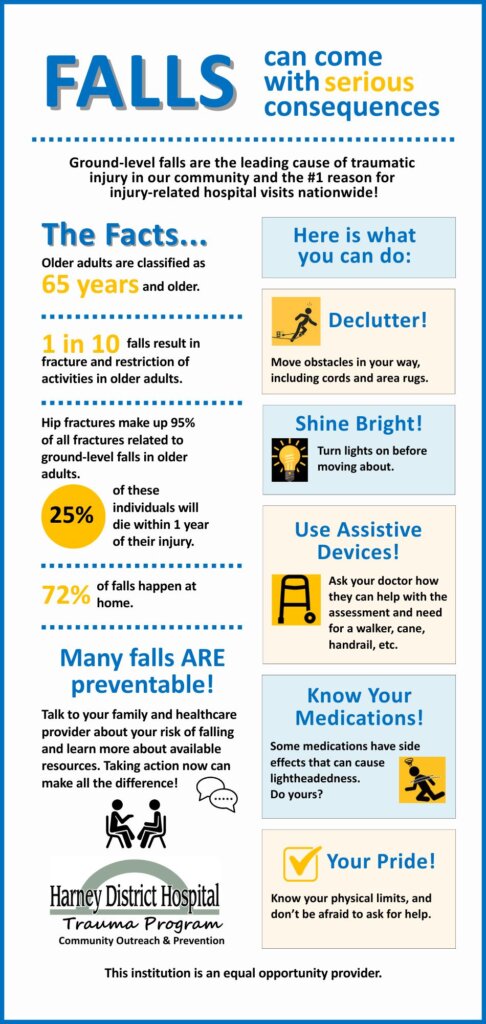
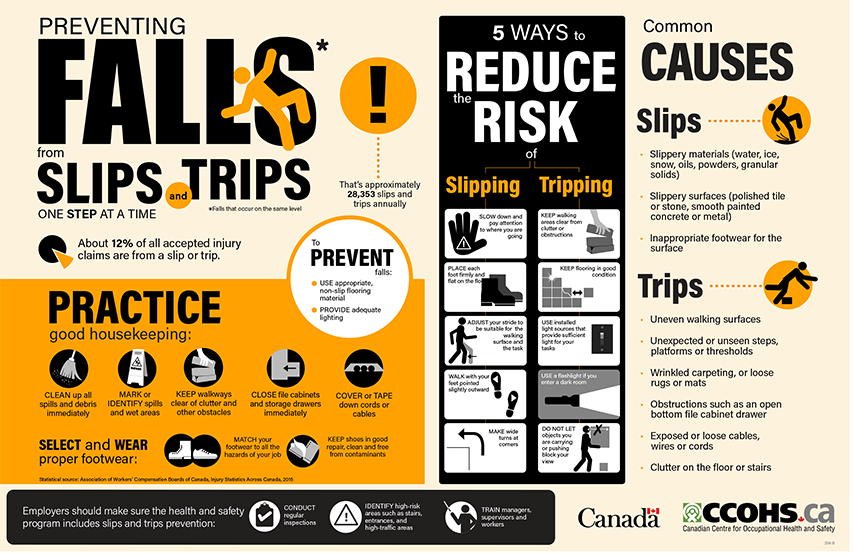
Your home is your sanctuary, but it can also be a hazard. Look around. Are there loose rugs or uneven floors? These can be prime culprits for falls. Consider adding non-slip mats in your bathroom and kitchen. These are areas prone to water spillage, increasing fall risk. Ensure your home is well-lit. A poorly lit room can hide obstacles that might trip you up. Installing night lights or brighter bulbs can help you see clearly and avoid mishaps. Don’t forget about grab bars in the bathroom. They’re not just for the elderly. They provide stability when you’re getting in and out of the shower or bath.Exercise And Balance Improvement
Improving your physical strength and balance is crucial. Regular exercise can enhance your muscle tone and coordination, making falls less likely. You don’t have to become a gym enthusiast. Simple activities like walking, stretching, or even tai chi can significantly boost your balance. Think about joining a balance class. Many community centers offer classes focused specifically on improving stability. These classes can be fun and social, turning exercise into an enjoyable routine. Have you ever tried standing on one foot while brushing your teeth? It’s a small challenge that can greatly improve your balance over time. By addressing both your environment and physical fitness, you empower yourself to prevent falls effectively. What changes will you make today to safeguard your future?
Credit: www.facebook.com
Frequently Asked Questions
What Are Safe Falling Techniques?
Safe falling techniques involve bending knees and relaxing muscles. Try to roll to distribute impact evenly. Keep your head tucked to avoid injury. Use arms to break the fall gently. Practice these techniques regularly to reduce injury risks.
How Can I Minimize Injury When Falling?
Minimize injury by staying relaxed and rolling upon impact. Bend your knees to absorb shock and protect joints. Tuck your chin to safeguard your head. Spread the impact across your body’s surface.
Why Is It Important To Fall Correctly?
Falling correctly reduces the risk of serious injuries. Proper techniques help distribute impact forces evenly, protecting bones and joints. Learning to fall helps improve your body’s response during unexpected situations.
Can Practicing Falls Improve Safety?
Practicing falls can significantly enhance your safety. Regular practice builds muscle memory, enabling quick, natural responses. Controlled practice helps in understanding effective techniques to prevent injuries during unexpected falls.
Conclusion
Understanding how to fall safely can prevent injuries. These techniques offer protection in unpredictable situations. Practice them regularly. Stay aware of your surroundings. Each step helps you react better during falls. Always tuck your chin to protect your head. Use your arms to absorb impact.
Roll with the fall to reduce force. Remember, staying calm is crucial. Avoid stiffening your body. By using these methods, you enhance personal safety. Prioritize learning these skills. They’re essential for everyone. Keep practicing and stay safe.