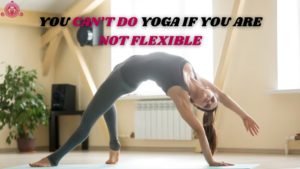
Feeling like a pretzel might be more achievable than touching your toes? You’re not alone.
Many people hesitate to start yoga because they worry about their flexibility, or rather, the lack of it. But here’s the secret: you don’t need to be flexible to do yoga. In fact, yoga is one of the best ways to improve your flexibility over time.
Imagine the comfort of bending down to tie your shoes without a second thought or stretching out your arms without feeling tightness. These aren’t distant dreams; they’re achievable realities. By the end of this article, you’ll discover practical tips and modifications that will make yoga accessible and enjoyable, no matter how bendy—or not—you currently are. Are you ready to transform how you move and feel? Let’s dive in.
Benefits Of Yoga For Inflexible People
Discover how yoga benefits inflexible individuals by improving strength and balance. Simple poses enhance flexibility gradually. Anyone can start yoga, regardless of flexibility level, and enjoy its calming effects.
Yoga is often seen as an activity reserved for those with ballet-like flexibility, but in truth, yoga is a practice for everyone, regardless of their current physical condition. Surprisingly, inflexible people can reap numerous benefits from yoga, experiencing improvements not only in flexibility but also in mental well-being and overall health.Enhanced Flexibility Over Time
Starting yoga might feel challenging if you can’t touch your toes, but that’s perfectly okay. Yoga is designed to work with your body, not against it. Regular practice gradually increases your flexibility, helping you stretch those muscles and tendons that may have been tight for years.Improved Strength And Balance
Yoga isn’t just about flexibility; it’s also about strength. Even simple poses can build muscle strength, helping you gain better control over your body. Balancing poses, in particular, enhance core stability and help you develop a stronger, more grounded presence.Stress Reduction And Mental Clarity
Yoga promotes relaxation and mindfulness. By focusing on your breath and movements, you can reduce stress and gain mental clarity. This mental shift is especially beneficial for those who feel tense or anxious due to their physical limitations.Customizable Practice For Every Body
One of the great things about yoga is its adaptability. You can modify poses to suit your body’s needs, using props like blocks and straps to assist you. This means you can start at your own pace and gradually challenge yourself as you become more comfortable.Community And Support
Joining a yoga class can be an opportunity to connect with others who are on a similar journey. The supportive environment encourages you to embrace your current state and work towards your goals without judgment. Have you ever considered how yoga might transform your life, even if you can’t perform the splits? Yoga offers benefits that go beyond physical flexibility, providing a pathway to a more balanced and fulfilled life.Choosing The Right Yoga Style
Choosing the right yoga style is essential, especially if you consider yourself less flexible. You might feel overwhelmed by the different yoga styles out there, but don’t worry. There are gentle options designed to accommodate your flexibility level and help you grow at your own pace.
Gentle Yoga Options
Gentle yoga styles are perfect for beginners or those who have limited flexibility. These classes often focus on basic postures and breathing techniques. They’re usually slower-paced, allowing you to ease into each position.
Consider Hatha yoga, which emphasizes holding poses and controlled breathing. It gives you time to focus on alignment and gradually improve your flexibility.
If you want something even more laid-back, try Yin yoga. It involves holding poses for extended periods, targeting deep connective tissues and promoting relaxation.
Exploring Restorative Yoga
Restorative yoga is like a mini-retreat for your body and mind. It uses props like blankets and bolsters to support you in passive poses. This style is about letting go and finding comfort in stillness.
In a restorative class, you might hold a single pose for several minutes, allowing your muscles to relax completely. This can be incredibly beneficial for improving flexibility over time.
Imagine finishing a session feeling refreshed and more in tune with your body. Restorative yoga can be a gentle gateway to improving flexibility while reducing stress.
Ask yourself, what would it feel like to embrace a yoga style that meets you where you are? Finding the right practice can transform your experience and help you fall in love with yoga.
Essential Yoga Equipment
Practicing yoga without flexibility can be challenging. With the right equipment, you can ease into poses and gain confidence. Essential yoga equipment can make your practice more comfortable and effective. Below, we explore key items that support your journey.
Yoga Mats For Comfort
A quality yoga mat provides stability and comfort. Choose a mat with good grip to prevent slipping. Thickness matters too; a thicker mat cushions your joints during poses. Mats come in various materials like rubber or PVC. Each offers unique benefits; rubber is eco-friendly, PVC is durable. Select one that suits your needs and preferences.
Props To Enhance Flexibility
Props like blocks and straps are valuable for beginners. Yoga blocks help you reach the floor in standing poses. They can also support your back in seated postures. Straps are useful for stretching tight muscles. They enable you to hold poses longer, improving flexibility over time. Bolsters and blankets can aid relaxation in restorative poses. These props make yoga accessible, even for those with limited flexibility.
Warm-up Techniques
Starting yoga can be intimidating if you feel less than flexible. But warming up properly can ease your way into poses and help you become more flexible over time. Warm-up techniques are crucial for preparing your muscles and joints, reducing the risk of injury, and enhancing your yoga experience. Dive into these simple routines to kickstart your yoga journey confidently.
Simple Stretching Routines
Even if you’re not flexible, gentle stretching can be your best friend. Begin with small movements to gradually loosen up. Consider starting with neck rolls and shoulder shrugs. These are easy to do and help release tension in areas you might not even realize are tight.
Next, try some dynamic stretches, like arm circles and leg swings. They are perfect for warming up your body without overstretching. Remember, the goal is to awaken your muscles, not push them to the limit.
Have you ever tried toe touches? Stand tall, bend forward, and reach towards your toes. It’s okay if you don’t touch them yet; the effort counts. Over time, you’ll notice improvement and feel encouraged to continue.
Breathing Exercises
Breathing is the cornerstone of yoga, and it’s incredibly important in any warm-up routine. Start with deep breathing exercises to help calm your mind and focus your energy. Simple techniques like inhaling deeply through your nose and exhaling slowly can make a big difference.
Have you considered the benefits of diaphragmatic breathing? It involves breathing deeply into your diaphragm rather than shallowly into your chest. Try placing a hand on your belly and feel it rise and fall as you breathe. This technique not only prepares your body for movement but also centers your mind.
Think about pairing your breaths with gentle movements. For example, raise your arms as you inhale and lower them as you exhale. This synchronization can create a rhythm that helps you feel more connected to your body, making flexibility seem less daunting.
Beginner-friendly Poses
Yoga is not just for the ultra-flexible. It’s a practice for everyone. Even if your body feels stiff, yoga can be welcoming. Beginner-friendly poses allow anyone to start with ease. These poses focus on gently stretching and strengthening the body. They build confidence and enhance your yoga journey. Let’s explore a few poses that are perfect for beginners.
Mountain Pose
Mountain Pose is a foundational yoga pose. Stand tall with feet together. Press your weight evenly across your feet. Keep your arms by your sides. Engage your thighs and lift your kneecaps. Extend through your spine and reach the crown of your head upwards. This pose helps with balance and posture. It encourages awareness of body alignment.
Child’s Pose
Child’s Pose is a resting position. Kneel on the floor and touch your big toes together. Separate your knees as wide as your hips. Exhale and lay your torso between your thighs. Stretch your arms forward or rest them by your sides. Relax your forehead on the mat. This pose calms the mind and relieves tension. It gently stretches the back and shoulders.
Cat-cow Stretch
The Cat-Cow Stretch is a gentle flow between two poses. Start on your hands and knees. Keep your wrists under your shoulders and knees under your hips. Inhale and arch your back into Cow Pose, lifting your head and tailbone. Exhale into Cat Pose, rounding your back and tucking your chin. This stretch improves flexibility in your spine. It also massages the organs and promotes circulation.

Credit: www.tiktok.com
Modifications For Limited Flexibility
Yoga is for everyone, even if you struggle with flexibility. Modifications can make poses accessible and comfortable. They allow you to enjoy yoga without strain or injury. Learn how to adapt poses for a more enjoyable practice.
Using Blocks And Straps
Blocks and straps can be a yogi’s best friends. Blocks provide stability and support. They help you reach the ground in poses like forward bends. Place a block under your hands to reduce strain.
Straps extend your reach and improve alignment. Use a strap in seated forward bends. Loop it around your feet and gently pull yourself forward. This helps maintain a straight back without overreaching.
Adapting Common Poses
Modify poses to suit your body’s needs. In downward dog, bend your knees slightly. This adjustment reduces pressure on your hamstrings and back.
For warrior poses, shorten your stance. Keep your feet closer together for better balance. This makes the pose more manageable while still engaging key muscles.
In tree pose, place your foot lower on your leg. Avoid placing it on the knee joint. Instead, rest it on your calf or ankle for stability.
Creating A Consistent Practice
Creating a Consistent Practice Yoga is accessible for everyone, even if flexibility is a challenge. Begin with simple poses and gradually increase difficulty. Consistency and patience are key to improving flexibility over time.
Creating a consistent yoga practice can be challenging, especially if you feel your flexibility is holding you back. However, the key lies not in the complexity of your poses but in the regularity of your practice. By establishing a routine that works for you, you’ll gradually notice improvements in your flexibility, strength, and overall well-being.Setting Realistic Goals
Starting with realistic goals is crucial. Rather than aiming for an advanced pose, focus on goals that are achievable for your current level. Consider aiming to practice yoga three times a week for 20 minutes each session. This consistency is more beneficial than an hour-long practice once a month. Celebrate small victories, like touching your toes or holding a pose longer than before. These milestones can motivate you to continue.Finding Routine In Practice
Creating a routine helps solidify your practice into your daily life. Find a time that fits seamlessly into your schedule, whether it’s morning, midday, or evening. Keep your yoga mat in a visible space to remind you to practice. This visual cue can be a powerful motivator. You might even consider setting a daily reminder on your phone. The goal is to make yoga a habit, not a chore. What adjustments can you make to turn your yoga practice into a regular, enjoyable part of your day?
Credit: www.instagram.com
Mindset And Patience
Yoga is more than just physical postures. It requires a balanced mindset and patience. Many people think flexibility is a must to start yoga. This belief often discourages beginners. Yet, the journey of yoga is about growth, not perfection.
Embracing Progress Over Perfection
Start with small steps. Appreciate every little achievement. Notice your progress, not the gaps. Yoga is about the journey, not the destination. Celebrate each improvement. Even if it feels tiny. This mindset nurtures growth and self-acceptance.
Cultivating A Positive Attitude
Maintaining a positive outlook is crucial. Encourage yourself with kind words. Avoid negative self-talk. Remind yourself that everyone starts somewhere. Visualize success and progress. This positive approach can transform your practice. Stay optimistic. It fuels motivation and persistence.
Seeking Guidance
Finding the right yoga poses helps improve flexibility. Beginners can start with simple stretches and gentle movements. Using props like blocks or straps makes poses easier and ensures proper alignment.
Seeking guidance in yoga can transform your practice, especially if flexibility isn’t your strong suit. It’s reassuring to know that yoga isn’t about touching your toes; it’s about connecting with your body and mind. Guidance can come in various forms, each offering unique benefits. Let’s explore how finding the right support can enhance your yoga journey.Finding A Suitable Yoga Instructor
A yoga instructor can be your greatest ally. Look for someone who understands your limitations and encourages you to grow at your own pace. Personal anecdotes from people who struggled with flexibility often reveal that instructors who focus on alignment and modifications can make a world of difference. It’s essential to communicate openly with your instructor about your flexibility concerns. They can tailor the practice to suit your needs, ensuring you gain confidence and strength without discomfort. Ask questions and seek feedback to maximize your learning experience.Utilizing Online Resources
The digital age offers a plethora of online resources to support your yoga practice. Video tutorials, apps, and virtual classes can be invaluable tools. These platforms often provide beginner-friendly sessions focusing on flexibility and gentle yoga poses. A personal story might involve discovering an online yoga class that catered specifically to non-flexible individuals. Such resources can offer step-by-step guidance, with instructors who demonstrate modifications for various poses. Consider joining online yoga communities where people share tips and experiences. You might find someone whose journey mirrors yours, providing both inspiration and practical advice. Have you explored online yoga resources that cater to your needs? The right guidance can be just a click away.
Credit: www.facebook.com
Frequently Asked Questions
Can Beginners Do Yoga Without Being Flexible?
Absolutely, beginners can practice yoga without being flexible. Yoga is about improving flexibility over time. Start with basic poses and use props to support your body. Focus on breathing and alignment, not on perfecting poses. Consistent practice will gradually increase your flexibility and strength.
What Are Easy Yoga Poses For Inflexible People?
Inflexible individuals can start with poses like Child’s Pose, Cat-Cow, and Downward Dog. These poses gently stretch the body, promoting flexibility. Use props like blocks and straps for support. Always listen to your body and avoid pushing too hard. Consistent practice will enhance your flexibility.
How Can I Improve Flexibility With Yoga?
Improving flexibility with yoga requires regular practice. Begin with gentle poses that stretch major muscle groups. Incorporate breathing exercises to relax and deepen stretches. Gradually increase the intensity as your flexibility improves. Be patient and consistent, and you’ll see progress over time.
Can Yoga Props Help Inflexible Beginners?
Yes, yoga props are incredibly helpful for beginners who are not flexible. Blocks, straps, and bolsters provide support, making poses accessible. They help align the body correctly, preventing strain and injury. Props allow gradual improvements in flexibility and confidence in practicing yoga.
Conclusion
Yoga is accessible for everyone, regardless of flexibility. Start with gentle poses. Use props like blocks and straps. Listen to your body. Progress gradually. Embrace patience and consistency. Flexibility will improve over time. Practice regularly. Enjoy the journey, not just the results.
Yoga benefits go beyond physical flexibility. Feel more relaxed and balanced. Connect with your breath. Find inner peace. Yoga is for every body type. Flexibility is just one part of the experience. Remember, the essence of yoga is self-acceptance and growth.
Keep exploring and enjoy the process.