
Ever stood in awe watching someone twist and turn effortlessly on a yoga mat, only to think, “I could never do that”? You’re not alone.
Yoga is often seen as an art reserved for the super-flexible, the human pretzels of the world. But what if I told you that yoga isn’t just about bending like a rubber band? It’s about balance, strength, and breathing—qualities you can embrace, even if touching your toes feels like a distant dream.
This article will shine a light on how to describe the beauty and strength of yoga, even when flexibility isn’t your forte. By the end, you’ll see that yoga is a journey, not a destination, and you might just feel inspired to roll out your mat and give it a try. Stay with us as we redefine what it means to ‘do yoga’ and discover how you can embrace its benefits without needing to reach your toes.

Credit: www.instagram.com
The Essence Of Yoga Practice
The essence of yoga is not about flexibility. It’s a journey inward. Yoga invites us to connect with our inner selves. This connection goes beyond physical capabilities. It fosters a deeper understanding of our own bodies.
Yoga is about embracing the practice. It’s about finding peace and balance. Even if you’re not flexible, you can still benefit. Yoga is for everyone, regardless of physical limitations.
Mindfulness And Presence
Yoga teaches mindfulness. It’s about being present in the moment. Each pose is an opportunity to focus. Listen to your body. Feel each stretch, each movement. This presence is transformative.
Being mindful helps you connect with yourself. It reduces stress and anxiety. You learn to breathe through discomfort. Yoga becomes a meditative practice.
Connection Between Breath And Movement
Breath is crucial in yoga. It guides your movements. Inhale deeply as you stretch. Exhale as you settle into poses. This rhythm creates a dance between breath and body.
Breathing helps maintain focus. It supports your practice. Even without flexibility, breathing enhances your experience. It grounds you, making each pose meaningful.
Capturing Physical Form
Capturing the physical form of someone doing yoga, particularly when they aren’t naturally flexible, can reveal a unique beauty and strength. It’s not just about achieving the perfect pose but understanding how the body moves and adapts. This journey showcases resilience and the personal growth inherent in practicing yoga.
Alignment And Posture
Alignment is crucial in yoga, especially for those who aren’t naturally flexible. It’s about finding a balance and ensuring each part of your body is in harmony with the others. You might not be able to touch your toes, but a straight back and engaged core can make all the difference. Consider the sensations you feel and adjust as necessary.
Posture might seem daunting at first. However, focusing on maintaining a strong foundation, like pressing your feet firmly into the mat, can improve your form significantly. A friend once shared how she used a wall to support herself in poses, enhancing her alignment over time.
Fluidity In Transitions
Fluidity in transitions is where yoga becomes a dance of movements. When flexibility isn’t your forte, the goal is to move gracefully from one pose to another. This requires mindfulness, engaging your breath, and flowing with intention rather than speed. How do you connect your movements with your breath?
Imagine moving from a warrior pose to a downward dog. Rather than focusing on the stretch, focus on the transition. It’s less about reaching the endpoint and more about the journey between poses. This approach can transform your practice, making each session an exploration rather than a challenge.
Expressing Grace
Expressing grace in yoga involves more than flexibility. Picture someone moving with intention and focus. Their calm breath guides each pose, creating a serene atmosphere. Even without bending deeply, their practice radiates tranquility and balance.
Expressing grace in yoga is not about flexibility. It’s about the beauty found in each movement and pose. Yoga is an art of expressing oneself through posture and breath. Even without bending like a pretzel, one can still exhibit grace. This elegance comes from the harmony between effort and ease, and the balance achieved in each pose.Balance Between Effort And Ease
Yoga requires focus and strength. There’s a dance between pushing limits and finding comfort. A yogi may not touch their toes, yet holds the pose with poise. Muscles engage, supporting each movement. The breath becomes steady, calming the mind. This balance creates a serene presence. It’s a delicate interplay, an expression of inner peace.Harmony In Asymmetry
Perfect symmetry is not necessary for grace. In yoga, each pose offers a unique challenge. Sometimes, limbs don’t align perfectly. Yet, there’s beauty in those imperfections. The body adjusts, finding its own rhythm. Each pose becomes a personal signature. This asymmetry is not a flaw. It’s a testament to individuality and strength.Inflexibility As A Unique Strength
Yoga is often associated with graceful poses and flexibility, but there’s a hidden strength in inflexibility. Those who lack flexibility bring a unique perspective to the practice. Their journey is marked by overcoming challenges and redefining what strength truly means. Embracing inflexibility can lead to unexpected personal growth and a deeper connection to the discipline of yoga.
Embracing Limitations
Your limitations in yoga can be a powerful tool for growth. Acknowledge where you struggle and use it as a foundation to build your practice. Understand that inflexibility doesn’t mean you are weak; it means you have room to improve.
Consider how limitations can encourage creativity in your practice. Instead of focusing on what you can’t do, explore how you can adapt poses to suit your body. This approach can lead to innovative ways to engage with yoga.
Growth Through Consistent Practice
Consistency is key when addressing inflexibility. Regular practice helps your body gradually adapt and improve. Set realistic goals that challenge you without causing strain.
Notice the small victories, like reaching a little further in a stretch or holding a pose longer. These moments of progress are crucial. They demonstrate that growth is happening, even if it’s not immediately visible.
How can you maintain motivation when progress seems slow? Celebrate each milestone, no matter how minor. Remember, yoga is a journey, and every step forward counts.
Emotional And Spiritual Aspects
Practicing yoga without flexibility can bring deep emotional and spiritual benefits. Yoga isn’t just about physical poses. It’s a journey toward inner awareness and balance. Even if you can’t touch your toes, yoga offers immense emotional growth. Let’s explore how yoga affects the mind and spirit.
Inner Peace And Serenity
Yoga helps calm the mind. It allows you to focus on breathing and presence. Even simple poses can create a sense of tranquility. Breathing deeply reduces stress and anxiety. It opens a path to inner peace. This calmness transcends the yoga mat. It influences everyday life, making challenges feel smaller.
Self-acceptance And Compassion
In yoga, the journey is personal. Flexibility isn’t the goal; self-acceptance is. Embrace your body’s limits with kindness. Each pose teaches patience and understanding. Compassion grows as you learn to love your body. This kindness extends to others, fostering deeper connections. Yoga encourages you to celebrate progress, not perfection.

Credit: m.facebook.com
Visual And Descriptive Language
Picture someone in a yoga pose, striving with determination. Their movements reveal a journey towards grace. Each stretch, though not perfect, shows dedication and growth.
Visual and Descriptive Language In the realm of yoga, not every practitioner resembles a rubber band. Some of us find ourselves more akin to a sturdy tree, rooted yet reaching. The beauty of yoga is not in perfect poses but in the journey and intention behind each movement. How can you paint a vivid picture of someone embracing yoga without the flexibility of a seasoned yogi? Let’s explore using rich, visual language to capture this unique experience.Metaphors And Imagery
Imagine a statue coming to life, each stretch a delicate negotiation between body and earth. This is how someone less flexible might approach yoga, with careful determination. Their movements, though not fluid, have a strength and grace of their own—a dance of willpower against physical limits. Envision a mountain standing tall against the sky, unyielding yet majestic. Such is the presence of a yogi who embraces their inflexibility. Each pose is a triumph, a testament to their perseverance and dedication.Sensory Details And Perceptions
Close your eyes and picture the soft mat beneath their feet, grounding yet forgiving. Hear the gentle rustle of fabric as they maneuver through poses, each breath a steady rhythm guiding their practice. Feel the warmth of the sun on their skin, a soothing reminder of the world beyond the studio. As they stretch, the air might carry a hint of lavender from the essential oils nearby, calming their mind even if their body resists. The slight tension in their muscles speaks volumes, a narrative of effort and commitment. Can you see the determination etched on their face, a silent vow to honor their body’s journey? Each stretch, though challenging, is a story told through the senses—a reminder that yoga is as much about inner peace as it is about outer flexibility.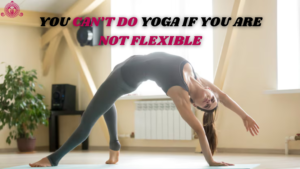
Credit: www.himalayanyogashram.com
Frequently Asked Questions
What Are Ways To Describe Yoga Without Flexibility?
Describing yoga without flexibility focuses on mindfulness and balance. Highlight breathing techniques and mental clarity. Emphasize the importance of body awareness. Mention posture improvement and stress relief. Point out the benefits of core strength. Yoga is more than flexibility; it’s about holistic well-being.
Can Yoga Improve Flexibility Over Time?
Yes, yoga can improve flexibility over time. Consistent practice stretches muscles gently. It enhances joint mobility and releases tension. Regular yoga can gradually increase range of motion. Patience and perseverance lead to improved flexibility. Yoga supports overall physical health, not just flexibility.
How To Motivate Non-flexible Yoga Beginners?
Motivate non-flexible beginners by focusing on progress, not perfection. Encourage them to embrace their current abilities. Highlight yoga’s mental benefits, like stress reduction. Share personal stories of growth through yoga. Remind them that everyone starts somewhere. Celebrate small victories and improvements to build confidence.
Is Yoga Beneficial For Stiff Muscles?
Yoga is beneficial for stiff muscles. It increases blood flow and oxygenation. Gentle stretching releases muscle tension. It improves muscle elasticity and joint mobility. Regular practice can reduce stiffness. Yoga supports relaxation and recovery, enhancing muscle health.
Conclusion
Yoga welcomes all. Flexibility isn’t the main focus. Strength and balance matter more. A non-flexible person can excel in yoga. It’s about breathing and mindfulness. Each pose offers unique benefits. Everyone’s journey is different. Celebrate small victories. Yoga is personal growth.
It’s a path to inner peace. Accept your body’s limits. Progress happens over time. Practice brings improvement. Enjoy the experience. Embrace yoga’s calming effects. Discover your potential. Feel grounded and relaxed. Yoga is a journey, not a destination. Keep practicing.
Stay positive. Yoga is for everyone.