Are you ready to transform your living room into your personal gym? Crafting a workout plan at home doesn’t have to be overwhelming or complicated.
Imagine achieving your fitness goals without the pressure of a crowded gym or expensive membership fees. By the end of this article, you’ll have a clear, actionable plan tailored to your needs, right from the comfort of your own home.
Whether you’re aiming to build muscle, lose weight, or simply stay active, this guide will show you how to design a workout plan that keeps you motivated and on track. Ready to take control of your fitness journey? Let’s dive in and discover the secrets to creating a successful home workout plan that fits seamlessly into your lifestyle.
Setting Fitness Goals
Creating a workout plan at home begins with setting clear fitness goals. Define what you want to achieve, like increasing strength or improving endurance. Break it into smaller, manageable steps for better progress tracking.
Setting fitness goals is the cornerstone of crafting an effective workout plan at home. Without clear goals, it’s easy to lose motivation or become overwhelmed by the multitude of exercises available. Defining what you want to achieve can make your home workouts more purposeful and rewarding. Whether you’re aiming to shed a few pounds, increase your strength, or simply boost your energy levels, setting specific goals can guide your exercise routine.Identify Your Motivation
Understanding why you want to get fit is crucial. Is it to improve your health, feel more confident, or prepare for an upcoming event? Pinpointing your motivation helps keep you focused. Reflect on past experiences: what energized you, and what drained your enthusiasm? This introspection can steer you towards goals that truly resonate with you.Set Smart Goals
SMART stands for Specific, Measurable, Achievable, Relevant, and Time-bound. Make your goals crystal clear and trackable, like aiming to run a mile in under 10 minutes within two months. Choose objectives that are realistic given your current fitness level and lifestyle. This approach ensures your goals are not just dreams but actionable plans.Break Down Larger Goals
Big goals can be intimidating. Break them into smaller, manageable tasks. If you aim to lose 20 pounds, focus on losing two pounds a week. Celebrate small victories, which keeps you motivated and makes the journey enjoyable. Remember, each step forward is progress.Regularly Evaluate And Adjust
Life happens, and sometimes your goals need to adapt. Regularly check in with your progress. Are you moving toward your goals, or do adjustments need to be made? Flexibility is key to staying on track. Ask yourself, is there a different approach that might be more effective?Visualize Your Success
Visualization can be a powerful tool. Picture yourself achieving your goals and revel in the feeling of accomplishment. This mental practice can boost your motivation and help you overcome challenges. Have you ever imagined how great it will feel to reach your target? Ultimately, setting fitness goals is about creating a roadmap to success. By identifying your motivation, setting SMART goals, breaking them down, evaluating progress, and visualizing success, you can turn your home into the perfect workout haven.Assessing Current Fitness Level
Understanding your current fitness level helps tailor a home workout plan effectively. Start by evaluating your endurance, strength, and flexibility through simple exercises like jogging, push-ups, and stretches.
Assessing your current fitness level is the first step in creating a workout plan at home. Knowing where you stand helps you set realistic goals and track progress. It also ensures your workout plan is tailored to your needs and abilities. This part of the process is crucial to prevent injury and boost motivation.Understanding Your Fitness Components
Fitness consists of several components. These include strength, endurance, flexibility, and balance. Each one contributes to overall health. Assessing them individually provides a complete picture of your fitness level.Simple Fitness Tests To Try
You can perform simple tests at home. For strength, try push-ups. Count how many you can do in one minute. For endurance, a brisk walk or jog for 12 minutes works well. Measure the distance you cover. For flexibility, reach towards your toes while sitting. Note how far you can go. Balance can be tested by standing on one leg. Time how long you maintain the position.Record And Analyze Your Results
Write down your test results. This helps in tracking progress over time. Compare your results with standard fitness benchmarks. This analysis identifies areas needing improvement. It also highlights your strengths.Set Realistic Fitness Goals
Use your results to set achievable goals. Goals should be specific and time-bound. They keep you focused and motivated. Examples include increasing push-up count or improving jogging distance. Adjust goals as you progress.Reassess Regularly
Regular reassessment is key. It shows how much you’ve improved. It also helps in adjusting your workout plan. Aim for a reassessment every few months. This maintains your motivation and ensures ongoing progress.Choosing Workout Types
Selecting the right workout types is essential for an effective home exercise plan. Mix cardio, strength, and flexibility exercises to keep your routine balanced and engaging.
Creating a workout plan at home offers flexibility and convenience. Start by choosing the right workout types. Tailor them to your fitness goals and preferences. A balanced routine includes cardio, strength training, and flexibility exercises. This approach ensures you target all areas of fitness.Cardio Options
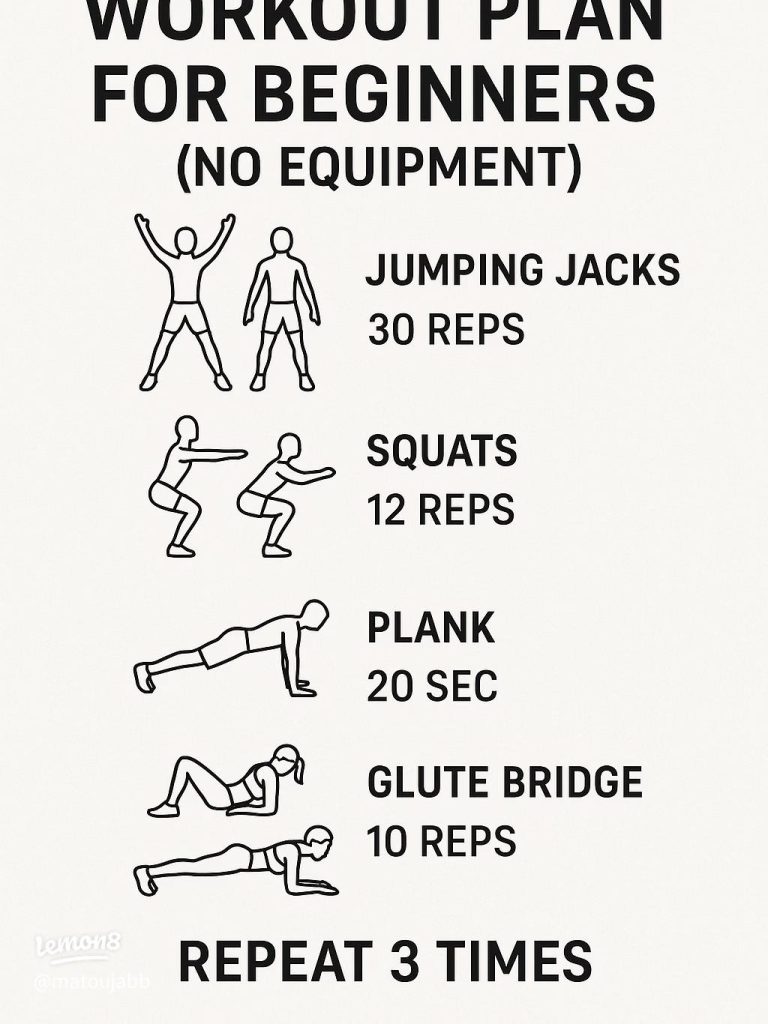
Cardio exercises boost your heart rate and improve endurance. At home, you have many choices. Jumping jacks are simple and effective. Burpees challenge your whole body. Try dancing to your favorite tunes. Jog in place while watching TV. Use a jump rope for a fun workout. Each option helps burn calories and improve cardiovascular health.Strength Training
Strength training builds muscle and boosts metabolism. Bodyweight exercises are perfect for home workouts. Squats target the legs and glutes. Push-ups strengthen the chest and arms. Try lunges for lower body strength. Use resistance bands for added challenge. Planks engage core muscles. These exercises require no equipment and fit any space.Flexibility Exercises
Flexibility exercises improve range of motion and prevent injuries. Stretching is essential for all fitness levels. Yoga offers a combination of flexibility and relaxation. Focus on stretches for major muscle groups. Try reaching for your toes to stretch your hamstrings. Perform shoulder circles to loosen upper body tension. Consistent stretching enhances overall flexibility.
Credit: in.pinterest.com
Designing A Weekly Schedule
Crafting a workout plan at home requires balancing exercise types and frequency. Start by listing activities you enjoy, then assign specific days and times for each. Remember to include rest days and adjust as needed to suit your fitness goals.
Designing a workout plan at home requires a structured weekly schedule. Planning helps you stay consistent and achieve fitness goals. A well-organized schedule balances workouts and rest, ensuring effective progress. Let’s explore how to design your weekly plan.Balancing Different Workouts
Incorporate a mix of exercises for a balanced routine. Include cardio, strength, and flexibility workouts. This variety keeps your routine engaging and targets all muscle groups. For example, schedule cardio on Mondays and Thursdays. Dedicate Tuesdays and Fridays to strength training. Reserve Wednesdays for flexibility exercises like yoga or pilates. This approach ensures comprehensive fitness improvement.Rest Days Importance
Rest days are crucial for muscle recovery and growth. They prevent burnout and reduce injury risk. Plan rest days between intense workout sessions. For instance, take a break on Saturdays and Sundays. During rest days, engage in light activities like walking or stretching. This helps maintain blood flow without straining muscles. Prioritizing rest enhances overall performance and well-being.Creating Space For Exercise
Creating a workout plan at home starts with clearing a dedicated space. Choose an area with enough room for movement. Ensure it’s free from distractions, so focus remains on exercise.
Creating a dedicated space for exercise at home boosts motivation. It sets the tone for your workout routine. You don’t need a large area. A small, clear corner works well. Ensure it’s free from distractions. This helps you focus better on your workouts. Organize the space to keep your equipment within reach. Let’s explore how to set up your workout space.Equipment Essentials
Consider what equipment fits in your space. Dumbbells are compact and versatile. Resistance bands take up little room. A yoga mat provides comfort for floor exercises. Jump ropes are great for cardio. If space allows, a stationary bike or treadmill can add variety. Prioritize equipment based on your goals. Start with basics and expand gradually.Safety Considerations
Safety should be your priority. Ensure the floor is non-slip. This reduces the risk of falls. Clear the area of any obstacles. Adequate lighting is important. It helps you see your movements clearly. Ventilation is crucial for fresh air. Keep a first-aid kit nearby for emergencies. Regularly check equipment for any wear or damage.
Credit: crystelmontenegrohome.com
Tracking Progress
Track progress by noting workout details in a journal. Record exercises, sets, reps, and durations. Reflect weekly to see improvements and adjust plans.
Tracking your progress is a crucial part of crafting a successful workout plan at home. It keeps you motivated and helps you see the fruits of your labor, ensuring you’re on the right track to achieving your fitness goals. Imagine the satisfaction of seeing tangible results from your efforts, and the boost it gives your confidence. But how exactly do you measure progress effectively? Let’s explore some practical strategies.Setting Milestones
Setting milestones is like plotting your path on a map. They are small, achievable goals that act as stepping stones to your ultimate fitness targets. Consider breaking down your larger goal, such as losing weight or building muscle, into smaller, manageable chunks. For instance, if your goal is to run a 5K, set weekly milestones to gradually increase your running distance. This not only makes the goal less intimidating but also allows you to celebrate your progress each step of the way. Remember, each milestone achieved is a victory that boosts your morale and keeps you motivated.Using Fitness Apps
Fitness apps are your digital personal trainers, offering guidance and tracking tools right at your fingertips. They can help you monitor various aspects of your workout plan, from exercise routines to nutritional intake. Apps like MyFitnessPal or Strava provide detailed insights into your progress, offering graphs and statistics that show how far you’ve come. They can also remind you of upcoming workouts and track your daily achievements. Choose an app that resonates with your fitness goals and lifestyle. Many apps offer community support, connecting you with others on similar journeys, which can be a great source of motivation and accountability. Tracking progress is about celebrating small victories and learning from setbacks. How will you mark your milestones and keep track of your journey to a healthier you?Staying Motivated
Creating a workout plan at home can boost motivation. Set clear fitness goals and track progress regularly. Design varied routines to keep workouts exciting and challenging.
Creating a workout plan at home can be exciting. Yet, staying motivated is often a challenge. Motivation keeps your energy high and your commitment strong. Let’s explore how to find inspiration and build consistency in your fitness journey.Finding Inspiration
Inspiration can come from many sources. Set clear goals and envision your success. Create a vision board with images of your fitness goals. This keeps your aspirations visible every day. Look for online communities or follow fitness influencers. Their stories can spark your motivation. Read books or articles about athletes who overcame challenges. Their journeys may resonate with you. Consider journaling your progress. Reflecting on your achievements can be inspiring.Building Consistency
Consistency is key to success. Start with a realistic schedule. Choose times that fit your daily routine. Commit to these slots as you would to important appointments. Set small, achievable goals. Gradually increase your workout intensity. Track your progress in a journal or app. Celebrate small wins along the way. Mix up your workouts to avoid boredom. Try different exercises or routines each week. Create a reward system for yourself. Treat yourself after completing a week of workouts.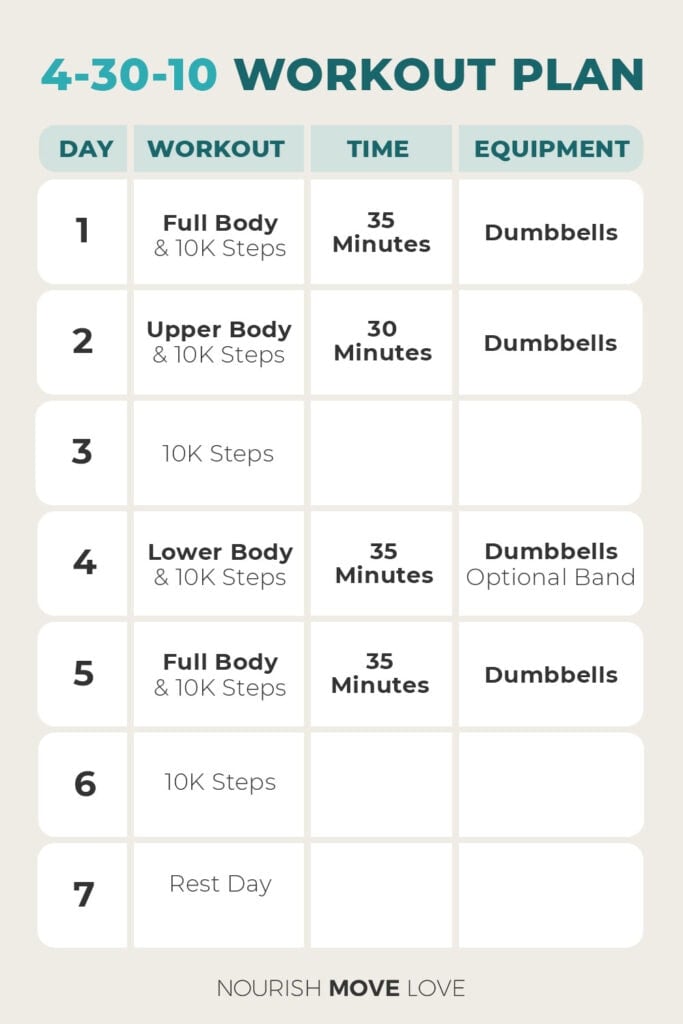
Credit: www.nourishmovelove.com
Frequently Asked Questions
What Equipment Do I Need For Home Workouts?
You can start with minimal equipment. Consider dumbbells, resistance bands, or a yoga mat. Bodyweight exercises like push-ups or squats require no equipment. Choose items that fit your space and budget. You can gradually add more equipment as you progress.
How Often Should I Update My Workout Plan?
Updating your workout plan every 4-6 weeks is ideal. This helps to keep your routine challenging and effective. Varying exercises prevents plateaus and maintains motivation. Monitor your progress and adjust exercises or intensity accordingly to continue seeing results.
Can I Build Muscle Without Gym Equipment?
Yes, you can build muscle using bodyweight exercises. Focus on push-ups, squats, lunges, and planks. Increase intensity by varying repetitions and sets. Gradually add resistance with household items like water bottles. Consistency and proper form are key to muscle growth.
How Do I Stay Motivated At Home?
Create a dedicated workout space to boost motivation. Set clear, achievable goals and track progress regularly. Use online resources or apps for guided workouts. Involve friends or family for support and accountability. Celebrate small victories to maintain enthusiasm.
Conclusion
Creating a workout plan at home is simple and effective. Start with clear goals. Choose exercises that suit your space and equipment. Mix cardio, strength, and flexibility routines. Keep your schedule consistent for best results. Listen to your body and adjust as needed.
Stay motivated by tracking progress. Celebrate small wins to keep going. Home workouts offer convenience and control. No gym needed. Your health journey begins at home. Enjoy the process, and soon, you’ll see great improvements. Stay committed and enjoy your fitness journey!