Imagine walking into a room and instantly turning heads with your powerful, well-defined chest. Building pectoral muscles fast isn’t just a dream—it’s an achievable reality.
You might be wondering how to transform your chest into a masterpiece of strength and aesthetics. The good news is, with the right techniques and strategies, you can achieve impressive results in no time. You don’t need to spend countless hours in the gym or invest in expensive equipment.
What you need is a smart approach that combines effective exercises, proper nutrition, and a dash of motivation. You will discover proven methods to accelerate your muscle growth and unlock the secrets to a powerful chest. Get ready to transform your physique and boost your confidence. Your journey to a stronger, more impressive chest starts now.

Credit: www.youtube.com
Understanding Pectoral Anatomy
Understanding pectoral anatomy helps in building chest muscles quickly. Focus on exercises like bench press and push-ups. Proper form and gradual weight increase are key.
Understanding the anatomy of your pectoral muscles is crucial for building them effectively and fast. Knowing how these muscles function can guide your workouts and help you make informed decisions on which exercises to prioritize. This insight not only accelerates muscle growth but also prevents injury by ensuring proper technique.Html: The Two Main Muscles
The pectoral region consists of two primary muscles: the pectoralis major and pectoralis minor. The pectoralis major is the larger of the two, covering the upper chest and contributing significantly to the chest’s contour. It has two heads – the clavicular head and the sternal head, each responsible for different movements. The pectoralis minor, on the other hand, lies beneath the pectoralis major. It plays a role in stabilizing the shoulder blades and assisting in breathing by lifting the ribs.Html: Muscle Fibers And Growth Potential
Pectoral muscles contain both fast-twitch and slow-twitch muscle fibers. Fast-twitch fibers are responsible for explosive movements and have a high growth potential. They respond well to heavy, intense workouts. Slow-twitch fibers, while less prone to rapid growth, are crucial for endurance. Balancing exercises that target both fiber types can maximize muscle development.Html: The Importance Of Mind-muscle Connection
Engaging with the mind-muscle connection can significantly enhance your workout efficacy. When you consciously focus on your pectoral muscles during exercises, you activate more muscle fibers. This focus ensures that the muscles are working optimally, leading to faster and more noticeable results. Have you ever noticed how sometimes you feel the burn in muscles you weren’t targeting? That’s often due to a lack of mind-muscle connection. Try focusing on your chest during push-ups or bench presses next time, and feel the difference.Html: Common Misconceptions
Some believe that lifting heavier weights is the only way to build pectoral muscles fast. However, understanding muscle anatomy reveals the importance of technique and form over sheer weight. Using proper form ensures that you target the right muscle fibers, reducing the risk of injury and optimizing growth. So, next time you’re tempted to increase the weight, consider whether your form might benefit from refinement first.Effective Exercises For Pecs
Bench presses and push-ups boost pectoral growth. Combine them with incline and cable fly exercises for faster results. Focus on form and consistency to see significant muscle gains.
Building pectoral muscles isn’t just about hitting the gym hard; it’s about knowing the right exercises that effectively target your pecs. Whether you’re a newbie or a seasoned gym-goer, understanding which moves to prioritize can make a huge difference in your muscle growth journey. Let’s dive into some of the most effective exercises for sculpting strong and defined pectoral muscles.Bench Press Variations
The bench press is a staple in any chest workout routine. But did you know there are several variations that can target different parts of your pecs? The standard bench press works the middle part of your chest. By adjusting the angle, you can focus on other areas:- Incline Bench Press:This variation targets the upper part of your chest. Raise the bench to a 30-45 degree angle.
- Decline Bench Press:Focus on the lower part of your chest with this variation. Lower the bench to a slight decline.
Push-up Techniques
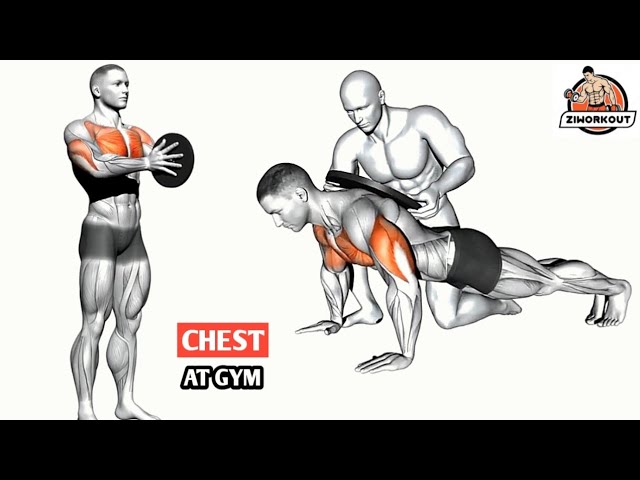
Push-ups are versatile and can be done anywhere. But are you making the most of them? Different techniques can intensify your workout and target your pecs more effectively.- Wide Grip Push-ups:By spacing your hands wider than shoulder-width, you put more emphasis on your chest muscles.
- Diamond Push-ups:Bring your hands close together, forming a diamond shape with your fingers. This targets the inner pecs and triceps.
Dumbbell Flyes
Dumbbell flyes are fantastic for isolating the chest muscles. They stretch and contract the pecs, giving them a full range of motion. Start with a moderate weight to maintain control and form. Lie on a bench and extend your arms outwards like you’re opening a book. Feel the stretch across your chest and squeeze your pecs as you bring the weights together above you. Adding dumbbell flyes to your routine can improve flexibility and shape your pecs beautifully.Cable Crossovers
Cable crossovers offer constant tension throughout the movement, making them a powerful tool in your chest-building arsenal. They also allow for a more controlled movement, reducing injury risk. Stand in the center of the cable machine, grab the handles, and pull them across your body, ensuring your elbows are slightly bent. Concentrate on squeezing your pecs as you complete each rep. This exercise is perfect for achieving that deep chest cut and enhancing muscle definition. — Are you ready to transform your chest workouts? Try incorporating these exercises into your routine and watch your pectoral muscles grow stronger and more defined.Optimizing Workout Routine
Building pectoral muscles fast requires an optimized workout routine. The focus should be on structured training. Each session must contribute to muscle growth. Pay attention to frequency, rest, and overload techniques.
Frequency And Volume
Train your chest muscles 2-3 times a week. This ensures adequate stimulus for growth. Each session should include 3-4 exercises. Aim for 3 sets of 8-12 reps per exercise. This volume supports muscle development.
Rest And Recovery
Allow muscles to recover between workouts. Rest for at least 48 hours before targeting the chest again. Sleep well to aid recovery. Rest days are crucial for muscle repair and growth.
Progressive Overload
Increase weights gradually to challenge your muscles. This method stimulates growth. Track your progress and aim to lift heavier each week. Progressive overload is key for building stronger pectorals.

Credit: www.youtube.com
Nutrition For Muscle Growth
Building pectoral muscles isn’t just about lifting weights. Nutrition plays a critical role. Eating the right foods fuels muscle growth effectively. Let’s explore key nutritional factors.
Protein Intake
Protein is vital for muscle repair and growth. Aim for 1 gram per pound of body weight. Include lean meats, fish, eggs, and dairy in your meals. Plant-based options like beans and tofu are great too. Spread protein intake throughout the day for maximum benefits.
Caloric Surplus
To grow muscles, consume more calories than you burn. A caloric surplus supports muscle development. Calculate daily needs based on activity level and add 300-500 extra calories. Focus on nutrient-rich foods. Avoid empty calories from junk food.
Hydration
Staying hydrated is crucial for muscle function. Water aids in nutrient transport and muscle recovery. Drink at least 8-10 glasses daily. During workouts, increase intake to replace lost fluids. Hydration helps maintain strength and endurance.
Role Of Supplements
Supplements can support muscle growth by providing essential nutrients. They enhance workout recovery and boost energy levels. Integrating protein powders and creatine can lead to faster pectoral muscle development.
Building pectoral muscles quickly often involves more than just hitting the gym. Supplements can play a crucial role in accelerating muscle growth and recovery. They provide essential nutrients that might be missing from your diet, helping you push through plateaus and achieve your goals faster. But how do you know which supplements are right for you?Protein Powders
Protein powders are a staple in the bodybuilding community for a reason. They provide a quick and convenient source of high-quality protein, essential for muscle repair and growth. Imagine finishing an intense chest workout and sipping on a creamy protein shake—your muscles will thank you. Whey protein is particularly popular due to its fast absorption rate. If you’re looking to build pectoral muscles fast, consider adding a post-workout shake to your routine. It’s an easy way to ensure you’re meeting your daily protein requirements.Creatine
Creatine is another powerhouse supplement that can enhance your pectoral muscle gains. It increases your ability to produce energy rapidly, which is especially beneficial during short, intense bursts of activity like bench presses. Have you ever noticed how some days you can lift more than others? Creatine can help make those strong days more frequent. Just a small daily dose can improve strength and muscle mass, helping you push through those last few reps that make all the difference.Branched-chain Amino Acids
Branched-Chain Amino Acids (BCAAs) are vital for muscle recovery and reducing exercise-induced fatigue. They consist of leucine, isoleucine, and valine, which are crucial for maintaining muscle tissue. Ever feel sore for days after a chest workout? BCAAs can help reduce that soreness, allowing you to get back to the gym quicker. They are also known to enhance endurance, meaning you can train harder and longer. By strategically using these supplements, you can maximize your efforts in the gym and build those pectoral muscles faster. What’s your current supplement routine, and how is it working for you?Avoiding Common Mistakes
Proper form is key to avoid injuries when building pectoral muscles fast. Include a balanced mix of exercises for optimal results. Diversifying workouts prevents overuse and enhances muscle growth effectively.
Building pectoral muscles quickly is a common goal for fitness enthusiasts, but it’s easy to make mistakes that can hinder your progress. Many people dive headfirst into their routines without understanding the pitfalls that can slow down or even halt their gains. By avoiding common mistakes, you can optimize your workouts and see faster results.Overtraining
Overtraining is a trap many fall into, thinking that more is better. Your muscles need time to recover and grow. Training your pectorals every day can lead to fatigue and even injury. Instead, focus on quality over quantity. Include rest days in your schedule, allowing your pectorals to repair and strengthen. Have you ever considered how much better your performance could be with adequate rest?Poor Form
Poor form not only limits gains but also increases the risk of injury. It’s tempting to lift heavier weights, but if your form is compromised, you’re doing more harm than good. Prioritize technique over the amount of weight you lift. Proper form ensures that the right muscles are being targeted effectively. Have you ever tried reducing the weight to perfect your form?Ignoring Warm-ups
Skipping warm-ups is another mistake that can set you back. Jumping straight into heavy lifts can shock your muscles, leading to strains or tears. Incorporate a brief warm-up session to prepare your body. Dynamic stretches and light cardio can increase blood flow to your muscles, making them more flexible and ready for action. How often do you forget to warm up, thinking it’s not essential?Tracking Progress
Building pectoral muscles fast requires dedication and consistent tracking of progress. Monitoring your efforts helps you stay motivated and focused. It ensures you’re on the right track towards your muscle-building goals. Let’s explore how to effectively track your progress.
Setting Realistic Goals
Start by setting clear and achievable goals for your pectoral growth. Define your desired outcomes based on your current fitness level. Break your goals into smaller, manageable milestones. This approach keeps you motivated and helps you see progress.
Using A Workout Journal
A workout journal is a valuable tool for tracking your exercises. Record each session, noting the sets, reps, and weights used. Document any variations in exercises or techniques. This helps identify patterns and areas needing improvement.
Regular Assessments
Schedule regular assessments to measure your progress. Use methods like photos or body measurements to track changes. Compare these with your baseline data to evaluate improvements. Regular assessments help refine your workout strategy effectively.

Credit: www.youtube.com
Frequently Asked Questions
How Quickly Can Pectoral Muscles Grow?
Pectoral muscles can begin to grow in a few weeks with consistent effort. However, noticeable changes typically take at least 8-12 weeks. Maintaining a balanced diet rich in protein and following a well-structured workout plan are essential. Patience and consistency are key for optimal muscle growth.
What Are The Best Exercises For Pec Growth?
The best exercises for pec growth include bench presses, push-ups, and dumbbell flyes. These compound movements target the chest effectively. Incline and decline variations can further enhance muscle development. Consistent training with progressive overload will yield the best results in building pectoral muscles.
How Often Should I Train Chest Muscles?
Training chest muscles 2-3 times a week is recommended for optimal growth. Ensure adequate rest between sessions to promote recovery and muscle growth. Overtraining can lead to injury and impede progress. Adjust frequency based on individual recovery rates and fitness levels for best results.
Do I Need Equipment For Chest Workouts?
While equipment can enhance chest workouts, it’s not mandatory. Bodyweight exercises like push-ups can effectively build pectoral muscles. Resistance bands and dumbbells offer additional resistance and variation. Incorporating a mix of equipment and bodyweight exercises can optimize muscle growth and prevent plateaus.
Conclusion
Achieving strong pectoral muscles takes dedication and smart workouts. Consistency is key. Focus on exercises like push-ups and bench presses. Don’t forget to rest and recover. Nutrition plays a crucial role, too. Ensure your diet supports muscle growth. Hydration helps with recovery and performance.
Listen to your body, and adjust your routine as needed. Stay patient, as results take time. Celebrate small victories along the way. Building pectoral muscles is a journey. Enjoy every step of it. Keep pushing forward, and you’ll see progress.
Your hard work will pay off with persistence.