Are you eager to enhance your hip muscles and boost your overall fitness? Whether you want to improve your athletic performance, alleviate hip pain, or simply achieve a more toned appearance, building strong hip muscles can be transformative.
Imagine the confidence you’ll gain as you move more freely and powerfully in your daily life. This guide will reveal simple yet effective exercises and tips to help you strengthen your hips like never before. You don’t need to be a fitness expert to see real results, and the best part is, you can start right away.
Curious to learn the secrets to unlocking your hip strength? Read on, and discover how you can elevate your fitness journey with just a few strategic moves.
Credit: lecturenotes.ieceenugu.edu.ng
Anatomy Of Hip Muscles
Understanding the anatomy of hip muscles is crucial for anyone aiming to build strength and stability in this area. The hip muscles are not just about aesthetics; they play a vital role in everyday movements and athletic performance. Knowing their anatomy helps you target them effectively during workouts, ensuring you get the most out of your exercise routine.
Key Muscle Groups
The hip area comprises several key muscle groups, each with a unique role. The gluteus maximus, medius, and minimus are perhaps the most well-known. These muscles are responsible for powerful movements like jumping and sprinting.
- Gluteus Maximus:This is the largest muscle in the hip region, crucial for extending the thigh.
- Gluteus Medius and Minimus:These muscles aid in stabilizing the pelvis during activities such as walking.
- Iliopsoas:Comprising the iliacus and psoas major, this group is essential for hip flexion.
Functions And Importance
These muscles aren’t just for show; they serve vital functions. Strong hip muscles support your lower back, reducing the risk of pain and injury. They also enhance your ability to perform daily tasks with ease.
- Stability: They help maintain balance when you move, preventing falls and improving coordination.
- Power: Well-developed hip muscles contribute to explosive power, crucial for athletes.
- Flexibility: They allow a full range of motion, essential for dynamic movements.
Have you ever struggled with lower back pain or poor posture? It might be time to focus on your hip muscles. By strengthening them, you can improve your overall body mechanics, leading to a healthier, more active lifestyle.

Credit: e3rehab.com
Benefits Of Strong Hip Muscles
Building strong hip muscles is more than just an aesthetic pursuit. It has a myriad of benefits that can enhance your overall health and physical performance. Whether you’re an athlete, a fitness enthusiast, or someone who simply wants to move better in daily life, understanding the advantages of strong hip muscles can motivate you to focus on strengthening this crucial area.
Improved Athletic Performance
Strong hip muscles play a vital role in athletic performance by providing power and agility. Imagine sprinting faster or jumping higher; these activities rely heavily on hip strength. Athletes often notice an improvement in speed and endurance once they incorporate hip exercises into their routine. So, if you’re looking to shave seconds off your sprint or boost your vertical jump, focusing on hip strength might be your secret weapon.
Enhanced Stability And Balance
Have you ever stumbled while walking on uneven ground? Strong hip muscles can help prevent this by offering better stability and balance. They act as stabilizers during movement, supporting your body’s center of gravity. This means you’ll feel more grounded and confident whether you’re hiking, dancing, or simply navigating a crowded sidewalk. Don’t underestimate the power of stable hips to keep you steady and sure-footed.
Injury Prevention
Injury prevention is a crucial benefit of strong hip muscles. Weak hips can lead to poor posture and alignment, increasing the risk of injuries, especially in the lower back and knees. By strengthening your hips, you create a solid foundation for your movements, reducing strain on other joints. Think about it: would you prefer a solid base or a shaky one? Investing time in hip exercises can mean fewer aches and pains down the road.
Effective Exercises For Hip Muscles
Building strong hip muscles is crucial for stability and movement. Effective exercises can help you strengthen and tone your hips. These exercises improve posture and reduce injury risk. Let’s explore some key workouts for hip muscles.
Squats And Variations
Squats are a staple for hip strength. They target glutes and quads. Start with basic squats. Keep feet shoulder-width apart. Lower your body as if sitting in a chair. Push through heels to stand. Try variations like sumo squats. These widen stance and engage inner thighs. Goblet squats add weight for extra challenge. Hold a dumbbell at chest level. Squats improve hip flexibility and power.
Lunges And Their Impact
Lunges are effective for hip muscles. They target glutes, hamstrings, and calves. Stand with feet together. Step forward with one foot. Lower your hips until knees form right angles. Keep weight on front heel. Return to start and switch legs. Side lunges focus on inner thighs. Step sideways instead of forward. Lunges enhance balance and coordination.
Deadlifts For Strength
Deadlifts are great for hip and back muscles. Use a barbell or dumbbells. Stand with feet hip-width apart. Bend at hips, keeping back straight. Lift weights from the ground. Squeeze glutes as you stand upright. Romanian deadlifts keep knees slightly bent. This variation targets hamstrings more. Deadlifts increase overall strength and stability.
Hip Bridges And Thrusts
Hip bridges target glutes and lower back. Lie on your back with knees bent. Feet flat on the ground. Lift hips towards the ceiling. Squeeze glutes at the top. Lower back down slowly. Hip thrusts add extra weight. Place a barbell on hips for resistance. These exercises enhance hip power and endurance.
Credit: www.fitandwell.com
Incorporating Flexibility And Mobility
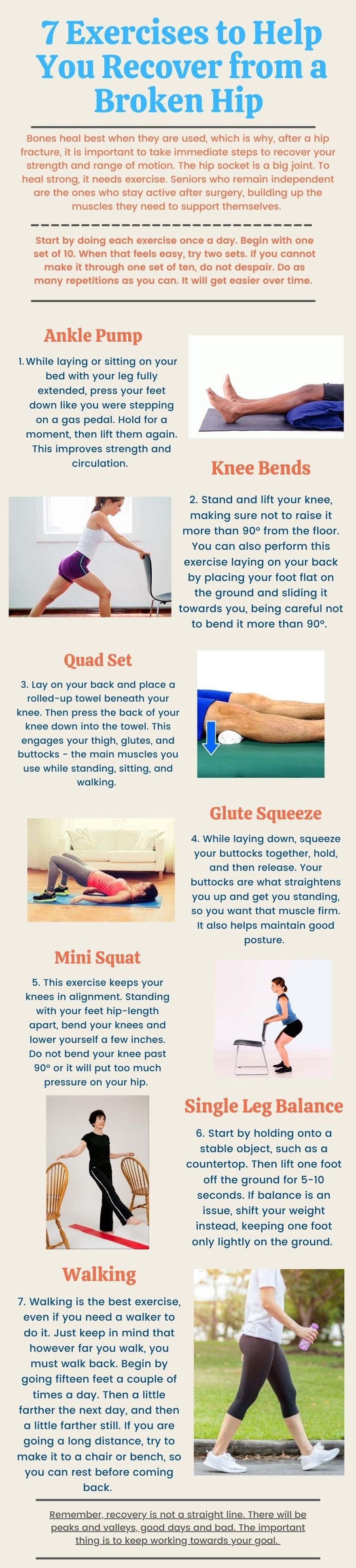
Enhancing hip muscles demands a focus on flexibility and mobility. Regular exercises like lunges and hip bridges improve strength and range of motion. Incorporating dynamic stretches can aid in preventing injuries and enhancing muscle function.
Building strong hip muscles goes beyond just lifting weights. Incorporating flexibility and mobility into your routine is crucial for balanced development and injury prevention. By enhancing your hip flexibility, you can improve your overall performance, whether you’re a seasoned athlete or just starting out. Let’s dive into practical ways you can achieve this.Stretching Techniques
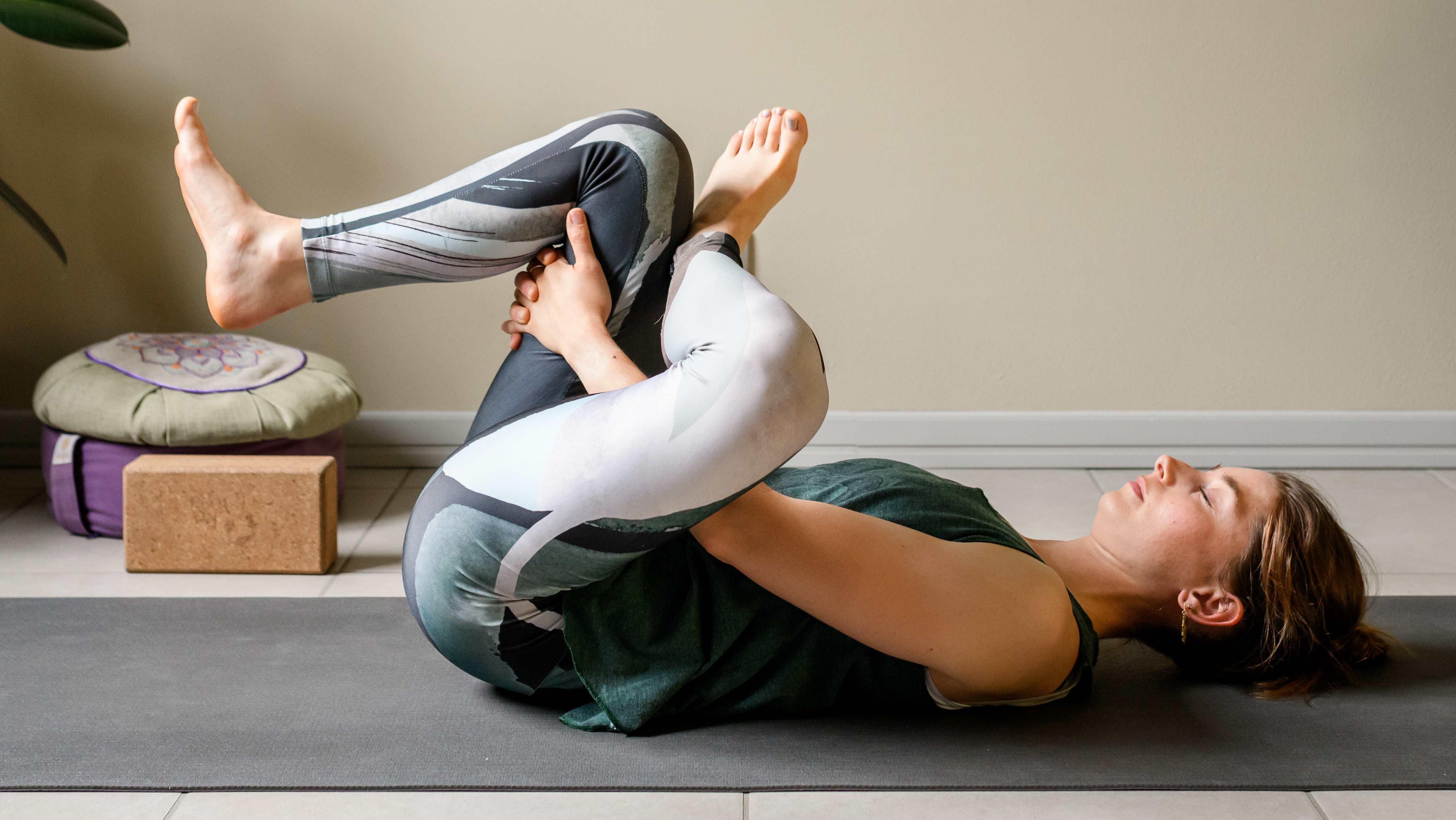
Stretching is essential for maintaining and improving hip mobility. Consider static stretches like the hip flexor stretch where you kneel on one knee and push your hips forward gently. Dynamic stretches, such as leg swings, can also be beneficial, especially as part of your warm-up routine. Regular stretching helps prevent tightness that can limit your range of motion. Set aside a few minutes daily to stretch, and you might notice improved performance in your workouts and daily activities.Foam Rolling Benefits
Foam rolling is a self-myofascial release technique that can enhance flexibility. It helps to break down scar tissue and improve blood flow to the muscles. Rolling your IT band, glutes, and hip flexors can alleviate tightness and improve your mobility. Foam rolling can be an effective pre- or post-workout routine. Spend about 30 seconds to a minute on each muscle group to see noticeable benefits. Have you tried foam rolling before? It might be the missing piece in your hip flexibility puzzle.Yoga For Hip Flexibility
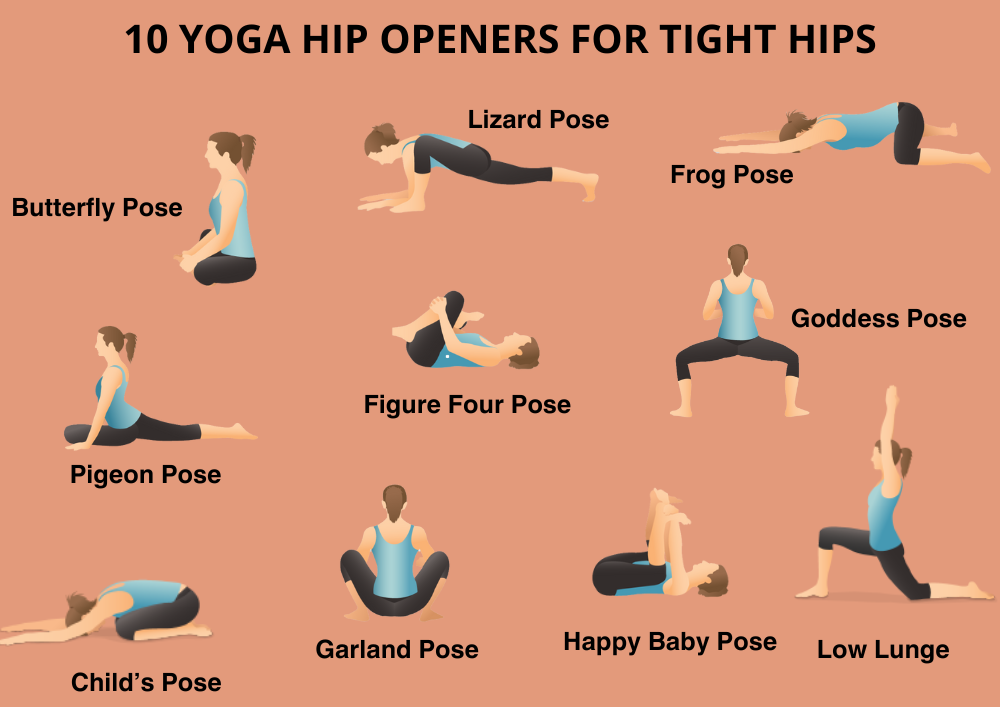
Yoga is an excellent way to increase hip flexibility and mobility. Poses like the pigeon pose or the butterfly stretch focus specifically on opening the hips. Practicing yoga regularly not only aids in flexibility but also promotes overall mental and physical well-being. Even a short, consistent yoga practice can transform how your hips feel and function. Why not try incorporating yoga into your weekly routine? Your hips might thank you for it, and you could discover a new passion along the way.Tips For Progressive Strength Building
Strengthen hip muscles by incorporating squats and lunges into your routine. Consistent exercise with proper form enhances muscle growth. Use resistance bands for added intensity and variety.
Building strong hip muscles is essential for improved posture, stability, and athletic performance. Strengthening these muscles requires a progressive approach, gradually increasing the intensity of your workouts to keep challenging your body. Here are some practical tips to effectively build your hip muscles over time.Increasing Resistance
To make your hip muscles stronger, gradually increase the resistance in your workouts. Start with bodyweight exercises like squats and lunges. As you become comfortable, add weights such as dumbbells or resistance bands. Think about using ankle weights for added intensity during leg lifts or bridges. This change not only builds muscle but also helps avoid workout plateaus. Aim to increase the resistance every two weeks for continuous muscle growth.Proper Form And Technique
Maintaining proper form is crucial to prevent injuries and maximize results. Focus on engaging your core and keeping your back straight during exercises like deadlifts or hip thrusts. When I began my fitness journey, I realized how often I compromised form for heavier weights, resulting in minimal progress. Ensure that your knees are aligned with your toes during squats to protect your joints. A mirror can be a useful tool to check your form and make necessary adjustments. Correct technique allows you to target the hip muscles effectively, ensuring each rep counts.Consistent Workout Schedule
Consistency is key in strength training. Establish a workout schedule that incorporates hip exercises at least twice a week. Without regularity, muscle growth can stagnate, leaving you frustrated and unmotivated. Consider setting specific days for different muscle groups to maintain balance in your routine. What motivates you to stick to a workout schedule? Perhaps it’s the thought of long-term benefits like improved mobility and reduced injury risk. Find your motivation and let it drive your consistency.Role Of Nutrition In Muscle Building
Building hip muscles requires a balanced diet rich in protein and healthy fats. Nutrients fuel workouts and aid muscle recovery. Proper hydration and vitamins support muscle growth and overall health.
Understanding the role of nutrition in muscle building is crucial if you want to effectively develop your hip muscles. Your dietary choices directly influence how efficiently your body can repair and build muscle fibers. By focusing on what you eat, you can enhance your workouts and see better results.Protein Intake Essentials
Consuming enough protein is fundamental for muscle growth. Aim for a variety of protein sources like lean meats, dairy, and plant-based options. This diversity not only helps in muscle repair but also keeps your meals interesting. Consider timing your protein intake throughout the day. Eating protein-rich snacks or meals every few hours ensures a steady supply to your muscles. Have you tried starting your day with a protein-rich breakfast? It can set the tone for your nutritional habits all day.Hydration And Recovery
Staying hydrated is often overlooked in muscle building. Water supports nutrient transportation and muscle recovery. Drink water consistently throughout the day rather than waiting until you’re thirsty. After a workout, rehydrate to aid recovery. Sometimes, adding electrolytes to your water can further enhance your recovery process. Have you noticed how much better you feel during workouts when you’re well-hydrated?Balanced Diet Considerations
A balanced diet goes beyond just protein and water. Incorporate a mix of carbohydrates and healthy fats to fuel your workouts. Carbs provide energy, while healthy fats support hormone production crucial for muscle growth. Think of your meals as opportunities to nourish your body. Include colorful fruits and vegetables to get essential vitamins and minerals. Have you ever tracked your meals to see how balanced they are? Experiment with different foods to find what works best for your body. Your dietary needs might differ from others, so pay attention to what makes you feel energized and strong.Common Mistakes And How To Avoid Them
Skipping warm-up leads to strained hip muscles. Always stretch and warm-up before exercises. Incorrect form during workouts can cause injury. Focus on posture and technique to prevent mistakes.
Building hip muscles requires dedication and knowledge. Many individuals make common mistakes during their fitness journey. These errors can hinder progress and even cause injury. Understanding these pitfalls and how to avoid them is crucial for safe and effective muscle development.Overtraining Risks
Overtraining can lead to muscle fatigue and decreased performance. It’s tempting to push harder, thinking it leads to faster results. In reality, it can cause harm. Muscles need time to recover and grow. Balance intense workouts with rest days. Listen to your body’s need for recovery.Neglecting Warm-up And Cool-down
Skipping warm-ups increases the risk of injury. Warm-ups prepare muscles for exertion. Cool-downs help with recovery and flexibility. Allocate time for both. Incorporate dynamic stretches before workouts. Use gentle stretches after exercising. This routine enhances performance and prevents soreness.Ignoring Pain Signals
Pain during exercise is a warning sign. Ignoring it can lead to severe injuries. Recognize the difference between mild discomfort and pain. If pain persists, stop immediately. Consult a professional if necessary. Paying attention to your body prevents long-term issues.Expert Advice And Personal Experiences
Building hip muscles requires dedication and understanding. Expert advice and personal experiences can guide you on this journey. Fitness professionals and athletes share their insights and stories, offering valuable information for anyone aiming to strengthen their hips.
Insights From Fitness Professionals
Fitness professionals stress the importance of targeted exercises. Squats and lunges are effective for hip muscle development. They recommend a balanced workout routine, including strength and flexibility exercises. It’s crucial to maintain proper form to avoid injuries. Nutrition also plays a role, as proteins and healthy fats support muscle growth.
Personal trainers often tailor exercise plans to individual needs. They assess your current fitness level and adjust workouts accordingly. This personalized approach helps achieve better results. Consistency is key, as regular exercise leads to noticeable improvements over time.
Testimonials From Athletes
Athletes often share their experiences with hip strengthening exercises. Soccer players emphasize the benefits of hip workouts for agility and speed. Swimmers discuss how strong hips improve their performance in the water. They highlight specific exercises that have helped them, such as resistance band workouts.
Many athletes mention the mental aspect of training. Staying motivated is essential, and setting goals can aid in progress. They often find inspiration by tracking improvements and celebrating small victories. Athletes encourage others to stay committed and patient, as building hip muscles is a gradual process.
Frequently Asked Questions
How Can I Strengthen My Hip Muscles?
Strengthening hip muscles involves targeted exercises such as squats, lunges, and hip bridges. These exercises help improve muscle tone and stability. Incorporate resistance bands or weights to enhance workout effectiveness. Consistent practice, at least three times a week, will yield noticeable results over time.
What Are The Best Exercises For Hip Muscles?
The best exercises for hip muscles include squats, lunges, and deadlifts. These exercises engage multiple muscle groups, enhancing strength and flexibility. Pilates and yoga are also effective for hip mobility. Combining different exercises ensures balanced muscle development and reduces the risk of injury.
How Long Does It Take To Build Hip Muscles?
Building hip muscles typically takes 6 to 12 weeks of consistent exercise. Results vary based on individual fitness levels and commitment. Following a balanced diet and regular workouts accelerates progress. Patience and persistence are key to achieving and maintaining desired muscle strength.
Can I Build Hip Muscles Without Equipment?
Yes, you can build hip muscles without equipment using bodyweight exercises. Movements like lunges, squats, and bridges effectively target hip muscles. Incorporate daily activities like stair climbing or walking to enhance muscle engagement. Consistent practice ensures strength gains over time without needing gym equipment.
Conclusion
Building hip muscles improves posture and balance. Simple exercises strengthen these muscles. Regular practice leads to noticeable results. Start with stretches, then progress to squats. Consistency is key for muscle growth. Listen to your body. Rest when needed. A balanced diet supports muscle development.
Protein-rich foods aid recovery. Stay hydrated. Drink plenty of water daily. Set achievable goals. Track your progress weekly. Celebrate small victories. Keep motivated by varying your routine. Enjoy the journey. Strong hips benefit everyday activities. Feel more confident and energetic.
Embrace your fitness journey. Your hard work will pay off.