Are you tired of running out of breath halfway through your workout? Building endurance for cardio doesn’t have to be a daunting task.
Imagine effortlessly completing that 5K run or powering through a high-intensity interval training session without gasping for air. It’s time to transform your fitness routine and unlock the stamina you’ve always wanted. By making a few strategic changes to your training regimen, you’ll be amazed at how quickly your endurance can skyrocket.
Dive into this guide to discover simple yet effective strategies that can revolutionize your cardio game and help you go the distance with ease. Ready to feel unstoppable? Let’s get started!

Credit: www.facebook.com
Understanding Endurance
Understanding endurance is crucial when it comes to improving your cardio performance. It’s not just about running longer distances or cycling faster; it’s about building a sustainable level of stamina that supports your physical activities over time. Whether you’re a seasoned athlete or a beginner looking to improve your fitness, recognizing what endurance entails can transform your workout routine and elevate your overall health.
Importance Of Cardio Endurance
Cardio endurance is the backbone of many physical activities, enabling you to maintain effort over extended periods. It plays a significant role in sports, daily tasks, and even in managing stress. Without adequate endurance, even simple exercises can become challenging, affecting your progress and motivation. Imagine trying to keep up with a fast-paced game or a long hike without the stamina to sustain your energy.
Consider how your heart and lungs operate efficiently during high-intensity workouts. This efficiency isn’t just beneficial for athletes; it can enhance your quality of life. With improved cardio endurance, everyday activities become easier, and you develop a greater capacity to handle physical and mental challenges.
Physical And Mental Benefits
Improving endurance offers a wide array of physical benefits. You’ll notice increased energy levels, better cardiovascular health, and a more robust immune system. Your body’s ability to recover from workouts quickly also improves, allowing you to train more frequently without fatigue.
But the benefits aren’t just physical. There’s a significant mental aspect to building endurance. As your stamina grows, so does your mental resilience. You’ll find yourself better equipped to face stressful situations and maintain focus during demanding tasks. The sense of accomplishment after completing a challenging workout can boost your confidence and inspire you to set new goals.
Have you ever wondered how athletes keep pushing themselves day after day? It’s not just physical strength; it’s their mental endurance that keeps them going. By focusing on both aspects, you can enhance your overall performance and well-being.
So, how can you start building your endurance? Consider incorporating a mix of aerobic and anaerobic exercises, gradually increasing intensity, and listening to your body. These steps can help you make steady progress and enjoy the journey of improving your cardio endurance.
Setting Realistic Goals
Building endurance for cardio begins with setting realistic goals. Start small and gradually increase intensity over time. Focus on consistency and listen to your body’s signals.
Setting realistic goals is crucial for building endurance in cardio. It helps you stay motivated and on track. Goals give you direction and purpose. They ensure your workouts are effective. Setting achievable goals prevents burnout and discouragement. Begin by understanding your current fitness level. This will guide your goal-setting process effectively.Short-term Vs Long-term Goals
Short-term goals are immediate targets. They keep you focused on daily or weekly achievements. Examples include increasing running distance by half a mile in a week. Long-term goals are more extended ambitions. They involve significant changes over months. Running a marathon could be a long-term goal. Balance short-term and long-term goals for steady progress.Tracking Progress
Track your progress to see improvements. Use fitness apps or journals. Record time, distance, and intensity. Regular tracking shows your progress. It highlights areas needing improvement. Adjust your goals based on your tracked progress. Celebrate small victories. They boost your motivation. Tracking keeps you accountable and focused.Choosing The Right Cardio Activities
Choosing the right cardio activities is crucial for building endurance. Not all exercises suit everyone. Personal preferences and fitness levels matter. Some enjoy running, while others prefer cycling or swimming. Each activity offers unique benefits. Selecting the right one enhances motivation and results. Consider your goals and physical condition. This ensures a sustainable workout routine.
Variety In Cardio Workouts
Including different activities keeps workouts exciting. It prevents boredom and overuse injuries. Rotate between cycling, jogging, and swimming. Each targets different muscle groups. This builds overall endurance. Mixing activities also challenges your body. It adapts to new movements, increasing stamina.
Low-impact Vs High-impact Exercises
Low-impact exercises are gentle on joints. They include swimming and cycling. Ideal for beginners or those with joint pain. High-impact exercises, like running, burn more calories. They improve cardiovascular health quickly. Choose based on your body’s needs. Listen to what feels right for you. Balance both for optimal results.

Credit: www.instagram.com
Gradual Increase In Intensity
Building endurance for cardio workouts is a journey that requires patience and strategic planning. A common mistake is jumping into high-intensity routines too quickly, leading to burnout or injury. Instead, focus on a gradual increase in intensity, allowing your body to adapt and grow stronger over time.
Incremental Changes
Start by making small adjustments to your workout routine. This could mean adding a few extra minutes to your daily run or increasing the resistance on your cycling machine. These incremental changes allow your body to adjust without overwhelming it.
Think of it like climbing a staircase rather than leaping to the top. Each step builds on the last, resulting in a steady improvement in your endurance. Have you ever tried pushing too hard and found yourself exhausted? Small, consistent changes are key to sustainable progress.
Signs Of Overtraining
While increasing intensity is important, it’s crucial to recognize signs of overtraining. Listen to your body. Persistent fatigue, irritability, and decreased performance can indicate you’re pushing too hard.
If you notice these symptoms, it might be time to scale back. Recovery is an essential part of building endurance. Have you felt unusually tired or noticed a dip in your motivation? These might be signs your body needs a break.
Keep an eye on your heart rate and energy levels. Is your resting heart rate consistently high? Are you feeling drained even after a good night’s sleep? These could be clues that you need to adjust your intensity levels.
Incorporating Interval Training
Interval training is a powerful method to boost your cardio endurance. By alternating between high-intensity bursts and low-intensity recovery, you challenge your heart and lungs while improving overall stamina. It’s a dynamic way to keep your workouts exciting and ensure gradual progress.
Benefits Of Intervals
Interval training offers numerous advantages. It enhances cardiovascular efficiency, pushing your heart to adapt and perform better under stress. You’ll burn more calories in less time compared to steady-state cardio, making it ideal for busy schedules.
Intervals also reduce the risk of injury. The variation in intensity allows your body to recover during the low-intensity phases, minimizing strain on joints and muscles. This balanced approach can be tailored to any fitness level, making it accessible to everyone.
Designing Interval Workouts
Creating effective interval workouts starts with choosing the right duration and intensity. Consider starting with a 1:1 ratio, such as one minute of high intensity followed by one minute of recovery. Gradually increase the intensity or duration as your endurance improves.
Incorporate different activities to keep it engaging. Combine running, cycling, or swimming with other exercises like jumping jacks or burpees. This mix keeps your body guessing and prevents workout monotony.
Consistency is key. Aim to integrate interval training into your routine two to three times a week. Monitor your progress and adjust your workouts as needed to continue challenging yourself.
Strength Training For Endurance
Building endurance isn’t just about running longer distances. Strength training plays a crucial role in enhancing cardio endurance. It improves muscle efficiency and helps maintain form during long workouts. Strength training reduces the risk of injury and boosts overall performance. Let’s explore how muscle endurance and strength exercises contribute to better cardio endurance.
Role Of Muscle Endurance
Muscle endurance refers to a muscle’s ability to sustain repeated contractions. It’s vital for activities like running, cycling, and swimming. Strong muscles support prolonged physical activity without fatigue. They help maintain energy levels and improve overall performance. Muscle endurance also aids in maintaining proper form during cardio sessions.
Enhanced muscle endurance means less tiredness during long workouts. It ensures you can push through extended periods of physical activity. This endurance is key to achieving better cardio results.
Effective Strength Exercises
Specific strength exercises target muscle endurance. Compound movements engage multiple muscle groups simultaneously. These exercises are highly effective in building endurance.
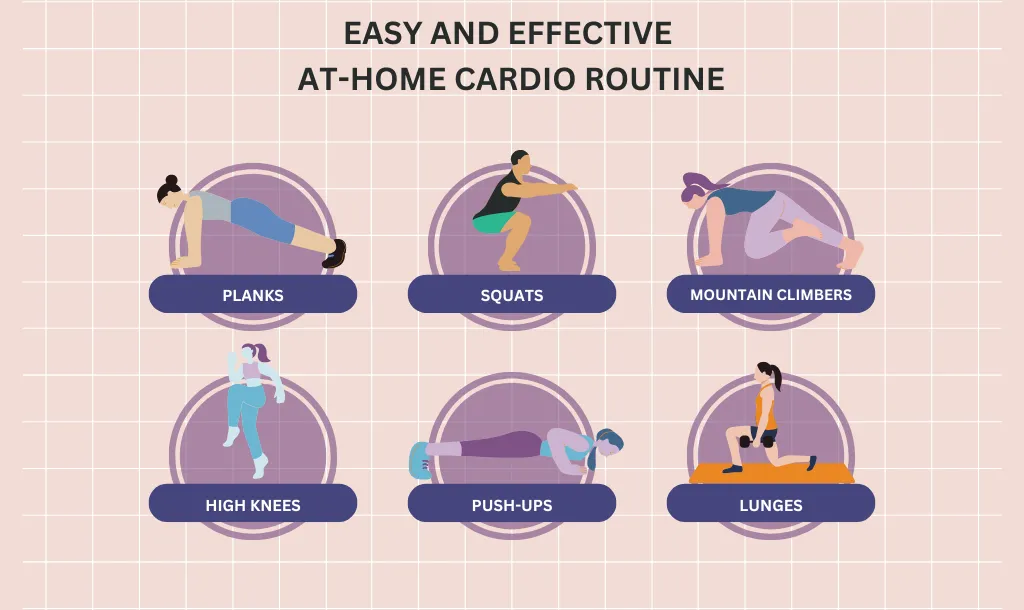
- Squats:Strengthen lower body muscles. Improve stability and endurance.
- Lunges:Enhance leg strength. Boost balance and muscle stamina.
- Planks:Build core strength. Essential for maintaining proper posture.
- Push-Ups:Work on upper body strength. Improve muscle endurance.
- Deadlifts:Engage multiple muscles. Increase overall strength and endurance.
Incorporate these exercises into your routine. Aim for 2-3 sessions per week. Gradually increase repetitions and weights to build endurance. Focus on maintaining proper form to avoid injuries.
Nutrition For Endurance Building
Building endurance for cardio involves more than just training. Nutrition plays a crucial role. Eating the right foods can fuel your workouts, enhance performance, and speed up recovery. Let’s explore the essentials of nutrition for endurance building.
Energy-boosting Foods
Fuel your body with foods that provide sustained energy. Carbohydrates are key for endurance athletes. They are the body’s main energy source. Include whole grains, fruits, and vegetables in your diet.
- Oatmeal for breakfast can provide lasting energy.
- Bananas are great for a quick energy boost before a workout.
- Sweet potatoes offer complex carbs and essential vitamins.
Protein is also important for muscle repair and growth. Lean meats, eggs, and legumes are excellent choices. Healthy fats like avocados and nuts provide additional energy. They also support overall health.
Hydration And Recovery
Staying hydrated is crucial for endurance. Water helps regulate body temperature and lubricate joints. It also transports nutrients to give energy and keep you healthy. Drink water before, during, and after exercise.
Electrolytes are lost through sweat. Replenish them with drinks that contain sodium, potassium, and magnesium. Coconut water is a natural option. It hydrates and replenishes electrolytes effectively.
Post-workout recovery is essential. It helps muscles repair and grow stronger. A balanced meal with protein and carbs aids recovery. Chocolate milk is a popular recovery drink. It offers both protein and carbs.
Nutrition is a powerful tool in building endurance. Choose energy-boosting foods and stay hydrated. Your body will thank you with improved performance and faster recovery.
Rest And Recovery
Building endurance for cardio requires more than just pushing yourself to the limit. It’s equally important to prioritize rest and recovery. This often-overlooked aspect is crucial for improving your stamina. Without adequate recovery, your body can struggle to adapt to increased demands, leading to fatigue and potential injuries. Rest days and recovery strategies are not just pauses in your training; they are essential components of a successful endurance-building plan.
Importance Of Recovery Periods
Recovery periods allow your muscles to repair and strengthen after intense cardio sessions. They are the cornerstone of sustainable progress. When you rest, your body replenishes glycogen stores and repairs muscle tissues. This leads to improved performance in your next workout. Neglecting recovery can lead to burnout and diminishing returns, jeopardizing your long-term fitness goals.
Have you ever felt more energized after taking a day off? That’s the power of recovery at work. Giving your body time to heal ensures that you can push harder when you train. It’s about quality, not just quantity.
Techniques For Faster Recovery
- Active Recovery:Engage in light activities like walking or yoga. This keeps your blood flowing without straining your muscles.
- Hydration:Drink plenty of water to help flush out toxins and aid muscle repair. Proper hydration can dramatically speed up recovery times.
- Sleep:Aim for 7-9 hours of quality sleep each night. Sleep is when your body does most of its repair work.
- Nutrition:Fuel your body with protein-rich foods and complex carbohydrates. These nutrients are essential for muscle recovery.
- Stretching:Incorporate stretching routines post-workout to improve flexibility and reduce muscle tightness.
Have you tried foam rolling after a tough session? It’s a fantastic way to relieve muscle tension. Experiment with these techniques to discover what works best for your body.
What recovery strategies have you found effective? Share your experiences and see how they compare with what others do. Your journey to better endurance might just inspire someone else.
Mental Strategies For Endurance
Harnessing mental strategies can boost cardio endurance. Focus on setting small goals during workouts to maintain motivation. Positive self-talk and visualization help push through tough moments, enhancing overall performance.
Building endurance for cardio isn’t just about physical training; it’s equally about mental strength. As you push your body to its limits, your mind often becomes your biggest cheerleader or your toughest critic. How do you ensure it’s the former? By employing mental strategies that sharpen your focus and boost your motivation. Let’s dive into some practical tactics that can elevate your endurance game.Motivation And Focus
Staying motivated during a long run or an intense workout can be challenging. Have you ever found yourself hitting a wall, only to realize that it wasn’t your legs but your mind giving up? One way to combat this is by setting clear, achievable goals. Break your session into smaller milestones. Imagine the satisfaction of reaching each one. Use music to your advantage. A powerful playlist can transform your state of mind, pushing you further when you feel like stopping. Try recalling moments when you’ve overcome challenges—these memories can reignite your determination.Mindfulness Practices
Being present in the moment can significantly enhance your endurance. Have you ever noticed how time seems to fly by when you’re fully engaged in an activity? This is the power of mindfulness. Practice focusing on your breath. Inhale deeply, exhale slowly, and pay attention to the rhythm. This simple act can center your thoughts and reduce anxiety. Visualization is another effective tool. Picture yourself crossing the finish line or completing that last set with ease. Taking a moment to appreciate your surroundings can also help. Whether you’re running through a park or cycling on a trail, noticing the beauty around you can be invigorating. These mindfulness techniques are not just about calming the mind—they’re about harnessing its power to enhance physical performance. Are you ready to train your mind as much as your body?Monitoring And Adjusting Your Plan
Regularly assess your cardio progress and tweak your plan as needed. Use feedback from your body to guide adjustments. This ensures steady improvement and prevents burnout.
Building endurance for cardio is a journey that demands ongoing monitoring and adjustments to your plan. Sticking to a rigid routine can lead to stagnation, or worse, injuries. As your body adapts to new challenges, it’s essential to tweak your workouts to continue making progress. This is where monitoring tools and adaptability come into play, ensuring you stay on track and motivated.Using Fitness Trackers
Fitness trackers are a game-changer for monitoring your cardio endurance. They provide real-time data on heart rate, distance, and calories burned. Having this information at your fingertips allows you to make informed decisions about your workout intensity. Imagine starting a run, and noticing your heart rate isn’t reaching the desired zone. You can adjust your pace on the fly. Fitness trackers also help identify trends over time. Are you consistently improving, or have you hit a plateau? This insight is invaluable for adjusting your plan.Adapting To Progress
As you monitor your endurance improvements, adapting your plan becomes crucial. If you find your current routine too easy, it’s time to increase the intensity or duration. Challenge yourself by adding intervals or tackling a hilly terrain. Remember the first time you struggled to complete a 20-minute jog? Now, that same jog feels like a warm-up. Celebrate these milestones. They signify growth and signal when to up the ante. But also listen to your body—overtraining can set you back. Balance pushing your limits with adequate rest and recovery. How do you know if you’re progressing too quickly? Pay attention to signs of fatigue or a drop in performance. Adjust your plan to maintain a steady improvement, ensuring your journey to building endurance is both effective and enjoyable.
Credit: www.instagram.com
Frequently Asked Questions
How Can I Improve My Cardio Endurance?
Improving cardio endurance requires consistent practice. Start with activities like running, cycling, or swimming. Gradually increase intensity and duration over time. Incorporate interval training to boost stamina. Ensure adequate rest and recovery. Stay hydrated and maintain a balanced diet to support your workouts.
What Exercises Build Endurance Fast?
Exercises like running, cycling, and swimming build endurance quickly. Incorporate interval training to enhance results. High-intensity interval training (HIIT) is effective. Consistency in training is key. Include strength training exercises to support overall endurance. Always listen to your body and rest when needed.
How Long Should I Train For Endurance?
Training duration depends on fitness level and goals. Beginners should start with 20-30 minutes. Gradually increase to 45-60 minutes over weeks. For advanced endurance, aim for longer sessions. Consistency is crucial. Include rest days for recovery. Adjust based on personal progress and comfort.
What Is The Best Diet For Cardio Endurance?
A balanced diet supports cardio endurance. Focus on carbohydrates for energy and protein for muscle recovery. Include healthy fats, fruits, and vegetables. Stay hydrated before, during, and after workouts. Consider small, frequent meals. Avoid processed foods and excess sugars. Consult a nutritionist for personalized advice.
Conclusion
Building endurance for cardio takes time and effort. Practice regularly. Focus on gradual improvement. Listen to your body. Rest when needed. Mix different exercises. Try running, cycling, and swimming. Make workouts enjoyable. Find a routine that suits you. Set realistic goals.
Track your progress. Celebrate small victories. Stay consistent. Keep your motivation high. Challenge yourself, but stay safe. Use these tips to boost your stamina. Soon, you’ll notice changes. More energy and better performance. Remember, endurance grows with patience. Embrace the journey.
Enjoy each step forward. Keep pushing towards your fitness goals. You can do it!