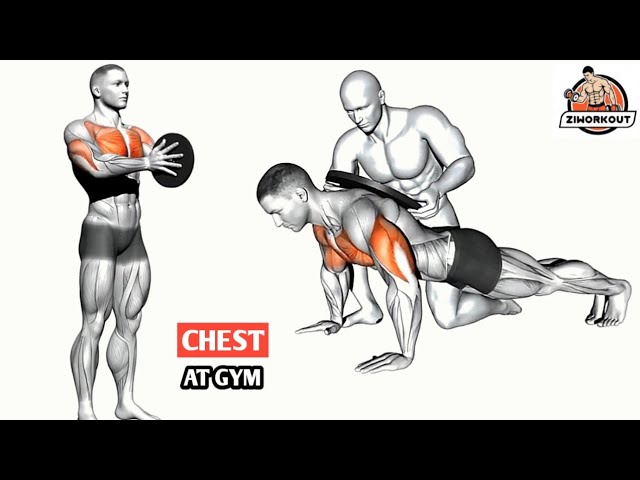
Are you eager to fill out your shirts with a stronger, more defined chest? Building chest muscle fast is a goal many of us share, whether you’re new to working out or a seasoned gym-goer.
You might be wondering if there’s a secret formula or a magical exercise routine that will help you achieve that chiseled look in record time. Well, here’s the good news: it’s not about magic; it’s about strategy. In this guide, you’ll discover effective techniques and proven tips that will maximize your chest gains.
Imagine the confidence boost of seeing rapid results and feeling stronger with every workout. Ready to unlock the secrets to a powerful chest? Let’s dive in and transform your physique together!

Credit: www.youtube.com
Effective Chest Exercises
Building chest muscles quickly requires a focus on effective exercises. These exercises target different parts of the chest, ensuring balanced growth. By incorporating various techniques, you can maximize your muscle-building efforts. Below are some exercises that can help you develop your chest muscles fast.
Bench Press Variations
The bench press is a staple for chest development. Different variations target specific areas of the chest. The flat bench press is excellent for overall chest growth. The close-grip bench press focuses more on the inner chest and triceps. Using dumbbells allows for a greater range of motion, activating more muscle fibers.
Push-up Techniques
Push-ups are versatile and can be done anywhere. They effectively engage the chest, shoulders, and triceps. Try wide-arm push-ups to emphasize the outer chest. Incline push-ups target the upper chest, while decline push-ups focus on the lower chest. Adding resistance bands can increase intensity and muscle engagement.
Incline And Decline Press
Incline press exercises target the upper chest muscles. Set the bench at a 30-45 degree angle for optimal results. Use dumbbells or a barbell for variation. Decline press exercises focus on the lower chest. A slight downward angle helps in targeting these muscles efficiently. Both exercises complement the flat bench press for complete chest development.

Credit: www.youtube.com
Optimizing Workout Frequency
Optimizing workout frequency is crucial to building chest muscle fast. You might be tempted to hit the gym every day, but more isn’t always better. Striking the right balance between workout frequency and recovery is key to maximizing your muscle gains.
Training Split Strategies
Consider different training splits to effectively target your chest muscles. A popular approach is the push-pull-legs split, which allows you to focus on pushing exercises like bench presses and push-ups on specific days.
Alternatively, a chest-focused split might be more beneficial. This involves dedicating an entire workout to chest exercises twice a week, ensuring you’re giving your chest muscles ample attention without overtraining.
Trying out different splits can help you discover what suits your body best. Everyone’s muscle response is unique, so your perfect plan might differ from someone else’s.
Rest And Recovery Importance
Rest days are as important as workout days. Your muscles need time to repair and grow stronger. Overtraining can lead to fatigue and injuries, slowing down your progress.
Ensure you have at least one rest day between intense chest workouts. This gives your muscles the chance to recover and rebuild. Consider incorporating active recovery days with lighter exercises or stretching to promote healing.
Have you noticed muscle soreness lasting longer than usual? It might be a sign to tweak your recovery routine, perhaps adding more rest or focusing on sleep and nutrition.
Progressive Overload Methods
Increasing weights gradually helps build chest muscles quickly. Focus on heavier lifts for effective muscle growth. Consistency in workouts and rest ensures optimal results.
Building chest muscle quickly requires a strategic approach, and progressive overload is a key element in this process. This method involves gradually increasing the stress placed on your muscles during workouts to stimulate growth. By continuously challenging your muscles, you encourage them to adapt and grow stronger over time.Increasing Weight Safely
One of the most effective ways to apply progressive overload is by increasing the weight you lift. However, it’s crucial to do this safely to prevent injuries. Start by adding small increments, such as 2.5 to 5 pounds, to your bench press or dumbbell exercises. Always prioritize proper form over heavier weights. Poor form not only risks injury but also prevents the target muscles from being effectively worked. Listen to your body; if a new weight feels too challenging, it’s okay to step back and focus on perfecting your form with a lighter load.Repetition And Set Adjustments
Adjusting the number of repetitions and sets is another method to achieve progressive overload. If you’re consistently lifting the same weight, try increasing your reps within the same set to push your limits. For instance, if you usually do 8 reps, aim for 10-12 with the same weight. Adding additional sets to your routine can also enhance muscle growth. If you’re currently performing three sets, consider adding a fourth. However, ensure you’re maintaining intensity throughout each set to effectively fatigue the muscle and promote growth. Striking a balance between weight, reps, and sets is key. Ask yourself if you’re truly challenging your muscles each workout. If not, it might be time to adjust your approach for better gains.Nutrition For Muscle Growth
Building chest muscle fast isn’t just about hitting the gym. Nutrition plays a crucial role in muscle growth. What you eat can significantly impact how your muscles develop and recover. Here’s how you can optimize your nutrition to supercharge your chest muscle growth.
Protein Intake Guidelines
Protein is the building block of muscle. To gain chest muscle quickly, aim for 1.6 to 2.2 grams of protein per kilogram of body weight daily. This ensures your muscles have the necessary nutrients to repair and grow. Consider sources like chicken, fish, and plant-based options such as lentils or quinoa.
Timing is key. Try to distribute your protein intake evenly across meals. This strategy supports muscle protein synthesis throughout the day. You might wonder, is it really necessary to consume protein right after a workout? Research shows that while it’s beneficial, your total daily intake is more important.
Essential Micronutrients
Micronutrients often get overshadowed by macronutrients, but they’re vital for muscle growth. Vitamins and minerals like Vitamin D, magnesium, and zinc play a significant role in muscle function and recovery. These nutrients support energy production and improve muscle contractions.
Include a variety of fruits and vegetables in your diet to ensure you’re getting a broad spectrum of micronutrients. Think colorful plates—green spinach, red tomatoes, and yellow peppers. They not only boost your health but also enhance your muscle-building efforts. Ever noticed how your energy levels dip if you skip your veggies? That’s your body craving those essential micronutrients.
As you adjust your diet, listen to your body. How does it respond to different foods? You might find that tweaking your intake can lead to better results. What changes will you make to your nutrition plan to accelerate your chest muscle growth?
Supplementation Advice
Building chest muscle fast requires the right supplementation. Supplements can enhance workout results and speed up muscle growth. Using the right supplements ensures your muscles get the nutrients they need. This section covers key supplements for chest muscle growth.
Creatine Benefits
Creatine boosts energy levels during workouts. It helps increase strength and endurance. More energy allows for longer and more intense training sessions. Creatine supports muscle recovery, reducing soreness. This enables frequent workouts without muscle fatigue.
Studies show creatine improves muscle mass. It aids in water retention within muscles, making them look fuller. Creatine is safe for most people when taken as recommended. Always consult a healthcare professional before starting any supplement regimen.
Protein Powders
Protein powders provide essential amino acids for muscle repair. They are convenient for post-workout nutrition. Quick absorption helps muscles recover after exercise. Protein supports muscle growth and maintenance.
Whey protein is popular for muscle building. It digests quickly and is rich in amino acids. Plant-based proteins are great alternatives for those avoiding dairy. These include pea, soy, and rice protein powders.
Choose a protein powder that fits your dietary needs. Ensure it has a high protein content with low sugar and additives. This ensures you get quality nutrition without unnecessary extras.

Credit: www.youtube.com
Avoiding Common Mistakes
Building chest muscle fast requires dedication, smart strategies, and avoiding common pitfalls. Many fitness enthusiasts make mistakes that slow their progress or lead to injuries. By understanding these mistakes, you can efficiently accelerate your muscle growth journey.
Overtraining Risks
It’s easy to think that more is better, but overtraining can harm your progress. Your muscles need time to repair and grow after workouts. Without adequate rest, you risk injuries and fatigue.
Have you noticed that soreness or exhaustion after several days of intense training? That’s your body signaling for a break. Schedule rest days and ensure you’re getting enough sleep to maximize muscle recovery.
Improper Form Issues
Using improper form is a common mistake that can lead to injuries and ineffective workouts. It’s crucial to perform exercises correctly to target the right muscles. For example, during a bench press, ensure your feet are firmly on the ground and your back is slightly arched.
Have you ever felt shoulder pain while doing chest exercises? This might be due to improper form. Consider consulting a trainer or watching instructional videos to perfect your technique. Your body will thank you with faster muscle growth and fewer injuries.
Tracking Progress Effectively
Monitoring your chest muscle growth involves setting clear goals and tracking workouts regularly. Use progress photos, measurements, and workout logs to keep track of your development. Adjust your routine based on performance to ensure continuous improvement.
Tracking your progress is key when building chest muscles. It helps you stay motivated and adjust workouts for better results. Here’s how to track your progress effectively.Measuring Strength Gains
Strength gains show your muscle growth. Record your lifting weights and repetitions. Use a workout journal or fitness app. Each week, try to increase the weight or reps slightly. This shows your muscles are getting stronger.Using Visual Assessments
Photos are a great way to see changes. Take pictures every four weeks. Use the same lighting and angles for consistency. Compare new photos with older ones. Look for differences in muscle size and definition. This visual proof boosts motivation.Frequently Asked Questions
What Are Effective Chest Exercises?
Effective chest exercises include bench press, push-ups, and chest flyes. These exercises target the pectoral muscles directly, promoting growth. Incorporate variations like incline or decline bench press for balanced development. Consistency and proper form are key to achieving fast results in building chest muscle.
How Often Should I Train My Chest?
Training your chest 2-3 times a week is ideal. Allowing adequate rest between sessions ensures muscle recovery and growth. Incorporate different exercises and vary intensity to avoid plateauing. Listen to your body and adjust frequency based on your progress and recovery ability.
Can Diet Impact Chest Muscle Growth?
Yes, diet significantly impacts muscle growth. Consuming adequate protein supports muscle repair and growth. Include lean meats, dairy, and plant-based proteins in your meals. Balanced nutrition with healthy fats and carbohydrates fuels workouts and supports overall muscle development.
Do Supplements Help In Building Chest Muscle?
Supplements can aid muscle growth if used correctly. Protein powder and creatine are popular choices among athletes. Ensure your diet is balanced first, as supplements should complement rather than replace food intake. Consult a healthcare professional before starting any supplement regimen.
Conclusion
Building chest muscles is achievable with dedication and the right techniques. Focus on your workout routine. Ensure you perform exercises correctly. Consistency is key for muscle growth. Eating protein-rich foods supports muscle development. Rest and recovery are crucial too. Listen to your body.
Adjust your plan as needed. Stay motivated through progress tracking. Remember, patience brings results. Keep pushing forward. Enjoy the journey to a stronger chest. Embrace each workout with enthusiasm. Your efforts will pay off. Success is within reach. Stay committed to your goals.
Celebrate your achievements. Your chest transformation is possible.