
Are you feeling out of breath after climbing a flight of stairs? You’re not alone.
Many people wish they had more stamina to tackle everyday tasks and enjoy their favorite activities. Boosting your cardio endurance could be the key to unlocking a more energetic and vibrant lifestyle. Imagine running that extra mile with ease or dancing through the night without feeling exhausted.
In this guide, you’ll discover practical tips and strategies to enhance your cardiovascular health. Get ready to transform your energy levels and vitality, as you learn how to make your heart work smarter, not harder. Dive in, and see how just a few changes can make a world of difference in your daily life.
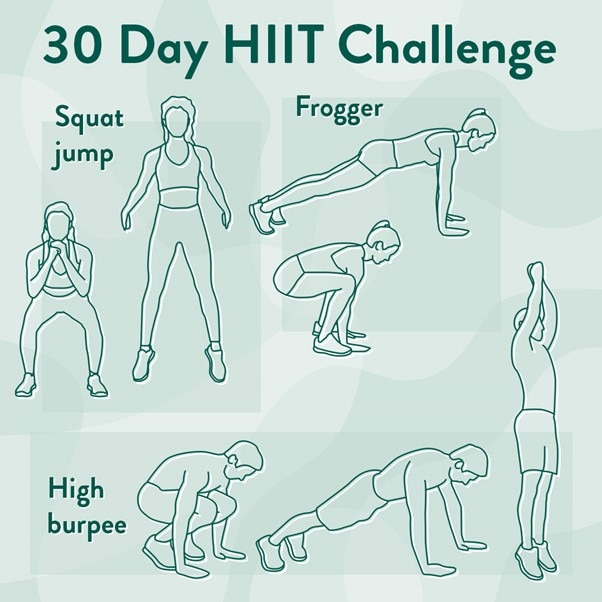
Credit: www.hollandandbarrett.com
Understanding Cardio Endurance
Boosting cardio endurance involves regular aerobic exercises like running or cycling. Gradually increasing intensity and duration helps improve heart and lung efficiency. Consistency is key to building stamina over time.
Cardio endurance is the ability to sustain physical activity over time. It measures how well your heart, lungs, and muscles work together during exercise. Improving cardio endurance can boost your overall health. It helps in maintaining energy levels for longer periods. Understanding this concept is essential for anyone looking to enhance their fitness journey.What Is Cardio Endurance?
Cardio endurance refers to your body’s efficiency in using oxygen. It allows you to perform activities without getting tired quickly. When your endurance improves, you can exercise longer and harder. This leads to better health and fitness levels.Benefits Of Cardio Endurance
Improving cardio endurance has many health benefits. It strengthens the heart and lungs. Regular cardio exercise can reduce the risk of heart disease. It also helps in controlling weight and boosting mood. Enhanced endurance supports daily activities with ease.Measuring Cardio Endurance
Monitoring cardio endurance can be done through simple tests. A common method is the “talk test.” During exercise, if you can talk comfortably, your endurance is good. Another way is checking your heart rate. A lower resting heart rate indicates better endurance.Activities That Boost Cardio Endurance
Various exercises can improve cardio endurance. Walking, running, and cycling are effective options. Swimming also enhances endurance due to its full-body workout. Team sports like basketball or soccer can be beneficial too. Choose activities you enjoy for consistent improvement.Tips For Improving Cardio Endurance
Start with small goals and increase gradually. Consistency is key in building endurance. Mix different types of exercises to challenge your body. Include interval training for faster results. Pay attention to your body’s signals and rest when needed.The Role Of Nutrition In Cardio Endurance
Good nutrition supports cardio endurance. Eating balanced meals provides the necessary energy. Focus on foods rich in carbohydrates and proteins. Hydration is crucial for maintaining stamina during workouts. Proper nutrition aids recovery and overall performance.Benefits Of Improved Endurance
Enhanced endurance boosts overall health and energy. It improves heart function, helping you feel more active daily. Regular cardio exercises increase stamina, allowing longer workouts with less fatigue.
Improving your cardio endurance offers a multitude of benefits that extend beyond just physical health. It’s not just about running longer or cycling faster; it’s about enhancing your overall quality of life. Imagine waking up with more energy or tackling daily tasks with ease. Better endurance means you can enjoy these perks and more. Let’s dive into how improved endurance can transform your life.Enhanced Energy Levels
Boosting your endurance means your body becomes more efficient at using energy. You might notice that you’re less fatigued throughout the day. Regular cardio workouts increase oxygen flow, giving you an energy boost that keeps you going strong. Suddenly, climbing stairs or chasing after your kids feels like a breeze.Improved Mental Health
Cardio exercises release endorphins, the body’s natural mood lifters. When your endurance improves, these endorphins are released more consistently, promoting a happier and more balanced mindset. You may find that you’re less stressed and more focused, allowing for better productivity at work or school.Better Heart Health
A stronger heart is a direct result of enhanced endurance. As your heart becomes more efficient, it pumps blood with less effort, reducing the risk of heart-related conditions. Consider this: a healthier heart means a longer, more active life, enabling you to pursue passions without limitations.Increased Calorie Burn
With improved endurance, you can engage in longer workout sessions, leading to higher calorie expenditure. This increased burn can help with weight management, making it easier to maintain or achieve your fitness goals. Plus, it can enhance your metabolism, keeping you active and fit.Enhanced Sleep Quality
Regular cardio activities can lead to better sleep patterns. As your endurance improves, your body becomes more adept at managing stress, leading to deeper, more restorative sleep. Imagine waking up refreshed and ready to seize the day, without the need for multiple cups of coffee.Greater Longevity
Improved endurance contributes to a longer, healthier life. It’s not just about adding years to your life, but life to your years. You’re able to enjoy activities you love, travel, and spend time with family without feeling held back by physical limitations. How has improved endurance positively affected your life? Share your experiences and inspire others to take charge of their health.Setting Realistic Goals
Begin by setting clear, achievable goals to improve cardio endurance. Break these goals into smaller, manageable steps. This approach keeps motivation high and progress steady.
Setting realistic goals is crucial to boosting your cardio endurance. It keeps you motivated and focused. Clear objectives help you track progress. They also prevent frustration from unrealistic expectations. Begin by assessing your current fitness level. Identify what you want to achieve. Create a plan that aligns with your lifestyle and fitness level. This approach makes goals more achievable. Break down larger goals into smaller, manageable steps. This builds confidence and creates a sense of accomplishment. Make sure your goals are specific and measurable. Avoid vague targets like “get fit.” Instead, aim for concrete milestones. For example, “run for 30 minutes without stopping.” This specificity guides your training and measures success. Use a mix of training methods. Variety keeps workouts interesting and challenges your body. Combine running, cycling, and swimming for balanced cardio gains. Track your progress regularly. Monitoring improvements boosts motivation and commitment. Adapt goals as you progress. Flexibility in your plan allows adjustments. This ensures continuous growth and prevents plateaus. Celebrate small victories. Recognizing achievements fuels motivation and reinforces positive habits. H3 Headings:Assessing Your Current Fitness Level
Creating A Personalized Fitness Plan
Setting Specific And Measurable Goals
Using A Mix Of Training Methods
Tracking Your Progress
Adapting And Adjusting Goals
Celebrating Milestones
Incorporating Interval Training
Interval training improves cardio endurance by alternating high-intensity bursts with recovery periods. This method enhances heart efficiency and stamina. Regular sessions can lead to better cardiovascular health and increased energy.
Boosting your cardio endurance doesn’t have to be a daunting task. One of the most effective ways to improve your cardiovascular fitness is by adding interval training to your routine. This method alternates between short bursts of high-intensity exercise and periods of low-intensity recovery. Not only does it keep your workouts interesting, but it also maximizes your results in a shorter amount of time.High-intensity Intervals
High-intensity intervals push your body to its limits, making your heart work harder and increasing your stamina. Think of activities like sprinting, cycling at a fast pace, or even jumping rope. Start with a 30-second burst of maximum effort. The key is to challenge yourself. Can you go a little faster or push a bit harder each time? Keep track of your progress and aim to improve gradually.Low-intensity Recovery Periods
After pushing yourself, it’s important to give your body time to recover. These low-intensity periods allow your heart rate to decrease and prepare you for the next burst. Activities like slow walking or gentle cycling are perfect for these breaks. Aim for a recovery period that lasts about twice as long as your high-intensity interval. This helps your body reset and prevents burnout. Remember, the quality of your recovery impacts your overall performance. Interval training keeps your routine dynamic and can be done almost anywhere. Have you tried different combinations of intervals to see what works best for you?Strength Training For Endurance
Strength training enhances cardio endurance by building muscle stamina. Incorporate exercises like squats and lunges to improve cardiovascular efficiency. Balance weightlifting with cardio workouts for optimal endurance gains.
Strength Training for Endurance Building cardio endurance isn’t just about running miles or cycling for hours. Incorporating strength training into your routine can significantly boost your endurance levels. It might sound surprising, but strengthening your muscles can enhance your heart’s performance during extended physical activity.Building Muscular Endurance
Muscular endurance is your ability to perform repetitive movements over time without fatigue. Focus on exercises like squats, lunges, and push-ups with higher repetitions. These exercises target multiple muscle groups, improving overall stamina. Consider adding resistance bands or light weights to increase the challenge. As your muscles adapt, you’ll notice improved endurance in your cardio workouts. A personal tip: when I started integrating bodyweight exercises, I felt more energetic during my runs, even after a challenging workout session.Balancing Cardio And Strength
Finding the right balance between cardio and strength training is crucial. Schedule your workouts to alternate between the two. This way, you avoid overworking your body and allow time for recovery. For instance, dedicate certain days to cardio activities like jogging or swimming, while other days focus on weight training. This balance helps maintain your stamina and prevents fatigue. Are you integrating strength exercises in your cardio routine effectively? Reflect on your current schedule and adjust to maximize your endurance growth.Optimal Nutrition For Stamina
Optimal nutrition plays a pivotal role in enhancing your cardio endurance. To push your stamina to new heights, it’s not just about clocking hours on the treadmill or bike. What you fuel your body with can make a significant difference in how far and how long you can go. Are you ready to discover the nutritional secrets to elevate your endurance?
Carbohydrates For Energy
Carbohydrates are your best friend when it comes to fueling endurance. They are the primary source of energy for your muscles during prolonged exercise. Imagine your body as a car; carbs are the gasoline that keeps you moving.
Before a workout, aim to include complex carbohydrates like whole grains, fruits, and vegetables in your meals. These provide a steady release of energy. Post-workout, consider simple carbs like a banana or a smoothie to replenish glycogen stores quickly.
Have you ever hit the dreaded “wall” during a run? This often happens when your glycogen stores are depleted. By planning your carb intake wisely, you can avoid this and keep going strong.
Hydration Essentials
Staying hydrated is crucial for maintaining stamina during cardio sessions. Even a slight drop in your body’s water levels can lead to fatigue and decreased performance. Are you drinking enough?
- Start hydrating well before your workout. Aim for at least 16-20 ounces of water a couple of hours before you begin.
- During exercise, keep sipping water every 15-20 minutes. For longer sessions, consider a sports drink to replace lost electrolytes.
- Post-workout, rehydrate with water and a pinch of salt or a balanced electrolyte drink to restore what was lost through sweat.
Think about your last workout—did you feel sluggish or energized? Your hydration status could be the key. Make it a habit to monitor your fluid intake and adjust based on your activity level and climate.
Utilizing Technology And Tools
In today’s digital age, technology offers many tools to enhance cardio endurance. From wearable devices to smart apps, these gadgets help monitor progress and optimize workouts. They provide insights into heart rate, calories burned, and overall performance. Utilizing technology can guide you to achieve fitness goals more efficiently.
Fitness Trackers
Fitness trackers are wearable devices that monitor physical activity. They count steps, track distance, and calculate calories burned. These gadgets help set daily goals and encourage consistent movement. Some trackers offer reminders to keep you active throughout the day.
They sync with smartphones to provide detailed reports. This data helps track progress over time. Some advanced models offer GPS tracking for outdoor activities. Fitness trackers motivate you by showing real-time achievements.
Heart Rate Monitors
Heart rate monitors measure how hard your heart is working. They provide feedback on workout intensity. Knowing your heart rate helps you stay within target zones. This ensures effective and safe cardio sessions.
Monitors come as chest straps or wristbands. They sync with fitness apps for detailed analysis. Monitoring heart rate helps improve endurance gradually. It also alerts you to slow down if pushing too hard.
Both fitness trackers and heart rate monitors are valuable tools. They offer insights that help optimize cardio routines. Using these devices makes workouts more efficient and enjoyable.
Rest And Recovery Importance
Rest and recovery are vital for boosting cardio endurance. They allow your body to heal and grow stronger. Ignoring rest can lead to fatigue and injury. To improve endurance, balance workouts with recovery. This ensures long-term progress and well-being.
Active Recovery Techniques
Active recovery involves light activities after intense workouts. These activities keep blood flowing without straining the body. Options include walking, cycling, or yoga. They help remove waste products from muscles. This speeds up healing and reduces soreness.
Avoiding Overtraining
Overtraining happens when you push your body too hard. It leads to fatigue, decreased performance, and possible injury. To avoid this, listen to your body. If you’re tired, take a break. Include rest days in your routine. Quality sleep also prevents overtraining. It helps muscles recover and energy levels return.
Mental Strategies For Endurance
Boost cardio endurance by focusing on positive self-talk and setting small, achievable goals. Visualize success during workouts to maintain motivation.
Boosting cardio endurance isn’t just about physical strength and stamina. Your mind plays a crucial role in how far you can push your limits. Developing mental strategies can help you stay committed, overcome fatigue, and reach your fitness goals faster.Motivation Techniques
Finding what drives you can be the key to unlocking your endurance potential. Set clear, achievable goals and remind yourself why you started. Consider keeping a journal to track your progress and celebrate small victories along the way. Accountability can be a strong motivator. Share your goals with a friend or join a community of like-minded individuals. Knowing someone is cheering you on can make all the difference when you’re tempted to quit. Ask yourself what gets you out of bed on those cold, early mornings. Is it the promise of better health, or perhaps the thrill of a new personal record? Identify your reasons and let them fuel your journey.Visualization Practices
Picture yourself crossing the finish line, achieving your personal best, or simply feeling strong and energized. Visualization can help you mentally prepare for the challenges ahead. Close your eyes and imagine the sights, sounds, and feelings associated with success. Use visualization to rehearse overcoming obstacles. Think of how you’ll tackle hills during a run or maintain pace during a long ride. This mental rehearsal can make you more resilient when the real challenge arises. Have you ever noticed how athletes visualize their performance before a competition? You can do the same to boost your endurance. By practicing the race in your mind, you create a blueprint for your body to follow.
Credit: www.instagram.com
Consistency And Progress Tracking
Building cardio endurance requires dedication and smart strategies. Consistency and progress tracking are vital components in this journey. By maintaining a regular workout routine and closely monitoring your improvements, you can ensure steady progress. This approach helps in identifying what works best for you and making necessary adjustments.
Consistency Is Key
Commit to a schedule that suits your lifestyle. Consistent workouts lead to better results over time. Set realistic goals to avoid burnout. Even short sessions contribute to long-term endurance. Make your routine a non-negotiable part of your day. Keep distractions at bay and focus on your goals. Consistency builds a strong foundation for cardio endurance.
Track Your Progress
Use a journal or app to record your workouts. Note the duration, intensity, and type of exercise. Regular tracking helps identify patterns and improvements. It also highlights areas needing more attention. Celebrate small victories to stay motivated. Progress tracking provides a clear picture of your fitness journey.
Set Achievable Milestones
Break your ultimate goal into smaller, attainable milestones. These milestones keep you motivated and focused. Achieving them boosts confidence and encourages further progress. Adjust milestones as your fitness level changes. This approach ensures continuous growth in your cardio endurance.
Analyze And Adjust
Regularly review your progress records. Analyze what works and what doesn’t. Make necessary adjustments to your routine. This analysis ensures you are on the right track. Stay flexible and open to change. Adapting your plan can lead to better results.
Stay Motivated
Find activities you enjoy to keep motivation high. Mix up your routine to prevent boredom. Join a group or find a workout buddy. Social support can boost motivation and make workouts fun. Reward yourself for reaching milestones. Motivation is crucial for maintaining consistency and tracking progress.

Credit: m.facebook.com
Frequently Asked Questions
What Exercises Improve Cardio Endurance?
Incorporate activities like running, cycling, and swimming into your routine. These exercises boost heart rate, enhancing cardiovascular health and stamina. Consistent practice increases lung capacity, allowing for longer workouts. Experiment with interval training to further improve endurance. Regular engagement with these activities leads to noticeable improvements over time.
How Often Should I Train For Endurance?
Aim to train at least three times a week for optimal results. Consistency is key to building endurance. Gradually increase intensity and duration as your stamina improves. Listen to your body to avoid overtraining. Regular rest days are crucial for recovery and overall progress.
Can Diet Affect Cardio Endurance?
Yes, a balanced diet significantly impacts endurance levels. Prioritize carbohydrates for energy, and proteins for muscle repair. Hydration is essential for maintaining performance. Avoid processed foods; they can hinder progress. Consuming the right nutrients supports sustained energy during workouts and enhances recovery post-exercise.
What Role Does Hydration Play In Endurance?
Hydration is vital for maintaining performance during cardio activities. Proper fluid intake prevents fatigue and supports bodily functions. Dehydration can lead to decreased endurance and increased risk of injury. Drink water regularly, especially before, during, and after workouts to optimize your endurance levels.
Conclusion
Boosting cardio endurance takes patience and practice. Start with small steps. Gradually increase intensity over time. Mix workouts for variety and fun. Listen to your body’s signals. Stay consistent for better results. Rest and recovery are important. Hydrate and eat well for energy.
Set achievable goals for motivation. Celebrate small achievements to stay inspired. Cardio endurance improves overall health. Enjoy the journey to a stronger, healthier you. Remember, progress is personal. Keep moving forward. Your effort pays off in the long run.