Picture this: you wake up feeling energized, your mind is clear, and your body feels great. What if you could feel this way every day?
The secret often lies in what you eat. Starting a nutrition diet might seem overwhelming at first, but it doesn’t have to be. Imagine understanding exactly what your body needs and providing it with the right fuel. This is your chance to transform your health and wellbeing.
You might wonder, where do you start? How do you make changes that stick? By reading this article, you’ll discover simple, actionable steps that can guide you to begin a nutrition diet tailored just for you. Get ready to unlock the power of food and create the best version of yourself. Curious? Read on to find out how easy it can be.

Credit: www.everydayhealth.com
Setting Clear Goals
Setting clear goals is key to starting a nutrition diet. Define what you want to achieve for better focus. This helps in making informed choices and tracking progress easily.
Setting clear goals is essential for starting a nutrition diet. Goals guide your journey, providing direction and motivation. Without them, you might feel lost or overwhelmed. Clear goals keep you focused and committed.Understanding Your Why
Knowing why you want to change your diet is crucial. Are you aiming for better health, weight loss, or more energy? Understanding your motivation helps in setting meaningful goals. Write down your reasons and revisit them often.Specific Goals Matter
Vague goals lead to confusion and frustration. Instead of saying “eat healthy,” specify what you mean. For example, “include vegetables in every meal” or “reduce sugar intake to less than 20 grams daily.” Clear goals make tracking progress easier.Set Achievable Goals
Goals should be realistic and attainable. Setting the bar too high can lead to disappointment. Start small, like drinking an extra glass of water daily. Gradually build on your successes for sustained progress.Measurable Goals For Success
Your goals should be measurable. This allows you to see progress and adjust as needed. Use numbers or time frames, like “exercise 30 minutes three times a week.” Measurable goals help you stay on track.Time-bound Goals
Setting deadlines creates urgency and helps prioritize tasks. Define a timeframe for your goals, like “lose 5 pounds in two months.” Time-bound goals keep you accountable and focused on the finish line.Regularly Review And Adjust
Regularly revisit your goals to track progress. Adjust them if circumstances change or if you’re not progressing. Flexibility ensures that your goals remain relevant and achievable. Keep refining them for continuous improvement.Assessing Current Eating Habits
Starting a nutrition diet begins with understanding your current eating habits. This initial step provides a clear picture of what changes need to be made for a healthier lifestyle. By assessing your eating patterns and tracking your daily intake, you lay the groundwork for a successful dietary transformation.
Identifying Food Patterns
Take a moment to reflect on your typical meals and snacks. Do you often reach for sugary treats or rely heavily on processed foods? Recognizing these habits is crucial. Consider keeping a food journal for a few days. This will help you spot trends and pinpoint areas for improvement.
Think about the times you eat. Do you skip breakfast or indulge late at night? These patterns can affect your energy levels and overall health. Identifying when you eat is just as important as what you eat.
Tracking Daily Intake
Once you’ve identified your food patterns, start tracking your daily intake. Use apps or spreadsheets to record everything you consume, including drinks. This detailed account helps you see where your calories and nutrients come from.
Tracking isn’t just about counting calories. It’s about understanding portion sizes and nutritional content. Are you getting enough vitamins and minerals? Or is your diet lacking diversity? By tracking, you gain insight into the quality of your diet.
As you track your intake, ask yourself: Are these choices supporting my health goals? This question prompts reflection and encourages conscious decision-making with each meal. The goal is to align your eating habits with your dietary objectives.
Understanding Nutritional Needs
Beginning a nutrition diet involves understanding your body’s unique needs. Focus on balanced meals and portion control to maintain health. Select foods rich in vitamins and minerals for optimal nutrition.
Understanding your nutritional needs is the first step towards a healthier diet. It’s not just about counting calories; it’s about understanding what your body truly requires to function at its best. Personal experiences can be illuminating here. Have you ever felt sluggish after a meal? It might be because your nutritional balance was off.Macronutrients Basics
Macronutrients are your body’s primary source of energy. They include carbohydrates, proteins, and fats. Each plays a unique role in your health. Carbohydrates are often misunderstood. They are not the enemy; they’re essential for energy. Think of them as fuel for your brain and muscles. Proteins are crucial for muscle repair and growth. They help you maintain a strong and active body. Including lean meats, beans, and nuts can ensure you’re getting enough. Fats are vital too, but focus on healthy fats like those found in avocados and olive oil. They support brain health and hormone balance.Importance Of Micronutrients
Micronutrients might be small, but their impact is significant. Vitamins and minerals are essential for various bodily functions. Vitamin C boosts your immune system, while vitamin D aids in calcium absorption. Are you getting enough of these? Minerals like iron and magnesium are vital for your energy levels and muscle function. Incorporating a variety of fruits and vegetables can help. Consider the colors on your plate. A colorful meal often means a diverse range of micronutrients, supporting overall well-being. Reflect on your diet: Are you meeting your nutritional needs? Small changes can lead to big improvements in health and energy.
Credit: www.everydayhealth.com
Creating A Balanced Meal Plan
Creating a balanced meal plan starts with understanding basic nutrition. Focus on including proteins, vegetables, and whole grains in every meal. Gradually introduce a variety of foods to ensure a well-rounded diet.
Creating a Balanced Meal Plan Embarking on a nutrition diet is an exciting journey towards better health. A balanced meal plan is your roadmap to ensuring you get the nutrients your body needs. It’s about making choices that fuel your energy and enhance your well-being. Let’s dive into the essentials of crafting a meal plan that doesn’t just meet the nutritional requirements but also keeps your meals interesting and satisfying.Incorporating Variety
Variety is the spice of life, and it’s crucial in meal planning. Imagine eating the same meal every day—it sounds dull, right? Instead, aim to mix up your plate with different colors, textures, and flavors. Include fruits, vegetables, lean proteins, and healthy fats. This not only makes meals more exciting but ensures you’re getting a range of nutrients. Think about adding a new vegetable to your grocery list each week or trying a different protein source like lentils or quinoa. How can you make your meals more colorful and varied?Portion Control Strategies
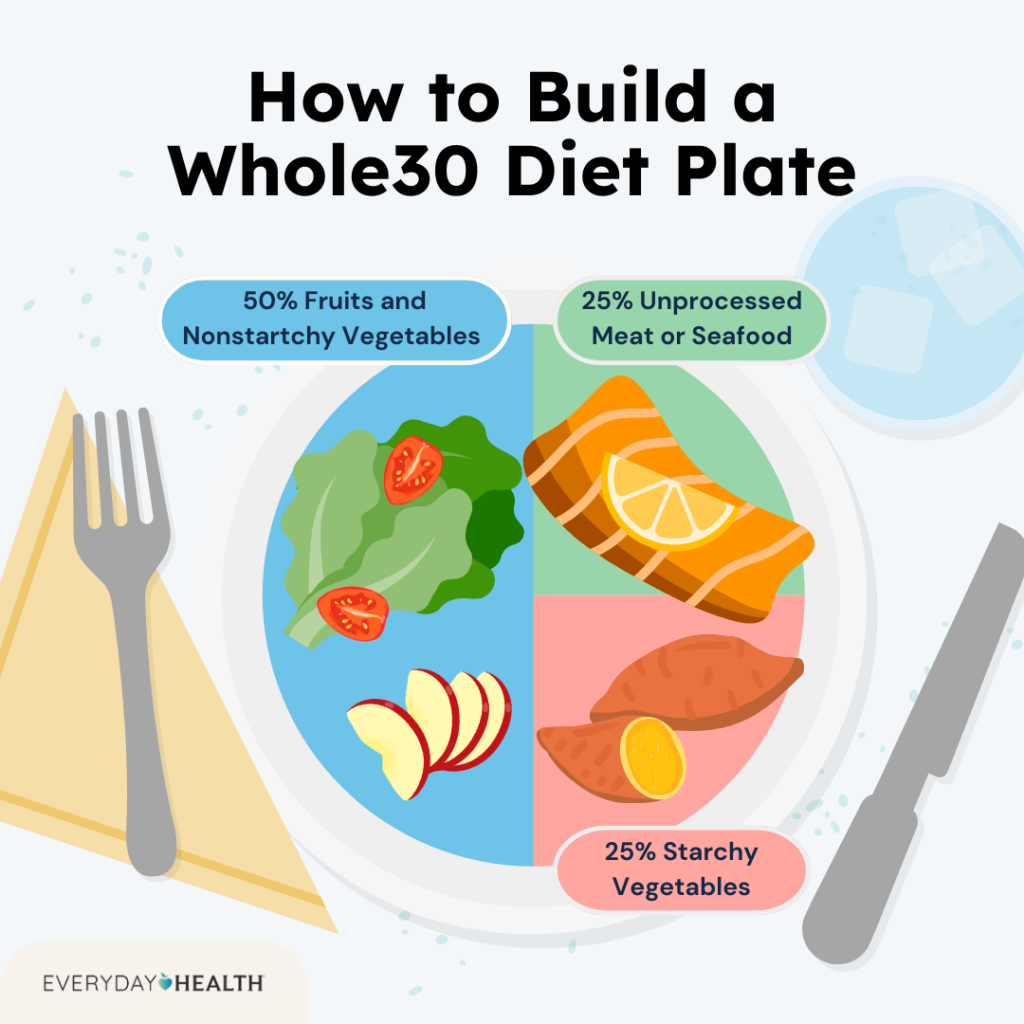
Managing portions is key to maintaining a balanced diet. It’s not just about what you eat, but how much. A simple way to start is by using smaller plates, which can trick your brain into thinking you’re eating more. Measure out servings, especially with high-calorie foods. You can also divide your plate: half for veggies, a quarter for protein, and a quarter for grains. This method helps keep your portions in check and your meals balanced. Have you considered how plate size affects your perception of fullness? A balanced meal plan isn’t just a tool for dieting—it’s a lifestyle choice that can lead to long-term health benefits. By incorporating variety and controlling portions, you create a sustainable and enjoyable eating habit. Remember, every meal is an opportunity to nourish your body and discover new flavors. Are you ready to take the first step towards a healthier you?Shopping Smart
Embarking on a nutrition diet is more than just a change in your eating habits; it’s about making informed choices at every step, especially when it comes to grocery shopping. Shopping smart is the foundation of a successful diet, ensuring that your pantry is stocked with nourishing foods. It’s not just about the foods you pick, but understanding what’s in them and how they contribute to your health goals. This journey starts with learning to decode food labels and prioritizing fresh ingredients.
Reading Food Labels
Understanding food labels is crucial for making healthier choices. These labels are like a secret map revealing the nutritional content of your food. Don’t just glance at the calories; look at the full breakdown.
- Check the Serving Size:Often, what you consider a single serving might actually be more than one according to the label. This can dramatically change the nutritional value.
- Sugar Content:Keep an eye on added sugars. Many foods hide sugars under different names, which can derail your diet.
- Whole Grains and Fiber:Opt for products high in fiber and whole grains. They keep you full longer and support digestive health.
Next time you’re in the store, challenge yourself to pick up a product you’ve never bought before. Read its label and decide if it aligns with your diet goals. You’ll find it easier over time, and might even discover new favorites!
Choosing Fresh Ingredients
There’s something incredibly satisfying about cooking with fresh ingredients. They’re not only more nutritious but often taste better too. Fresh produce is packed with vitamins and minerals that processed foods lack.
- Seasonal Selections:Choose fruits and vegetables that are in season. They’re usually cheaper, tastier, and more nutritious.
- Visit Local Markets:Local farmers’ markets are a treasure trove of fresh, organic produce. Plus, supporting local growers feels good!
- Herbs and Spices:Fresh herbs and spices can elevate your dishes and health benefits without adding extra calories.
Imagine the difference fresh tomatoes make in a salad compared to their canned counterparts. Not only do they enhance the flavor, but they also boost the nutritional value. Next time you shop, ask yourself: how can I make my meal fresher and healthier?
Meal Prep Techniques
Beginning a nutrition diet involves planning meals ahead. Preparing balanced meals can save time and ensure a healthy lifestyle. Use simple techniques like batch cooking to keep your diet consistent and nutritious.
Embarking on a nutrition diet can be an exciting journey towards better health, and mastering meal prep techniques is essential to success. Meal prepping not only saves time but also ensures you have healthy meals ready, reducing the temptation to grab unhealthy options. Let’s dive into some practical meal prep techniques that will make your nutrition diet both easy and enjoyable.Batch Cooking Tips
Batch cooking is a game-changer when it comes to meal prep. Start by selecting a few recipes that share common ingredients. This saves both time and money. Cook large quantities of grains like brown rice or quinoa to use throughout the week. Roasted vegetables can be stored and added to different meals for variety. Consider cooking proteins like chicken or tofu in bulk. Season them differently to keep your meals interesting.Storage Solutions
Proper storage is crucial to maintaining the freshness of your prepped meals. Invest in good quality, airtight containers. They keep your meals fresh and prevent spills. Label your containers with the date and contents. This helps you keep track of what’s available and ensures you eat everything while it’s still fresh. Use clear containers to easily see what’s inside without having to open each one. This can save time when you’re deciding what to eat. By implementing these meal prep techniques, you’ll find that maintaining a nutrition diet becomes simpler and more enjoyable. Are you ready to start your meal prep journey?Staying Motivated
Starting a nutrition diet requires setting clear, achievable goals. Track your progress and celebrate small victories. Stay inspired by reminding yourself of the benefits.
Embarking on a nutrition diet can be challenging. Staying motivated is key to success. It helps maintain focus and drive. Motivation fuels the journey when enthusiasm wanes. Here are some effective strategies to stay motivated.Setting Milestones
Breaking goals into smaller milestones makes them manageable. Each milestone reached provides a sense of achievement. This boosts confidence and motivation. Set realistic and achievable targets. Celebrate each milestone to keep motivation high.Tracking Progress
Tracking progress helps maintain motivation. It shows how far you’ve come. Use a journal or app to record daily achievements. Tracking highlights patterns and areas needing improvement. Visual progress encourages continued effort and commitment.Overcoming Challenges
Embarking on a nutrition diet can be an exhilarating journey towards better health and well-being. However, the path is often strewn with challenges that can test your resolve. Overcoming these obstacles is crucial to maintaining your momentum and achieving your goals. How do you deal with the inevitable cravings or manage social situations that revolve around food? Let’s explore these common hurdles and discover practical strategies to stay on track.
Dealing With Cravings
Cravings are a natural part of changing your diet. They often occur when your body misses old eating habits. But they don’t have to derail your progress. One effective strategy is to find healthy substitutes that satisfy your taste buds. If you crave sweets, consider reaching for fresh fruits or a handful of nuts. These can provide the sweetness and crunch you desire without compromising your nutrition plan.
Another tactic is to keep your mind occupied. Engage in activities you love, whether it’s reading a book, going for a walk, or practicing a hobby. Distracting yourself can lessen the intensity of cravings. Remember, the urge often passes quickly, so stay strong. What strategies have you used to tackle cravings?
Managing Social Situations
Social gatherings can be challenging when you’re trying to stick to a nutrition diet. You might feel pressure to indulge in foods that don’t align with your goals. One approach is to plan ahead. Eat a small, healthy snack before you head out. This way, you won’t feel overly hungry, making it easier to resist temptations.
Communicate your dietary preferences with friends and family. Most people will respect your choices if they understand your commitment. You can also offer to bring a dish that fits your diet, ensuring there’s something nutritious for you to enjoy. Have you found any effective ways to navigate social dining?
Seeking Professional Guidance
Consulting a nutritionist can help tailor a diet to your specific needs. Professional guidance ensures balanced nutrition and effective weight management. This approach fosters healthy eating habits while addressing any dietary concerns.
Embarking on a nutrition diet can feel overwhelming, especially with the myriad of information available online. Seeking professional guidance ensures that you are on the right track from the start. By reaching out to experts and communities, you can gain valuable insights and support that can make a significant difference in your journey.Consulting A Dietitian
A dietitian can tailor a nutrition plan specifically for you, considering your health history, lifestyle, and dietary preferences. Imagine having a personalized roadmap that aligns with your goals and addresses your unique needs. If you’ve ever felt confused by conflicting dietary advice, a dietitian can clarify these uncertainties. They offer science-backed recommendations, cutting through the noise. Regular consultations can help track your progress and make necessary adjustments, ensuring you stay motivated and on target.Joining Support Groups
Support groups provide a community of like-minded individuals who share similar goals and challenges. Engaging with others can offer emotional support, which is crucial when making lifestyle changes. In these groups, you can exchange tips, share recipes, and celebrate small victories. Have you ever felt the boost of motivation from knowing you’re not alone in your journey? That’s the power of a support group. Online forums and local meet-ups are great places to start, offering flexibility and convenience. Joining a group can be as simple as a quick search or a local community bulletin, connecting you to people who can inspire and encourage you every step of the way.
Credit: www.instagram.com
Frequently Asked Questions
What Is A Nutrition Diet?
A nutrition diet focuses on consuming balanced, nutrient-rich foods. It includes fruits, vegetables, whole grains, and lean proteins. This approach supports overall health, boosts energy, and helps maintain a healthy weight. It encourages mindful eating and portion control, which are essential for long-term wellness.
How To Start A Nutrition Diet?
Begin by assessing your current eating habits. Gradually incorporate more whole foods like fruits and vegetables. Reduce processed foods and sugars. Plan meals ahead to avoid unhealthy choices. Educate yourself on nutrition basics to make informed decisions. Start small and build sustainable habits over time.
Can A Nutrition Diet Aid Weight Loss?
Yes, a nutrition diet can promote healthy weight loss. It emphasizes nutrient-dense foods that keep you fuller longer. This approach reduces cravings and overeating. Balanced meals help regulate metabolism and energy levels. Combined with exercise, a nutrition diet can effectively support weight management goals.
Are Supplements Necessary On A Nutrition Diet?
Supplements can be beneficial but aren’t mandatory. Focus on getting nutrients from whole foods first. They provide vitamins, minerals, and fiber naturally. Consider supplements only if you have specific deficiencies or dietary restrictions. Always consult a healthcare professional before starting any supplement regimen.
Conclusion
Starting a nutrition diet can feel challenging at first. But with small, steady steps, it becomes manageable. Focus on whole foods and balance your meals. Listen to your body’s needs. Stay hydrated and enjoy the process. Keep a food diary to track progress.
Celebrate small wins to stay motivated. Remember, every healthy choice counts. Build habits that last a lifetime. Your journey to better health starts today. Stay committed, and embrace the change. You have the power to improve your well-being. Consistency is key in reaching your nutrition goals.
Enjoy the journey to a healthier you.