
Imagine looking in the mirror and feeling truly energized. What if you could unlock the secret behind what makes you feel this way?
It all starts with understanding your diet and nutrition. Whether you’re a health enthusiast or simply curious about the impact of what you eat, assessing your or someone else’s dietary habits is key to unlocking a healthier lifestyle. By the end of this article, you’ll not only know how to assess a diet but also discover insights that could transform the way you approach food.
Ready to dive in and uncover the nutritional mysteries that could change your life? Keep reading to find out how.
Evaluating Dietary Habits
Understanding someone’s diet involves examining their food choices and portion sizes. Evaluate nutrient intake by tracking daily meals and snacks. Consider variety in food groups for balanced nutrition.
Evaluating someone’s dietary habits offers valuable insights into their nutritional health. It helps identify areas for improvement and ensures balanced nutrition. By focusing on specific patterns, you can better understand their dietary needs and preferences. This assessment covers a range of eating behaviors, from meal timing to frequency, offering a comprehensive view of their habits. It’s crucial for promoting healthier eating and lifestyle choices.Identifying Eating Patterns
Understanding eating patterns reveals much about diet quality. Start by observing meal regularity. Do they skip meals often? Skipping meals can disrupt metabolism and lead to poor nutrition. Check for variety in their diet. A diverse diet usually means better nutrient intake. Notice portion sizes. Are they too large or too small? Both can impact health. Look for reliance on processed foods. High intake of processed foods often lacks essential nutrients. Identifying these patterns helps tailor dietary advice to individual needs.Frequency And Meal Timing
The timing and frequency of meals greatly affect nutrition. Regular meal intervals stabilize energy levels. Ask how often they eat daily. Frequent small meals can prevent overeating. Irregular meal timing might lead to increased hunger. This can cause poor food choices. Early or late eating impacts digestion and sleep. Optimal meal timing supports metabolic health. Encourage a consistent schedule for meals. It promotes better nutritional balance and energy maintenance.
Credit: www.instagram.com
Nutrient Intake Analysis
Understanding a person’s diet requires a thorough nutrient intake analysis. This process helps identify what nutrients are consumed and what may be lacking. A balanced diet provides both macronutrients and micronutrients, which are essential for health. It’s crucial to evaluate these elements to maintain a healthy lifestyle.
Macronutrient Balance
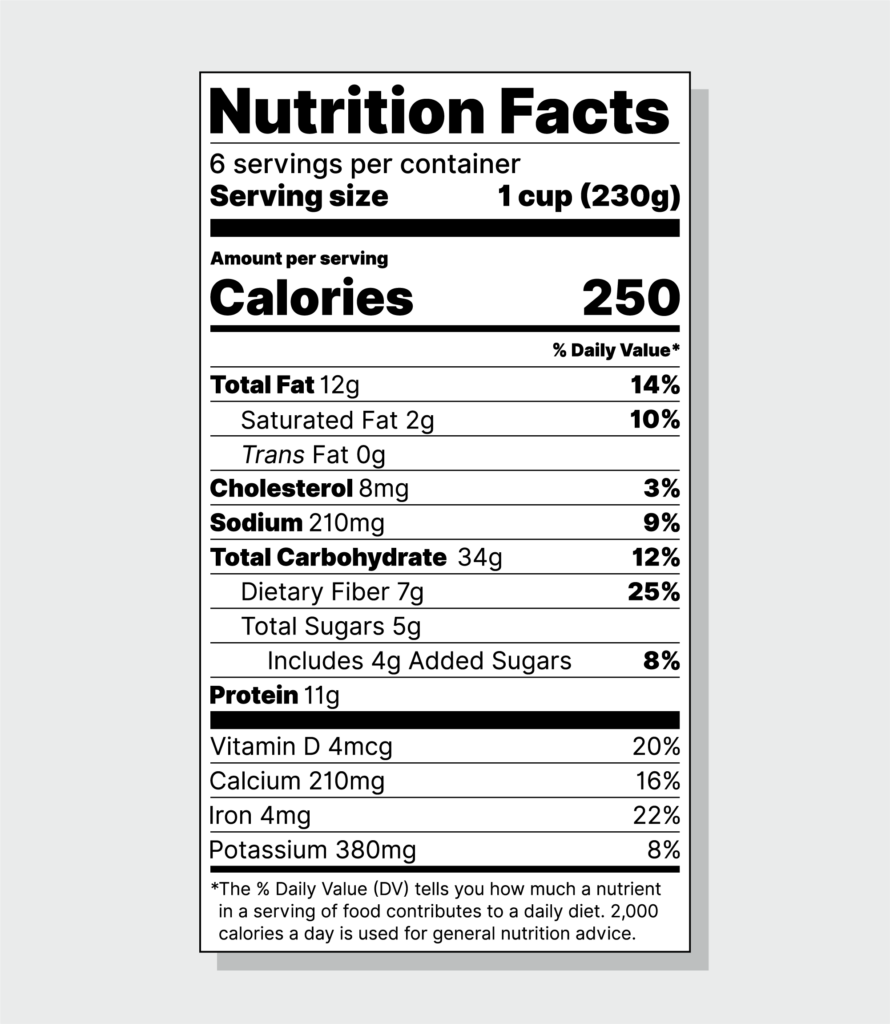
Macronutrients include carbohydrates, proteins, and fats. Each plays a vital role in energy production and body functions. Carbohydrates provide quick energy. Proteins support muscle and tissue repair. Fats are necessary for hormone production and cell health. Assessing their balance ensures enough energy and growth support.
Micronutrient Essentials
Micronutrients, like vitamins and minerals, are needed in smaller amounts. They boost immunity and aid in various body functions. Vitamins like C and D are crucial for skin and bone health. Minerals like iron and calcium support blood and bone strength. Monitoring these nutrients prevents deficiencies and promotes overall well-being.
Assessing Food Quality
Evaluating someone’s diet involves checking nutrient balance, food variety, and portion sizes. Observing meal frequency and hydration levels also provides insights.
Assessing the food quality in someone’s diet is crucial for understanding the nutritional benefits they receive. It’s not just about counting calories; it’s about examining the source and type of food consumed. How can you tell if the diet is truly nourishing? A close look at food quality can reveal a lot. Let’s dive into some key considerations.Whole Foods Vs Processed Foods
Whole foods are foods that are as close to their natural form as possible. Think fruits, vegetables, whole grains, and nuts. These foods are generally rich in nutrients and free from additives. They offer more vitamins, minerals, and fiber, which are essential for a balanced diet. Processed foods, on the other hand, often contain added sugars, salts, and fats. They may look appealing and are convenient, but they can be low in nutritional value. Consider the impact of a diet heavy in processed foods. Are you getting the nutrients you need? Reflect on the last meal you had. Was it composed of whole ingredients, or did it come from a box? Your choices can significantly affect your health and energy levels.Organic And Local Choices
Organic foods are grown without synthetic pesticides or fertilizers. Choosing organic can reduce your exposure to harmful chemicals. There’s a growing awareness about the benefits of organic produce, but are these foods always accessible? Local choices often mean fresher produce with more nutrients intact. Supporting local farmers can also contribute to your community’s economy. Imagine biting into a locally grown apple. It’s crisp, flavorful, and packed with nutrients. Have you considered the environmental impact of your food choices? Organic and local foods often have a smaller carbon footprint. This can be an easy step towards a more sustainable lifestyle. Choosing quality over convenience in your diet can lead to better health and satisfaction. What changes can you make today?Lifestyle Factors
Assessing someone’s diet nutrition goes beyond counting calories or food groups. Lifestyle factors play a crucial role in understanding nutritional needs. These factors include physical activity levels, stress, and sleep impacts. Each element offers insights into how the body uses nutrients. They help tailor dietary recommendations for better health.
Physical Activity Levels
Physical activity directly affects nutritional requirements. Active individuals burn more energy. They need more calories to fuel their activities. Sedentary lifestyles require fewer calories. But, they need nutrient-dense foods for optimal health. Assessing activity levels helps balance energy intake and expenditure.
Consider the type and frequency of exercise. Endurance athletes may need more carbohydrates. Weightlifters might need additional protein. Understanding these needs helps refine dietary recommendations. This ensures the body gets the right nutrients.
Stress And Sleep Impacts
Stress influences eating habits and nutrient absorption. High stress can lead to poor food choices. It affects digestion and metabolism. Chronic stress may increase the need for certain vitamins. B vitamins and magnesium are often needed more.
Sleep quality affects hunger hormones. Poor sleep can increase appetite and cravings. It disrupts energy balance. Assessing sleep patterns helps tailor diet plans. Aim for foods that promote relaxation and improve sleep. This can include magnesium-rich foods or herbal teas.
Understanding Special Diets
Understanding someone’s dietary needs requires a look at their eating habits and health goals. Check food choices, portion sizes, and nutrient intake to assess nutritional balance.
Understanding a person’s dietary needs can be challenging. Special diets require careful consideration. People choose these diets for health, ethical, or cultural reasons. Assessing these diets involves knowing specific nutritional needs. This knowledge helps in creating balanced meal plans.Vegetarian And Vegan Considerations
Vegetarian and vegan diets exclude animal products. Vegetarians avoid meat but might eat dairy and eggs. Vegans exclude all animal-derived foods. These diets often lack certain nutrients. Protein, iron, and vitamin B12 are common concerns. Plant-based sources can meet these needs. Beans, lentils, and tofu provide protein. Leafy greens and fortified foods offer iron. Vitamin B12 supplements might be necessary for vegans.Gluten-free And Allergies
Gluten-free diets cater to those with gluten intolerance or celiac disease. Gluten is found in wheat, barley, and rye. Some people have allergies to other foods like nuts or dairy. Reading labels is crucial for managing these diets. Many gluten-free alternatives are available. Rice, corn, and quinoa are safe grains. People with allergies must avoid trigger foods. Cross-contamination can pose risks. Awareness and vigilance are key in maintaining safety.Behavioral Influences
Behavioral influences play a significant role in shaping dietary choices. Understanding these influences can help in assessing someone’s nutrition. They include emotional triggers, social settings, and cultural norms. These factors impact eating habits and can lead to poor nutrition if not managed properly.
Emotional Eating Patterns
Emotions can drive eating habits. Stress or sadness often leads to consuming comfort foods. These foods are usually high in sugar and fat. Identifying emotional triggers is important. It helps in understanding why certain foods are chosen. Journaling can reveal patterns and triggers.
Social And Cultural Impacts
Social settings affect food choices. Meals with friends may lead to overeating. Cultural traditions also influence diet. Certain cultures have specific eating habits. Recognizing these influences helps in assessing nutritional intake. Awareness can lead to healthier choices in social scenarios.
Tools And Methods
Analyzing someone’s diet involves using food diaries, nutritional apps, and blood tests. These tools help identify nutrient deficiencies. Diet recall interviews provide insights into eating habits and preferences.
Assessing someone’s diet nutrition requires precise tools and methods. These help in understanding dietary habits and nutritional intake. With technology and professional expertise, you can evaluate a diet efficiently.Diet Tracking Apps
Diet tracking apps provide valuable insights. They allow users to log daily food intake. This helps in monitoring calories, nutrients, and food groups. Many apps offer barcode scanning for packaged foods. Some have extensive databases of food items. Users can also set personal health goals. Tracking apps often provide reminders for meals. They can sync with fitness devices for better insights. Popular apps include MyFitnessPal and Lose It!. These apps are user-friendly and accessible on smartphones.Professional Assessment Techniques
Dietitians use professional assessment techniques. They conduct detailed dietary interviews. This helps to understand eating patterns. Food frequency questionnaires are common tools. They evaluate how often certain foods are eaten. Nutritional assessments may include physical exams. These assess signs of nutritional deficiencies. Blood tests can reveal vitamin and mineral levels. Professionals also provide personalized dietary advice. This ensures that nutritional needs are met. Regular follow-ups help track progress. Dietitians use scientific methods for accurate assessments.
Credit: www.instagram.com
Credit: fsns.com
Frequently Asked Questions
What Are Key Signs Of Poor Nutrition?
Signs include fatigue, frequent colds, and skin issues. Poor nutrition can lead to weight fluctuations and decreased energy levels. Monitoring these symptoms helps assess dietary habits and overall health.
How Can You Assess Someone’s Dietary Habits?
Evaluate food variety, portion sizes, and meal frequency. Assessing dietary habits involves understanding nutrient intake and lifestyle choices. This helps identify areas for improvement in a person’s diet.
What Tools Help In Diet Assessment?
Food diaries and nutrition apps are useful tools. These tools help track dietary intake and analyze nutritional values, providing insights for diet improvement.
Why Is Nutrition Assessment Important?
Nutrition assessment identifies deficiencies and helps in planning balanced diets. It’s crucial for maintaining health, preventing diseases, and enhancing overall well-being.
Conclusion
Assessing someone’s diet nutrition helps understand their health needs. This process reveals what their diet lacks or provides. Ask questions about meals, snacks, and food choices. Look for patterns in eating habits. Check for balance in protein, carbs, and fats.
Monitor portion sizes and meal frequency. Consider hydration levels and physical activity. This approach guides better dietary choices. A healthier diet leads to improved wellness. Everyone deserves a chance to thrive. Eating right is key. Make informed choices for a better life.
Your body will thank you. Start today.